 Prefer Investozora on Google
Get real-time financial updates.
May 11, 2026 • 9:25 AM ET
The Federal Reserve has officially confirmed the FOMC minutes from the May 6 to 7 meeting will be released on May 20, 2026, at 2:00 PM Eastern Time. The release date is listed on the Federal Reserve’s official FOMC calendar.
The Federal Reserve will release the official minutes from the May 6 to 7 FOMC meeting on May 20, 2026, at 2:00 PM ET. These minutes are the first record of Fed deliberations under the final Powell meeting before the Warsh transition. Three specific signals inside the notes will determine the near-term direction of U.S. interest rates.
The Federal Reserve’s minutes from the May 6 to 7 meeting are not a repeat of the public statement released after the decision. They are the unedited record of every argument made inside the room, every dissent considered, and every economic signal the committee weighed before holding rates steady.
For the millions of Americans with savings accounts, CDs, variable mortgages, and retirement funds tied to the federal funds rate, the May 20 release answers questions the May 7 public statement deliberately left open.
Why These Minutes Are Different From Every Previous Release
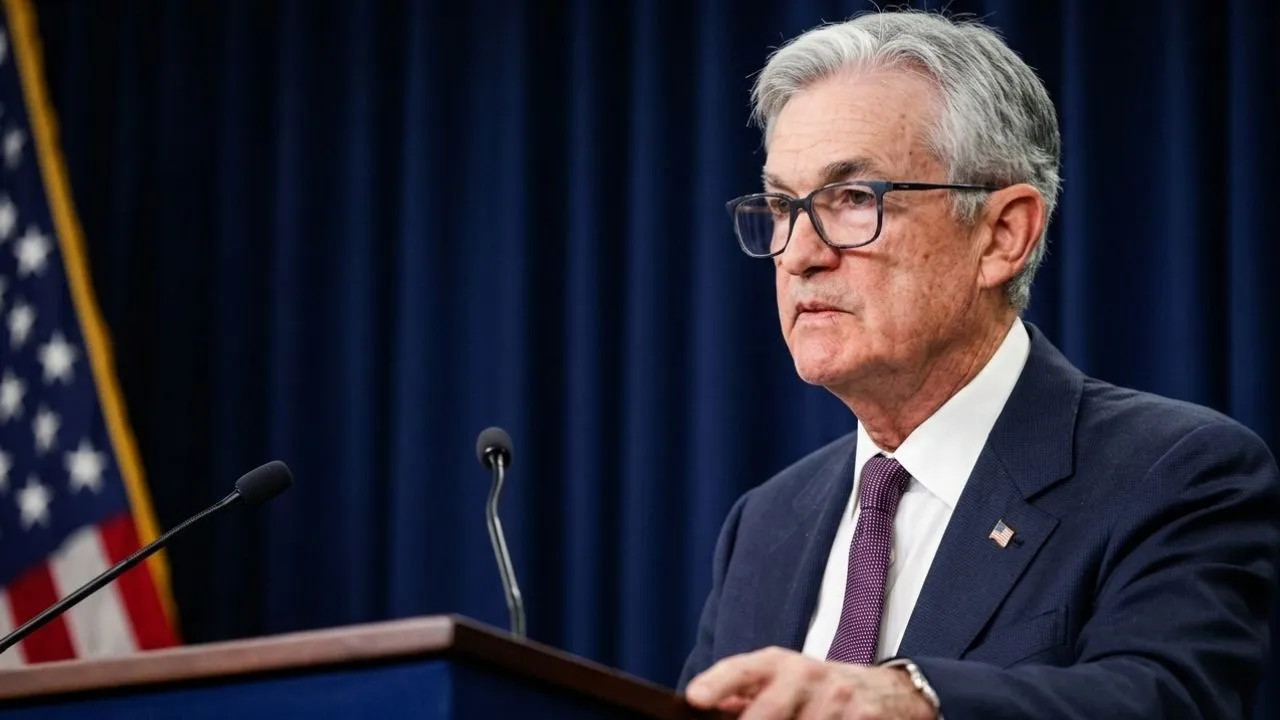
The May 6 to 7 meeting was Jerome Powell’s final meeting as Federal Reserve Chair. That fact changes what is inside the minutes in ways no prior release shares.
When a Fed Chair prepares for leadership transition, the committee’s internal debate about future policy direction becomes more candid and more consequential than in any routine meeting.
Federal Reserve Policy

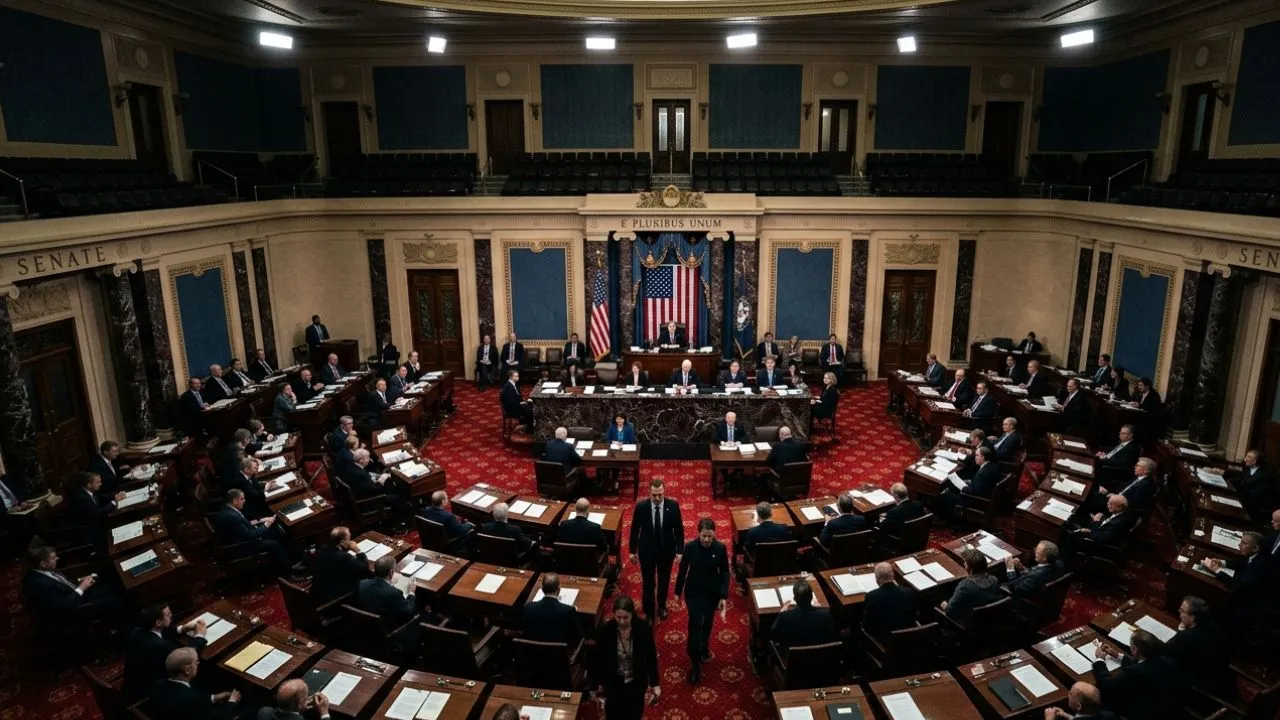
Kevin Warsh Is One Senate Vote Away From Running the Fed
The Fed’s Secret Notes Drop May 20 — What Could Move Markets
The April dissent vote revealed that the committee was already divided on the pace of potential easing before Warsh’s confirmation. The May minutes will show whether that division deepened or narrowed during Powell’s final session.
The Federal Reserve Act requires the FOMC to publish a complete record of each meeting within three weeks of the session date, which places the May 6 to 7 minutes squarely on May 20 per the official calendar at federalreserve.gov. The May 7 hold maintained the federal funds rate at its current target range. The minutes explain the reasoning in full.
Three Signals Analysts Are Watching on May 20
The first signal is dissent language. When an FOMC member votes against the majority, the minutes record their stated reason. Even a single dissent in Powell’s final meeting signals whether the committee is unified or fractured as Warsh takes over. A divided committee constrains even a strong-willed Chair on the first meeting.
The second signal is the committee’s specific language around inflation. The difference between describing inflation as “elevated” versus “moderating” or “approaching target” is not semantic. It is the Fed’s internal signal about when rate cuts become appropriate. Bond traders, commercial banks, and mortgage servicers reprice the entire U.S. fixed income market within minutes of reading which phrase appears in the minutes.
The third signal is the balance of risks language. When the FOMC discusses whether risks are “balanced,” “weighted to the upside,” or “weighted to the downside,” they are telling the market which direction the next rate move is more likely to go.
In the minutes signals analysis from prior meetings, the balance of risks language has preceded rate decisions by an average of two meetings. Reading it on May 20 gives you a two-meeting preview of where the rate is likely headed.
The Federal Reserve’s FedACH network settles all interbank transfers that deliver interest payments from Treasury securities, savings account yields, and CD maturities directly to consumer bank accounts. When the FOMC minutes shift the market’s expectation of the rate path, every institution in that network reprices its deposit products within days.
The Fed money system article explains how that repricing moves from the Federal Reserve’s decision room to your bank account balance. Understanding both layers is what allows you to act before the market fully adjusts.
What Happens If the Minutes Signal Rate Cuts Are Coming
If the May 20 minutes reveal a committee leaning toward one or two cuts in the second half of 2026, short-term CD rates will begin declining within days as banks reprice new products ahead of the actual cut.
A six-month CD opened today at the current rate locks in that yield regardless of what the minutes say. A six-month CD opened the week after the minutes, if markets read them as cut-signaling, will open at a lower rate.
The window between May 7 and May 20 is the window where your current rate is still priced at a hold. After May 20, the repricing begins. Monitor real-time federal funds rate data for the immediate post-minutes rate movement.
What This Means
- Mark May 20 at 2:00 PM ET on your calendar and check the Federal Reserve’s official release page immediately after publication.
- If you hold a CD maturing before September 2026, contact your bank the week of May 20 to discuss renewal rates before repricing takes effect.
- Read the minutes for the three signals above: dissent vote language, inflation description, and balance of risks phrasing.
- Track real-time rate data at FRED St. Louis Fed to measure the market’s immediate reaction to the release.