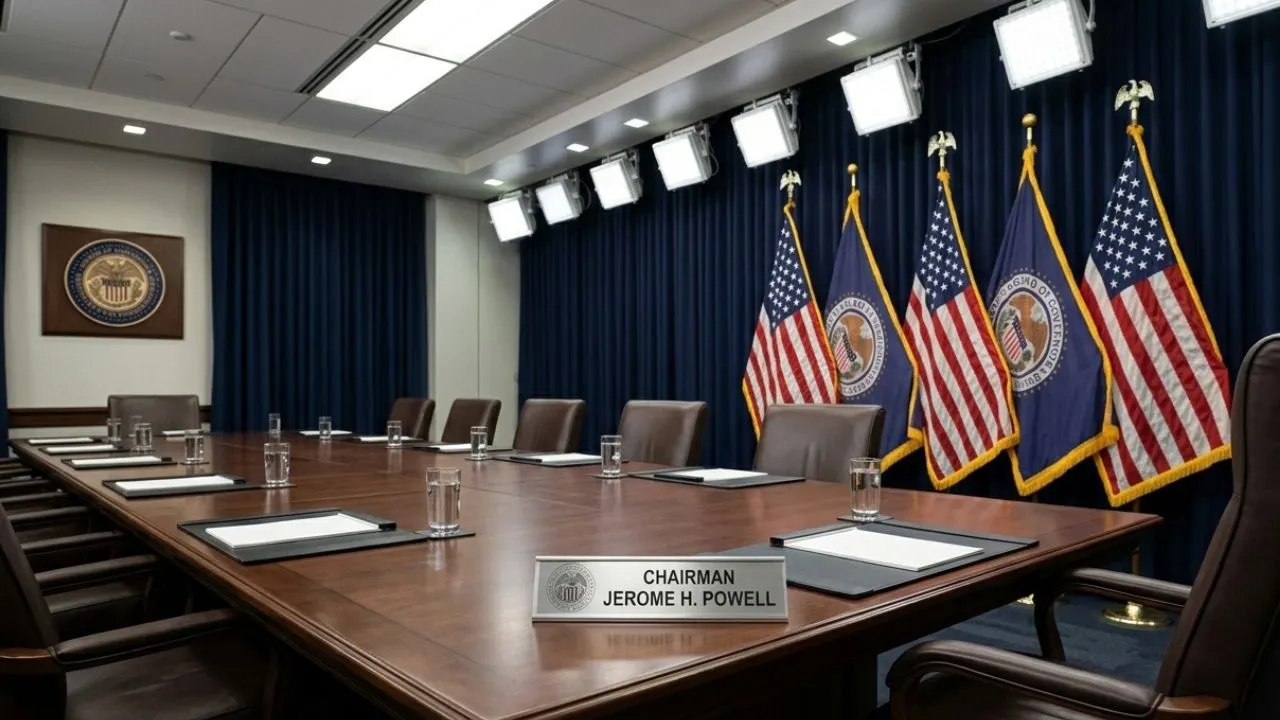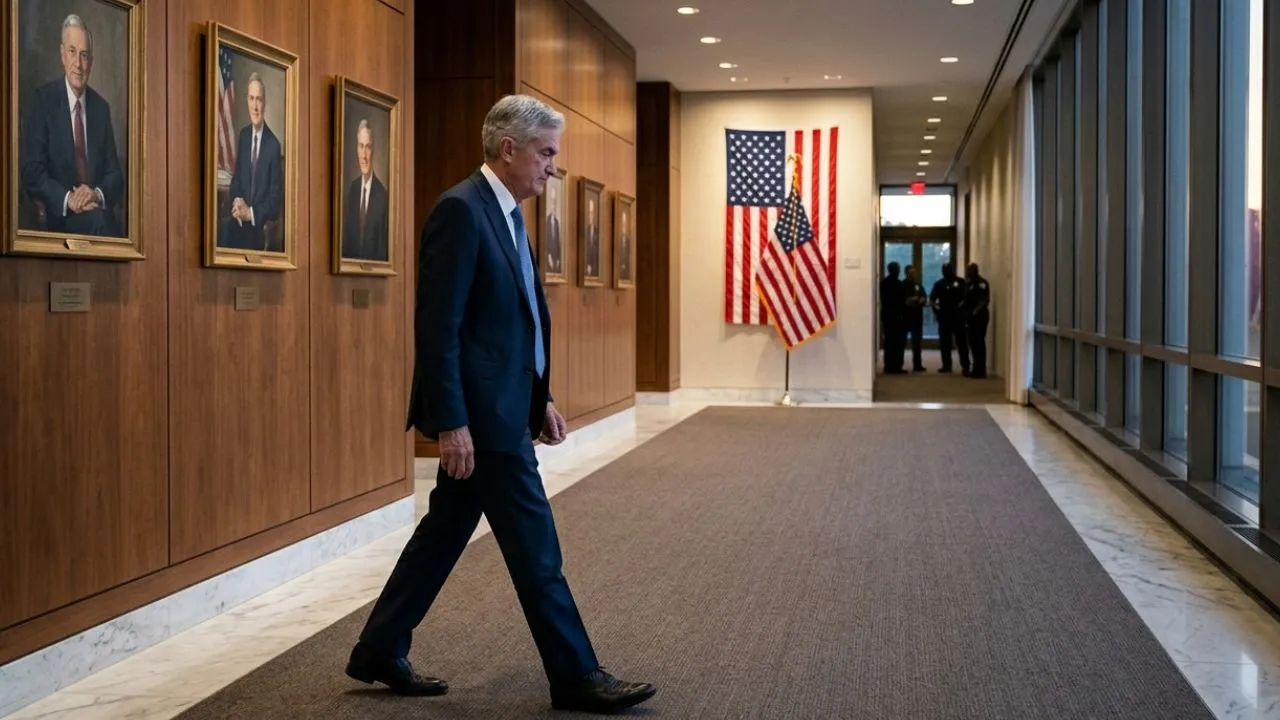

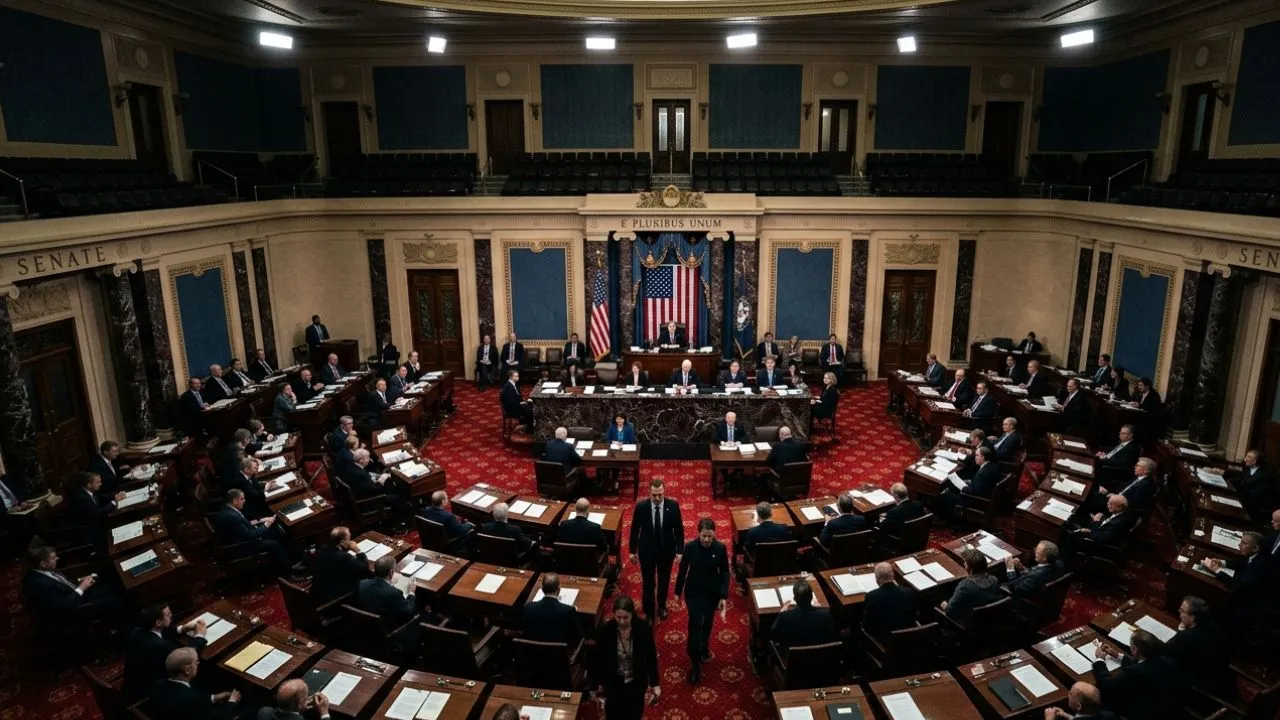
The Senate is expected to hold a confirmation vote on Kevin Warsh as Federal Reserve Chair the week of May 11, 2026. If confirmed before May 15, Warsh will chair the June 16 to 17 FOMC meeting where the Fed decides whether to cut, hold, or raise interest rates. Powell’s term expires May 15.
Republicans hold a 53-seat majority. Senator John Fetterman has publicly stated he will vote yes. The Senate is still expected to vote on Kevin Warsh this week after no floor action was scheduled before Monday night adjournment, keeping markets focused on whether a new Fed chair will be in place before May 15. If confirmed before May 15, Warsh would lead the June 16 to 17 FOMC meeting.
The Federal Reserve Chair does not directly set interest rates unilaterally. Policy decisions are made collectively by the Federal Open Market Committee (FOMC), but the Chair plays a decisive role in setting agenda direction, guiding consensus, and shaping forward guidance that markets use to price future rate expectations.
Jerome Powell’s term expires May 15, 2026. If the confirmation vote timeline moves fast enough, Warsh chairs the June 16 to 17 FOMC meeting. That meeting is the first realistic window for a rate cut in 2026.
What the Senate Vote Means for Rates Right Now
The Senate Banking Committee advanced Warsh’s nomination on April 29, 2026, in a 13 to 11 party-line vote. Republicans hold 53 Senate seats, giving Warsh a clear path to confirmation with a simple majority. Senator John Fetterman of Pennsylvania, a Democrat, has publicly confirmed he will vote for Warsh, adding a bipartisan cushion that makes the outcome near certain.
The Bureau of the Fiscal Service and the Federal Reserve operate independently, but whoever chairs the Fed sets the rate environment that determines what Americans earn on savings, pay on mortgages, and face on auto loans.
Federal Reserve Policy
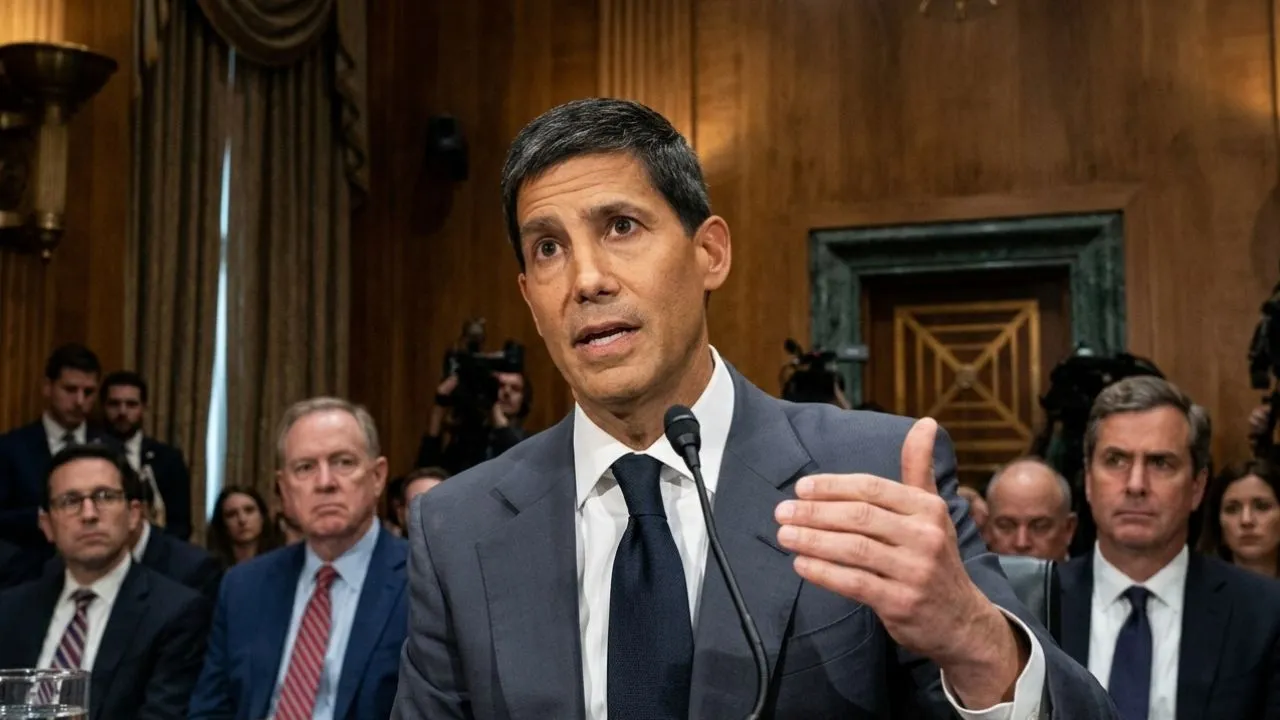
Kevin Warsh Is Days From Running the Fed — What Changes Next
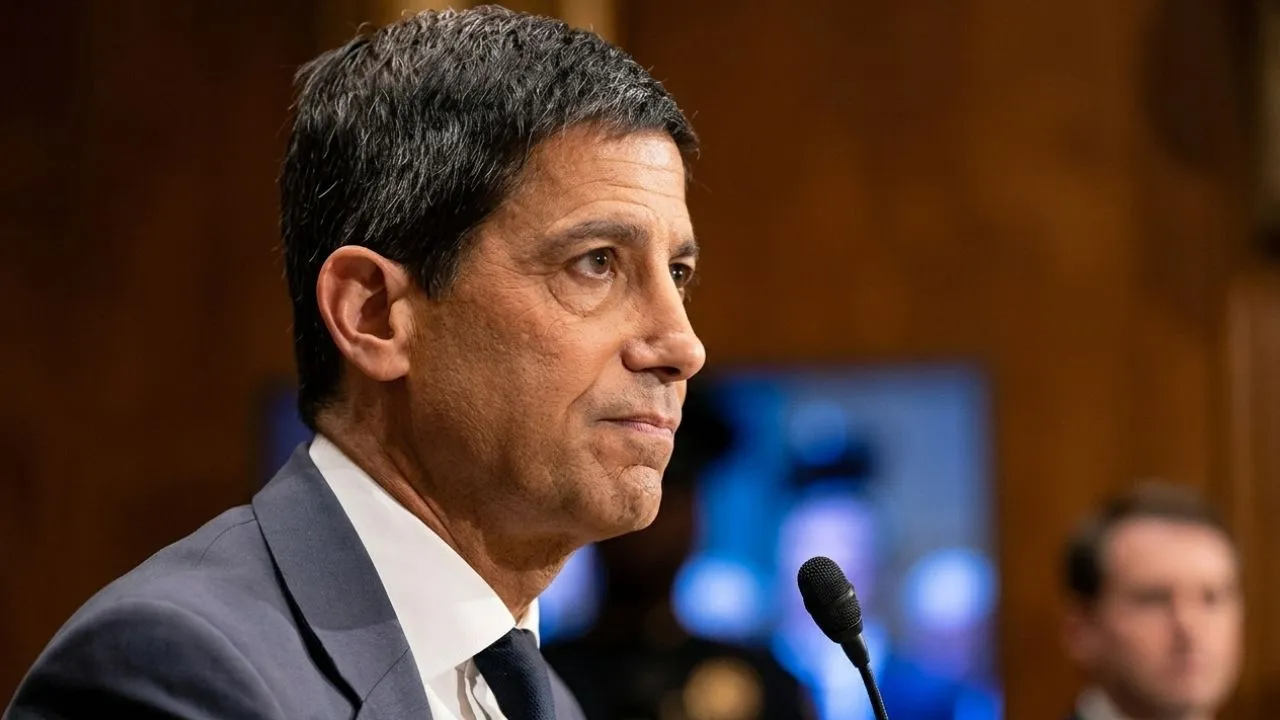
Kevin Warsh Is One Vote Away — What Changes for Your Rates
Warsh addressed the central fear directly during his Senate Banking Committee testimony on April 21, 2026. He stated: “The president never asked me to predetermine, commit, fix, decide on any interest rate decision.”
That statement matters because it is the only public commitment Warsh has made on Fed independence before a Senate vote. He also confirmed he would chair the May FOMC decision cycle at June 16 to 17 if confirmed before May 15. The June meeting is the first FOMC session where economic data since the February slowdown would be fully incorporated into a rate decision.
What Changes on May 15 If Warsh Is Confirmed
Powell’s chairmanship ends on May 15. On that date, without a confirmed successor, the Fed enters a transition period with the existing Board of Governors holding authority. Warsh’s confirmation before May 15 eliminates that gap entirely.
The Federal Reserve’s June FOMC calendar shows the June 16 to 17 meeting as the next scheduled rate decision. Warsh chairing that meeting versus a transitional Board holding pattern produces meaningfully different market signals.
The difference matters to anyone holding a variable-rate mortgage, a CD maturing this summer, or a savings account tied to the federal funds rate. The savings rate impact of a new Fed Chair depends almost entirely on whether the chair signals rate cuts, holds, or surprises with a hike. Warsh has a historical reputation as an inflation hawk.
Markets typically reprice rate expectations based on perceived Chair policy stance within days of confirmation signals, particularly through Treasury yields, Fed funds futures, and banking sector forward guidance.
Fed-watchers are increasingly treating the Senate confirmation process, the May 20 FOMC minutes, and the June policy meeting as one connected sequence likely to shape Treasury yields and borrowing costs through summer 2026. Follow the latest Senate floor vote developments and potential rate changes ahead.
His 2011 dissent against Fed bond-buying programs is the most-cited evidence of that positioning. Whether that posture holds in 2026’s different inflation environment remains the central unknown that the June FOMC will begin to answer.
What Happens Between Now and the Vote
The Senate floor schedule for the week of May 11 is controlled by Majority Leader John Thune. The vote requires only a simple majority and no procedural obstacles have been confirmed as of publication.
The Senate hearing record from the Banking Committee shows no unresolved holds or formal objections beyond the 11 opposing committee votes. The current composition of the Fed Board members means Warsh would step into a functioning institutional structure rather than a vacant leadership position.
The money movement system underlying every American’s paycheck, refund, and benefit payment runs through Federal Reserve infrastructure. The person chairing the Fed sets the cost of money flowing through that system. This week’s vote is not abstract monetary policy news. It is the decision that sets the rate environment for the rest of 2026.
What This Means
- Watch for the Senate floor vote announcement the week of May 11. The vote could occur any day Monday through Friday.
- If you hold a variable-rate mortgage, HELOC, or CD maturing before September 2026, monitor the June 16 to 17 FOMC meeting date as the first signal of Warsh’s rate direction.
- If you hold a high-yield savings account, the federal funds rate set at or after the June meeting determines your yield for the second half of 2026.
- Check the Federal Reserve’s official FOMC calendar for real-time meeting updates after confirmation.