
Bitcoin climbed above $85,000 on Monday and later traded around $86,000, reaching its highest level since January as the cryptocurrency extended a sharp recovery and shares of several crypto-linked companies rose with it.
Bitcoin was around $86,000 during Monday’s U.S. session, roughly 6% above its level Friday afternoon, according to market data reported by The Wall Street Journal. Earlier Monday, it had crossed $85,000 for the first time in about eight months.
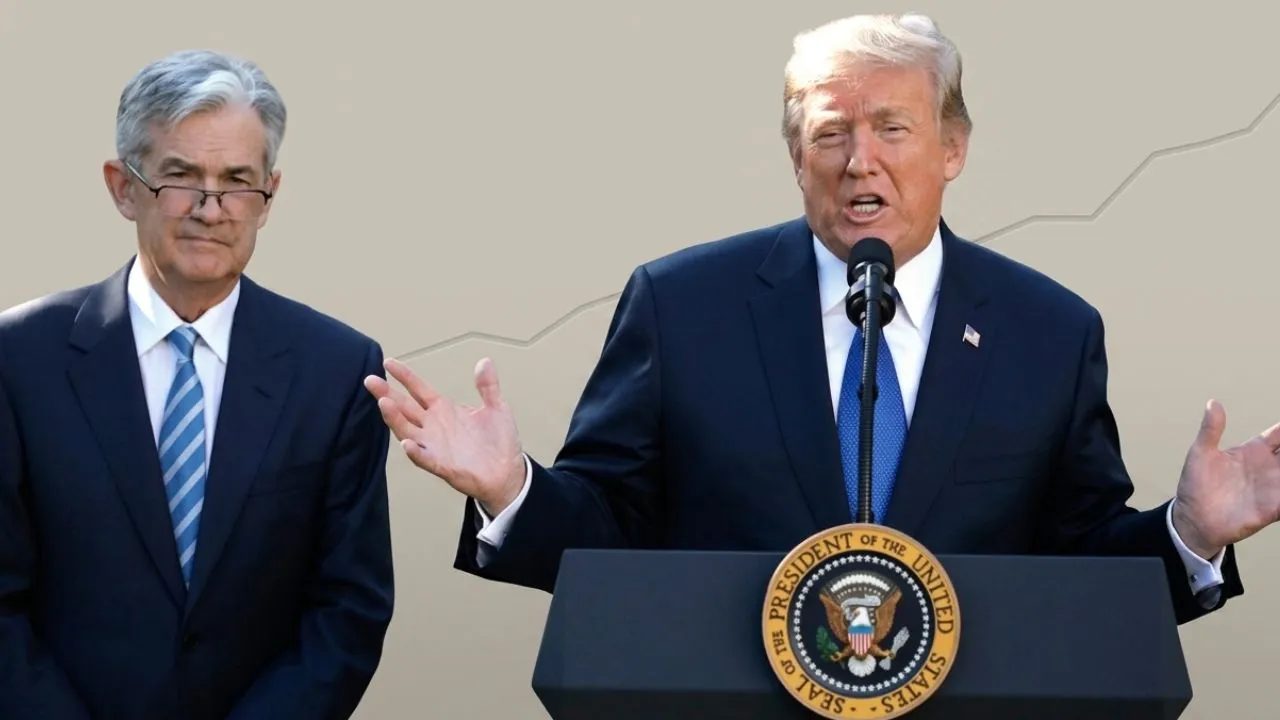
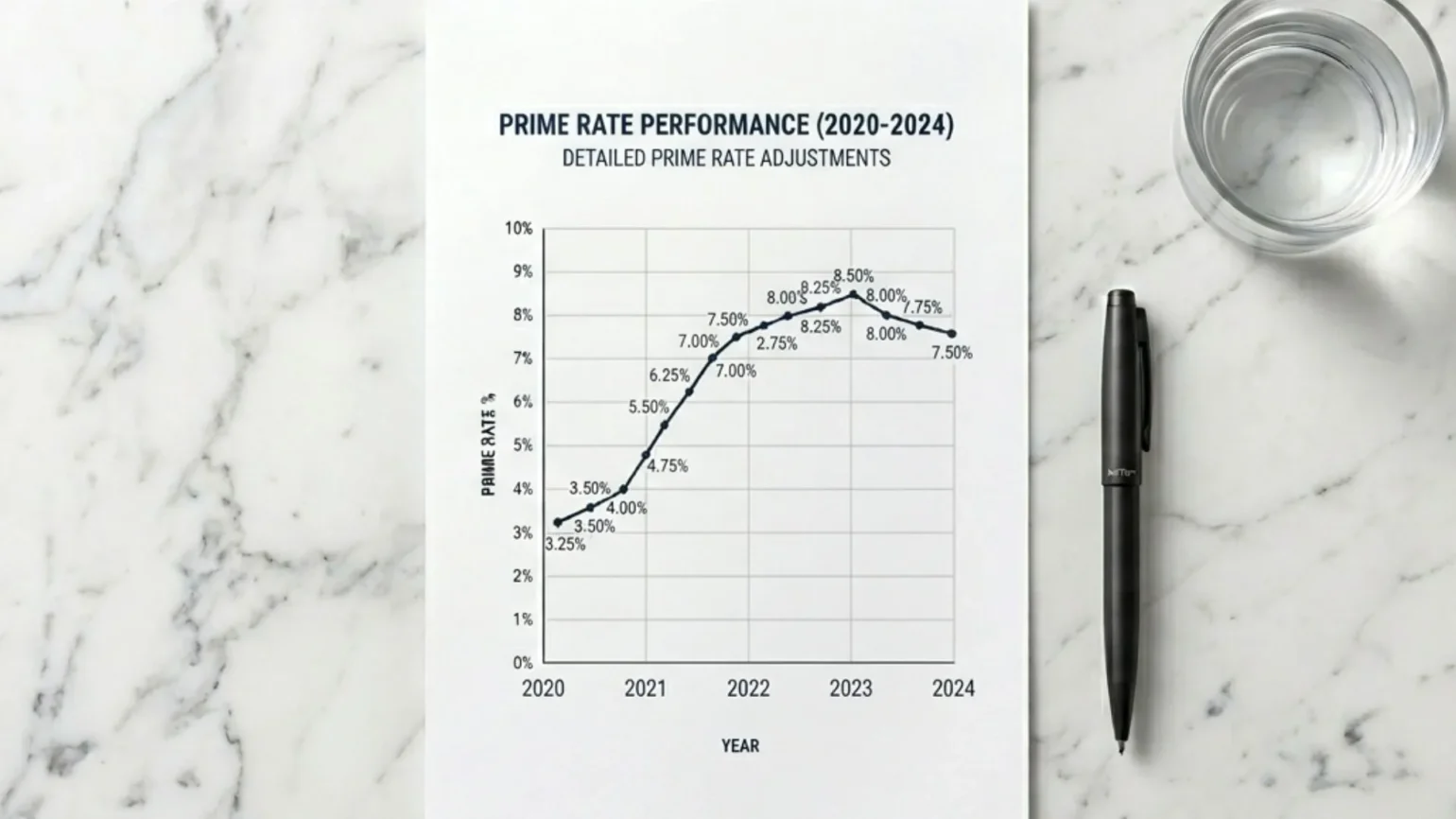
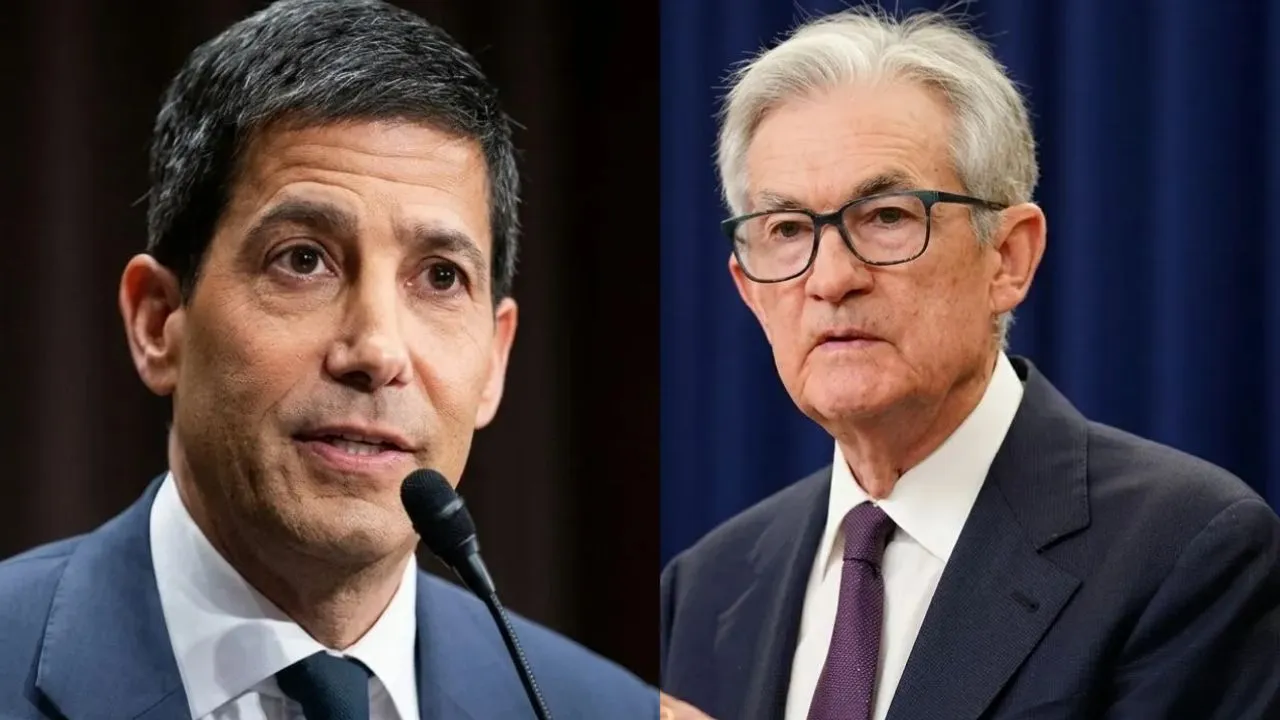
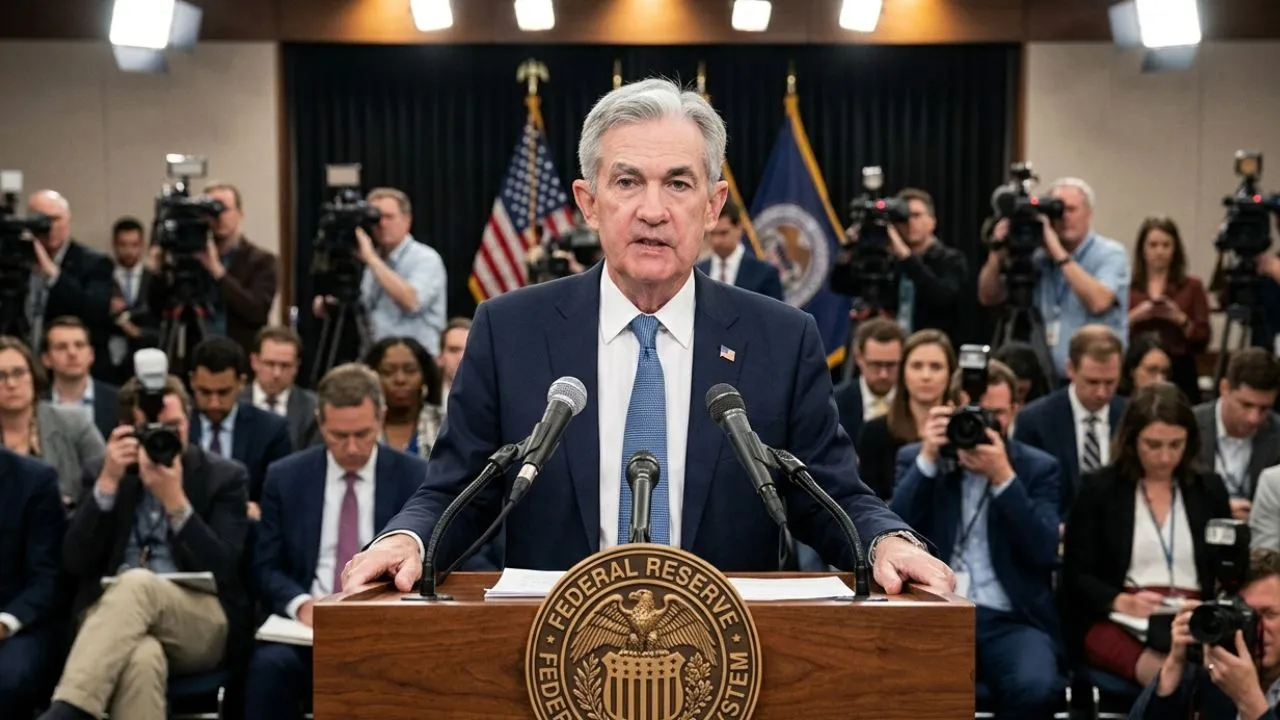
The move marks a significant rebound from below $76,000 last week. It also came after the Federal Reserve raised its target range for the federal funds rate by 25 basis points to 3.75%–4.00% on Sept. 16, the first increase since 2023.
The Fed said inflation remained elevated while economic activity continued to expand at a solid pace. Investozora covered the decision in its report on the Federal Reserve’s September rate increase.
Bitcoin’s advance coincided with a broader improvement in risk assets Monday. Reuters reported Bitcoin up about 6.3% during the session as U.S. equities advanced and oil prices and Treasury yields retreated. The move followed a period in which higher bond yields had weighed on financial markets.
The Treasury’s latest published daily curve showed the 10-year Treasury yield at 5.01% on Sept. 18, after reaching 5.01% following the Fed meeting on Sept. 16. Monday’s market trading subsequently pushed the yield back below 5%, according to market reports.
Crypto-linked stocks participated in the rally. Strategy shares gained roughly 8%, while Coinbase rose about 5% in Monday trading, according to Investopedia. MarketWatch separately reported Coinbase up about 5.6% and Strategy up 7.7% during the session.
The stock moves should not be attributed solely to Bitcoin. Coinbase also announced an expansion into IPO access, while the crypto sector was assessing a significant regulatory development from the Securities and Exchange Commission.
On Sept. 17, the SEC granted temporary, conditional exemptions allowing qualifying venues to facilitate trading in certain tokenized U.S.-listed stocks through permissioned on-chain systems. The exemption is set to last five years, subject to conditions covering areas including investor protections, trading limits and transparency.
That regulatory action occurred after the failure of broader crypto market-structure legislation to advance in Congress. The timing has contributed to renewed discussion among investors about the regulatory path for digital assets, but the evidence does not establish the SEC decision as the sole cause of Bitcoin’s rally.
The next test extends beyond crypto. Investors are watching the Sept. 24 state visit by Chinese President Xi Jinping to Washington, which the White House officially confirmed Monday.
Changes in broader risk sentiment, Treasury yields and institutional crypto flows could determine whether Bitcoin can hold its newly recovered levels. For broader market context, see Investozora’s coverage of the Nasdaq and AI-stock rebound and its recent report on the Dow and the 10-year Treasury yield.