The U.S. dollar climbed to a two-week high on Monday as another jump in oil prices, persistent U.S. inflation and rising expectations for a Federal Reserve interest-rate increase pushed investors back toward the greenback.
The dollar index, which measures the U.S. currency against a basket of major peers, rose nearly 0.4% during September 14 trading, according to Reuters. The move came as Brent crude climbed above $108 a barrel and financial markets priced roughly a 90% probability that the Federal Reserve will raise its benchmark rate by a quarter percentage point this week.
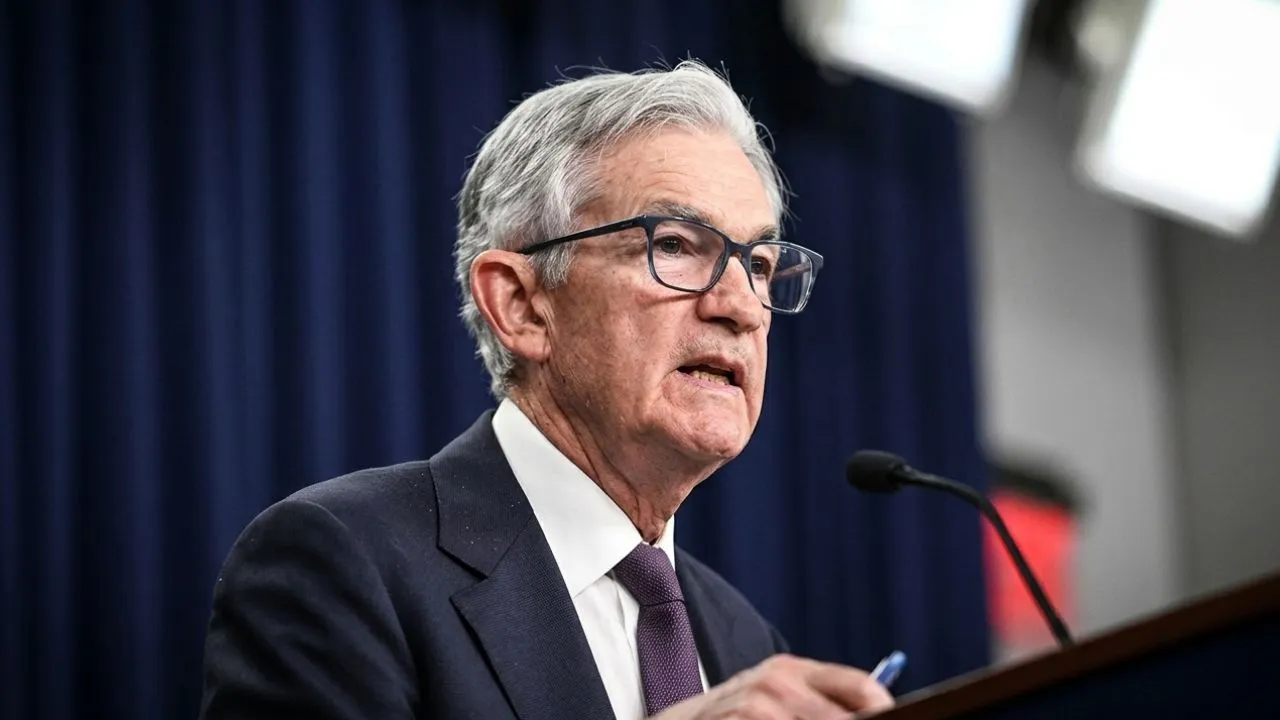
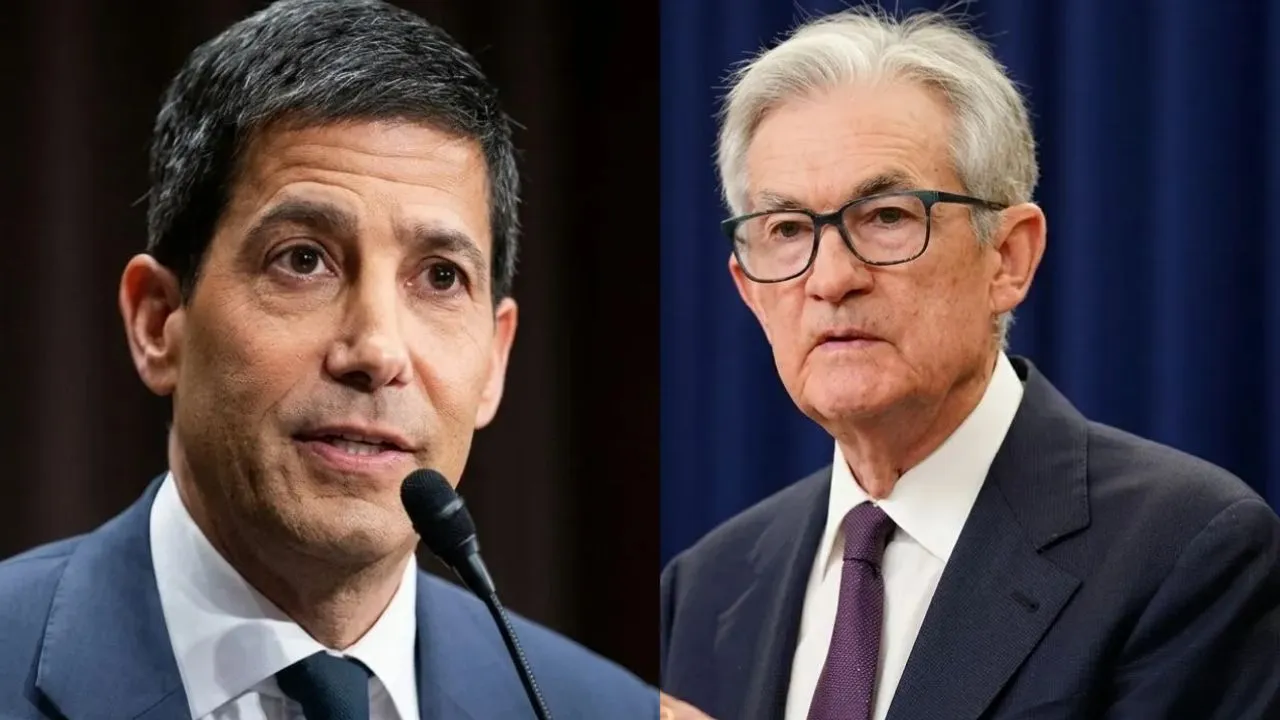
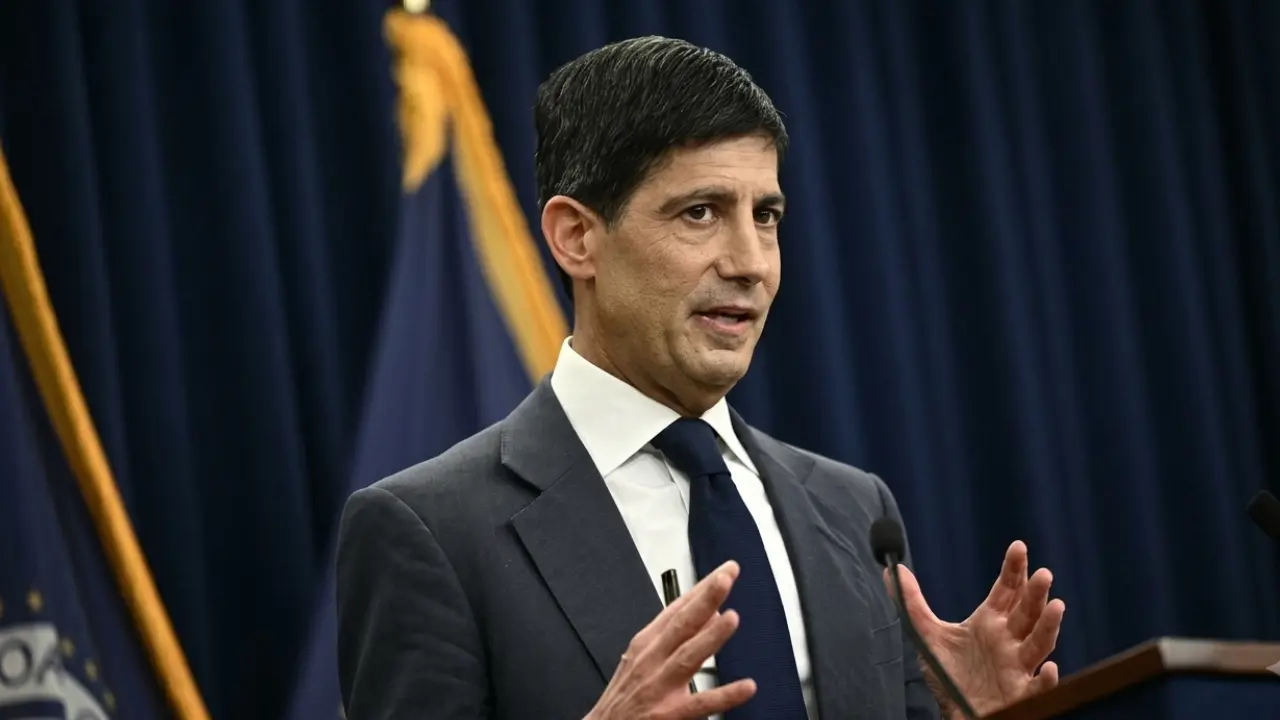
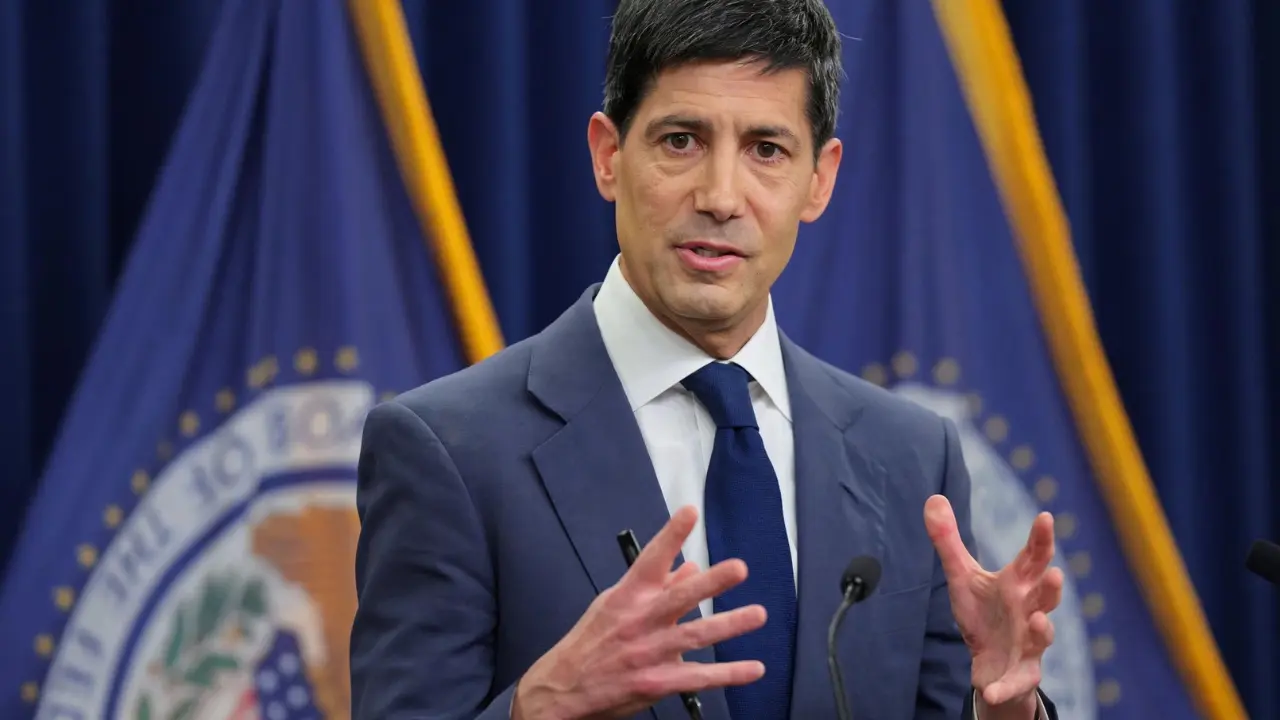
That does not mean a Fed rate increase has been decided. The Federal Reserve’s official September calendar shows that policymakers meet September 15–16, with the policy statement scheduled for 2 p.m. ET Wednesday and Chair Kevin Warsh’s press conference at 2:30 p.m. ET. Until that statement is released, the roughly 90% figure represents market expectations rather than an official Federal Reserve decision.
What changed Monday was the combination of a stronger dollar, another oil-price shock and a market that has moved much closer to expecting higher U.S. rates. Less than two weeks ago, Investozora reported that September Fed rate-hike odds had reached roughly 67% while Brent remained above $90. By Monday, reported market pricing was near 90%. That is an increase of about 23 percentage points in the implied probability since September 3.
Oil has moved sharply as well. Brent reached as high as $97.39 in Investozora’s September 3 market snapshot. A move from that level to roughly $108 represents an increase of about 10.9%, based on an Investozora calculation using those two market observations. The latest oil pressure is no longer based only on a general fear that fighting in the Middle East could disrupt supply.
Saudi Arabia’s Ministry of Energy said its East–West Pipeline was subjected to multiple attacks on September 10 and was shut down as a precaution while emergency and technical teams assessed the system.
The ministry’s statement, published by the official Saudi Press Agency, said injuries occurred and that further developments would be announced. The Saudi Ministry of Energy statement on the East–West Pipeline shutdown provides the primary confirmation of the disruption.
Saudi Arabia’s Foreign Ministry later said several drones involved in the attack came from Iraq and that the strikes caused injuries and damage that was being addressed. For currency markets, higher oil creates two separate pressures.
First, expensive energy can worsen inflation. Second, serious geopolitical and market stress can increase demand for the dollar as investors seek liquid U.S. assets. Those forces are now operating at the same time that U.S. economic data have strengthened the case for tighter monetary policy.
The Bureau of Labor Statistics’ August Consumer Price Index report showed consumer prices rising 0.4% in August after a 0.1% increase in July. Prices were 3.4% higher than a year earlier. Gasoline alone rose 3.9% during the month and accounted for more than one-third of the overall monthly CPI increase.
Wholesale inflation also strengthened. The August Producer Price Index report showed final-demand prices rising 0.4% during the month and 5.4% over the previous 12 months. Final-demand goods prices increased 1.1%.
The labor market has meanwhile given the Fed more room to focus on inflation than it appeared to have only a few weeks ago. The August employment report from the Bureau of Labor Statistics showed nonfarm payrolls increasing by 162,000 while the unemployment rate remained at 4.1%.
Together, those releases changed the balance of risks confronting policymakers. Inflation remained well above the Fed’s 2% goal, producer prices accelerated and employment continued to expand. The Federal Reserve itself has not promised a hike.
At its previous meeting on July 29, the Federal Open Market Committee maintained the federal funds target range at 3.50% to 3.75%. But the vote was 9–3, with Beth Hammack, Neel Kashkari and Lorie Logan preferring an immediate quarter-point increase. The Fed’s July policy statement also said inflation remained elevated relative to the central bank’s 2% objective.
If policymakers raise the rate by 25 basis points Wednesday, the target range would move from 3.50%–3.75% to 3.75%–4.00%. That is simple arithmetic based on the current official target range; it is not a Federal Reserve forecast. Monday’s dollar move therefore matters because currency traders are reacting to a policy environment that has changed quickly.
Earlier this month, investors were still debating whether inflation and the labor market would give the Fed enough reason to tighten. After the August jobs report, producer-price data, consumer inflation report and renewed oil disruption, a hike is now the dominant market expectation.
A Reuters poll published Monday found that 85% of economists surveyed expected a quarter-point increase this week. Market futures separately indicated close to a 90% probability of a hike. Those are two different measures—economist forecasts and market pricing and neither should be treated as the Fed’s decision.
Several major banks have also changed their forecasts. Reuters reported Monday that Goldman Sachs, JPMorgan, HSBC and Deutsche Bank were among institutions now expecting a quarter-point September increase after the latest inflation data and rise in energy prices. That helps explain why the dollar can strengthen even while the oil shock creates risks for the U.S. economy.
Higher expected U.S. interest rates can increase the relative return available on dollar-denominated assets. At the same time, geopolitical stress can increase safe-haven demand for the currency. Neither relationship is automatic, and exchange rates also respond to expectations for central banks outside the United States.
For American households, the dollar itself is not the main immediate issue. The more important question is whether Wednesday’s Fed decision confirms the tighter rate path markets are now expecting.
Investozora’s recent analysis of Kevin Warsh’s September Fed test explains why oil, inflation and the labor market have made this meeting unusually difficult. A higher policy rate could support yields on some savings products, but it could also keep pressure on credit-card rates, business financing and other borrowing costs.
Longer-term borrowing costs such as mortgage rates do not move mechanically with the federal funds rate. They are influenced heavily by Treasury yields, inflation expectations and financial conditions.
The most important development to watch now is therefore the Fed’s September 16 statement rather than the current 90% market probability. A quarter-point increase would confirm what markets have largely priced in. A hold would be a significant surprise and could quickly reverse some of the recent movement in the dollar, Treasury yields and rate expectations.
Oil remains the other major variable. If Saudi pipeline operations normalize and geopolitical risk eases, some of the inflation and safe-haven pressure supporting the dollar could fade. If oil remains above $100 or supply disruptions worsen, markets may continue to reassess how much tightening the Federal Reserve will ultimately need.
For now, one distinction remains essential: the dollar has already moved, oil has already risen and market expectations have already changed. The Federal Reserve’s decision has not.