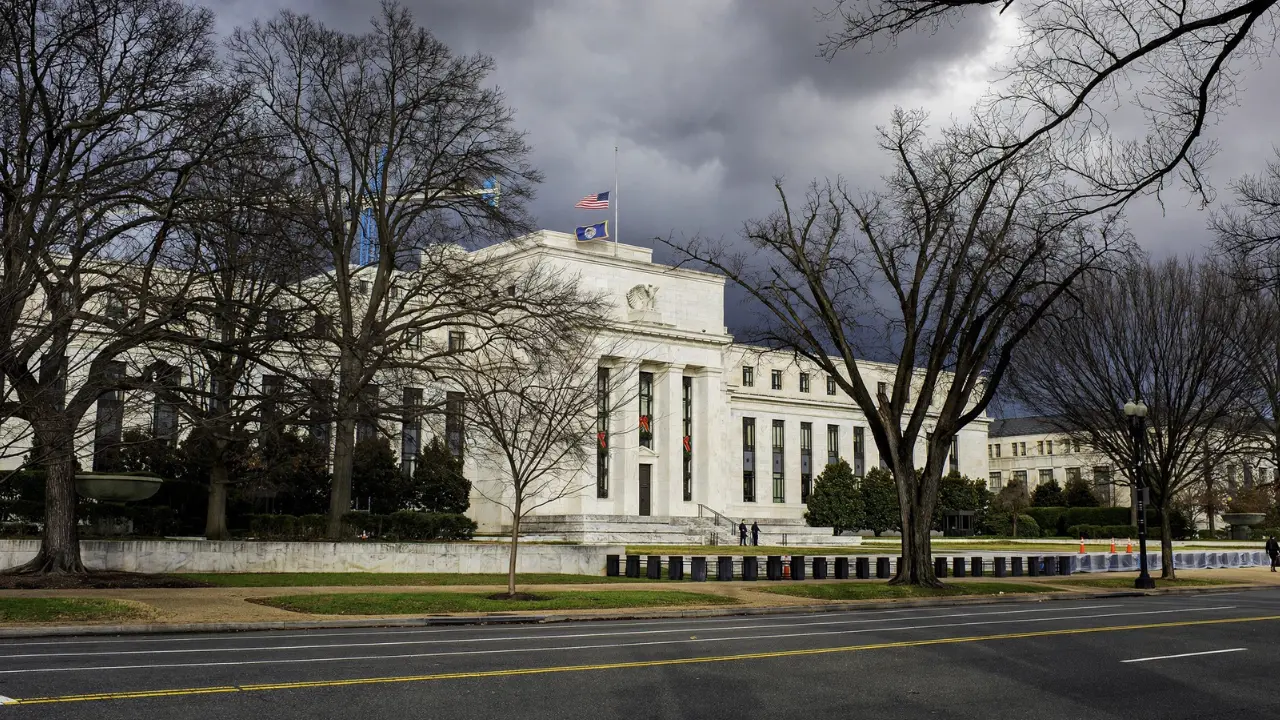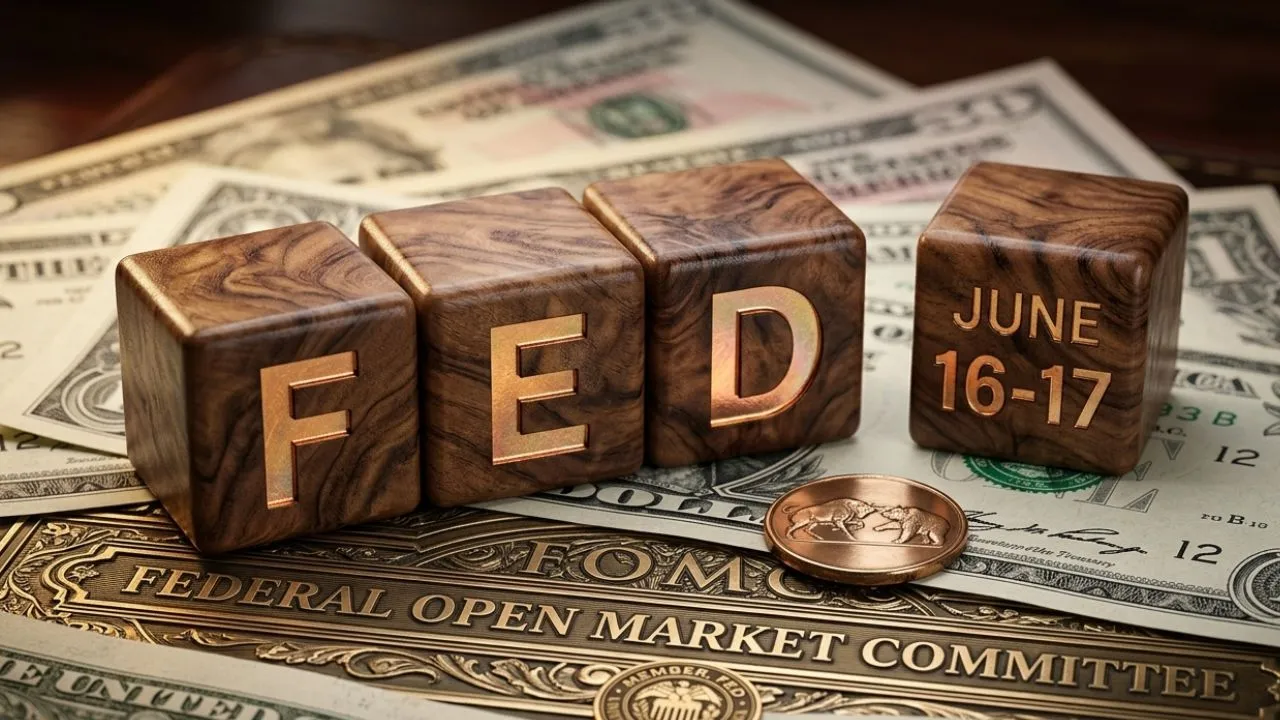

The federal funds rate remains at 3.50% to 3.75%, unchanged since the Fed’s June 16–17 meeting. The next FOMC decision is scheduled for July 28–29, 2026.
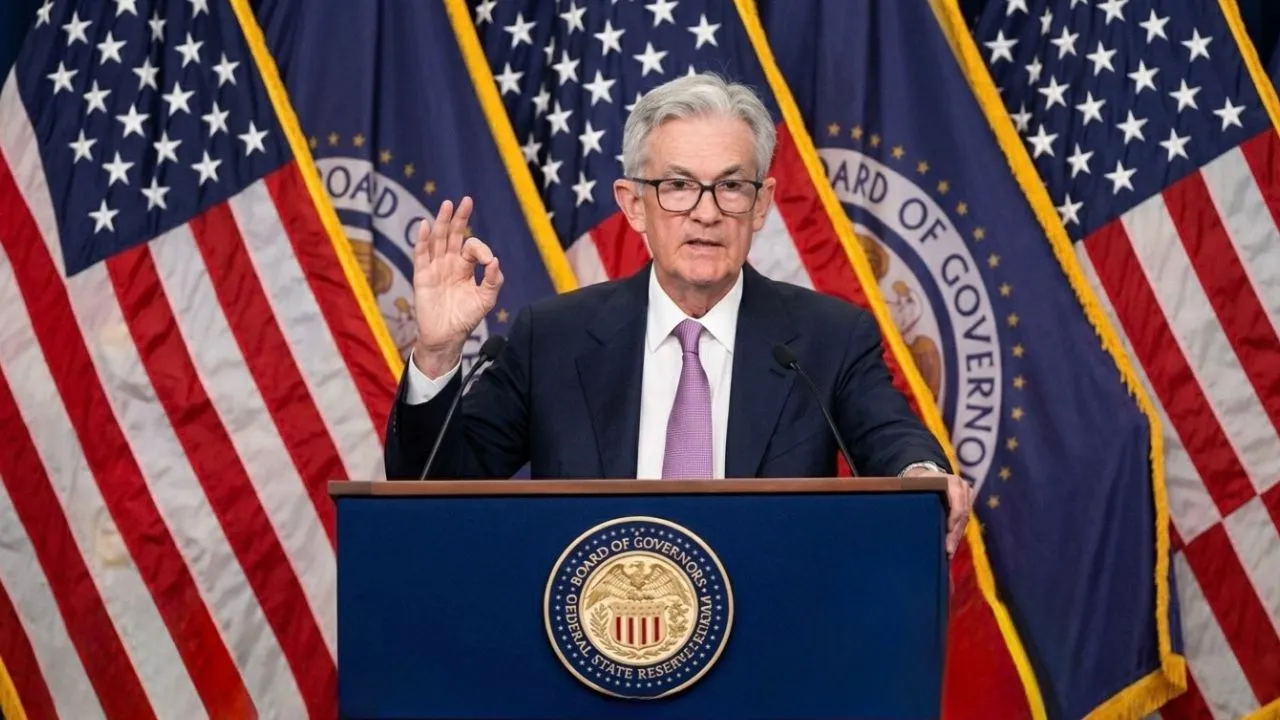
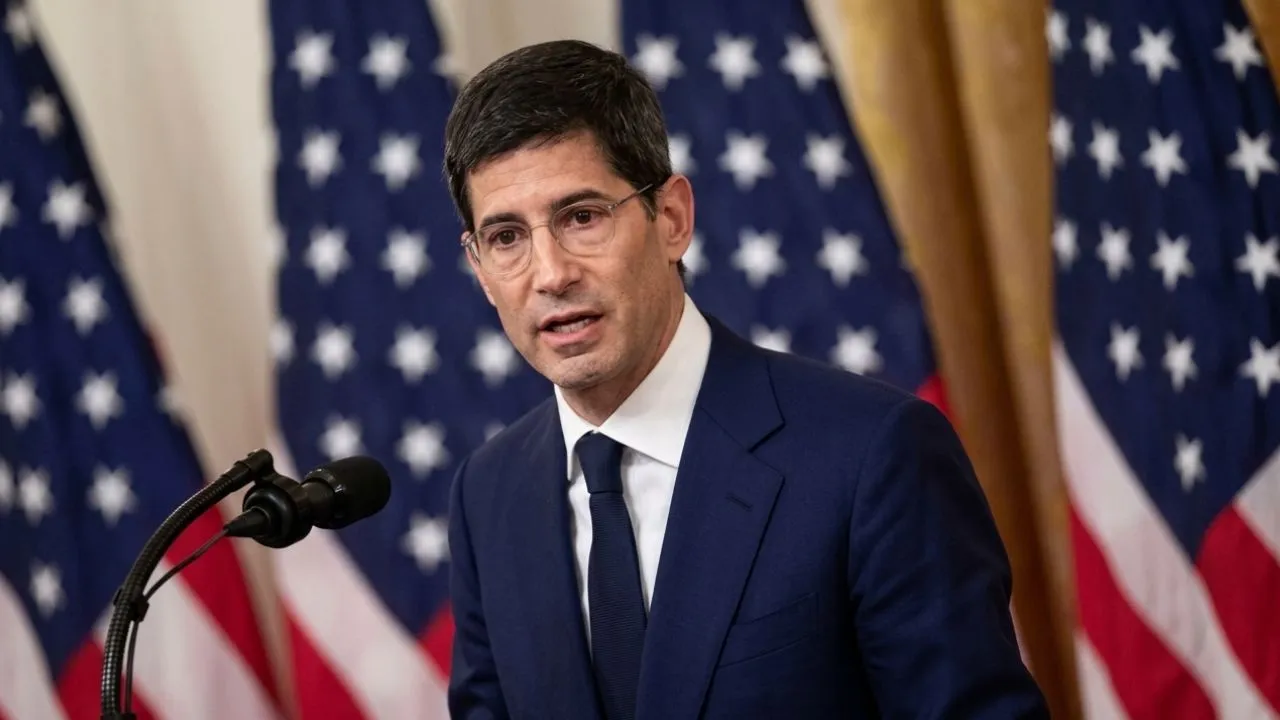
The Federal Reserve held its benchmark interest rate steady at 3.50% to 3.75% on June 17, the fourth consecutive meeting without a change and the first policy decision under new Chairman Kevin Warsh.
The vote was unanimous, a shift from the prior meeting, which saw four dissents. For anyone tracking a savings account yield or a credit card APR, the headline number did not move. What moved is the signal sitting underneath it, and that signal is worth taking seriously.
What the Fed actually said
The Fed’s policy statement described economic activity as expanding at a solid pace despite elevated uncertainty tied partly to the Middle East conflict, and it noted that job gains have kept pace with the workforce.
This is part of how the federal reserve policy process works in practice: language changes before rates do. Chairman Warsh, in his first press conference, called the statement deliberately short, saying he preferred to let the committee’s own words stand rather than adding extensive forward guidance.
He was direct about the inflation picture, telling reporters that persistently high prices are a burden for the American people and that the committee intends to deliver on price stability. You can read the full statement directly at federalreserve.gov, rather than relying on secondhand summaries.
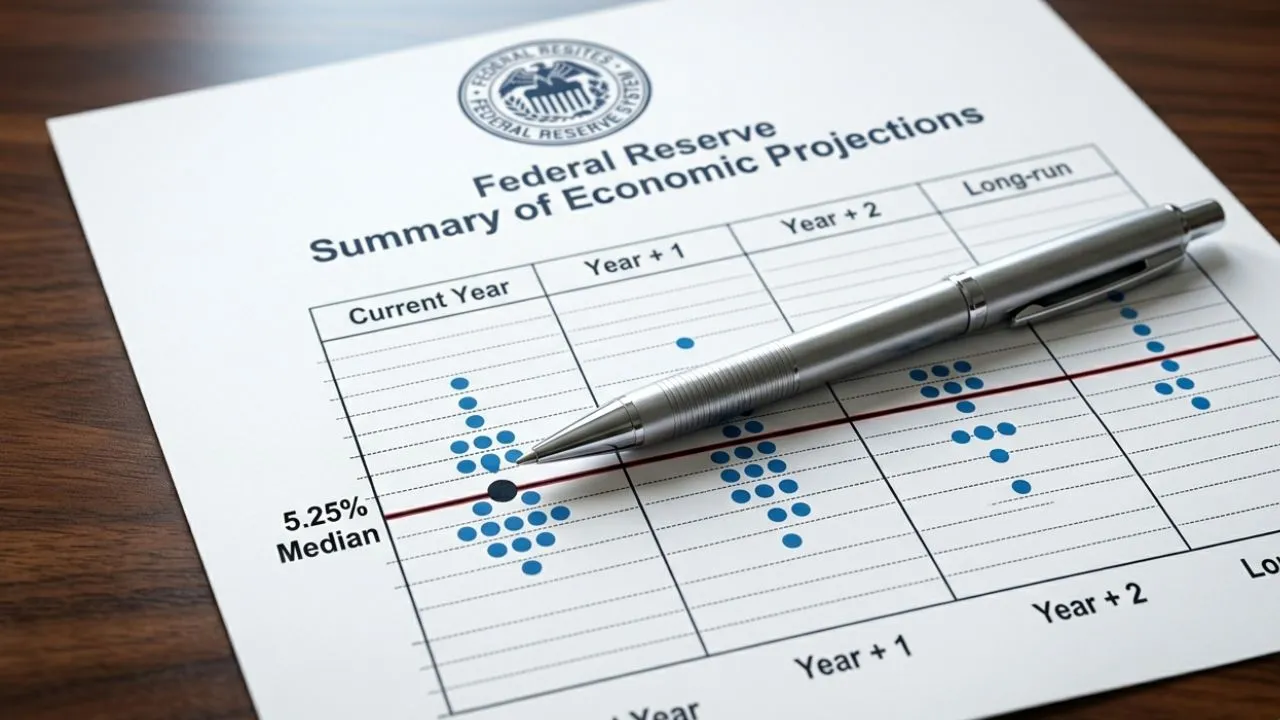
Behind that calm language sits a real shift in expectations. The Fed’s quarterly projections, released the same day, showed nine of nineteen policymakers now favoring at least one rate hike before year-end, with six backing two separate quarter-point increases.
In March, no policymaker had projected a hike at all, and the committee as a whole had penciled in a cut for 2026. That reversal happened because inflation has not cooperated.
The Personal Consumption Expenditures index, the Fed’s preferred gauge, rose 4.1% year over year in May, with core PCE at 3.4%, according to data published by the Bureau of Economic Analysis. The Consumer Price Index came in even higher, at 4.2% year over year, the fastest pace in three years, per the Bureau of Labor Statistics.
Why the market reaction was bigger than the decision itself
Because the federal funds rate itself did not move, the immediate reaction wasn’t about the rate. It was about the dot plot and Warsh’s tone. Following the press conference, traders priced in a better-than-90% chance of a rate hike by October, and the 10-year Treasury yield jumped to nearly 4.5% within hours, a level that flows directly into mortgage pricing.
Stocks sold off modestly across the S&P 500, the Nasdaq, and the Dow, reflecting a broader repricing of how long borrowing costs are likely to stay elevated. This is the kind of move that shows up in treasury yields impact on everyday borrowing costs well before any actual policy change takes effect.
Warsh also used the meeting to formally announce five internal task forces reviewing Fed communications, its balance sheet, and the data tools it uses to assess the economy.
He has been openly critical of how much weight the Fed places on conventional government data releases, telling an ECB forum audience in early July that he wants the central bank using more real-time tools within nine to twelve months.
That is a structural shift in how the Fed thinks about evidence, separate from the rate decision itself, and it is worth watching independently of any single meeting’s outcome.
What this means for your money right now
Because the rate itself held steady, nothing changes immediately for existing credit card balances, adjustable-rate loans, or savings yields already tied to it. What changed is the market’s read on where rates go next, and that read has shifted meaningfully hawkish.
A rate hike later this year, if it happens, would not lower borrowing costs. It would likely push new auto loans, adjustable mortgages, and revolving credit higher, while offering savers and CD holders somewhat better yields in exchange.
None of that is locked in. It’s a shift in probability tied to incoming data, not a confirmed path, and Warsh has been explicit that the July 28–29 and September meetings will hinge on inflation prints rather than a predetermined plan. For a full look at the upcoming calendar, see the fomc meeting schedule.
There is also a slower-moving effect worth understanding. Every time the Fed holds or raises rates, that decision moves through the fedwire ach liquidity system that ultimately settles payments between banks, which is part of why changes in Fed policy take days, not hours, to show up fully in consumer rates on new products.
If you carry variable-rate debt, this is a reasonable moment to check whether refinancing into a fixed rate makes sense before borrowing costs potentially rise further. If you’re holding cash in a high-yield savings account or CD, current yields already reflect a higher-for-longer environment, so there’s no urgency to chase a marginally better rate elsewhere.
Anyone with an adjustable-rate mortgage resetting in the next twelve months should model both a flat-rate and a modestly higher-rate scenario rather than assuming today’s payment holds through the reset.
Methodology: This article combines the Federal Reserve’s June 2026 FOMC statement and Summary of Economic Projections with Bureau of Economic Analysis PCE data and Bureau of Labor Statistics CPI data for May 2026, independently reviewed as of publication.