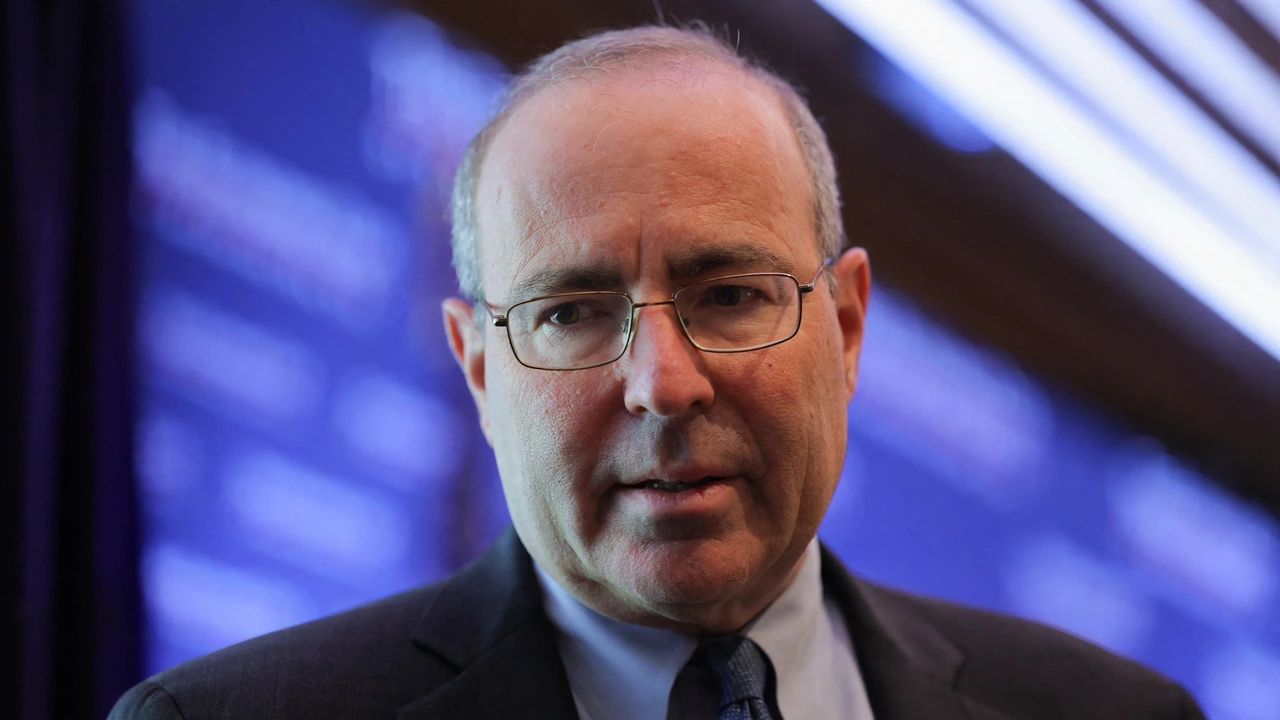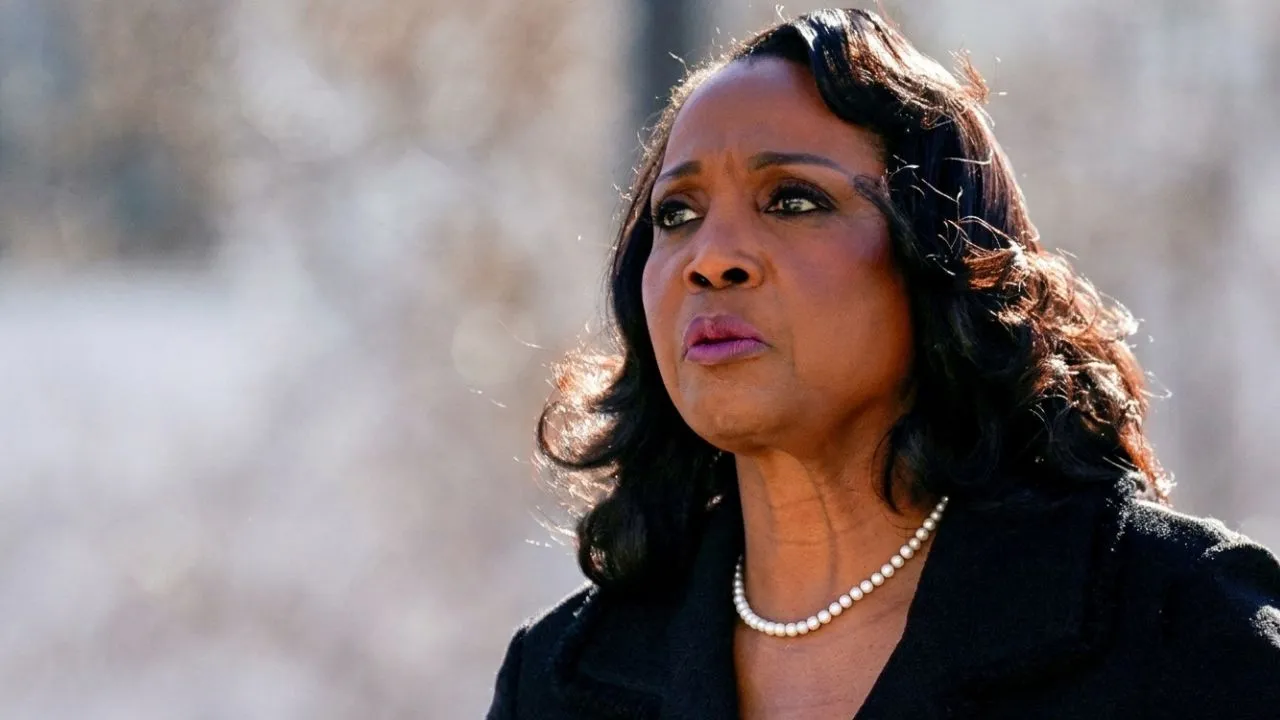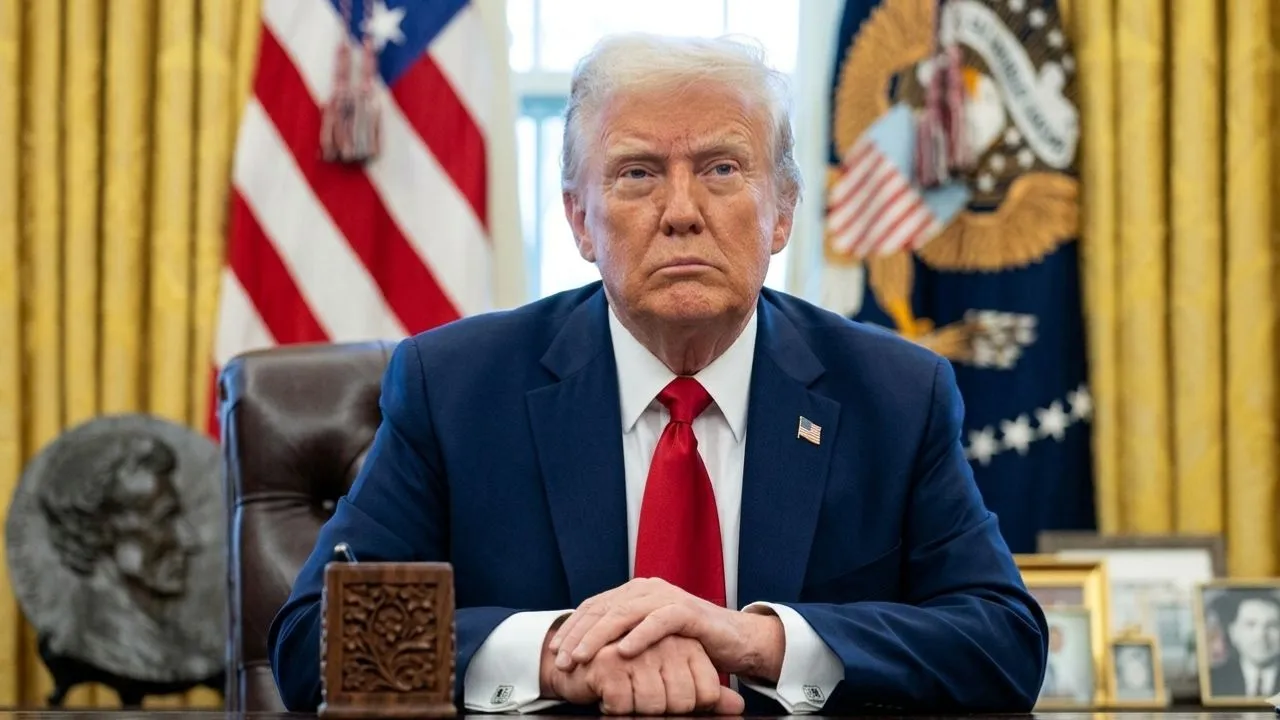

The Federal Reserve announced the leadership of five task forces on July 9, 2026, naming outside co-leaders including venture capitalist Marc Andreessen, former Walmart CEO Doug McMillon, and former Bank of England Governor Mervyn King.
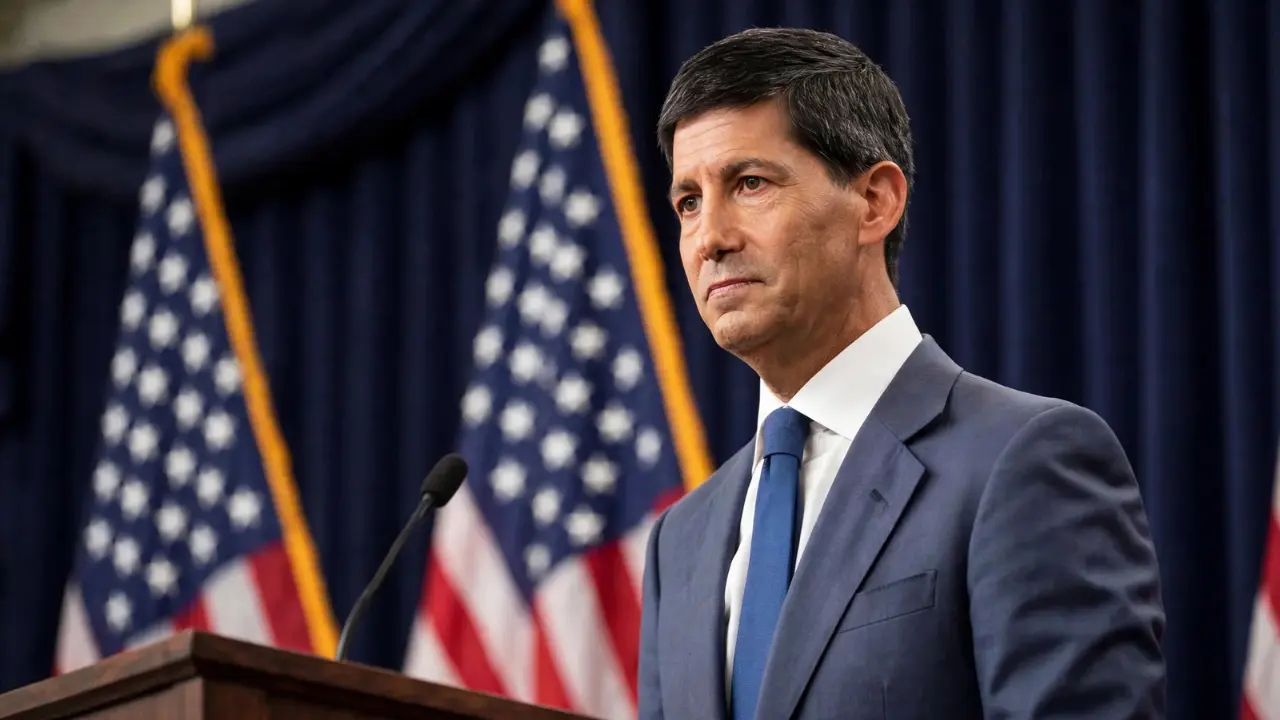
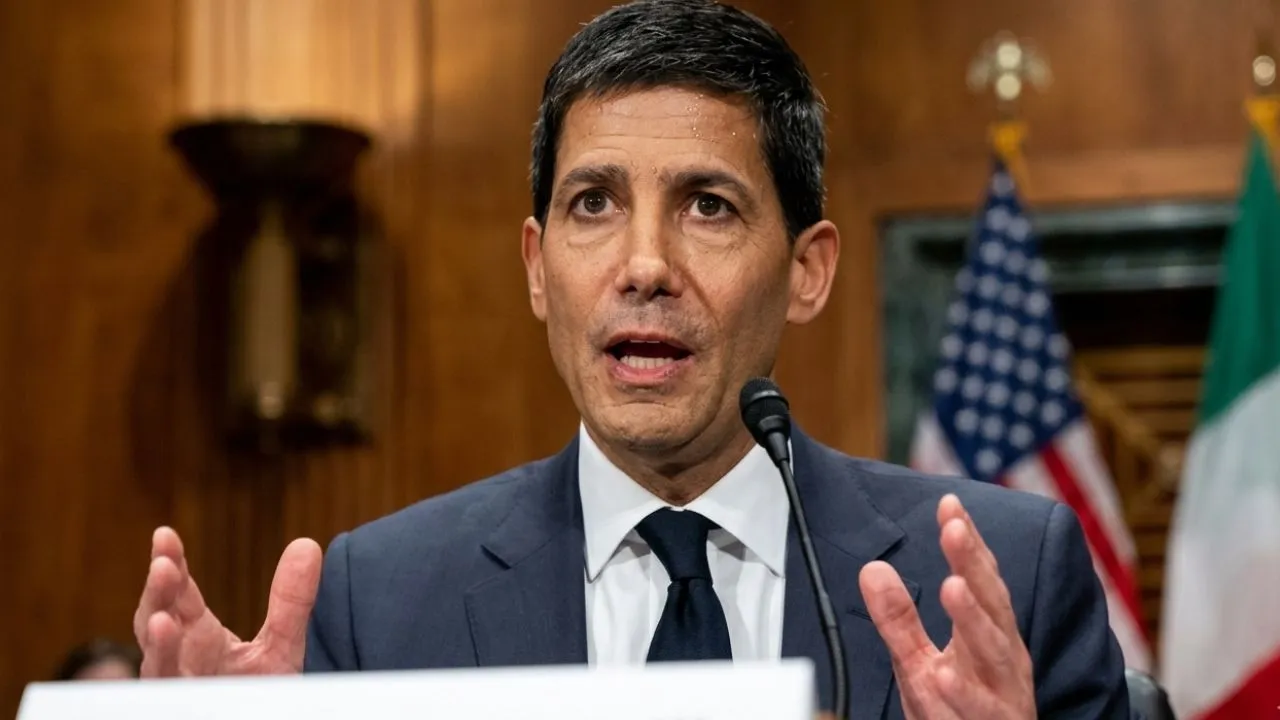
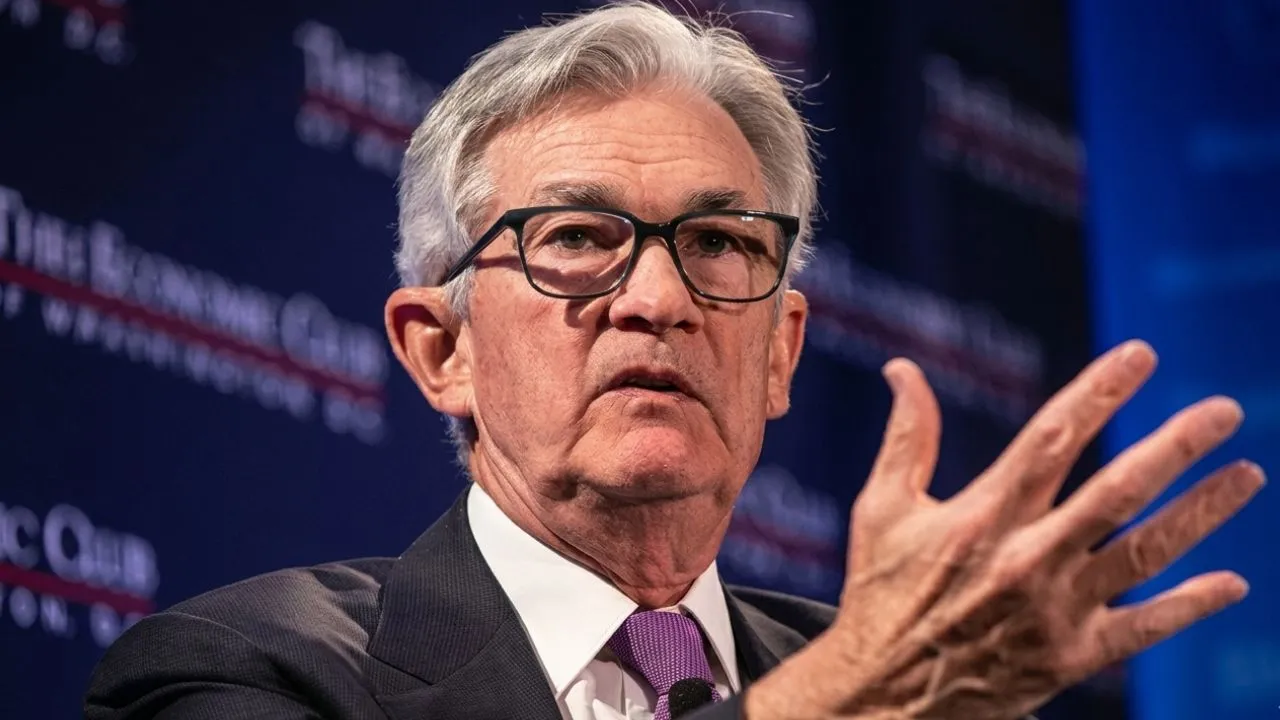
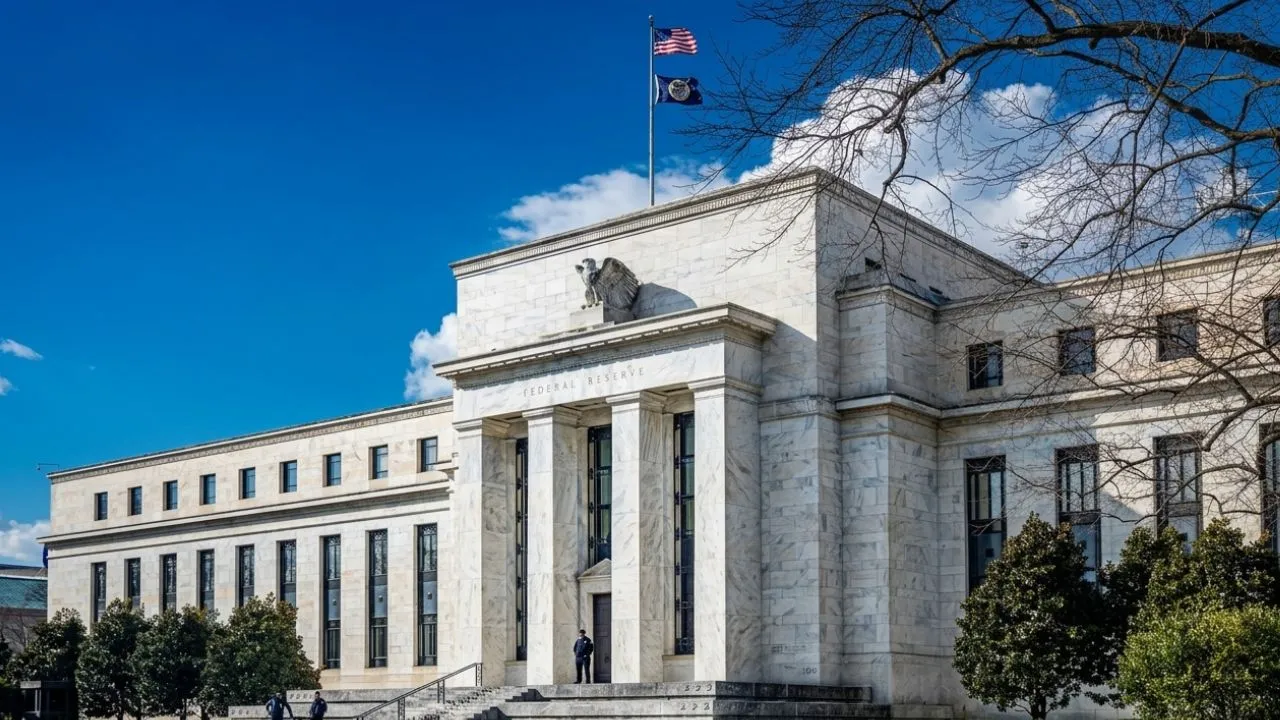
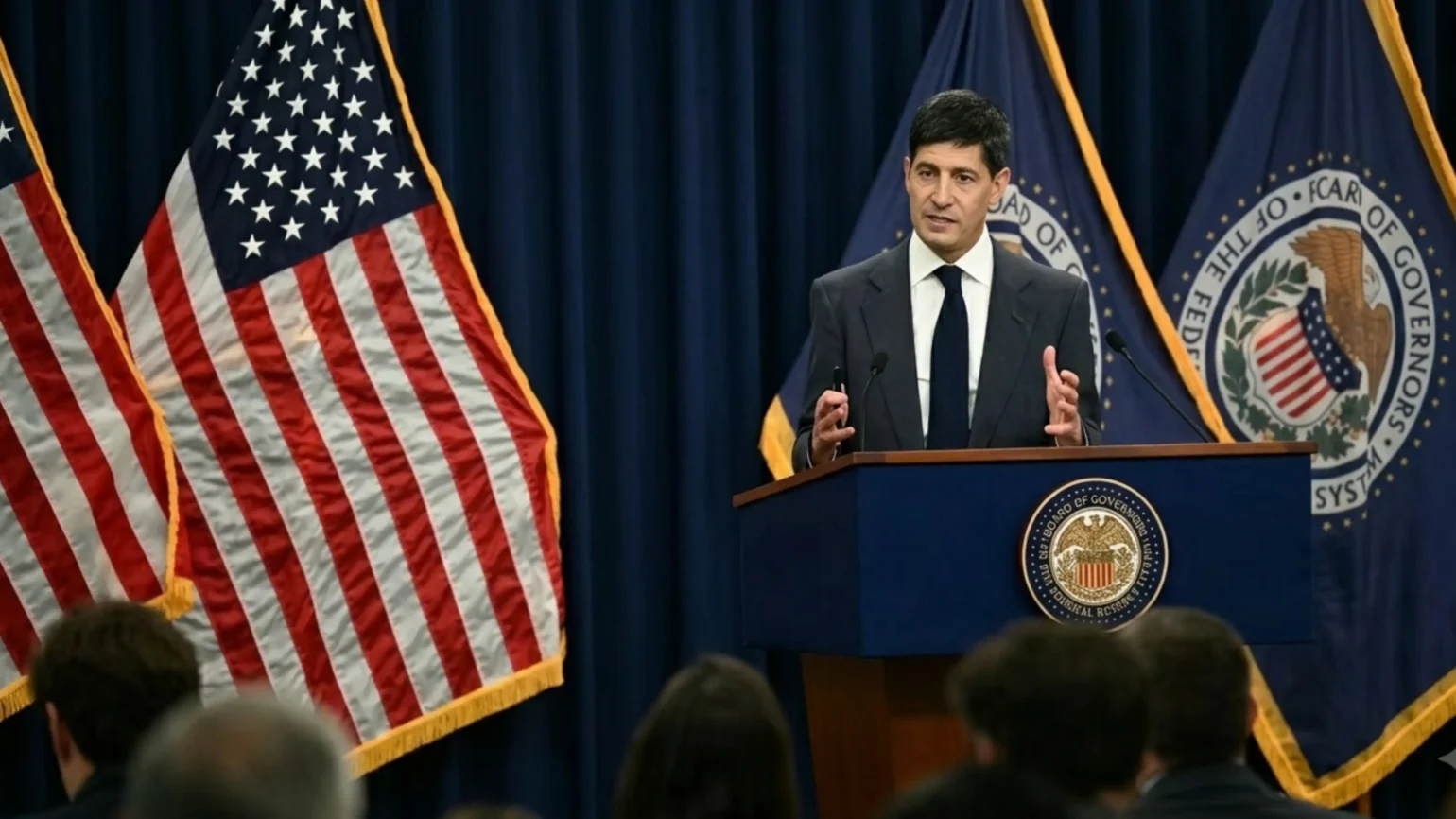
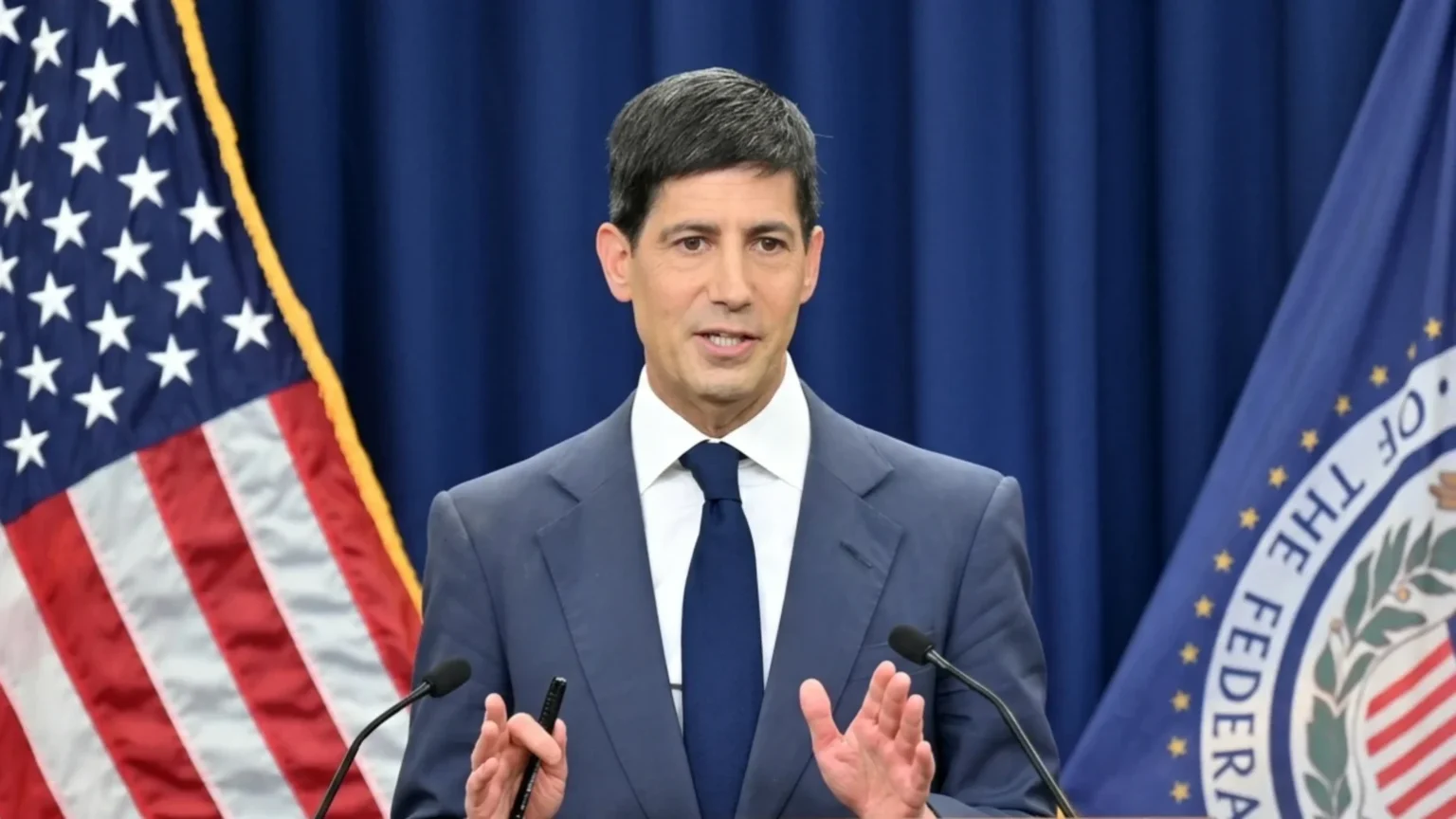
Federal Reserve Chairman Kevin Warsh has taken his most concrete step yet toward reshaping how the central bank operates, naming the outside leaders of five task forces created to examine everything from how the Fed communicates its decisions to how it understands inflation itself. The announcement, released Thursday, gives the first real shape to a project Warsh first floated during his opening weeks in the job.
Here is what actually happened. The Federal Reserve announced on July 9 that each of its five task forces will be co-led by a mix of academics, business executives, and former central bank officials, supported by Federal Reserve staff but operating independently of the institution itself.
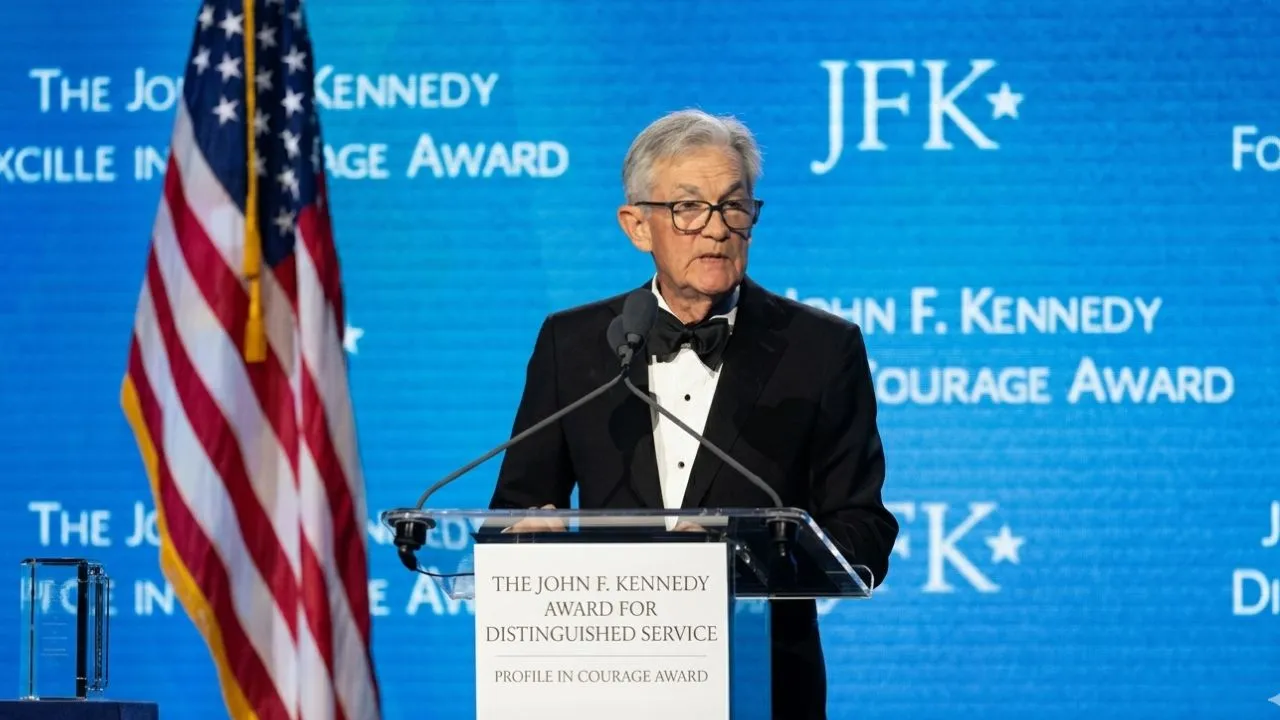
The Communications task force will be led by Peter R. Fisher of the University of Washington, Arminio Fraga of Gávea Investimentos and former president of Brazil’s central bank, and former Bank of England Governor Mervyn King.
The Balance Sheet Policy task force will be led by Harvard economist Karen Dynan, University of Chicago finance professor and former Reserve Bank of India governor Raghuram Rajan, and Harvard economist and former Fed governor Jeremy Stein.
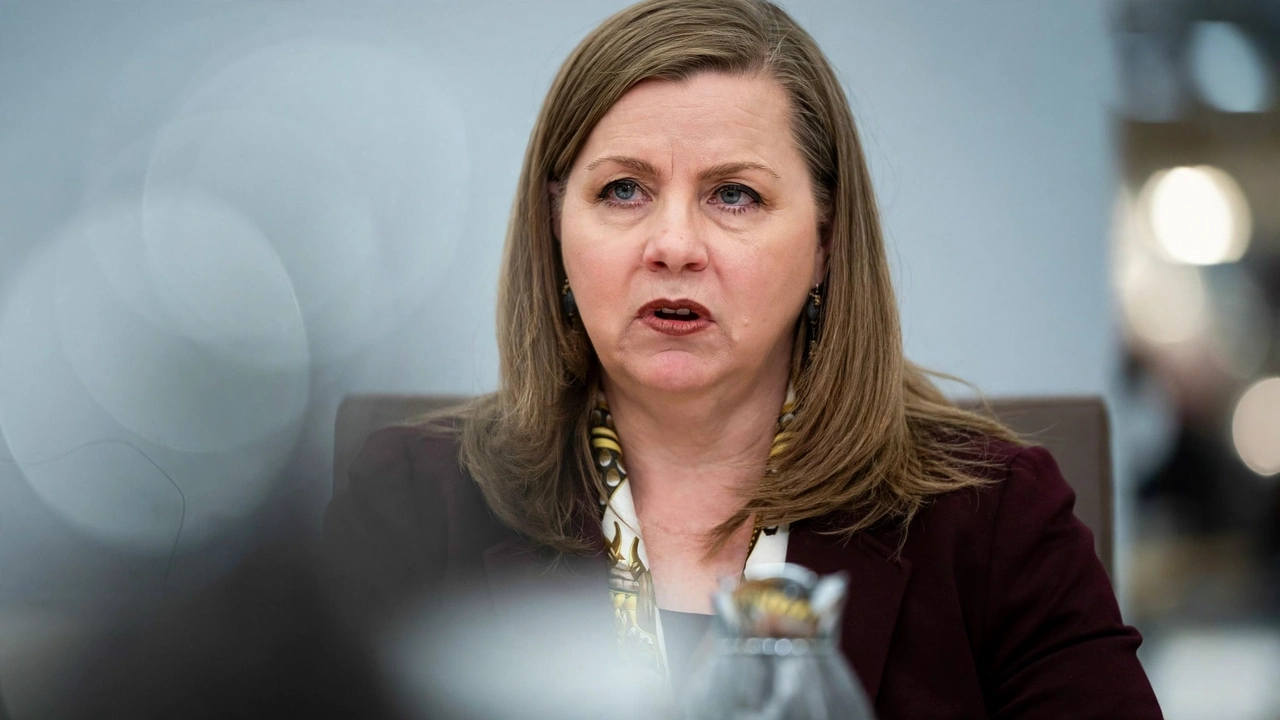
A task force on Data will be led by Harvard economist Raj Chetty, former Walmart CEO Doug McMillon, and University of Chicago economist Kevin Murphy. The Productivity and Jobs task force, focused specifically on the economic effects of artificial intelligence, will be led by Andreessen Horowitz cofounder Marc Andreessen, Stanford economist Charles I. Jones, and Microsoft executive Asha Sharma.
The Inflation Frameworks task force will be led by Harvard economist and former White House Council of Economic Advisers chairman Greg Mankiw, Nobel laureate and NYU economist Thomas Sargent, and economist William White of the C.D. Howe Institute.
Why this is happening now traces back to Warsh’s first press conference as chairman, held immediately after the June 16-17 Federal Open Market Committee meeting, when he announced his intention to form the task forces but did not yet name anyone to lead them.
Warsh had campaigned publicly for the chairmanship on a platform criticizing what he called a “credibility deficit” at the institution, and since taking office in May he has already changed the format of the Fed’s post-meeting statements, stripping out much of the forward guidance language that previous chairs relied on.
The task forces represent the next, more structural phase of that stated agenda: a systematic external review of the analytical tools and communication practices the Fed uses to set monetary policy, rather than a one-time statement change.
The Federal Reserve’s own release frames the task forces’ mandate narrowly. Each is directed to “follow the evidence, provide candid feedback, and produce rigorous findings” for the Federal Open Market Committee, and the central bank has not set a public deadline for when recommendations will be delivered, only that more detail will be posted periodically on its task force page.
It is worth being precise about what this does and does not mean for markets and consumers right now: the task forces are advisory bodies with no independent authority to change interest rates, reserve requirements, or the Fed’s balance sheet.
Any actual policy change arising from their work would still require the support of the Federal Open Market Committee, the same body that already sets monetary policy today. The most common question readers are likely to ask is whether this signals an imminent shift in interest rate policy.
Nothing in the Fed’s release states that explicitly, and Investozora’s own analysis is that Warsh’s emphasis on productivity, jobs, and artificial intelligence in the task force assigned to Andreessen, Jones, and Sharma is worth watching for that reason alone; framing that topic as central to future monetary policy judgments is a departure from how the Fed has typically approached technology-driven productivity questions in recent decades.
That is analysis, not confirmation of any specific policy direction, and the Fed’s statement itself makes no commitment on rates. For readers tracking how this fits into the broader picture of Warsh’s tenure, Investozora’s guide to Kevin Warsh’s confirmation and early policy changes covers the run-up to this appointment, while the explainer on the Fed’s balance sheet provides useful background for understanding what the Balance Sheet Policy task force will actually be examining.
Readers less familiar with the institution itself can start with Investozora’s plain-English explainer on the Federal Reserve and its role in setting U.S. monetary policy, and the hub page on the U.S. money movement system for how Fed decisions ultimately reach household bank accounts.
There is no action required of ordinary savers or borrowers today. The most useful step is simply to watch for the task forces’ periodic public updates, since any eventual recommendations that reach the Federal Open Market Committee would go through the normal public policy process before taking effect, with the same advance notice the Fed has historically given for major operational changes.