

The May 2026 jobs report showed nonfarm payrolls rising by 172,000 with unemployment holding at 4.3 percent, and the Employment Situation report for June is scheduled for Thursday, July 2, at 8:30 a.m. Eastern.
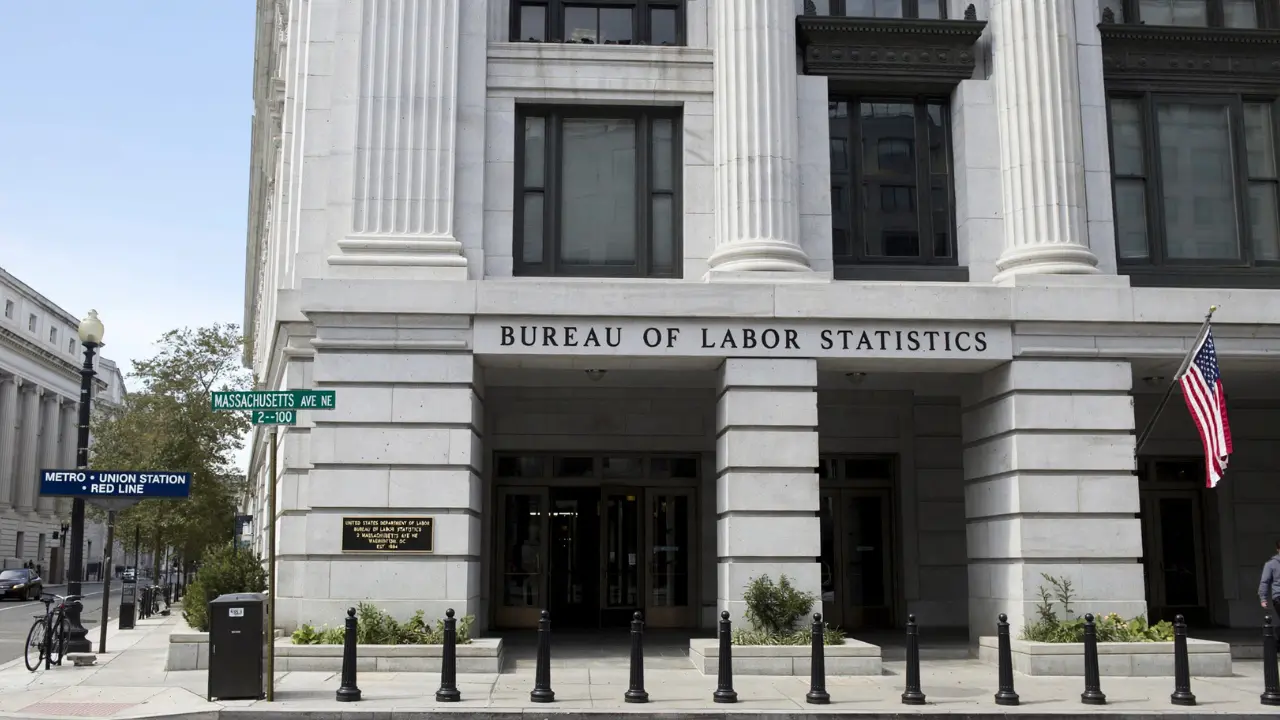
The Bureau of Labor Statistics releases its June jobs report on July 2, the first major data point the Federal Reserve will weigh before its July 28 to 29 meeting. May’s report beat expectations with 172,000 new jobs and steady 4.3 percent unemployment. With inflation already running near a three year high, a strong June reading would make a near term rate cut even less likely, while a weak one could revive the debate.
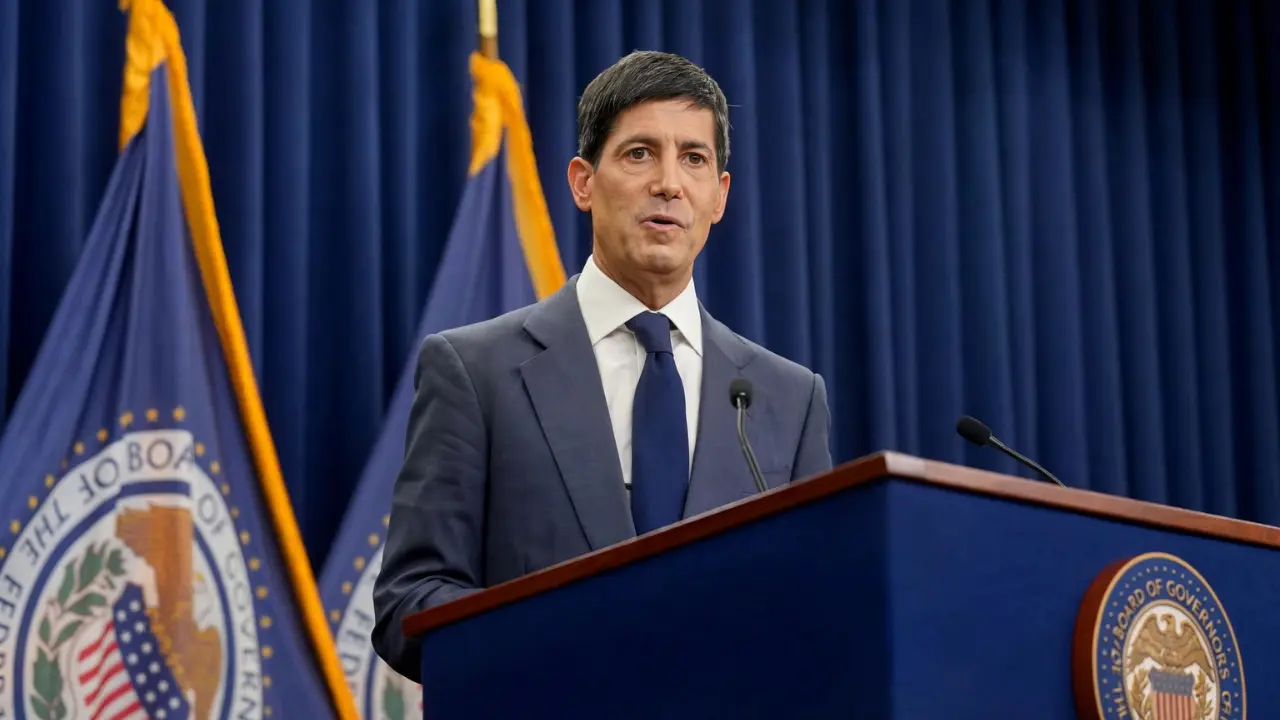
The jobs report has quietly become one of the most consequential data points on the calendar this summer, because it lands at the exact moment Federal Reserve Chair Kevin Warsh is shaping his early approach to interest rates.
The May figures, released June 5, already pushed cut expectations further out, and the June numbers due in two days will either reinforce or complicate that picture.
What The May Report Showed
Nonfarm payrolls increased by 172,000 in May, far above the consensus forecast of roughly 80,000, and revisions added another 93,000 jobs to the March and April counts combined. The unemployment rate held at 4.3 percent, average hourly earnings rose 3.4 percent over the year, and the labor force participation rate stayed at 61.8 percent.
That combination, strong hiring alongside a stable jobless rate, is exactly the kind of resilience that gives the Fed room to stay patient rather than cut rates quickly. It also helps explain why the April jobs signal from the prior month already nudged market expectations toward fewer cuts in 2026, a trend the May data only reinforced.
Why The Fed Watches Jobs
Congress gave the Federal Reserve a dual mandate, maximum employment alongside stable prices, and the monthly jobs report is one of the clearest windows into the first half of that equation.
A monetary policy framework built around that mandate means strong job growth can actually complicate the inflation fight if it signals an economy with little slack left to cool down. That tension is playing out directly under new Fed Chair Kevin Warsh, who led his first FOMC decision process on June 17.
Officials held the federal funds rate at 3.50 percent to 3.75 percent, where it has sat since a cut in December 2025, and the dot plot projections released that day shifted toward a possible hike later this year rather than the cuts once expected. Warsh rate stance coverage notes he declined to submit his own dot, but the committee as a whole leaned hawkish.
What One Report Cannot Do
A single jobs report does not set monetary policy on its own. The Federal Open Market Committee weighs a broad range of indicators, including the consumer price index, which showed prices up 4.2 percent over the year in May, and the CPI methodology used to calculate it, along with the personal consumption expenditures index tracked by the Bureau of Economic Analysis, which stood at 3.8 percent annually as of April.
That broader view is why the inflation rate link between jobs data and Fed decisions is rarely a straight line. Energy prices tied to the conflict in the Middle East have added extra noise to the inflation picture this year, and officials have said they want to see whether that pressure spreads into core prices before committing to a direction, a pattern visible in the May rate hold decision that preceded Warsh’s first meeting as chair.
What To Watch After July 2
The June jobs report arrives at 8:30 a.m. Eastern on July 2, two days before the Independence Day holiday, and it will be the last full employment reading before the FOMC meeting calendar entry for July 28 and 29.
Markets typically react within minutes through Treasury yield impact moves, and those shifts tend to ripple into mortgage pricing and savings rate outlook changes the same day.
Beyond the headline payroll number, watch the unemployment rate, wage growth, and any revisions to April and May, since Treasury cash flow and broader Treasury Department financing decisions are also sensitive to how the labor market is trending. A surprisingly strong report would likely cement the case for holding rates steady or hiking, while a surprisingly weak one could reopen the conversation about a cut later this year.
Once a meeting concludes, the jobs data discussed here becomes just one input behind the final vote. Our rate decision explained guide picks up where this analysis leaves off, covering how employment data, inflation readings, and committee dissent combine into the actual policy outcome and what that outcome means for borrowers and savers.
The Road Ahead
No single jobs report determines where interest rates go next, but the July 2 release carries unusual weight because it lands so close to a Fed meeting already leaning hawkish under new leadership.
Households and businesses watching mortgage costs, savings yields, and credit card rates will get an early read on the Fed’s direction well before the July 29 decision itself.
The story connects to two other threads worth following this summer, the Fed independence case working through the courts and the Social Security funding debate tied to the same Treasury and payroll systems that fund federal benefits, both of which intersect with the capital flows framework that moves money through the U.S. financial system every month.