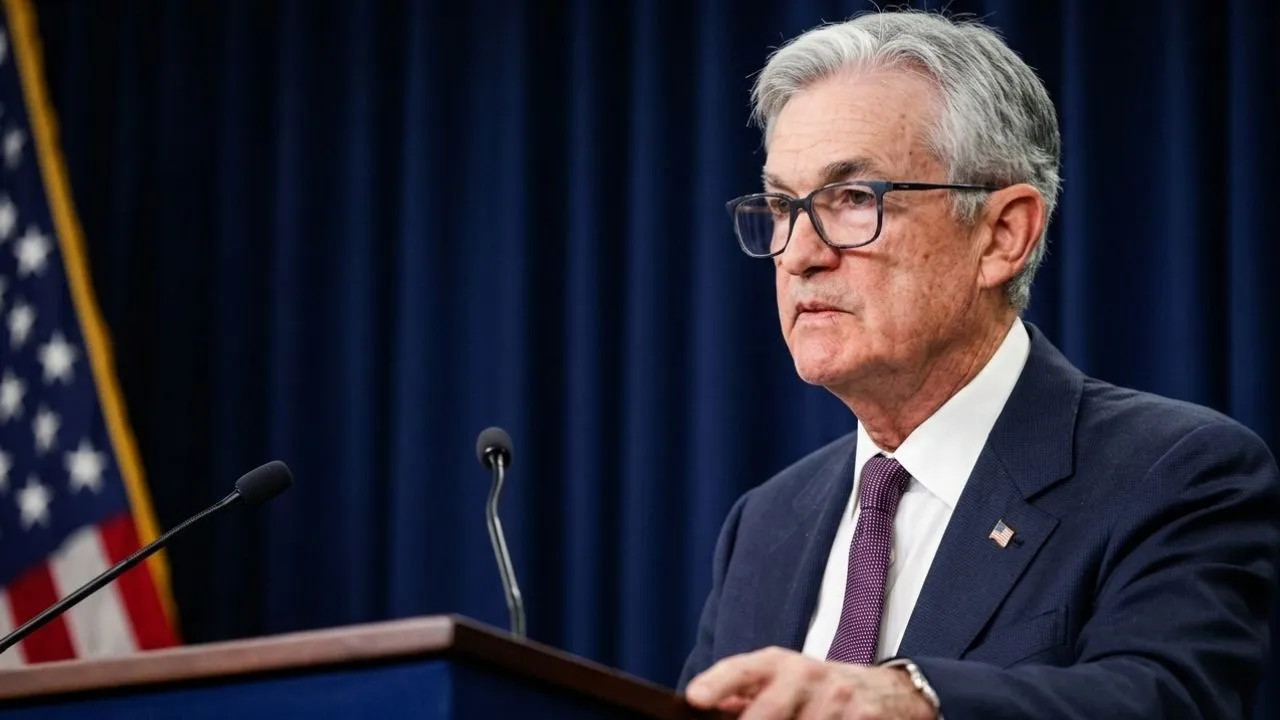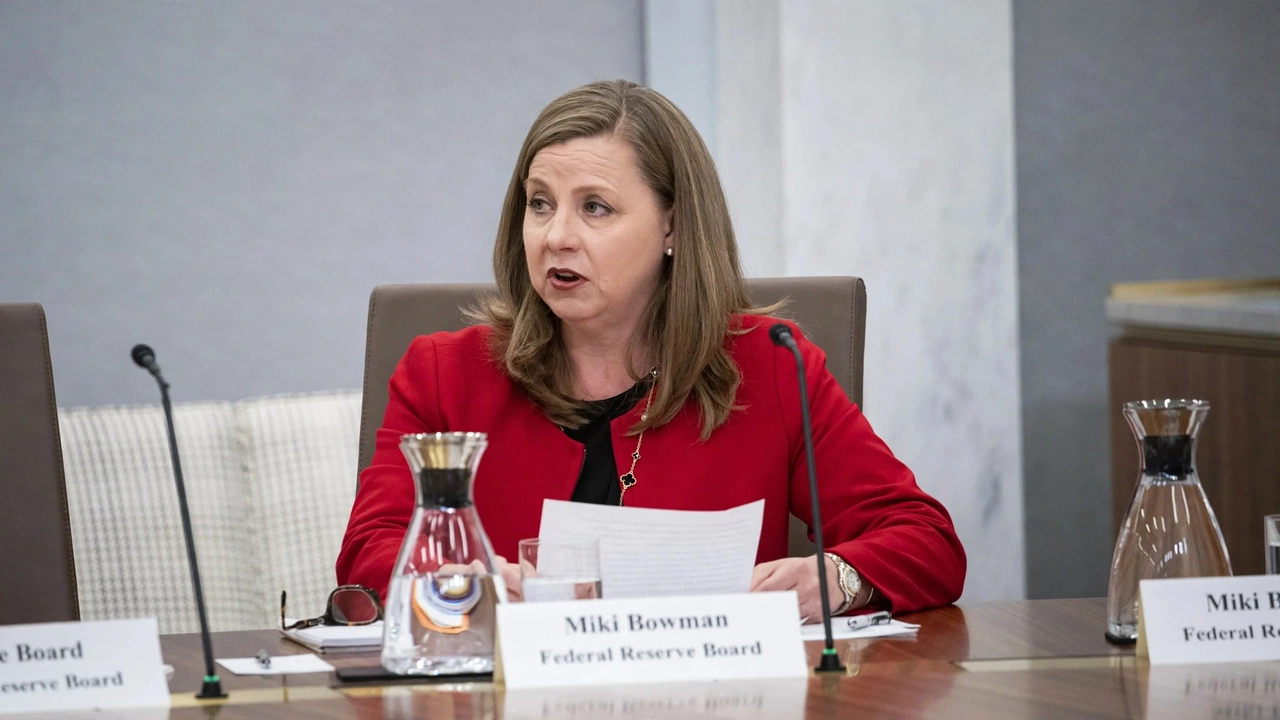

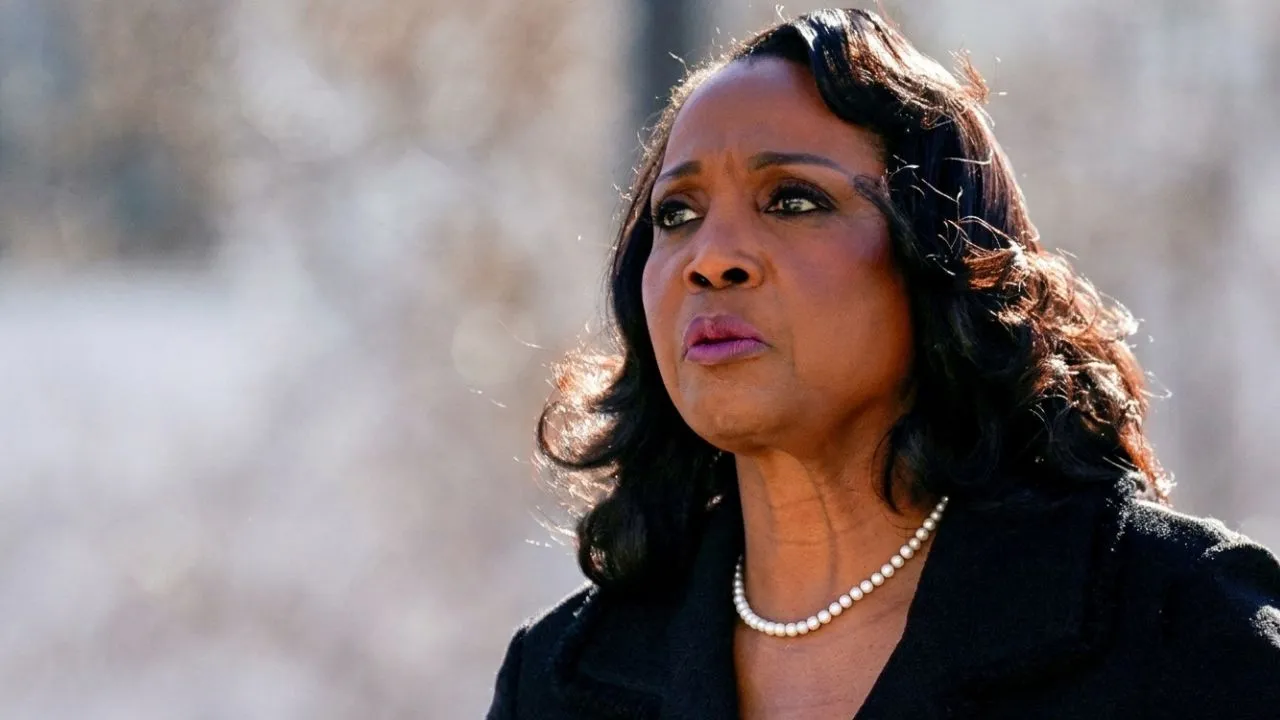
The Supreme Court ruled June 29, 2026, that the Trump administration cannot remove Federal Reserve Governor Lisa Cook for now, while separately allowing the firing of FTC Commissioner Rebecca Slaughter in a related case decided the same morning.
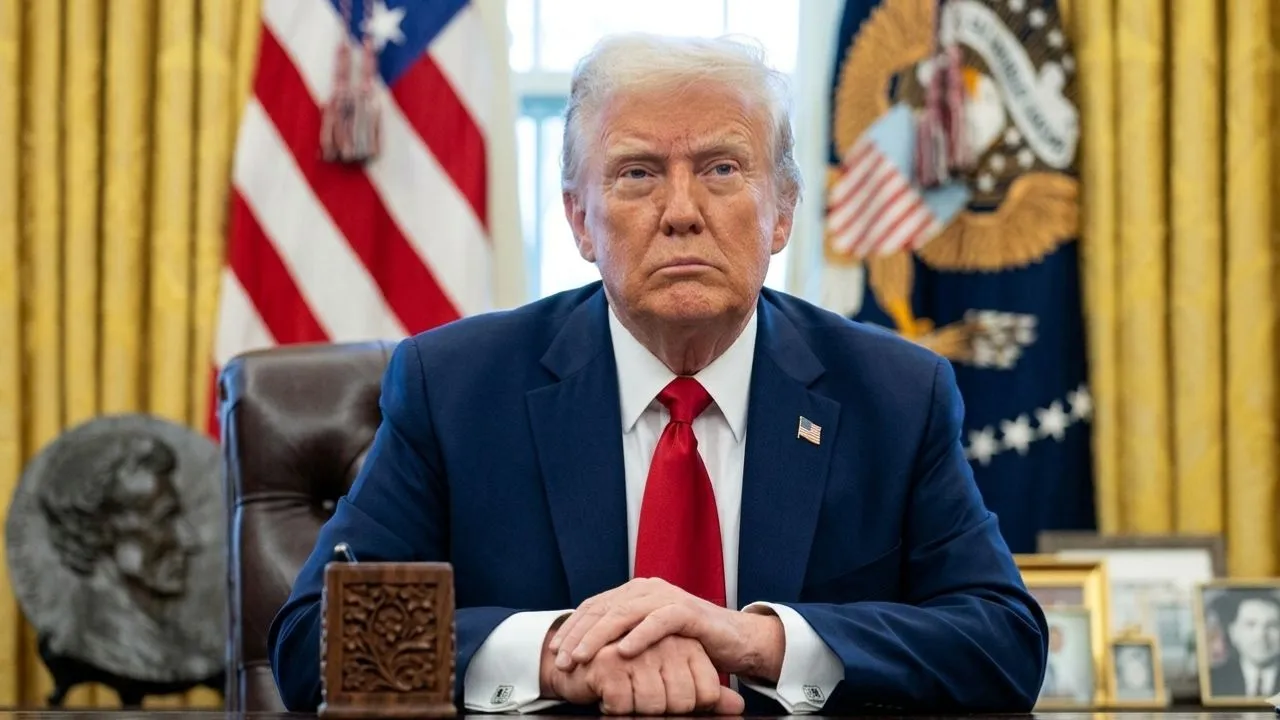
The Supreme Court voted 5 to 4 on June 29 to keep Federal Reserve Governor Lisa Cook in her seat while her lawsuit over President Trump’s attempted firing continues in lower courts.
The ruling does not decide whether Trump can ultimately remove her for cause. It leaves the Federal Reserve’s current operations and interest rate process unchanged, while a separate same day ruling expanded presidential power over other independent agencies.
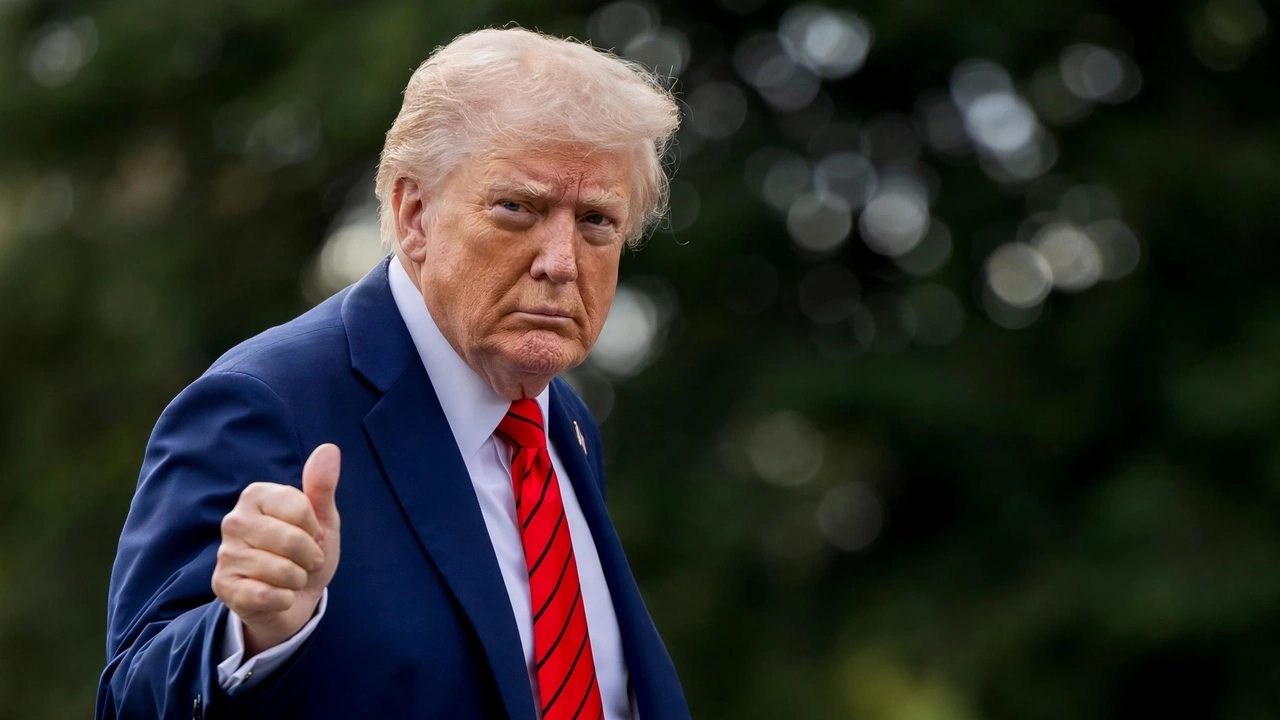
The decision keeps Federal Reserve independence intact for now, but it does not close the underlying legal fight. President Trump first attempted to fire Cook in August 2025, citing mortgage fraud allegations raised by a Trump appointed housing official.
Cook sued immediately, and a lower court blocked her removal while the case proceeded, a block the Supreme Court has now chosen not to lift.
What The Court Decided
The Court’s order in Trump v. Cook rests on narrow, procedural grounds rather than a sweeping statement about presidential power. According to the Trump v. Cook opinion, the justices found the administration had not given Cook the legal process she was owed before attempting removal, and left the larger question of whether a Fed governor can ever be fired for cause to play out in the lower courts.
Justice Kavanaugh wrote separately to note that the ultimate answer will likely depend heavily on the specific facts surrounding Cook’s conduct, not just the legal standard.
Released the same morning, a companion case, Trump v. Slaughter, allowed the president to remove Federal Trade Commission member Rebecca Slaughter and overturned the 1935 precedent that had long protected commissioners at agencies like the FTC.
The Supreme Court drew an explicit distinction between the two institutions, treating the Federal Reserve as a constitutional outlier because of its unique structure and history.
How Fed Independence Works
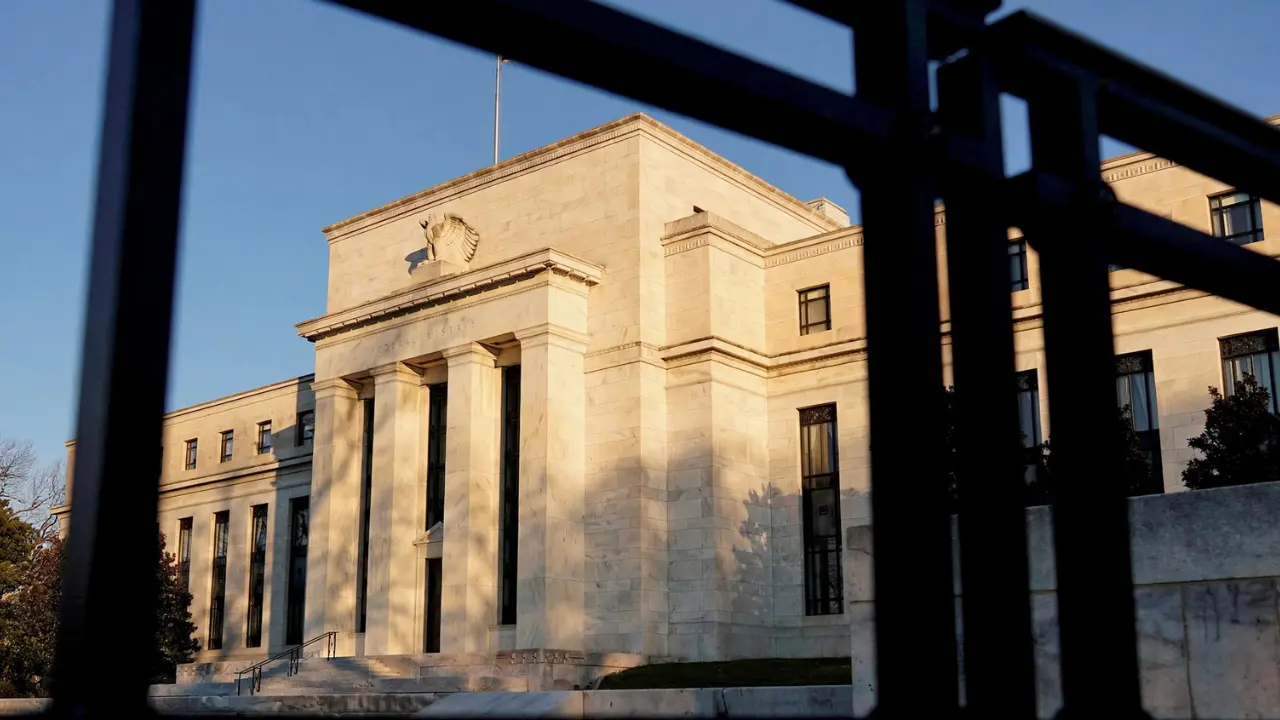
Congress built insulation from short term political pressure directly into the Federal Reserve Act when it created the central bank in 1913. Governors on the Board of Governors serve staggered 14 year terms and can be removed only for cause, language Congress added specifically so monetary policy would not shift every time a new administration took office.
That structure is why this case drew an unusual show of support across party lines. Nearly every living former Federal Reserve Board chair, along with former Treasury secretaries and economists from both parties, signed a brief urging the Court not to disturb the Fed independence explainer principle that has guided the institution for more than a century.
For background on how the system itself is organized, the Federal Reserve System basics and central bank overview explain the layers between the Board, the regional banks, and the rate setting committee.
What Remains Unresolved
Because the ruling decided only whether Cook stays in place while litigation continues, the core constitutional question is still open. Lower courts must now examine whether the mortgage fraud allegations against her meet the statutory bar for cause, a process that could take months or longer and may return to the Supreme Court on the merits.
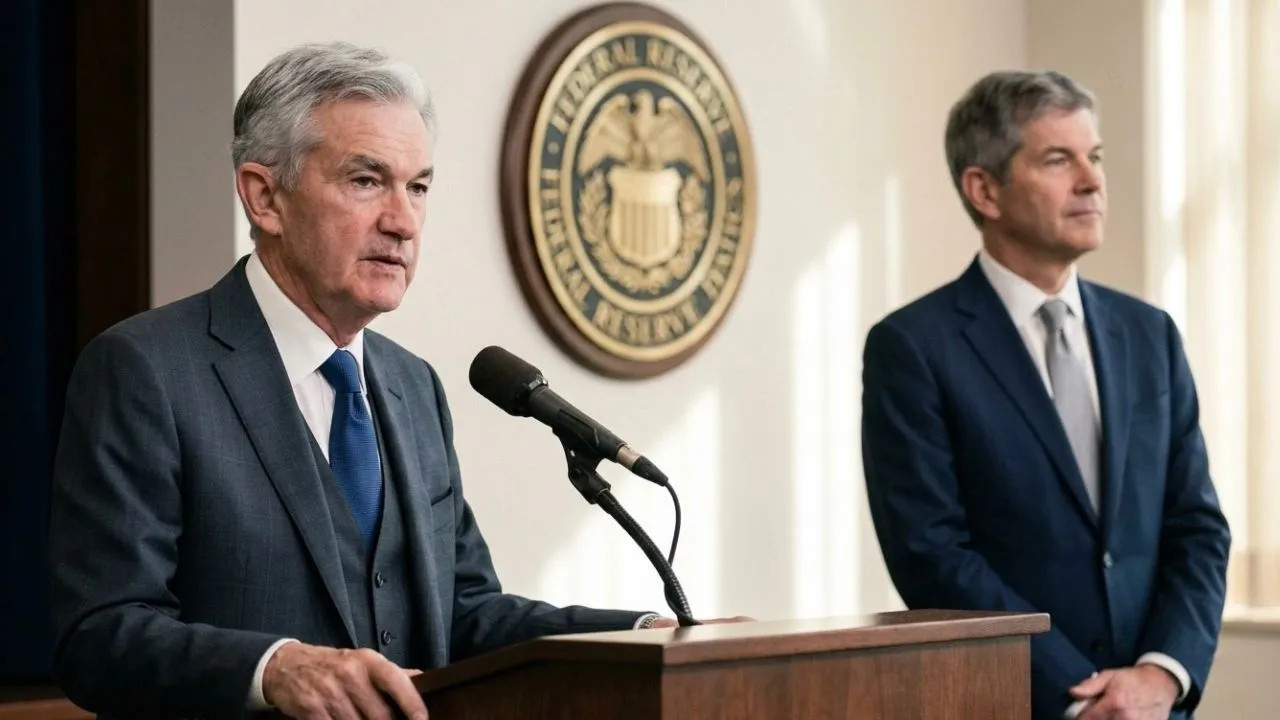
That uncertainty sits alongside other recent friction between the administration and the central bank, including the DOJ Powell probe into building renovation costs that was later dropped, and former chair Jerome Powell’s decision to remain a sitting governor after his term as chair ended, detailed in coverage of Powell board seat dynamics.
Cook said in a statement that she viewed the removal attempt as retaliation for refusing to back rate cuts on demand, a claim the housing official who raised the fraud allegations has continued to dispute publicly.
Why Markets Watch Closely
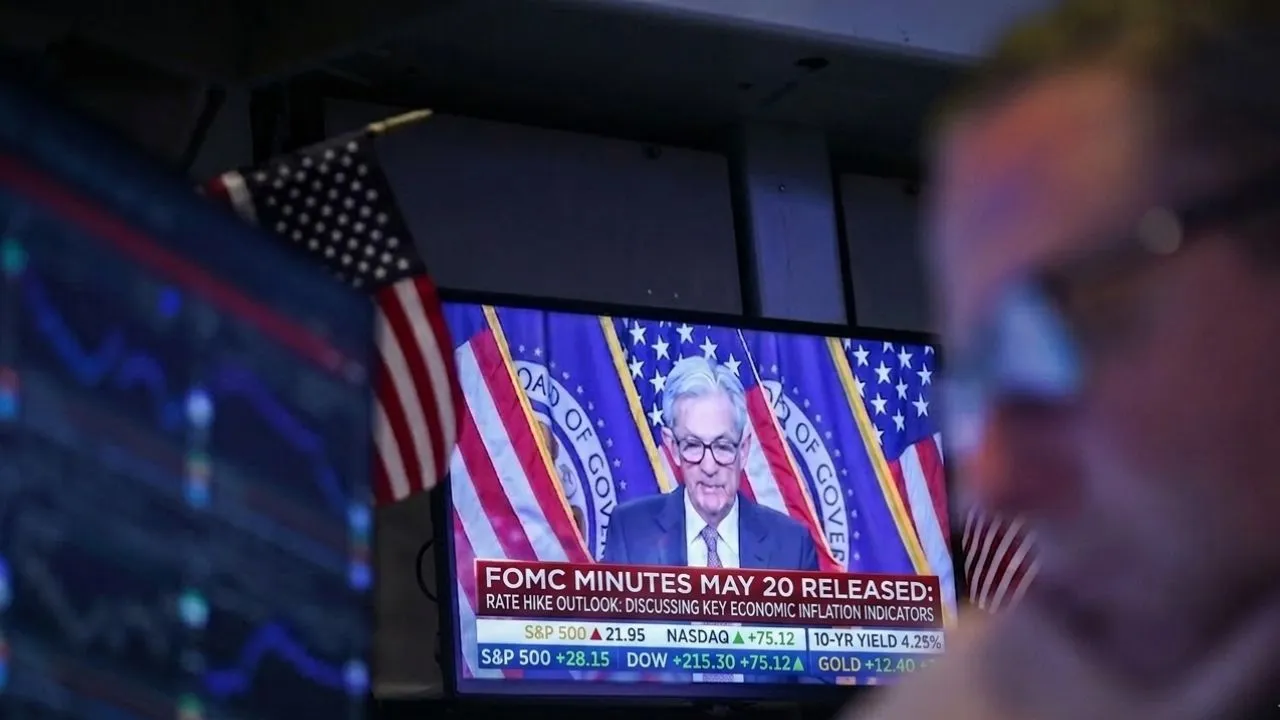
For now, the ruling changes nothing about how the Federal Open Market Committee sets interest rates. The federal funds rate has held at 3.50 percent to 3.75 percent since December 2025, and that target remains under the authority of Fed Chair Kevin Warsh, profiled in new Fed chair coverage of his swearing in and Warsh policy shifts since taking over in May, following his Warsh swearing in ceremony.
Investors tend to reward predictable institutions, which is why bond markets and the dollar are watching the litigation as closely as any single FOMC rate process decision.
The next scheduled FOMC meeting calendar entry falls on July 28 and 29, and any future ruling that reshapes who sits on the Board, or how balance sheet policy gets set, could move Treasury yield reaction far more than this week’s narrow order did. A bill in Congress.gov record tracking further Federal Reserve oversight legislation is also worth watching as this story develops.
The Road Ahead
For the moment, Federal Reserve independence has survived its first direct legal test from the Trump administration, even as the broader fight over presidential power at independent agencies clearly did not go the Fed’s way everywhere.
The case now shifts from an emergency order to a slower moving legal question that could reshape how future presidents interact with the central bank for decades.
Markets, borrowers, and savers are best served by watching the federal payment infrastructure that connects Fed policy to everyday financial life, alongside related developments like the Social Security reform debate and the upcoming jobs report that will shape the Fed’s next rate decision regardless of how the Cook litigation ultimately resolves.