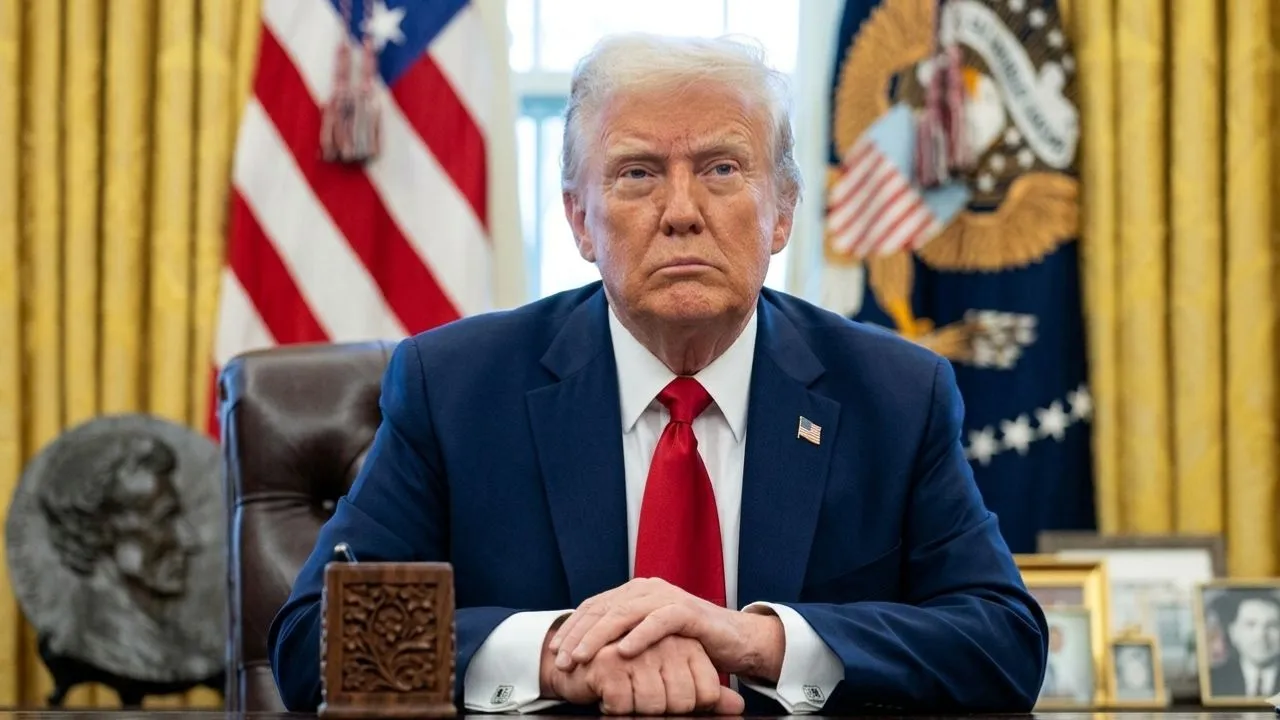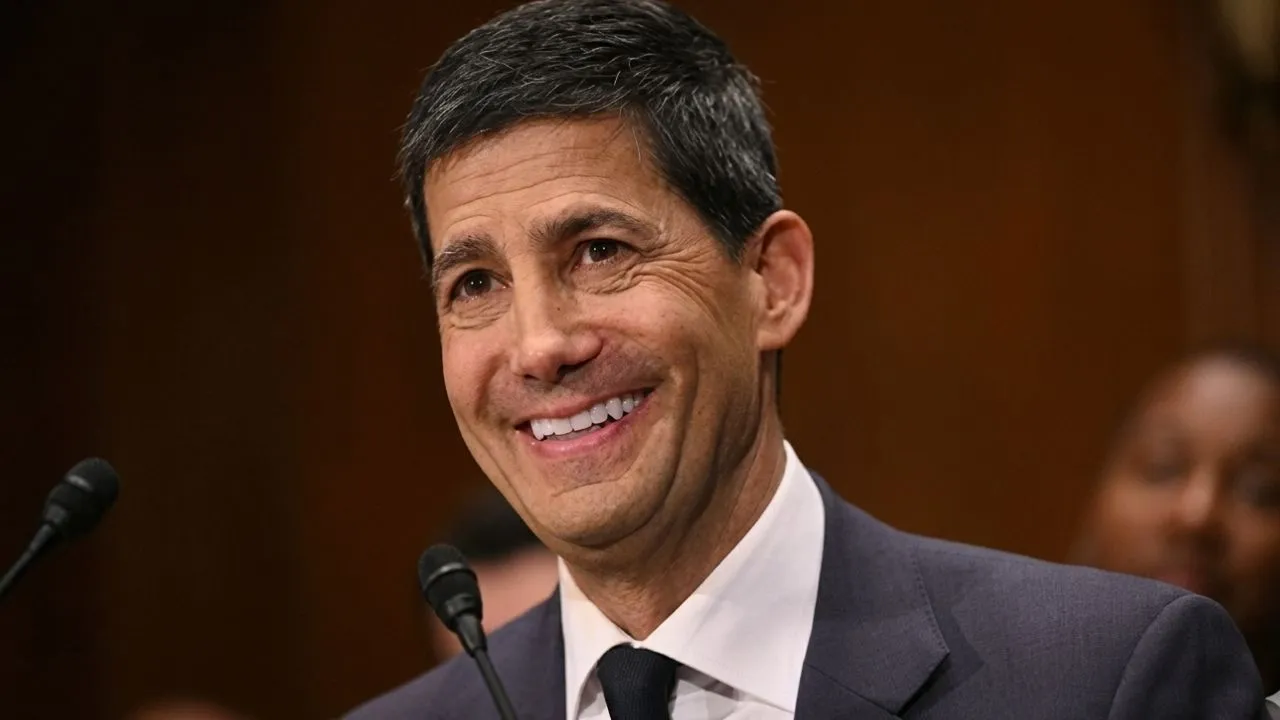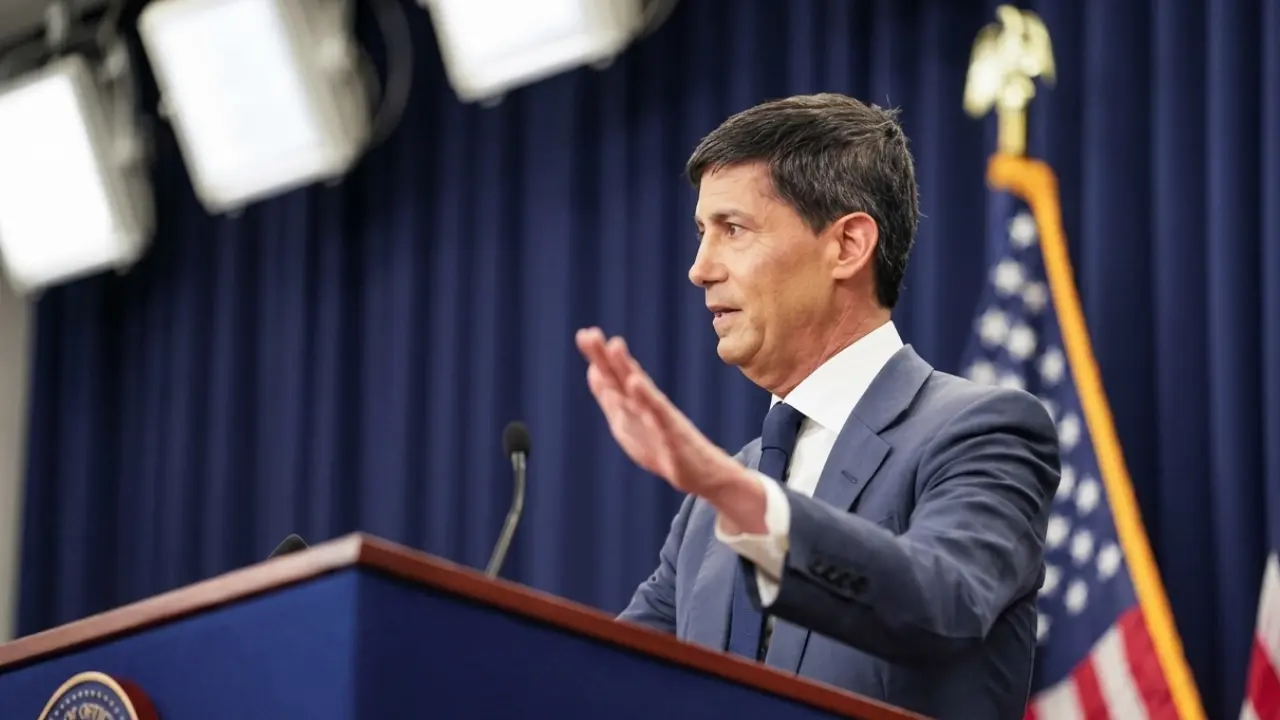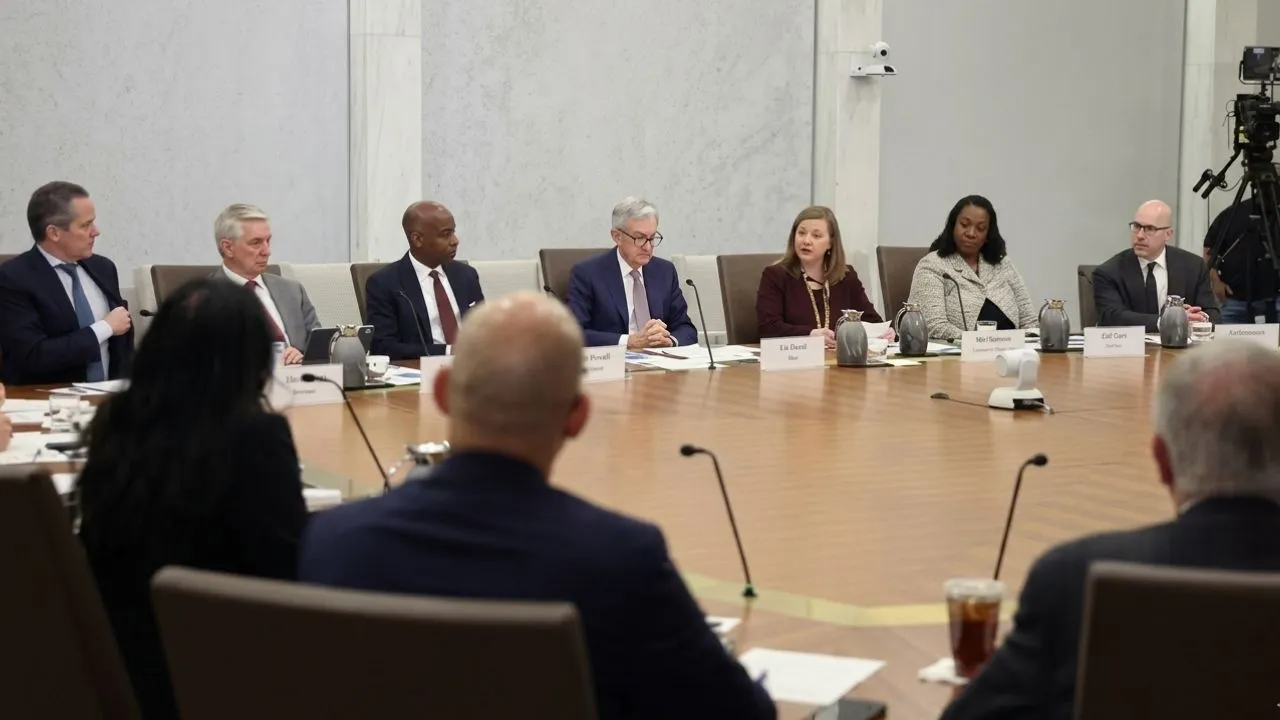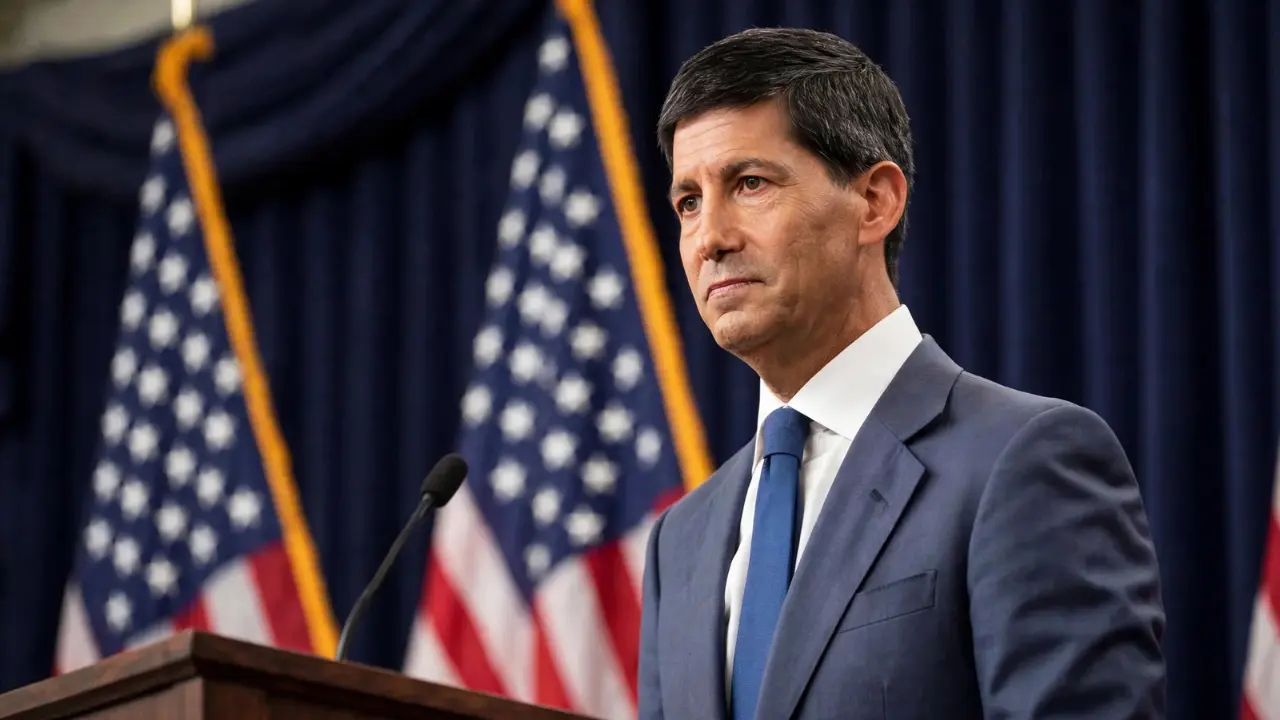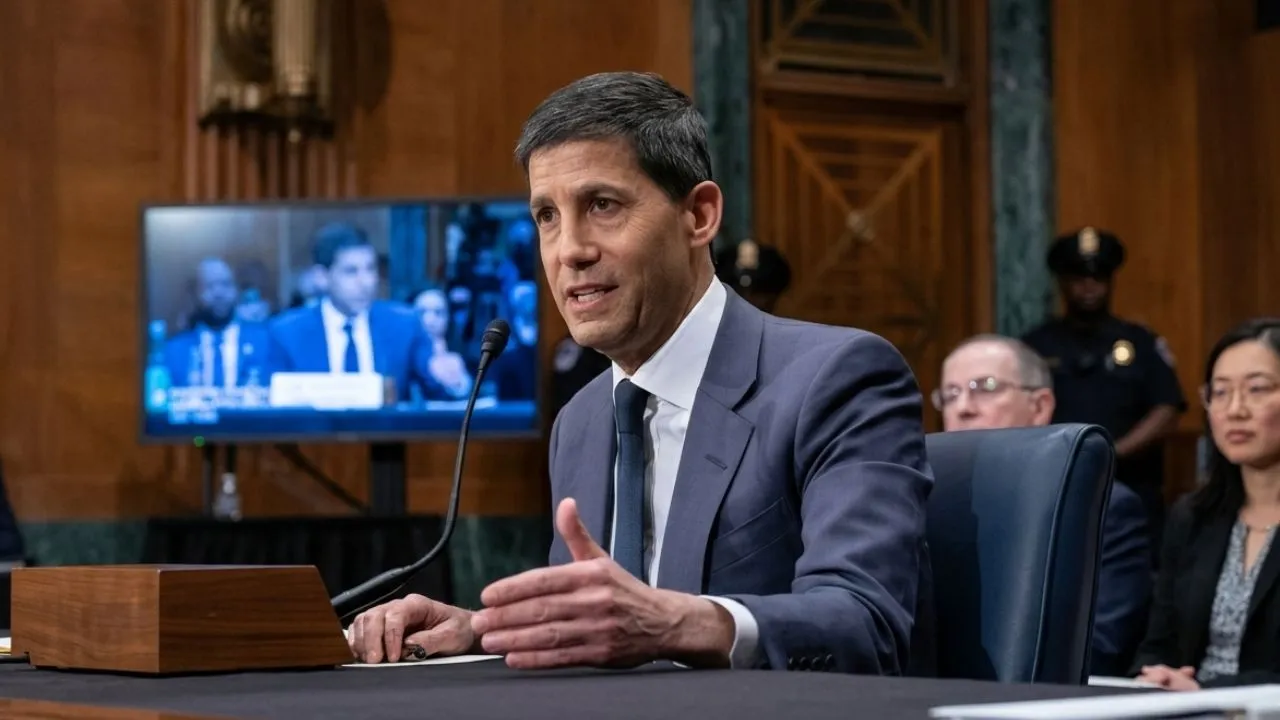
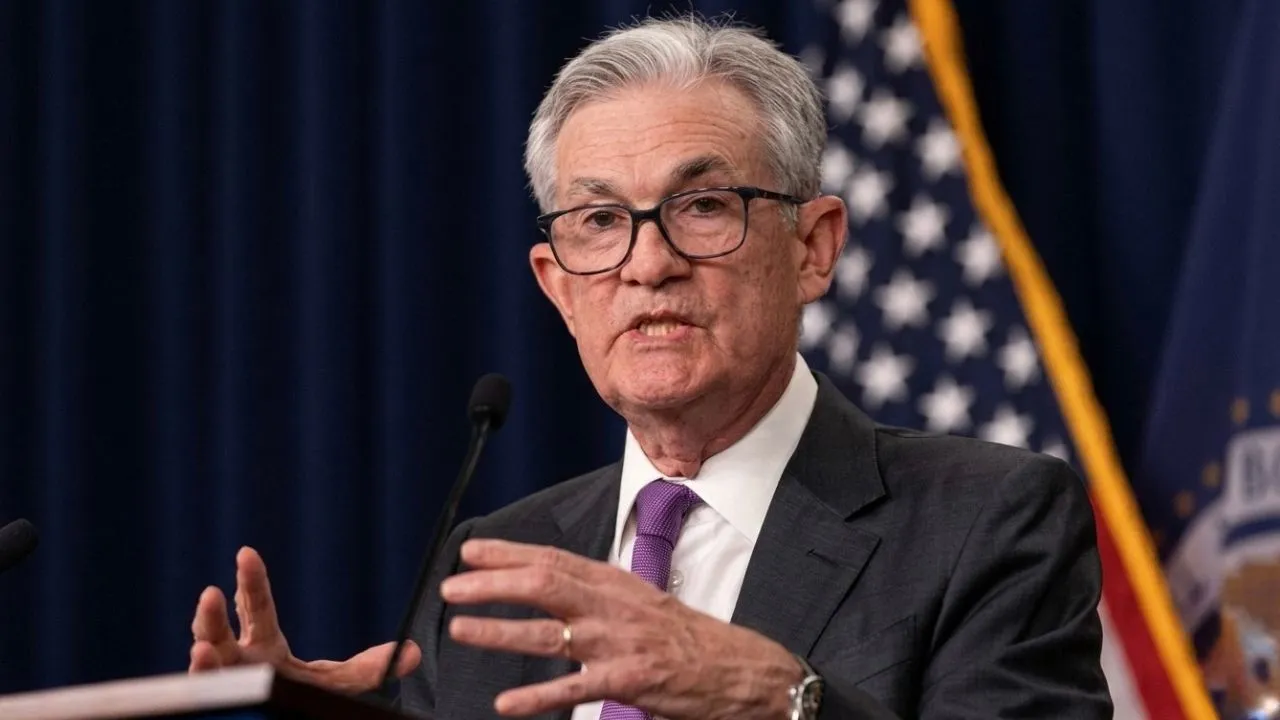
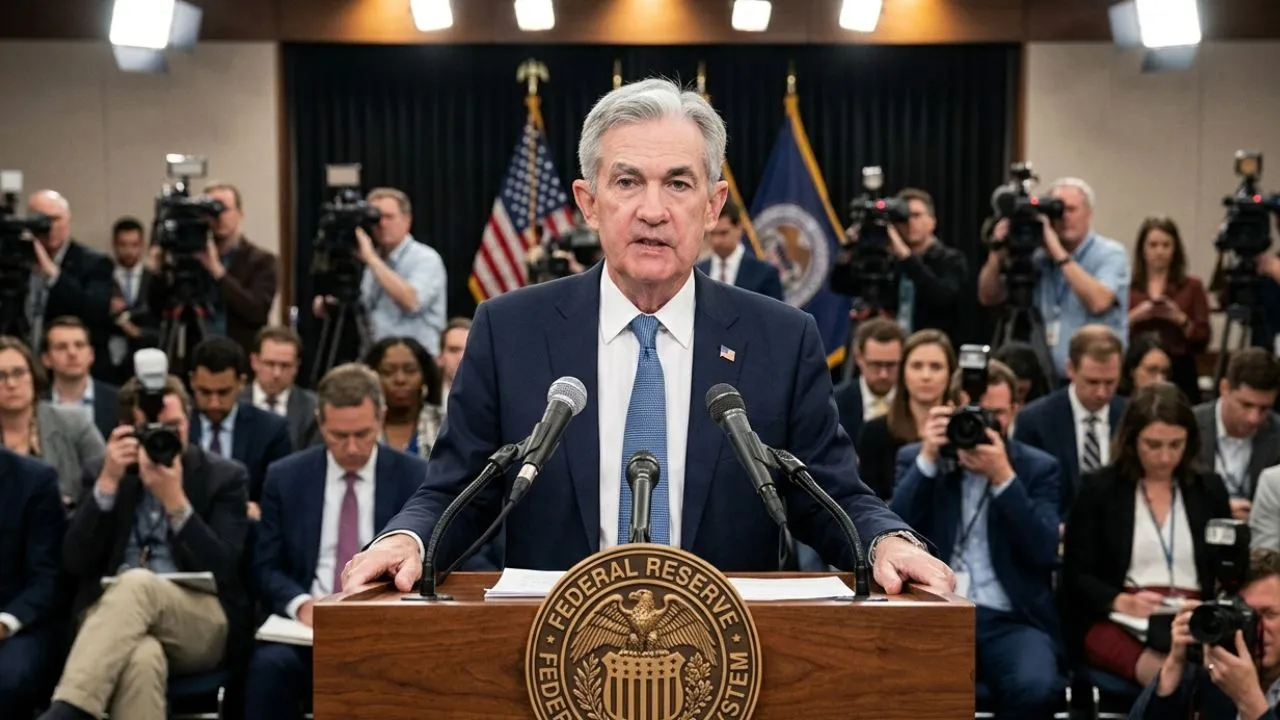
The Federal Reserve held rates at 3.50–3.75% at Jerome Powell’s final meeting as Chair. The Senate Banking Committee advanced Warsh’s nomination to the full Senate floor. Powell’s 2:30 PM ET press conference marked his final appearance as Chair, while Warsh is expected to take part in the June 16–17, 2026 FOMC meeting.
Kevin Warsh appeared before the Senate Banking Committee for his confirmation hearing as the next chair of the Federal Reserve, and the path to his confirmation was cleared on April 25 when Senator Thom Tillis removed his hold following the DOJ’s decision to drop the criminal investigation of Powell on April 24.
The Warsh hearing and the events that followed carry direct implications for the savings rates, mortgage rates, and deposit yields that millions of Americans depend on.
What a new chair believes about monetary policy and how aggressively he might push for rate changes, will determine what your bank pays you on savings for the next several years.
The Federal Reserve sets the federal funds rate, which is the benchmark interest rate that flows through the entire American banking system. When the Fed raises or holds rates, savings accounts and high-yield accounts pay more. When the Fed cuts, those yields shrink.
The chair of the Federal Reserve does not vote alone, but the chair shapes the agenda, controls the communication strategy, and in practice exerts enormous influence over where rates go and how fast. A confirmed Warsh chairmanship represents a genuine shift in the institutional personality of the Fed, not just a change in personnel.
Where Rates Stand Now and What Warsh Might Change
The federal funds rate currently sits at 3.50–3.75%, a level that has been held since January 2026. The Fed reached this rate after three consecutive 25-basis-point cuts in late 2025, each of which reduced the yield on savings accounts, money market funds, and high-yield deposits.
As of April 2026, the best high-yield savings accounts are paying approximately 4.0–4.5% APY, and the average mortgage rate sits in the upper 6% range. The IRS underpayment interest rate, which is set at three percentage points above the federal funds rate, currently stands at 7%.
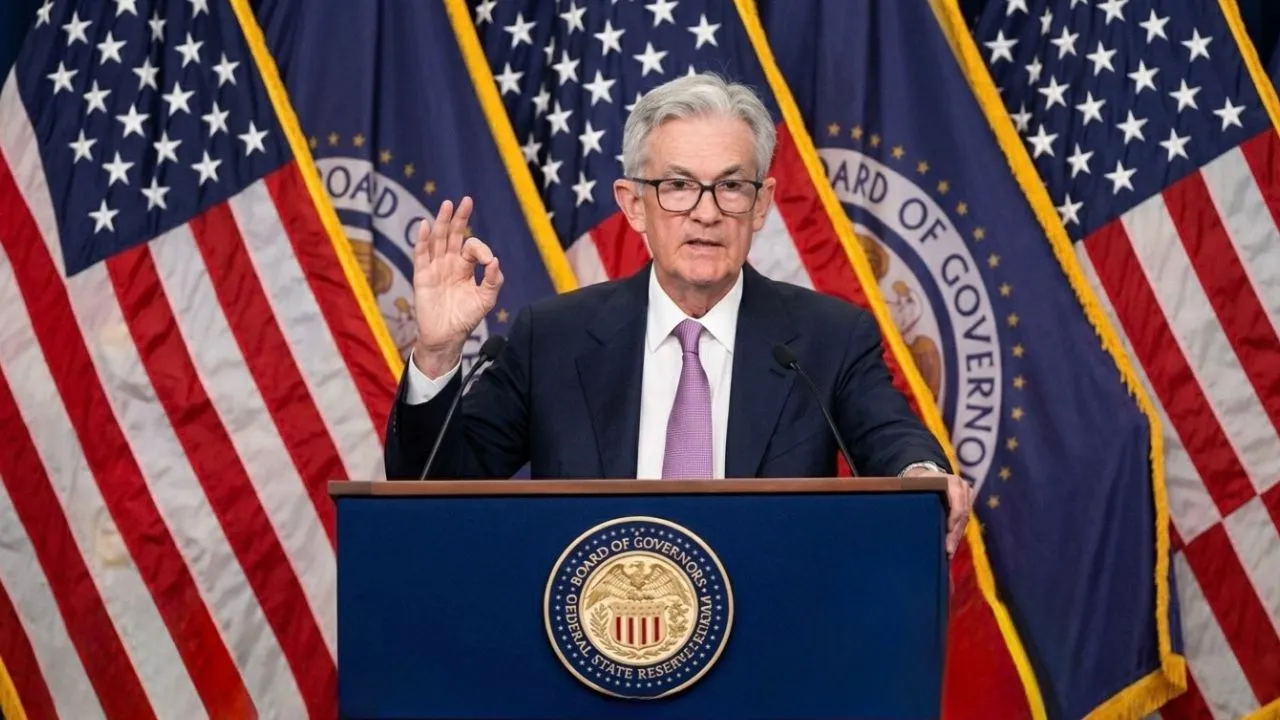
Warsh’s confirmation hearing before the Senate Banking Committee offered the most direct public window into his thinking on monetary policy since his nomination. A key question before the committee concerns whether Warsh favors holding rates at current levels, resuming cuts, or moving in a more restrictive direction if inflation data warrants it.
Deutsche Bank, according to its current forecasts, expects no rate changes in all of 2026, a projection that aligns with continued rate stability at the current 3.50–3.75% level. That would mean savings yields hold near current levels through year-end.
Governor Miran dissented at both the January and March 2026 FOMC meetings, preferring rate cuts on both occasions. That dissent is relevant because it signals a division within the Fed over the appropriate pace of policy adjustment. A new chair with different views from the existing majority could either reinforce or disrupt that balance. The FOMC April 29 preview covers what markets and analysts expect from next week’s decision in detail.
What the Warsh Hearing Means for Your Savings and Deposits
The Warsh hearing matters to ordinary Americans primarily because the Fed chair’s policy preferences ripple through every type of deposit product. Banks set savings account rates as a spread over the federal funds rate. When the funds rate is high, banks pay more to attract deposits.
When it falls, those yields compress quickly. Someone with $50,000 in a high-yield savings account at 4.5% APY is earning roughly $2,250 per year. If rates fall by a full percentage point under a more accommodative chair, that same balance earns $2,000, a $250 annual reduction on a relatively modest savings balance.
The Federal Reserve manages monetary policy independently of the Treasury Department, but the two institutions operate in a deeply interconnected system. The Fed’s FedACH network is the infrastructure through which
Treasury disburses Social Security payments, IRS refunds, and federal payroll meaning a Fed chair’s institutional decisions reach every American who receives a federal payment, not just investors and borrowers. Understanding the money movement system that connects Fed policy to consumer bank accounts makes clear why a leadership change at the top of the Federal Reserve is not an abstract Washington story.
Warsh’s financial disclosures submitted to the committee showed assets exceeding $100 million, a level of personal wealth that has drawn scrutiny from senators questioning whether he can relate to the experience of working Americans managing household budgets under elevated borrowing costs.
His supporters argue his financial background and extensive Fed experience, he served as a Fed governor from 2006 to 2011, make him qualified to manage the complex institutional challenges the Fed faces in 2026. The Fed rate deposit timing guide explains how rate changes travel from FOMC announcement to bank posting in practical terms.
What Happens Next: The Timeline Through April 29
The Senate Banking Committee hearing was the first formal step in the confirmation process. Senator Tillis removed his hold on April 25, clearing the path for a full Senate confirmation vote. No firm date has been confirmed for the full Senate vote, but the procedural obstacles that had delayed the process are now resolved.
The April 29 FOMC meeting is the most immediate event. Chair Powell presides over the rate decision at 2:00 PM ET and holds his final press conference at 2:30 PM ET. The FOMC calendar confirms the schedule. Markets expect a hold at 3.50 to 3.75 percent. Warsh’s first FOMC meeting as Chair will be June 16-17, which includes the Summary of Economic Projections and the dot plot that maps the committee’s rate expectations through 2028.
The March 2026 FOMC statement confirmed the most recent hold, and analysts expect continuity, but Warsh’s presence in Washington and the signals he sent during the hearing will shape how investors interpret whatever language the committee uses on April 29.
For consumers, the practical question is simple: will savings rates fall, hold, or rise over the next twelve months? Warsh has not publicly committed to a specific rate path, and confirmation hearings rarely produce binding policy commitments.
What the hearing did produce is a clearer picture of his institutional temperament and that temperament will matter enormously once he holds the most powerful unelected economic position in the United States. The Fed policy explained guide covers how the chair’s vote and communication style affect rate outcomes in practice.
What This Means — Steps to Consider
- Lock in high-yield savings rates now if you have not already. Current APYs of 4.0–4.5% may compress if the Fed resumes cuts in late 2026. Short-term CDs can lock in today’s rates for 6 to 12 months regardless of what happens at the FOMC.
- Watch the April 29 decision at 2:00 PM ET. This is the most immediate rate event. If the FOMC signals a cut is coming, savings yields will begin falling within weeks of that announcement. Check Investozora’s FOMC coverage for same-day analysis of the decision and what it means for your accounts.
- If you are carrying variable-rate debt, monitor rate signals closely. Mortgage rates and HELOCs are sensitive to Fed policy direction. A more accommodative chair could eventually bring mortgage rates below the current upper-6% range, though that impact may take 6–12 months to materialize fully.