



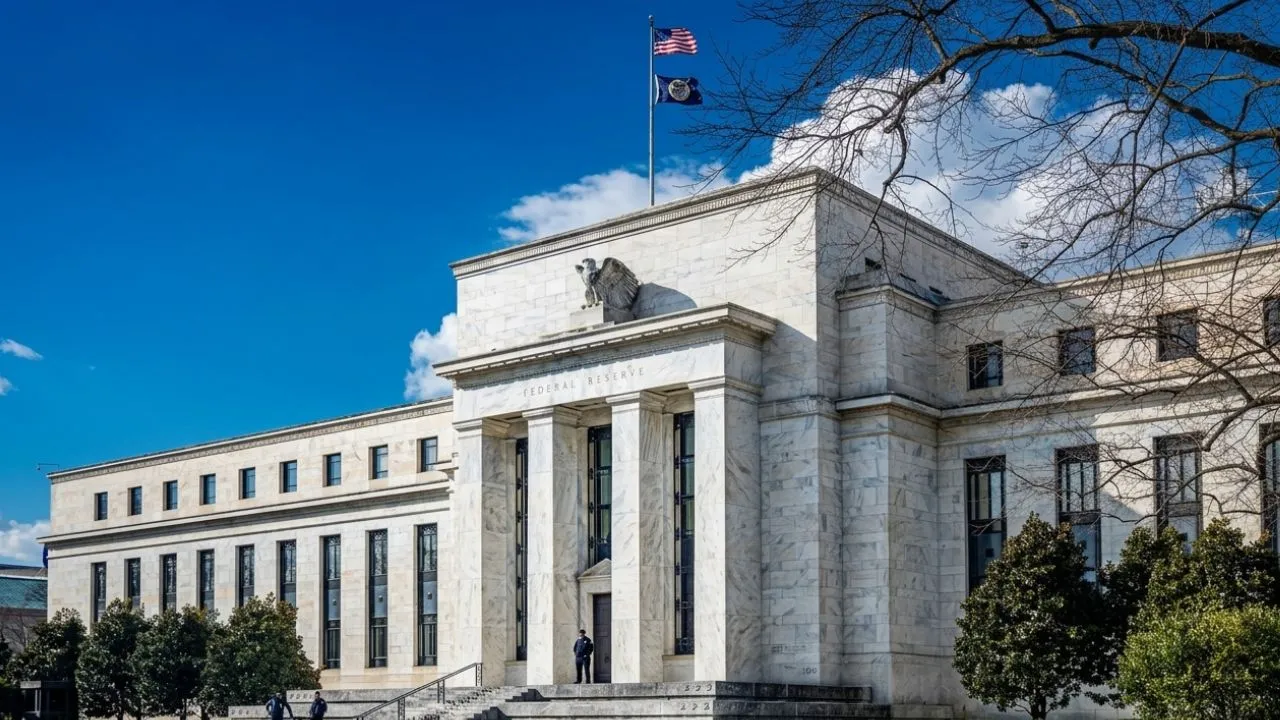
The Federal Reserve released the FOMC minutes from the April 28 to 29, 2026 meeting today at 2:00 PM ET at Federal Reserve. The federal funds rate is 3.5% to 3.75% per the April 29 FOMC implementation note.
The 10-year and 30-year Treasury yields published daily at the Federal Reserve H.15 reflect the market’s current pricing of Federal Reserve rate policy through 2026 and 2027.
US Treasury yields have been rising in 2026 alongside the highest producer price inflation in years, with April PPI reaching 6.0% annually per BLS and April CPI at 3.8% per BLS. The Federal Reserve is holding the federal funds rate at 3.5% to 3.75%.
The FOMC minutes released today at 2:00 PM ET at federalreserve.gov reveal how officials assessed the inflation trajectory driving this yield environment. Treasury yields are the interest rates the United States government pays to borrow money from investors who purchase Treasury bonds, notes, and bills.
When Treasury yields rise, every dollar of debt-financed spending in the American economy becomes more expensive, for the government, for businesses, and most directly for the 84 million American households carrying a mortgage, a car loan, or a personal credit line.
April PPI rose 6.0% annually per BLS. April CPI rose 3.8% annually per BLS. The Federal Reserve is holding the federal funds rate at 3.5% to 3.75%, confirmed in the April 29 FOMC implementation note.
These three data points together produce the rising yield environment that is repricing mortgages, savings accounts, and retirement income simultaneously. The U.S. money movement system guide explains how Treasury market movements translate through the institutional pipeline to consumer financial products.
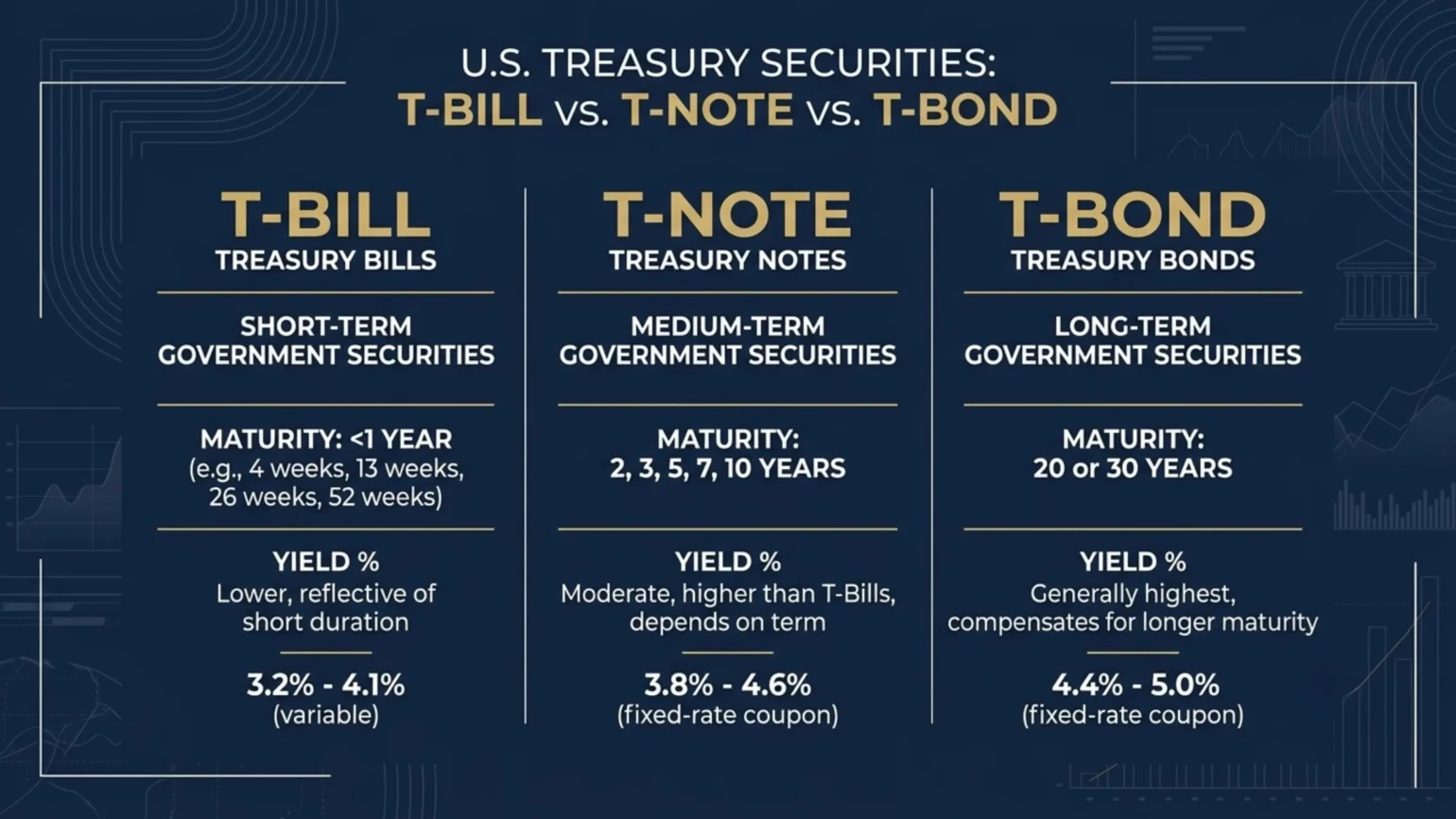
The Treasury yield curve, the set of yields across all maturities from 1 month to 30 years, is published daily by the Federal Reserve at federalreserve.gov/releases/h15. The two yields that matter most for American households are the 10-year, which drives 30-year fixed mortgage rates, and the 2-year, which drives savings account APYs and short-term CD rates.
Both have been moving higher in 2026 in response to persistent inflation data and the uncertainty about whether the Federal Reserve under Kevin Warsh will hold, hike, or eventually cut rates at the June 16 and subsequent FOMC meetings.
What rising Treasury yields mean for your mortgage rate in exact terms
The 30-year fixed mortgage rate is priced by lenders as a spread above the 10-year Treasury yield. Historically, that spread has ranged from 150 to 300 basis points depending on market conditions, with higher spreads during periods of elevated rate volatility and uncertainty. The Federal Reserve H.15 daily rates page publishes the 10-year constant maturity Treasury yield every business day.


When the 10-year yield rises by 25 basis points, mortgage lenders typically adjust their rate sheets upward within 48 to 72 hours. The repricing is not automatic, individual lenders hold different hedging positions and respond on different timelines but the directional transmission is well-documented and consistent across rate cycles.
For a new $400,000 30-year fixed mortgage, a 25 basis point rate increase adds approximately $58 to the monthly payment and approximately $20,800 to the total cost over the loan term.
The FOMC minutes released today at 2:00 PM ET from the April 28 to 29 meeting reveal how committee officials characterized the inflation environment that is driving yields higher.
If the minutes show that a significant portion of participants described energy-driven inflation as persistent rather than temporary, bond markets will price a higher probability of a June 16 rate hike and the 10-year yield will move higher within hours.
That yield movement flows into mortgage rate quotes within 48 to 72 hours. The FOMC minutes rate hike analysis covers the specific language signals in today’s document that drive this mortgage repricing. For mortgage holders with fixed-rate loans already closed, rising Treasury yields do not change their existing payment.
For households with adjustable-rate mortgages (ARMs) or home equity lines of credit (HELOCs), rate adjustments tied to benchmark indexes, typically the prime rate or SOFR, will move higher if the Fed raises rates at June 16 or subsequently. The Warsh June 16 rate hike consumer guide covers the specific adjustment timeline for variable-rate products.
What rising yields mean for savings accounts, CDs, and money market funds
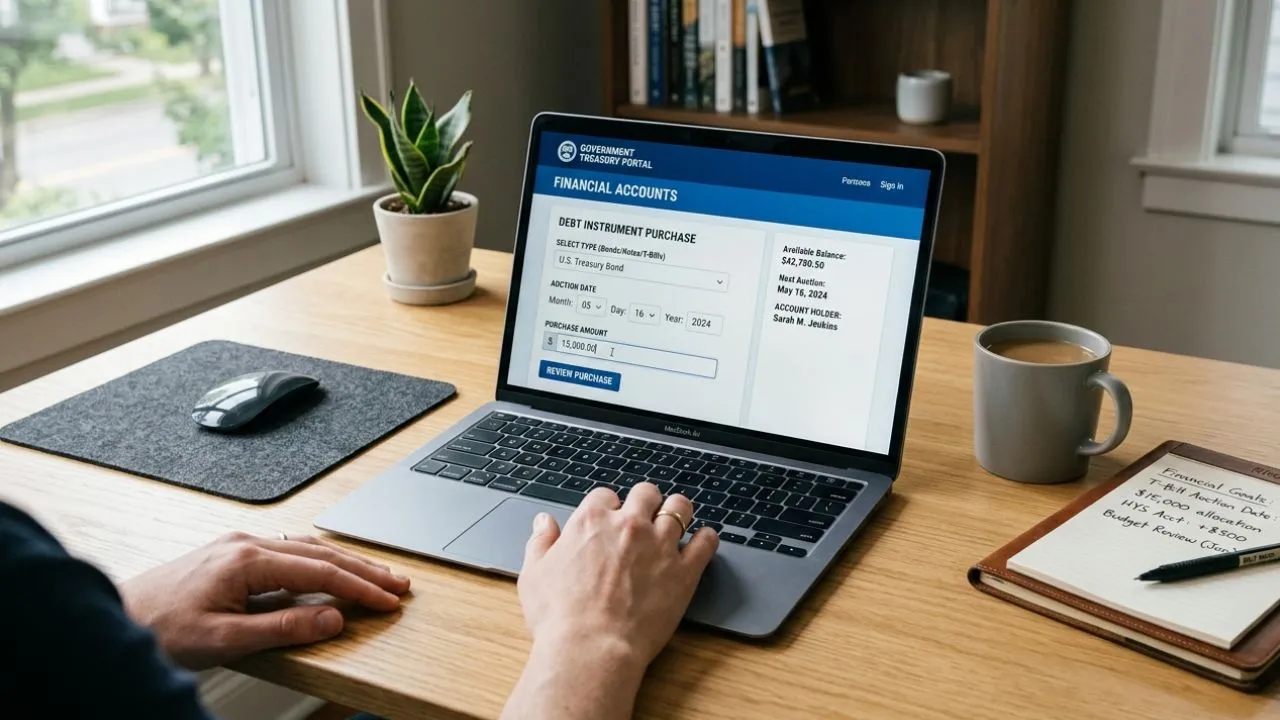
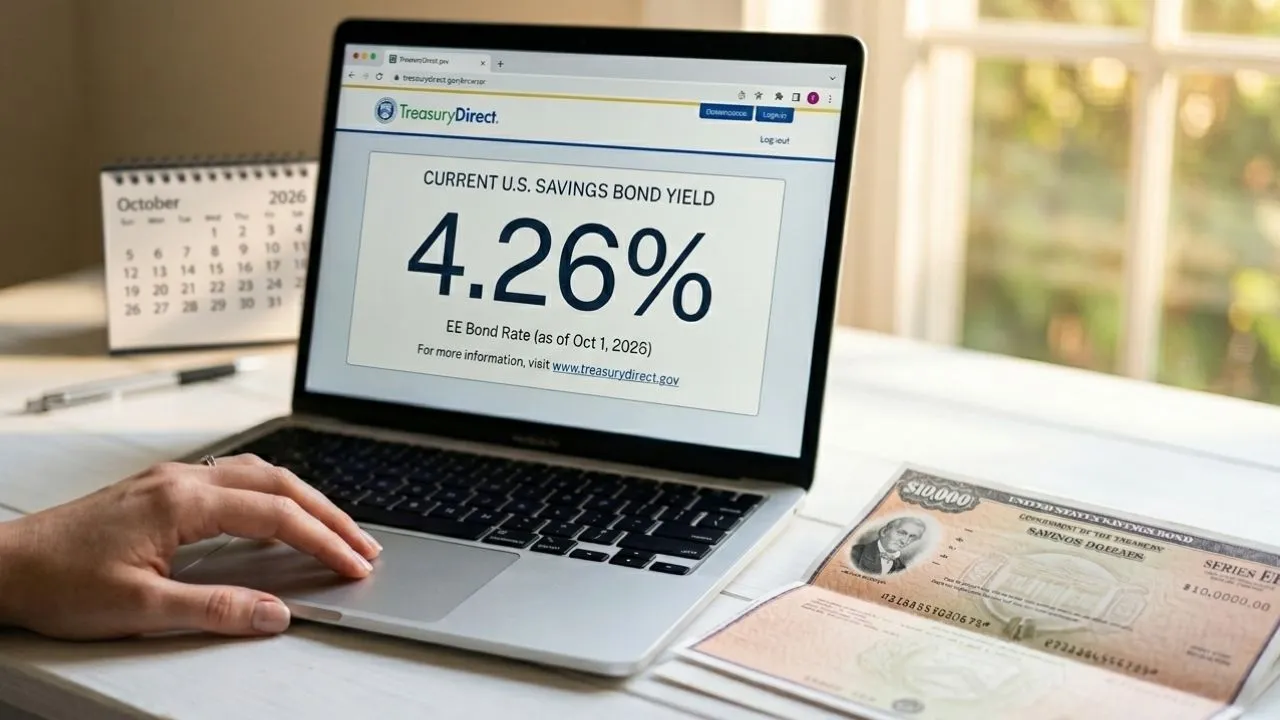
High Treasury yields are the direct cause of the best savings rate environment Americans have seen since 2007. When the 2-year Treasury yield rises, banks that want to attract deposits must offer competitive savings APYs that come close to what savers can earn by simply buying a Treasury bill directly through TreasuryDirect at treasurydirect.gov.
If your savings account pays 3.5% APY but a 6-month Treasury bill yields 4.8%, rational savers move money to Treasuries, so banks raise APYs to compete.
The competitive online savings market in 2026 has APYs ranging from approximately 4.0% to 4.5% at leading institutions, compared to 0.01% to 0.1% at traditional brick-and-mortar savings accounts, which reflects the deposit beta differential discussed in the savings rate after Fed decision guide.
For a household with $100,000 in savings, the difference between a 4.2% HYSA and a 0.05% traditional savings account is approximately $4,150 in annual interest income. CD rates benefit from the same yield dynamic.
When the 2-year Treasury yield is elevated, competitive 12-month and 24-month CDs offer rates that lock in the current high-yield environment. If the Federal Reserve cuts rates later in 2026 or into 2027, CD holders who locked longer terms will continue earning the original rate while new deposits earn lower rates.
The Kevin Warsh Fed chair policy guide covers why his documented preference for holding rates higher for longer supports the CD locking strategy through at least June 2026.
What rising Treasury yields mean for Social Security trust fund solvency
The Social Security Trust Fund holds its reserves in special-issue Treasury securities that earn interest at rates based on current market yields, per ssa.gov/oact/progdata/assets.html. When Treasury yields are higher, the Trust Fund earns more interest income on its holdings, which modestly extends the projected solvency timeline beyond what lower-yield environments would produce.
The Congressional Budget Office projects that the combined Social Security trust funds, at current benefit and revenue trajectories, will be able to pay full scheduled benefits until approximately 2032 to 2034, per CBO projections, at which point incoming revenues would cover approximately 75% to 80% of scheduled benefits.
Higher Treasury yields in 2026 improve this projection slightly, more interest income reduces the annual deficit between Trust Fund outflows and inflows but the structural gap between benefits paid and payroll taxes collected is the primary driver of the solvency timeline, not the yield environment.
The Bureau of the Fiscal Service at the U.S. Treasury disburses all Social Security payments through the FedACH network, per fiscal.treasury.gov. The payment disbursement pipeline operates independently of the Trust Fund investment performance. The Social Security 2032 solvency analysis covers the Trust Fund trajectory in detail across multiple yield and legislative scenarios.
What you should do now
- Check the H.15 rates page and note the current 10-year and 2-year Treasury yields. These two numbers explain your current mortgage rate quote and your current HYSA APY more precisely than any other single data source.
- If you are considering a mortgage in the next 60 days, track the 10-year yield weekly. A sustained move above its recent range signals that your rate quote next month will be higher than today’s quote.
- Compare your current savings APY against the current 6-month Treasury bill yield available at TreasuryDirect. If the Treasury yield is significantly higher than your savings APY, the competition for your deposit has shifted and your bank should be offering a higher rate.
- If you hold Social Security benefits, understand that the Trust Fund’s interest income is positive in the current yield environment, which is a more favorable backdrop for long-term solvency than the near-zero yield years of 2015 to 2021.
- After reading today’s FOMC minutes, watch whether the 10-year yield rises or falls within 30 minutes. That movement is the market’s verdict on whether a June 16 rate hike is now more or less likely than it was this morning.






One thought on “Treasury Yields 2026: Meaning, Rising Rates Impact, and Investor Implications @import url("https://fonts.googleapis.com/css2?family=Poppins:wght@400;500;600&family=Source+Sans+3:wght@400;500;600;700&display=swap"); /* ========================================= NORMAL BYLINE ========================================= */ .izo-clean-byline { display: flex; align-items: center; justify-content: space-between; width: 100%; max-width: 620px; gap: 16px; margin-top: 4px; margin-bottom: 16px; font-family: "Poppins", Arial, sans-serif; } .izo-clean-byline-content { display: flex; flex-direction: column; justify-content: center; align-items: flex-start; min-width: 0; gap: 4px; line-height: 1.12; transform: translateY(-4px); font-family: "Poppins", Arial, sans-serif; } .izo-clean-author-wrap { position: relative; display: inline-block; width: fit-content; line-height: 1.12; margin: 0; padding: 0; outline: none; } .izo-by-label { font-family: "Poppins", Arial, sans-serif; font-size: 14px; font-weight: 400; color: #111; line-height: 1.12; margin-right: 3px; } .izo-clean-author-name { position: relative; display: inline-block; font-family: "Poppins", Arial, sans-serif; font-size: 14px; font-weight: 600; color: #111; cursor: pointer; line-height: 1.12; padding: 0; margin: 0; text-decoration-line: underline; text-decoration-color: #111; text-decoration-thickness: 1px; text-underline-offset: 1px; } .izo-clean-author-name::after { display: none; } .izo-clean-meta { font-family: "Poppins", Arial, sans-serif; font-size: 11px; font-weight: 400; color: #555; line-height: 1.12; margin: 0; padding: 0; } /* ========================================= RIGHT ACTIONS GOOGLE + SHARE ========================================= */ .izo-byline-actions { display: flex; align-items: center; justify-content: flex-end; gap: 7px; flex: 0 0 auto; position: relative; top: 6px; } /* ========================================= GOOGLE SOURCE BADGE ========================================= */ .izo-google-source-badge { display: inline-flex; align-items: center; justify-content: center; width: 34px; height: 34px; min-width: 34px; flex: 0 0 34px; padding: 6px; margin: 0; box-sizing: border-box; background: #ffffff !important; border: 1px solid rgba(85,85,85,0.30) !important; border-radius: 6px; box-shadow: none !important; text-decoration: none !important; overflow: hidden; transition: border-color 0.18s ease, background-color 0.18s ease; } .izo-google-source-badge img { display: block; width: 100%; height: 100%; max-width: 100%; object-fit: contain; object-position: center; margin: 0; padding: 0; border: 0 !important; border-radius: 0 !important; background: transparent !important; box-shadow: none !important; } .izo-google-source-badge:hover { background: #ffffff !important; border-color: rgba(85,85,85,0.45) !important; box-shadow: none !important; transform: none !important; } .izo-google-source-badge:focus { background: #ffffff !important; outline: 1px solid rgba(85,85,85,0.45); outline-offset: 2px; box-shadow: none !important; } /* ========================================= SHARE BUTTON ========================================= */ .izo-share-button { display: inline-flex; align-items: center; justify-content: center; width: 34px; height: 34px; min-width: 34px; flex: 0 0 34px; padding: 7px; margin: 0; box-sizing: border-box; background: #ffffff !important; border: 1px solid rgba(85,85,85,0.30) !important; border-radius: 6px; box-shadow: none !important; color: #333333 !important; cursor: pointer; text-decoration: none !important; overflow: hidden; appearance: none; -webkit-appearance: none; transition: border-color 0.18s ease, color 0.18s ease, background-color 0.18s ease; } .izo-share-button svg { display: block; width: 18px; height: 18px; fill: none; stroke: currentColor; stroke-width: 1.8; stroke-linecap: round; stroke-linejoin: round; margin: 0; padding: 0; } .izo-share-button:hover { background: #ffffff !important; border-color: rgba(85,85,85,0.45) !important; color: #111111 !important; box-shadow: none !important; transform: none !important; } .izo-share-button:focus { background: #ffffff !important; outline: 1px solid rgba(85,85,85,0.45); outline-offset: 2px; box-shadow: none !important; } /* ========================================= AUTHOR DETAILS CARD ========================================= */ .izo-clean-author-tooltip { position: absolute; top: calc(100% + 10px); left: 0; width: 440px; max-width: calc(100vw - 40px); background: #fff; color: #333; border: 1px solid #e5e5e5; border-radius: 8px; padding: 16px; font-family: "Source Sans 3", Arial, sans-serif; font-size: 13px; font-weight: 400 !important; line-height: 1.55; box-shadow: 0 8px 24px rgba(0,0,0,0.10); opacity: 0; visibility: hidden; transform: translateY(5px); transition: opacity 0.2s ease, transform 0.2s ease, visibility 0.2s ease; z-index: 9999; pointer-events: none; } /* ========================================= IMAGE + BIO ========================================= */ .izo-tooltip-main { display: flex; align-items: flex-start; gap: 14px; width: 100%; } .izo-tooltip-image { width: 96px; height: 96px; flex: 0 0 96px; object-fit: cover; object-position: center; display: block; border-radius: 6px; margin: 0; padding: 0; } .izo-tooltip-bio { flex: 1 1 auto; min-width: 0; font-family: "Source Sans 3", Arial, sans-serif; font-size: 13px; font-weight: 400; line-height: 1.55; color: #333; margin: 0; padding: 0; } .izo-clean-author-tooltip strong { font-family: "Source Sans 3", Arial, sans-serif; font-weight: 400 !important; } /* ========================================= DESKTOP HOVER ========================================= */ .izo-clean-author-wrap:hover .izo-clean-author-tooltip { opacity: 1; visibility: visible; transform: translateY(0); pointer-events: auto; } /* ========================================= KEYBOARD / MOBILE TAP ========================================= */ .izo-clean-author-wrap:focus .izo-clean-author-tooltip, .izo-clean-author-wrap:focus-within .izo-clean-author-tooltip { opacity: 1; visibility: visible; transform: translateY(0); pointer-events: auto; } /* ========================================= POPUP FOOTER SOCIALS | READ PROFILE ========================================= */ .izo-tooltip-footer { display: flex; align-items: center; gap: 14px; margin-top: 16px; width: 100%; } .izo-tooltip-socials { display: flex; align-items: center; gap: 14px; margin: 0; padding: 0; } .izo-tooltip-socials a { display: inline-flex; align-items: center; justify-content: center; width: 24px; height: 24px; color: #222; text-decoration: none; border: none; transition: opacity 0.2s ease, transform 0.2s ease; } .izo-tooltip-socials a:hover { opacity: 0.72; transform: translateY(-1px); } .izo-tooltip-socials svg { width: 21px; height: 21px; fill: currentColor; display: block; } /* Grey separator */ .izo-tooltip-separator { display: inline-flex; align-items: center; justify-content: center; color: #b5b5b5; font-family: "Source Sans 3", Arial, sans-serif; font-size: 20px; font-weight: 400; line-height: 1; margin: 0 1px; } /* Read profile */ .izo-clean-author-tooltip .izo-profile-link { display: inline-block; font-family: "Source Sans 3", Arial, sans-serif; font-size: 13px; font-weight: 600; color: #1a73e8; text-decoration: none; border-bottom: 1px solid #1a73e8; line-height: 1.25; white-space: nowrap; } /* ========================================= MOBILE ========================================= */ @media (max-width: 650px) { .izo-clean-byline { display: flex; flex-direction: row; align-items: center; justify-content: space-between; width: 100%; max-width: 100%; gap: 7px; margin-top: 3px; margin-bottom: 14px; flex-wrap: nowrap; } .izo-clean-byline-content { display: flex; flex-direction: column; flex: 1 1 auto; min-width: 0; max-width: calc(100% - 68px); gap: 3px; line-height: 1.12; transform: translateY(-4px); } .izo-clean-author-wrap { line-height: 1.12; margin: 0; padding: 0; max-width: 100%; white-space: nowrap; } .izo-by-label { font-size: 12px; line-height: 1.12; margin-right: 3px; } .izo-clean-author-name { font-size: 12px; font-weight: 600; line-height: 1.12; padding: 0; margin: 0; text-underline-offset: 1px; white-space: nowrap; } .izo-clean-meta { font-size: 9.5px; line-height: 1.12; margin: 0; padding: 0; color: #555; white-space: nowrap; } /* ========================================= GOOGLE + SHARE MOBILE STAY ON SAME ROW ========================================= */ .izo-byline-actions { display: flex; flex-direction: row; align-items: center; justify-content: flex-end; gap: 5px; flex: 0 0 auto; white-space: nowrap; position: relative; top: 5px; } /* GOOGLE MOBILE */ .izo-google-source-badge { width: 28px; height: 28px; min-width: 28px; flex: 0 0 28px; padding: 5px; border-radius: 5px; background: #ffffff !important; border: 1px solid rgba(85,85,85,0.30) !important; box-shadow: none !important; margin: 0; } .izo-google-source-badge img { width: 100%; height: 100%; } /* SHARE MOBILE */ .izo-share-button { width: 28px; height: 28px; min-width: 28px; flex: 0 0 28px; padding: 6px; border-radius: 5px; background: #ffffff !important; border: 1px solid rgba(85,85,85,0.30) !important; box-shadow: none !important; margin: 0; } .izo-share-button svg { width: 15px; height: 15px; stroke-width: 1.8; } /* ========================================= MOBILE AUTHOR CARD ========================================= */ .izo-clean-author-tooltip { width: min(340px, calc(100vw - 32px)); max-width: calc(100vw - 32px); padding: 14px; left: 0; font-size: 12.5px; line-height: 1.5; } .izo-tooltip-main { gap: 11px; align-items: flex-start; } .izo-tooltip-image { width: 82px; height: 82px; flex: 0 0 82px; border-radius: 5px; } .izo-tooltip-bio { font-size: 12.5px; line-height: 1.5; } /* Mobile footer */ .izo-tooltip-footer { gap: 11px; margin-top: 14px; flex-wrap: nowrap; } .izo-tooltip-socials { gap: 12px; } .izo-tooltip-socials a { width: 22px; height: 22px; } .izo-tooltip-socials svg { width: 20px; height: 20px; } .izo-tooltip-separator { font-size: 18px; margin: 0; } .izo-clean-author-tooltip .izo-profile-link { font-size: 12.5px; line-height: 1.2; } }
ByAdarsha Dhakal

Adarsha Dhakal is the Founder and Editor of Investozora, an independent U.S. financial news publication he launched in August 2025. He covers IRS tax refunds, Social Security benefit payments, federal payment systems, Federal Reserve policy, and U.S. Treasury operations, explaining how government financial decisions affect the daily lives of American households. All reporting is sourced directly from official government records including IRS.gov, SSA.gov, FederalReserve.gov, and fiscal.treasury.gov.
|
Read full profile →
Published May 20, 2026 · 9:32 AM ET · Updated 2 months ago

”