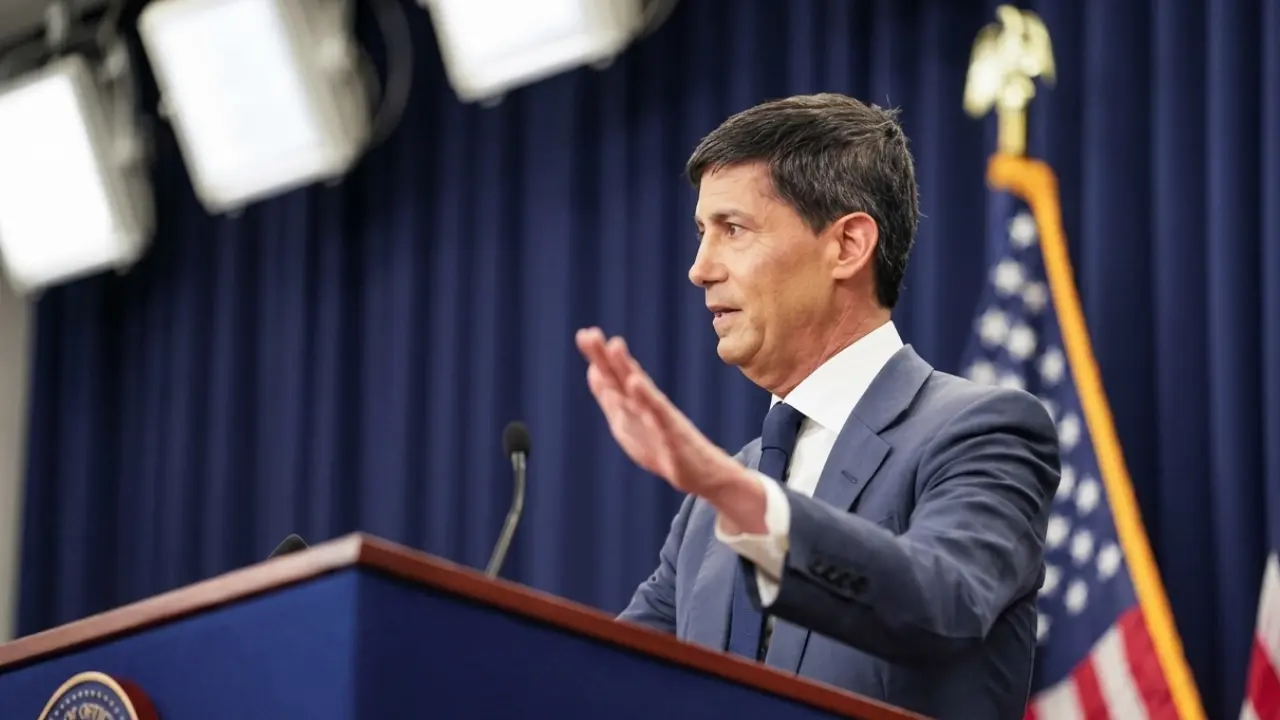

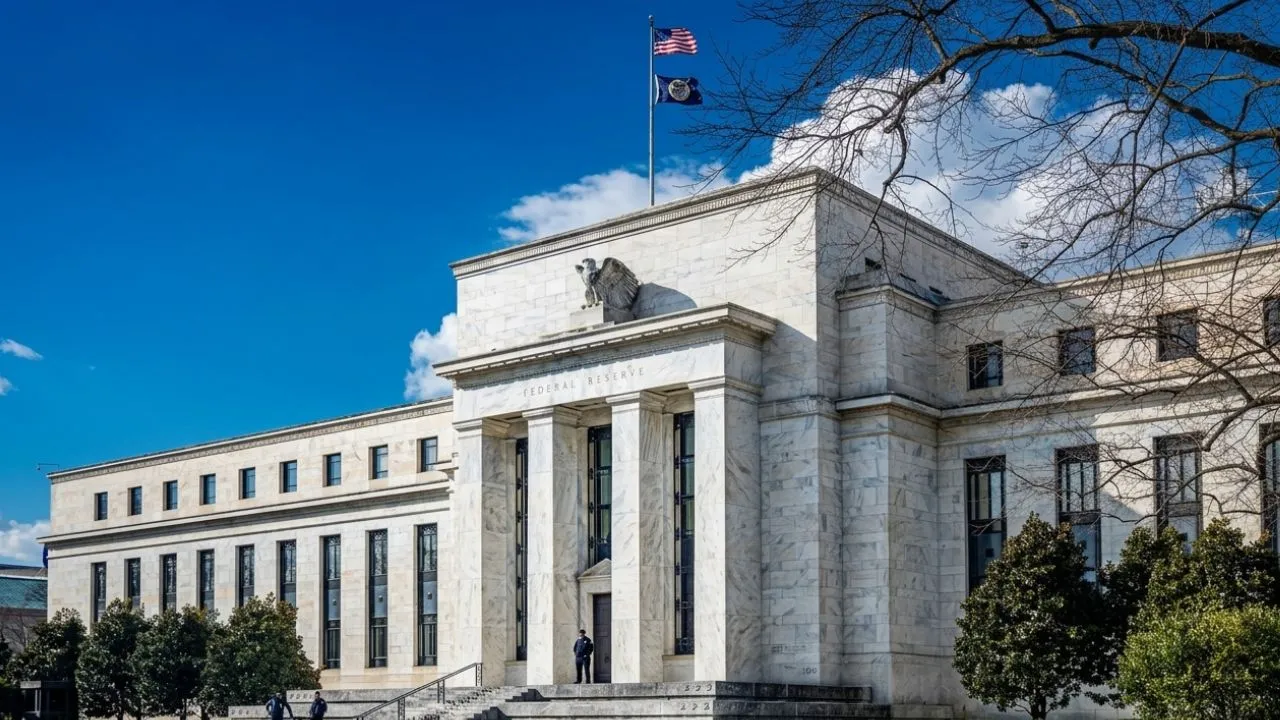
Warsh chairs his first full dot plot meeting today. Statement at 2:00 PM ET. Watch for removal of easing bias language, the single clearest signal of his communication shift now taking effect in real time.
Kevin Warsh is now the 17th chair of the Federal Reserve, confirmed 54-45 by the Senate on May 13, 2026. Every American with a savings account, mortgage, CD, or car loan has a stake in understanding exactly what a new Fed chair changes and what the chair cannot change.
The distinction matters because financial media frequently conflates the two, creating confusion about what Warsh’s arrival actually means for the interest rates that govern household finances. The federal funds rate currently sits at 3.5% to 3.75%, confirmed at the April 29 FOMC meeting.
That rate did not change when Warsh was confirmed. It will not change until the FOMC votes to change it. The U.S. money movement system guide explains how the rate transmission from Fed vote to your bank account works regardless of who chairs the committee.
What does change immediately when a new chair takes office is four specific things: the meeting agenda, the tone and precision of public communication, the priorities brought to internal committee deliberation, and the speed at which the chair builds consensus for policy shifts.
These four changes, operating over months and years, are what produce different rate environments under different chairs. Understanding each one gives you a genuine, permanent framework for reading every Fed announcement under Warsh’s tenure.
What Warsh changes about Fed communication and why it moves markets
Jerome Powell’s approach to Federal Reserve communication was built on transparency and forward guidance. He regularly signaled future rate moves in advance, gave specific language in press conferences about the committee’s thinking, and maintained a consistent narrative about the policy path.

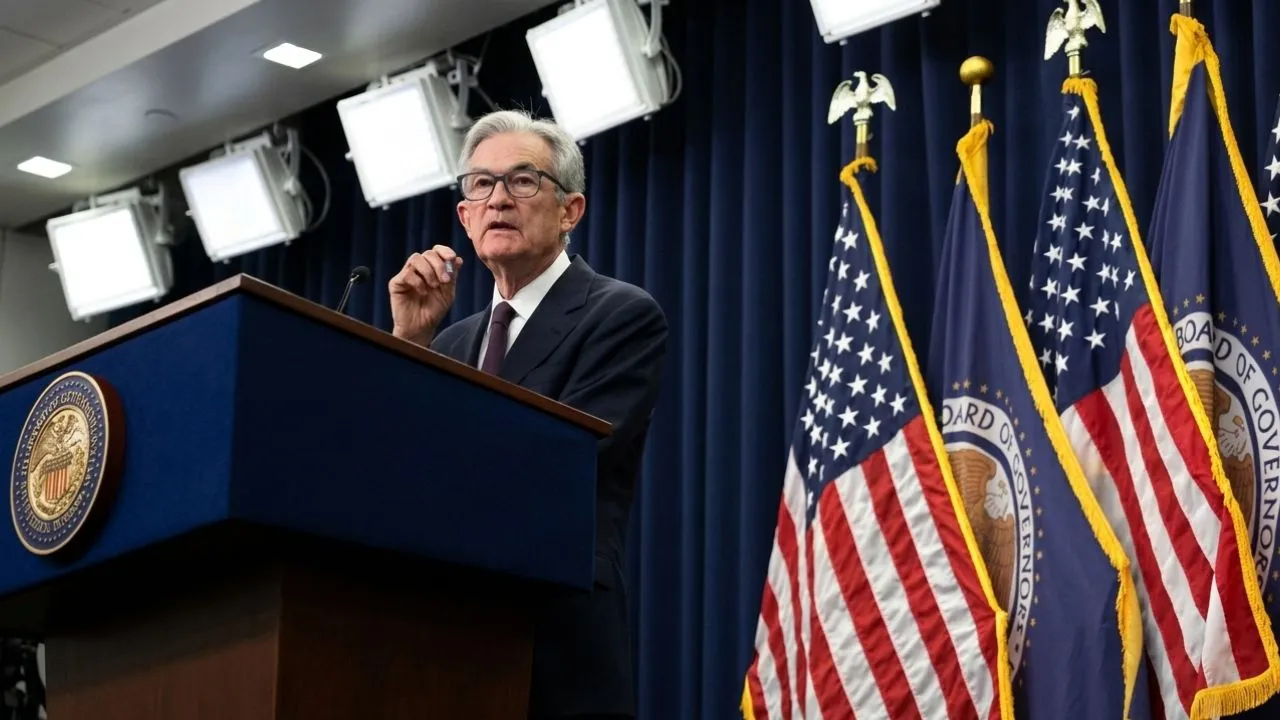
This approach reduced market surprise but also constrained the committee’s flexibility by pre-committing to paths that incoming data could contradict. Warsh has publicly stated a preference for significantly less forward guidance. In his Senate Banking Committee confirmation testimony on April 21, he described excessive forward guidance as a practice that “mortgages the committee’s future flexibility.”
His preference is for the Fed to communicate what it observes and what it decides, rather than what it intends to do at future meetings. This shift matters for your financial products in a specific way. When the Fed provides forward guidance, banks price savings APYs and mortgage rates based on the Fed’s stated future intentions.
When forward guidance is reduced, banks must price based on current data rather than Fed promises. The practical consequence is wider spreads between the federal funds rate and consumer product rates, and more volatility in those rates between FOMC meetings, as banks must continually reprice without the anchor of official forward guidance.
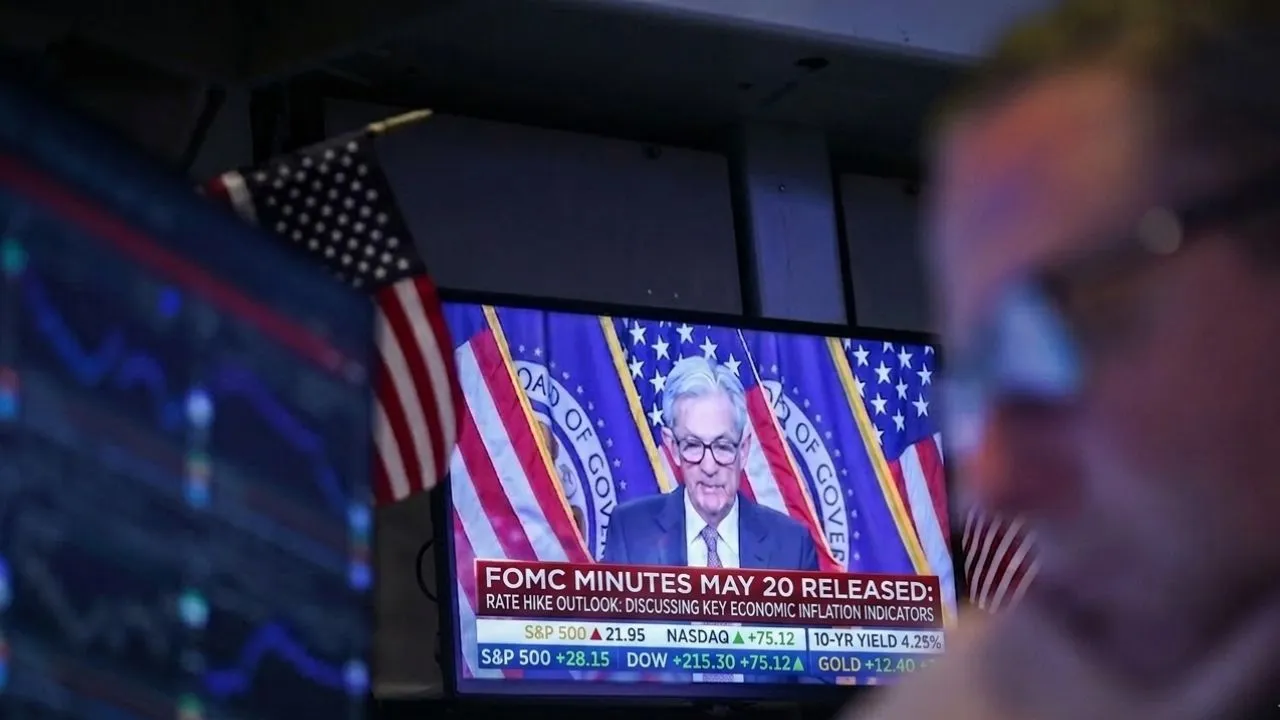
The how the Fed controls interest rates guide explains the bank pricing mechanism and how forward guidance affects it. The first concrete evidence of Warsh’s communication approach will appear in the language of the June 16 FOMC statement.
If he removes the “easing bias” language that Powell maintained, the phrase suggesting future rate cuts were being considered, bond markets will immediately price out any 2026 rate cut probability.
That repricing will add basis points to the 10-year Treasury yield and, through the standard spread mechanism, to 30-year mortgage rates within 48 hours of the statement. The Warsh June 16 rate hike consumer impact analysis covers each possible statement outcome and its dollar effect on mortgages and savings.
What Warsh changes about the Fed’s balance sheet and what that means for rates
The Federal Reserve’s balance sheet currently holds approximately $6.7 trillion in assets, primarily Treasury bonds and mortgage-backed securities, per CNN reporting from Warsh’s confirmation testimony.
The balance sheet reached this level because the Fed purchased assets aggressively during the COVID-19 pandemic to support financial markets. The Fed has been reducing the balance sheet since 2022 by allowing assets to mature without reinvestment, at a pace of approximately $60 billion per month.
Warsh has advocated for accelerating this reduction. A faster balance sheet reduction drains reserves from the banking system more quickly, which creates upward pressure on short-term interest rates independently of the federal funds rate target.
This is the second tightening tool available to the Fed, operating alongside the rate vote. If Warsh pursues both tools simultaneously, holding or raising the federal funds rate while accelerating balance sheet reduction, the combined effect on consumer rates would be larger than either tool alone would produce.
For mortgage holders specifically, a faster balance sheet reduction matters because the Fed’s mortgage-backed securities holdings directly affect the supply of mortgage credit in the market. When the Fed holds large quantities of mortgage-backed securities, it supports the mortgage market and keeps rates lower than they would otherwise be.
As those securities are allowed to mature faster, the private market must absorb more mortgage credit without Fed support, which exerts upward pressure on mortgage rates above what the federal funds rate alone would generate. The June 16 FOMC meeting preview covers how the balance sheet decision interacts with the rate vote at Warsh’s first meeting.
What Warsh cannot change: the committee structure and the dual mandate
The Federal Reserve chair is one of 12 voting members of the FOMC. The chair controls the agenda and the public communication but not the majority vote. To move rates in either direction, Warsh needs seven votes from the twelve available, five from the seven governors and two from the five rotating regional bank presidents.
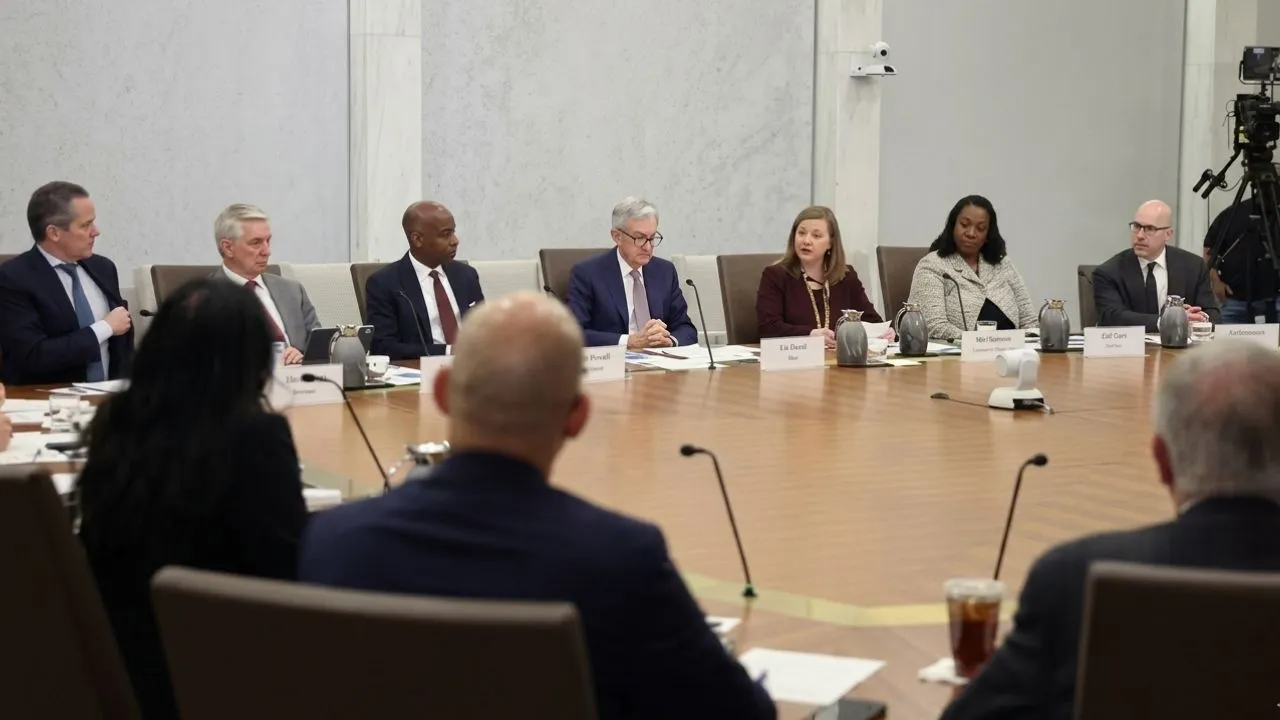
The April 29 meeting produced an 8-to-4 vote, the most dissent since October 1992, per the official April 29 FOMC statement. Three hawkish dissenters wanted to remove language suggesting rate cuts were coming. One dovish dissenter wanted to cut rates immediately. Warsh inherits this divided room and must build consensus at each meeting, not assume it.
Jerome Powell remains on the FOMC as a governor with two years remaining on his term. Three other governors were appointed by President Biden. Their policy views differ from Warsh’s documented preferences.
The committee is genuinely divided and Warsh’s ability to implement his preferred policy shifts depends on persuading members whose views he does not control. The committee division analysis covers the specific voting dynamics Warsh faces at June 16.
The Federal Reserve’s dual mandate, stable prices and maximum employment, is established by law in the Federal Reserve Act and cannot be changed by the chair or the committee. Warsh has stated his view that price stability is the Fed’s primary obligation in the current environment, but this is a statement of priority within the mandate, not a change to the mandate itself.
The Bureau of the Fiscal Service at the U.S. Treasury disburses all federal payments, Social Security benefits, IRS refunds, federal salaries, through FedACH. The rate environment Warsh manages affects the overnight borrowing costs in that network and flows through to every household that receives or relies on federal payments.
What Warsh’s tenure means for your savings, mortgage, and CD over the next year
For savings accounts: Warsh’s documented hawkish bias and his preference for less forward guidance both argue for rates remaining higher for longer than a continuation of Powell’s policy would have produced. If the Fed does not cut rates in 2026, competitive high-yield savings APYs remain elevated through year end.
The rate at which APYs eventually fall when cuts do occur depends on the speed of the cutting cycle, which under Warsh is likely to be slower and more data-dependent than under a more dovish chair. This is genuinely good news for savers with existing high-yield accounts.
For mortgage holders: the uncertainty created by reduced forward guidance, combined with potentially faster balance sheet reduction, argues for wider mortgage rate spreads and more volatility between FOMC meetings.
The 30-year fixed mortgage rate will be more difficult to predict in advance under Warsh than it was under Powell, because the Fed will provide fewer advance signals. Locking a mortgage rate before a known FOMC meeting date becomes more valuable than it was under a forward-guidance-heavy chair. For CD holders: the higher-for-longer environment Warsh’s policy approach signals supports locking longer-term CDs at current rates.
If the Fed does not cut in 2026 as markets previously expected, 12-month and 18-month CDs purchased today capture the full rate environment rather than repricing downward mid-term. The June 16 savings and CD guide covers the specific account-by-account strategy for the Warsh rate environment.
What you should do now
- Understand that a new Fed chair does not change rates on arrival. The June 16 vote is the first opportunity for the committee to adjust the rate under Warsh’s chairmanship. Plan your CD and savings strategy around that date, not the confirmation date.
- Monitor Federal Reserve Board press releases page for Warsh’s official swearing-in announcement, which will trigger his first public statements as sworn-in chair. Bond markets will respond within the same trading session.
- Read the June 16 FOMC statement language specifically for changes to the easing bias phrase. Its removal signals that 2026 rate cuts are off the table. Its retention signals the committee remains open to future cuts.
- Use the Federal Reserve H.15 daily rates page as your primary rate monitoring tool. This is where the 10-year Treasury yield and benchmark consumer rates are published daily from the primary source.
- If you have a variable-rate mortgage or HELOC, contact your servicer before June 16 to understand your next rate adjustment date and cap structure.