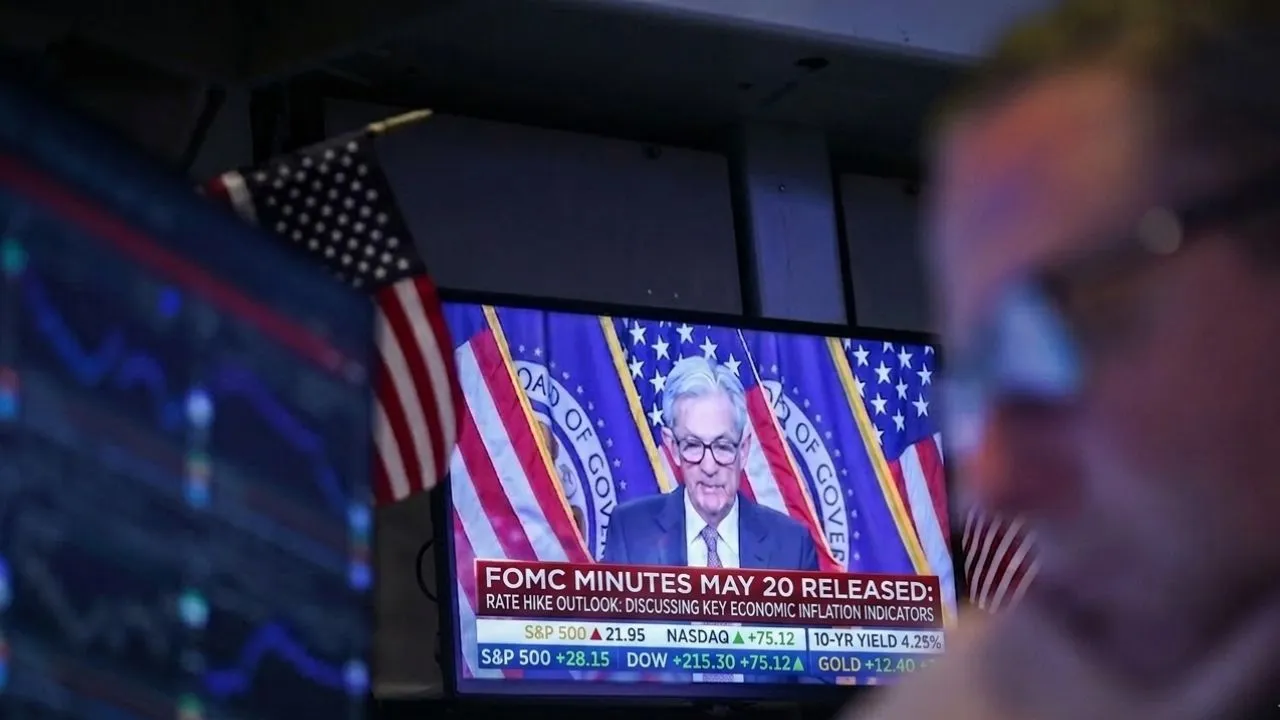


The three signals this article mapped from the May 20 minutes resolve today. Decision at 2:00 PM ET. Savings rate repricing begins within 72 hours. See the repricing sequence for what happens to your HYSA next.
The Federal Reserve releases its most detailed window into policymaker thinking in three days. The FOMC minutes from the May 6 to 7 meeting drop at 2:00 PM ET on Tuesday, May 20, and three specific signals inside the document will tell you more about the June 16 rate decision under Kevin Warsh than any market commentary published between now and then.
For the approximately 130 million American households with savings accounts, CDs, or mortgages, Tuesday afternoon is the most consequential 60 minutes of the financial calendar until Warsh votes on June 16.
The U.S. money movement system explains the direct institutional path from a Fed policy signal to your bank account. The federal funds rate sits at 3.5% to 3.75%, confirmed at the April 29 meeting. The April 29 vote was 8 to 4, the most divided FOMC since October 1992.
What the May 20 minutes reveal about those four dissenters and about whether their hawkish arguments gained traction with the broader committee in the weeks before Warsh took over, is the intelligence that will either move bond markets sharply or confirm the hold that CME FedWatch is currently pricing as overwhelmingly likely for June 16.
Three signals inside the minutes that change your savings math
Signal one is inflation language frequency
Count how many times the word “persistent” appears alongside “inflation” in the minutes. Each occurrence represents a committee participant who views the current energy-driven inflation as structural rather than temporary. The April 29 statement acknowledged inflation remained “elevated.”

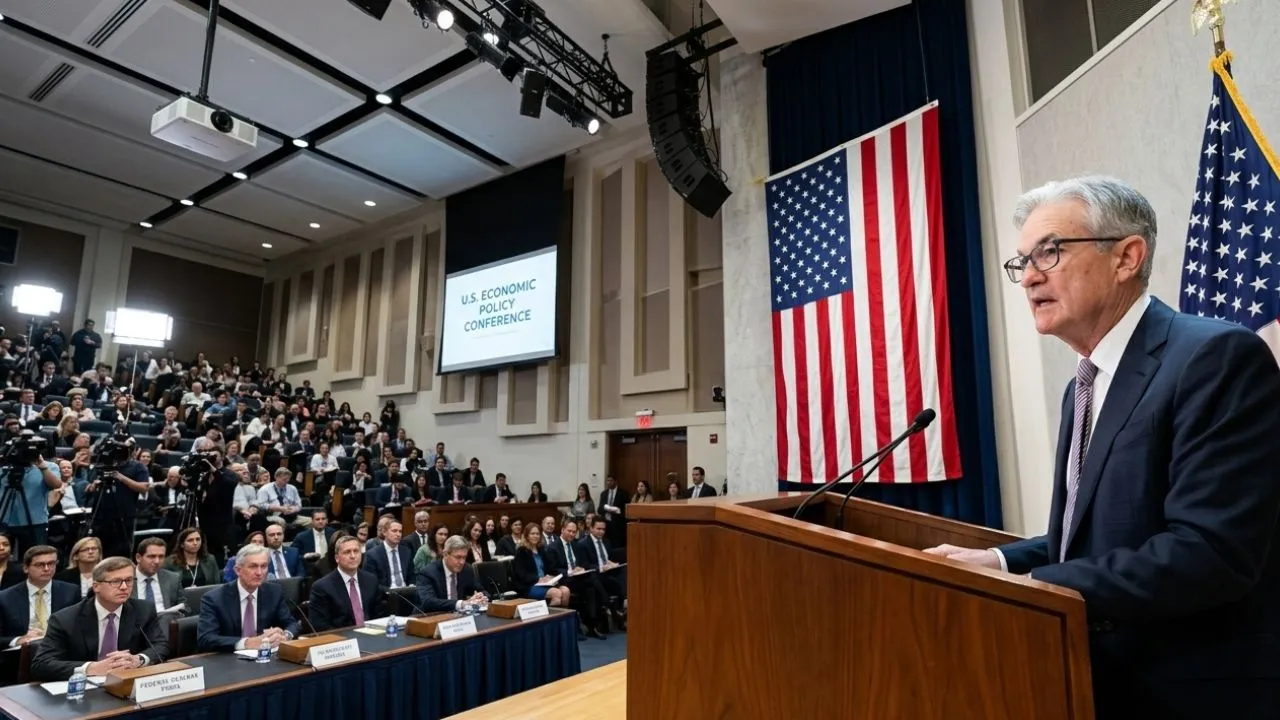

If the May 20 minutes show a majority of participants used the word “persistent” internally, that is evidence the June 16 statement will remove the easing bias entirely. Removing the easing bias makes a rate hike more mathematically likely before year end.
Signal two is the count of participants discussing rate hike scenarios
The minutes use precise language: “a few participants” means 2 to 3 people. “Several participants” means 4 to 5. “A number of participants” means 6 or more. “Most participants” means 9 or more.
If the minutes show that “several” or “a number of” participants discussed rate hike scenarios in the May 6 to 7 internal debate, June 16 under Warsh becomes a genuinely live event for a 25 basis point increase. The Warsh divided committee analysis explains why the composition of those discussing hike scenarios matters more than the final vote count.
Signal three is the balance sheet discussion
Warsh has publicly advocated for accelerating the Fed’s balance sheet reduction, which holds $6.7 trillion in assets per CNN reporting confirmed from his testimony. If the May 20 minutes show that committee participants discussed faster balance sheet reduction as a near-term policy tool, that is a second form of tightening that operates alongside the rate vote.
Two simultaneous tightening tools produce a larger impact on consumer rates than one alone. The how the Fed controls interest rates guide explains the balance sheet transmission mechanism in full consumer-facing terms.
What each signal outcome does to your savings account in real dollars
If all three signals are hawkish: bond markets move immediately after 2 PM ET. The 10-year Treasury yield rises 10 to 15 basis points by end of day Tuesday. Mortgage lenders revise quotes upward within 48 hours.
Banks begin internally modeling a June 16 rate hike and slow their pace of APY reductions on savings accounts. If you have a CD maturing before June 17, rolling it after the minutes release but before June 16 captures current rates without locking in below a potential hike.
If signals are mixed: markets consolidate near current levels. No significant movement in mortgage rates before June 16. Savings APYs stay near current competitive levels. The June 16 vote remains genuinely uncertain and CD strategy holds as described in the June 16 savings and CD guide.
If signals are dovish: bond markets rally. The 10-year yield falls. Mortgage lenders begin offering slightly lower rates within 48 hours. Banks with variable savings products may begin moving APYs lower ahead of a perceived June 16 hold or cut. For savers, this is the signal to lock a longer-term CD at current rates before the market pricing adjusts downward.
The FOMC minutes May 20 five signals full analysis covers all five signals in institutional depth. The May 20 rate hike what to expect covers the market mechanics of the release window itself.
What you should do now
- If you have a high-yield savings account, note your current APY today. Compare it at 3 PM ET on Tuesday after the minutes release. If your APY is below 4.10% and the minutes are hawkish, competitive institutions will begin offering higher rates within two weeks. That is the window to switch.
- Do not roll a maturing CD before 2 PM ET on Tuesday unless your cash cannot sit idle. Thirty minutes of reading after the release will tell you whether June 16 is likely to deliver higher CD rates than you can lock today.
- If you are shopping for a mortgage between now and June 15, request rate locks from multiple lenders before Tuesday. A hawkish minutes surprise will make rate quotes more expensive within 48 hours. A rate lock before Tuesday removes that risk.
- Check your variable-rate loan terms today. Know your index and your cap before the minutes release.
- Bookmark Fed minutes and access the document directly at 2 PM ET Tuesday. Your financial decision should be based on the primary source.