
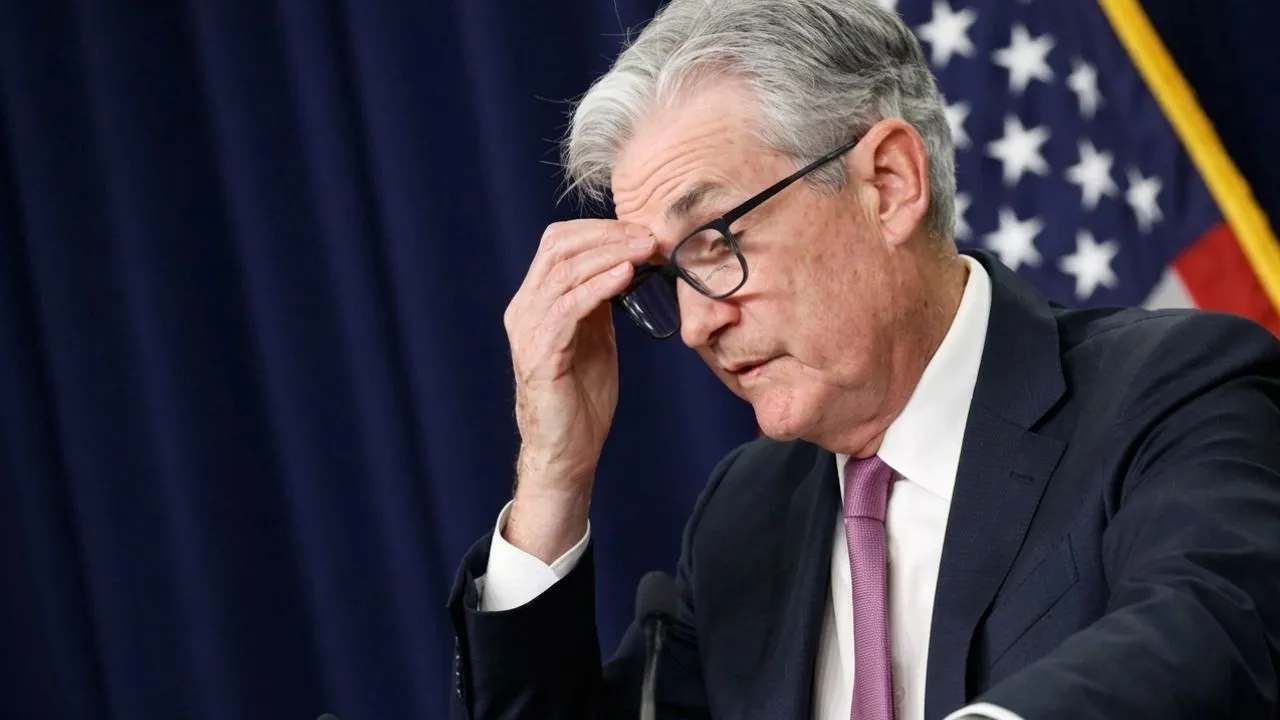
The 32-day window this article mapped ends today at 2:00 PM ET. After the decision, the savings repricing sequence begins within hours. CD rollover decisions should wait until after 3:00 PM ET today.
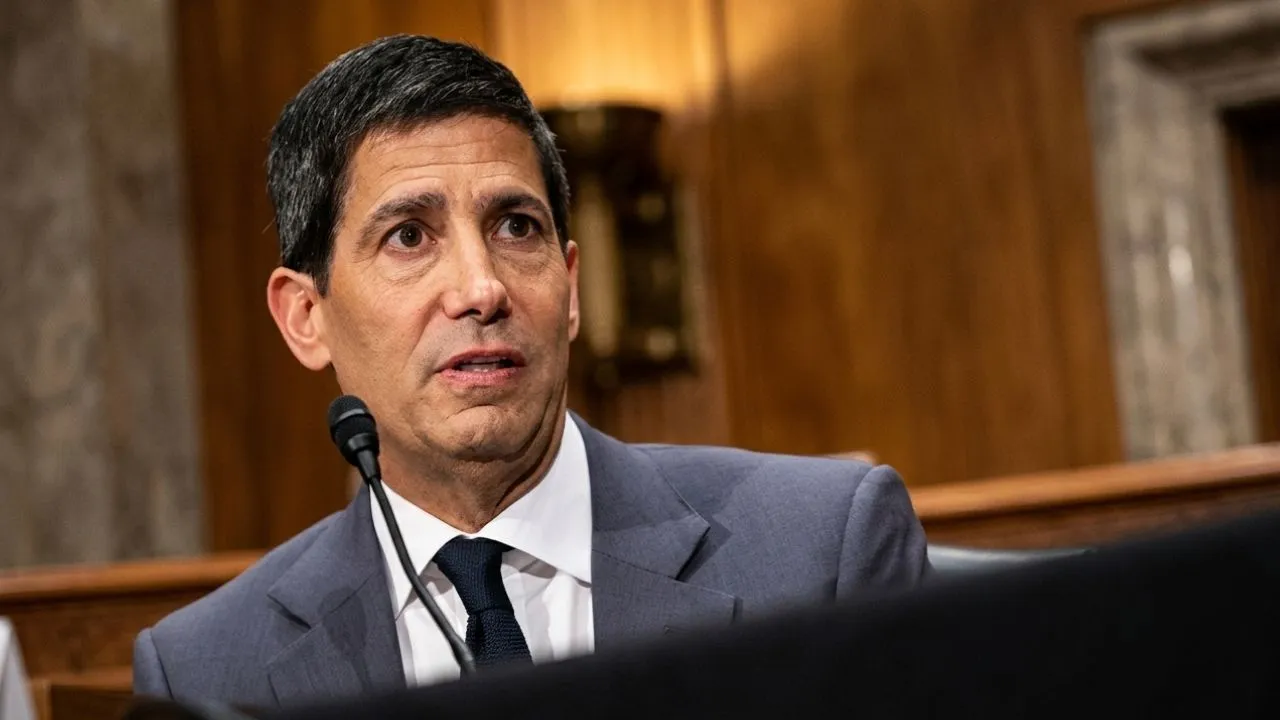
There are 33 days until Kevin Warsh chairs his first Federal Reserve rate decision meeting. That meeting is June 16 and 17. The data environment he inherits is the most inflation-pressured since 2022. PPI at 6%. CPI at 3.8%.
Three FOMC dissenters already calling for rate hike language at the April 29 meeting. The question every American with savings, a maturing CD, or a mortgage decision pending needs answered is the same one: what do I do with my money in the next 32 days? This article answers it precisely.
The 32-Day Window and the Three Events That Determine Everything
Three specific data events will determine whether Warsh raises rates on June 16. Understanding them is the prerequisite for every financial decision in this article.
May 20 at 2:00 PM ET: The FOMC minutes from the May 6 and 7 meeting release at federalreserve.gov. These minutes reveal how many of the 19 FOMC participants discussed rate hike scenarios at the last meeting before Warsh was confirmed and before PPI reached 6%.
If six or more participants flagged rate hike scenarios in those minutes, June 16 becomes near-certain for a hike. See our FOMC minutes reading guide for what to look for.
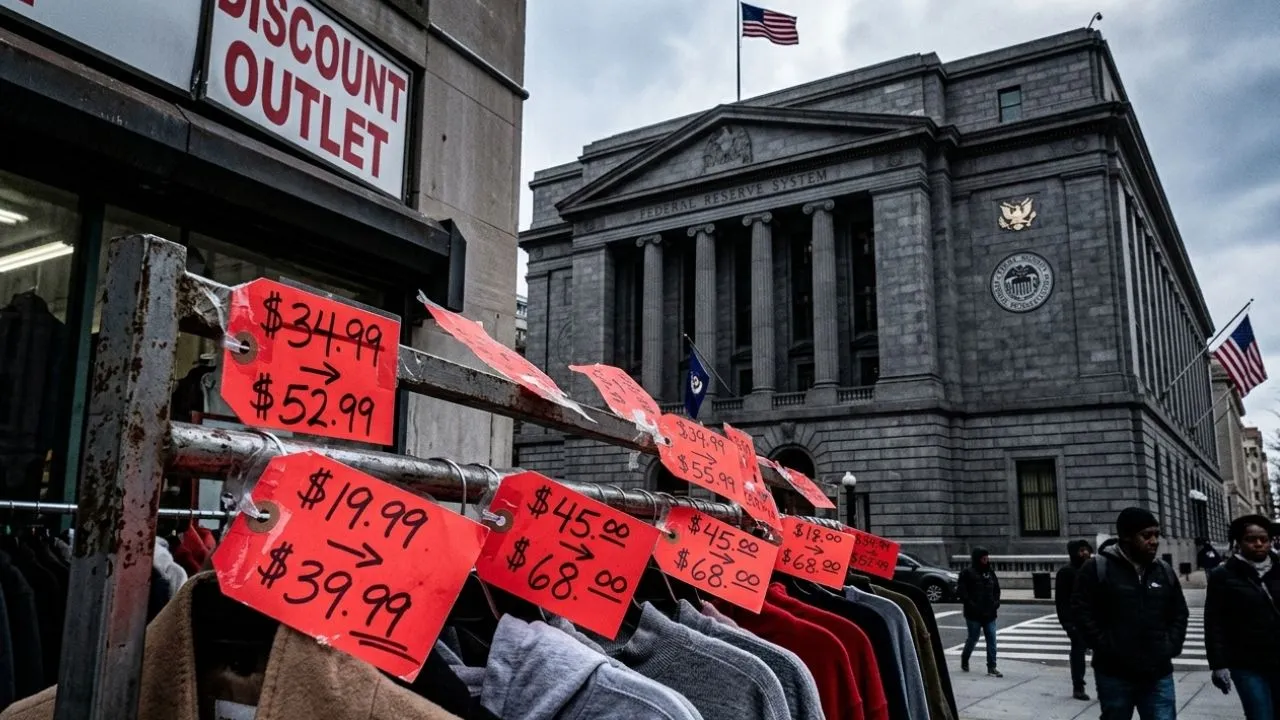

Late May: The May PPI release confirms whether April’s 6% was a one-month spike or a sustained trend. A May PPI above 5.5% eliminates any data-driven justification for Warsh to hold rates with the easing bias intact.
Approximately June 10 through 12: May CPI releases. This is the final major inflation data point before June 16. If May CPI rises from April’s 3.8%, a June 16 rate hike becomes the consensus expectation across all major financial institutions.
One clarification that matters for federal payment recipients: the Bureau of Fiscal Service at Treasury disburses all federal payments through FedACH, and that pipeline is unaffected by any rate decision.
Social Security deposits, IRS refunds, and VA payments arrive on the same schedule regardless of what Warsh decides on June 16. The rate decision only affects what commercial banks pay on the money after it arrives in your account.
For Savings Accounts: What to Do Before June 16
The current high-yield savings environment: leading online banks and credit unions are offering 4.5% to 5.0% APY. These rates are directly tied to the federal funds rate at federalreserve.gov. If Warsh raises rates 25 basis points on June 16, these rates move higher within one to two weeks.
The action for savers: do not lock funds into long-term fixed instruments that reset before September. Stay in high-yield savings, money market accounts, or short-duration Treasury bills through June 16. If the June 16 decision is a rate hike, you capture the higher rate immediately at rollover.
For consumers still in a standard bank savings account earning under 1%: the math does not require June 16 to justify moving. A $25,000 balance in a 5.0% high-yield savings account earns approximately $1,250 annually. The same balance at 0.5% earns $125.
That $1,125 difference is available right now, independent of any rate decision. Treasury bills at treasurydirect.gov are available in $100 minimums with maturities of 4, 8, 13, 17, 26, and 52 weeks, and currently reflect the 3.5% to 3.75% federal funds rate environment.
For our full savings rate and deposit timing guide, see the analysis of how rate decisions flow from the FOMC statement to your bank account.
For CDs: The Decision That Depends on the May 20 Minutes
If you have a CD maturing between now and July 31, the June 16 decision is the critical variable and the May 20 FOMC minutes are the clearest available preview.
Scenario A, the most likely given current data: Warsh raises rates 25 basis points on June 16. If you can hold funds in high-yield savings through June 17, you reinvest your CD at the higher post-hike rate.
The opportunity cost of waiting in savings instead of a CD is minimal: at 5.0% savings versus 5.25% CD, the gap on $50,000 over six weeks is approximately $125. The upside if June 16 delivers a 25-basis-point hike is a CD rate improvement of 0.25% to 0.50% annually on every dollar you reinvest.
Scenario B: Warsh holds rates. Reinvest your CD now at current 12-month rates averaging 4.5% to 5.25% nationally. The opportunity cost of waiting for a hold that never delivered a hike is six to eight weeks of savings-rate interest versus a slightly lower CD rate.
Scenario C: Warsh holds with forward guidance of a future hike. Consider a six-month CD rather than a 12-month CD to preserve flexibility to reinvest at the higher rate in late 2026.
Reading the May 20 minutes before making your CD decision is the specific action that costs you 20 minutes on May 20 and potentially adds $500 to $1,500 annually on a $100,000 CD reinvestment. See our Warsh confirmed rates article for the full rate scenario analysis.
For Mortgages: The Honest Answer
The honest answer for anyone shopping for a mortgage in May and June 2026 is that the rate environment is moving in the wrong direction. The 30-year fixed rate is above 6.3% nationally. PPI at 6% and CPI at 3.8% give Warsh more reason to raise rates, not less. A June 16 rate hike would push the 30-year fixed rate to approximately 6.5% to 6.75% within weeks of the decision.
The calculation is specific. A 25-basis-point rate hike costs approximately $40 more per month on a $350,000 mortgage. Over 30 years, that is $14,400. If you have a purchase contract pending and a rate lock expiring before June 16, that is the concrete cost of waiting for a hold that may not come.
The case for locking now: June 16 is more likely to be a rate hike than a rate cut given confirmed PPI at 6%, CPI at 3.8%, and three prior FOMC dissenters. The case for waiting six days: the May 20 FOMC minutes may reveal the committee is more divided than the current inflation data suggests, which would reduce June 16 hike probability.
For the PPI to rate hike connection in full detail, see Investozora article in this series.
What You Should Do Now
- Read the FOMC minutes on May 20 at 2:00 PM ET at federalreserve.gov. Six or more participants discussing rate hikes in those minutes means June 16 is near-certain for a hike. That reading takes 20 minutes and is worth every second before your next CD or savings decision.
- If your savings are in a standard bank account earning under 1%, move to a high-yield account immediately. This step delivers value now, before June 16, regardless of the rate decision.
- If a CD matures before July 31 and you can hold funds in high-yield savings through June 17, do so. You preserve the option to reinvest at the potentially higher post-hike rate.
- If you have a mortgage decision pending, calculate the cost of a 25-basis-point rate increase at approximately $40 per month on $350,000 and assess whether locking now is worth the certainty premium.
- For Social Security recipients: the PPI data supports a 2027 COLA above the current 3.9% baseline. See our full 2027 COLA analysis .