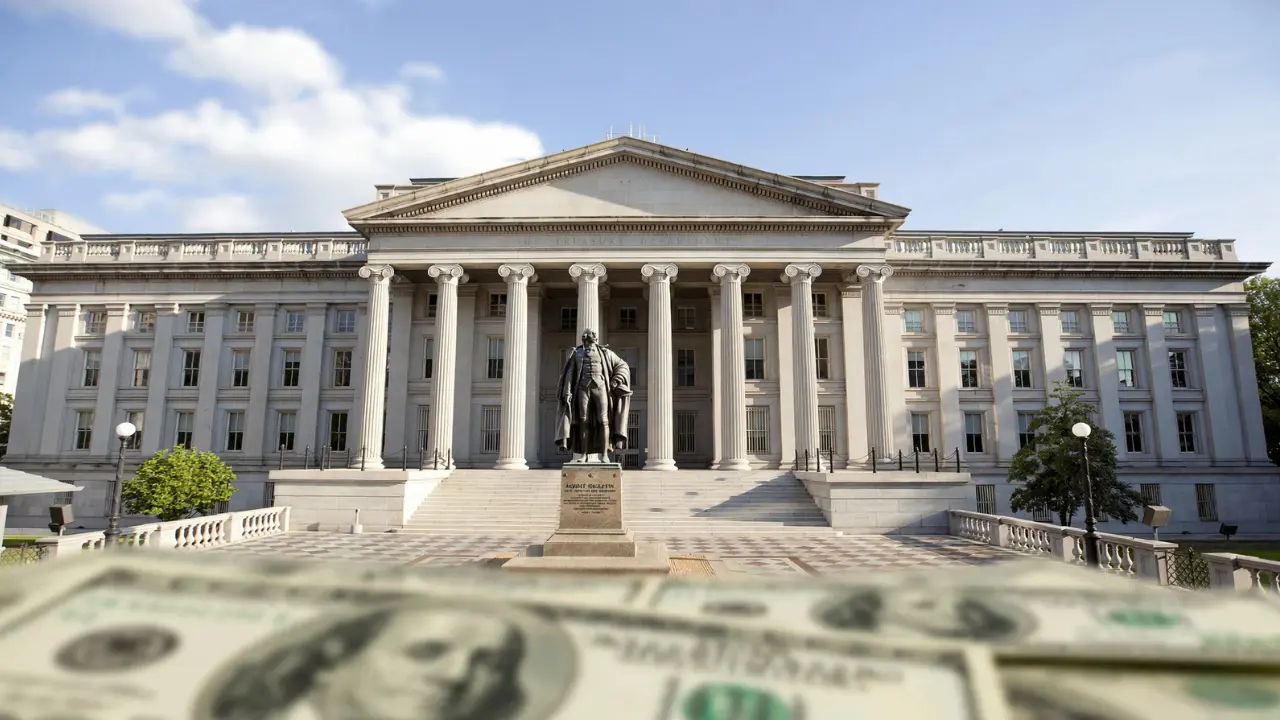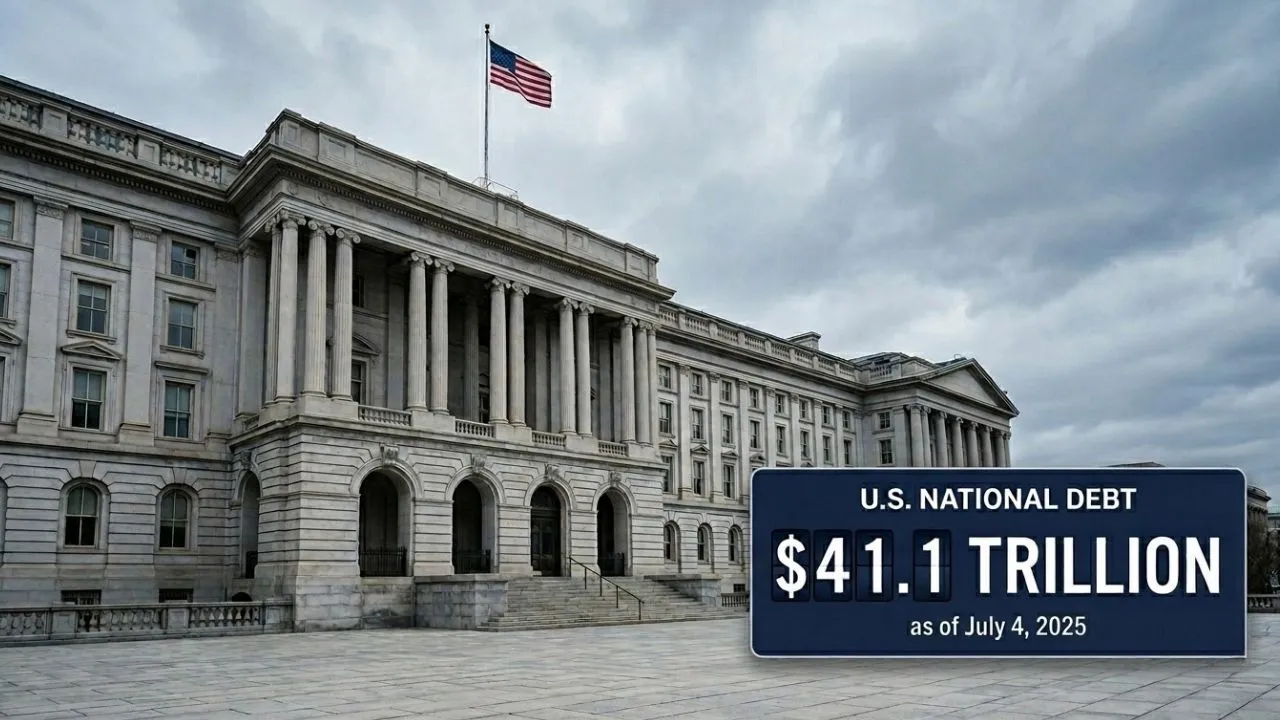
President Trump announced plans to suspend the federal gas tax for a period of time, adding 18.4 cents per gallon to every gallon of gasoline purchased by American drivers, confirmed through CBS News, Axios, and Politico reporting within the past 24 hours.
With gas prices elevated by the Strait of Hormuz disruption, a federal gas tax suspension would reduce federal revenue to the Highway Trust Fund by approximately $45 billion annually and save the average American driver roughly $79 per year.
A suspension requires Congressional legislation. No bill has been introduced as of May 13, 2026. Here is exactly what the numbers mean, how Treasury handles the revenue gap, and what must happen before any saving appears at the pump.
What the Federal Gas Tax Is and What 18.4 Cents Actually Means
The federal gas tax has stood at 18.4 cents per gallon on gasoline and 24.4 cents per gallon on diesel since 1993, confirmed at fhwa.dot.gov. For an average American driver covering 12,000 miles per year in a vehicle averaging 28 miles per gallon, annual fuel consumption is approximately 428 gallons.
At 18.4 cents per gallon, that is $78.75 paid in federal gas taxes annually. A six-month suspension saves approximately $39. A full-year suspension saves approximately $79. For commercial truck drivers or contractors driving significantly more miles in lower-MPG vehicles, savings scale proportionally and become substantially larger.


The federal gas tax flows from the pump directly to the Highway Trust Fund, managed by the Bureau of Fiscal Service at the U.S. Treasury. The Daily Treasury Statement published at fiscal.treasury.gov/reports-statements/dts tracks excise tax receipts daily, of which gas taxes are a component.
The money movement system guide explains how these revenue flows work through the federal payment infrastructure. The Highway Trust Fund distributes this revenue to state and federal highway projects under federal transportation law, confirmed at fhwa.dot.gov.
Why This Is Happening Now and the Hormuz Connection
The Strait of Hormuz disruption beginning March 4, 2026, has driven gasoline prices approximately $1.40 per gallon higher than pre-disruption levels. The Dallas Federal Reserve Bank confirmed in April 2026 research that a three-quarter Hormuz closure adds 1.1 percentage points to 2026 headline inflation at dallasfed.org/research/economics/2026/0417.
Against that backdrop, the 18.4-cent federal gas tax represents approximately 13% of the total price increase consumers have absorbed since March. A federal gas tax suspension provides fiscal relief on the consumer side without addressing the underlying supply disruption.
The suspension is a Treasury-side policy response to a supply-side commodity problem. For Social Security recipients on fixed incomes whose benefits are already failing to keep pace with 3.8% inflation, every cent of fuel cost reduction has direct monthly impact on household budgets.
The Hormuz gas prices analysis and the COLA inflation impact article at Investozora connect these developments in full detail. The EIA publishes weekly retail gasoline prices at eia.gov/petroleum/gasdiesel, confirming regional pricing variations across the country.
What Has to Happen Before Any Suspension Takes Effect
The Constitution’s Originating Clause requires all revenue legislation to begin in the House of Representatives. A federal gas tax suspension is revenue legislation. No executive order can implement it. Congress must pass and the President must sign a bill.
The most recent serious debate over a federal gas tax holiday occurred in 2022, when the Senate blocked the measure 43 to 52, with opponents citing Highway Trust Fund solvency as the primary objection. The Highway Trust Fund receives approximately $45 to $50 billion annually from federal gas taxes, confirmed at fhwa.dot.gov/reauthorization.
A full-year suspension creates that shortfall directly unless Congress appropriates replacement funding. In the current Congress, infrastructure-funding Republicans and deficit-conscious members represent the primary legislative constraint. The Congressional Budget Office has not yet scored the fiscal impact of any introduced legislation.
A CBO score, typically released within days of legislative text being filed, will determine the real political viability of the proposal. Track introduced legislation at congress.gov and CBO scoring at cbo.gov. The Treasury General Account and Fed rate decisions both factor into the broader fiscal environment in which this proposal lands.
What This Means Going Forward
Two scenarios determine the outcome for drivers. In the first scenario, Congress acts within two to four weeks, a suspension is signed into law in June, and pump prices adjust within one to two weeks of enactment because retailers immediately reflect the tax removal at the point of sale.
In the second and historically more likely scenario, Congress delays or blocks the measure as it did in 2022, gas prices remain elevated, and the FOMC under new chair Kevin Warsh faces continued energy-driven inflation through Q3 as it approaches the June 16 to 17 rate decision.
The Daily Treasury Statement published daily at fiscal.treasury.gov shows excise tax receipt levels in real time, allowing anyone to track whether Congressional action has begun to affect federal revenue flows. Watch fhwa.dot.gov for Highway Trust Fund solvency updates as the legislative debate develops.
What This Means
- A federal gas tax suspension saves the average American driver approximately $79 per year at the full 18.4-cent rate.
- A six-month suspension reduces that benefit to roughly $39 in total savings.
- Congress must pass legislation before any savings appear at the pump, meaning timing is not guaranteed.
- The Highway Trust Fund faces a $45 to $50 billion annual shortfall without replacement funding.
- Watch for CBO scoring and legislative updates at Congress.
- Even with a suspension, Hormuz-driven energy inflation has already pushed gas prices up about $1.40 per gallon since March.