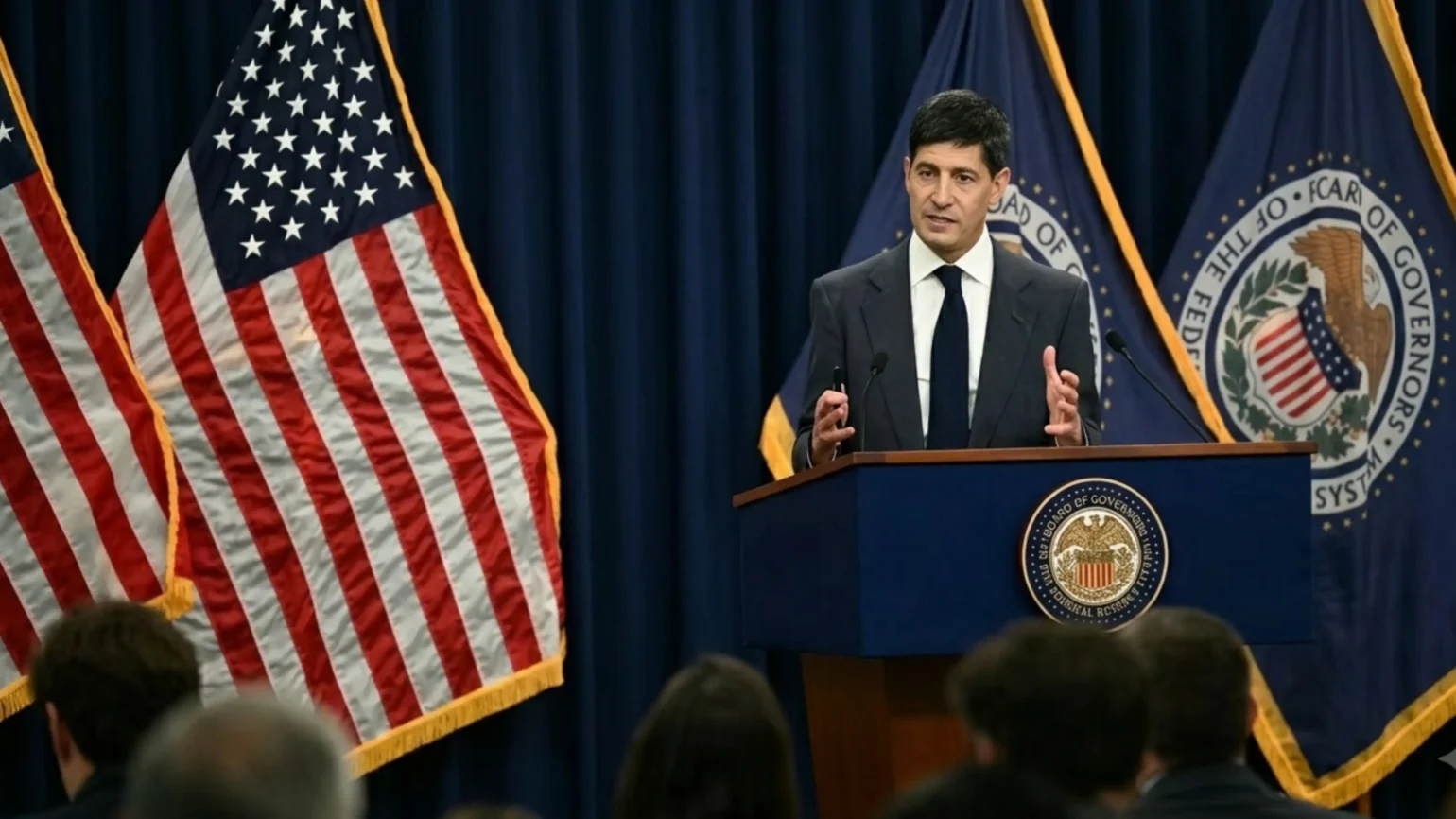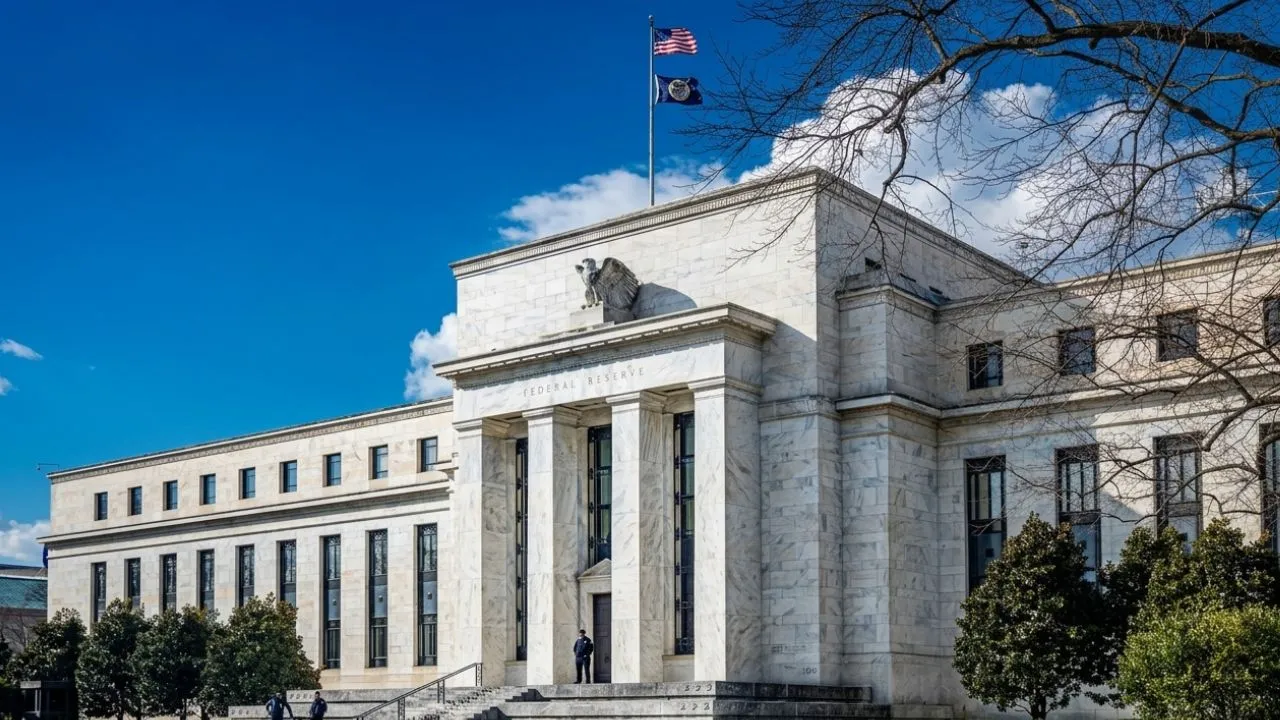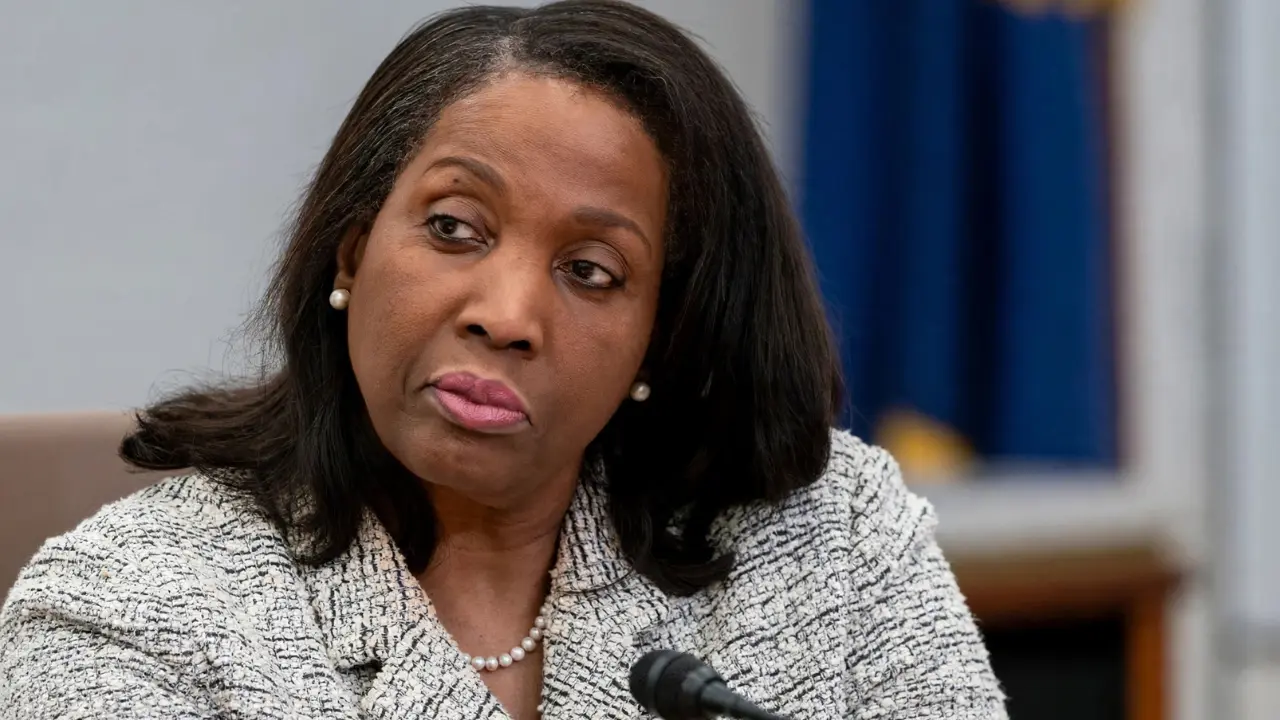

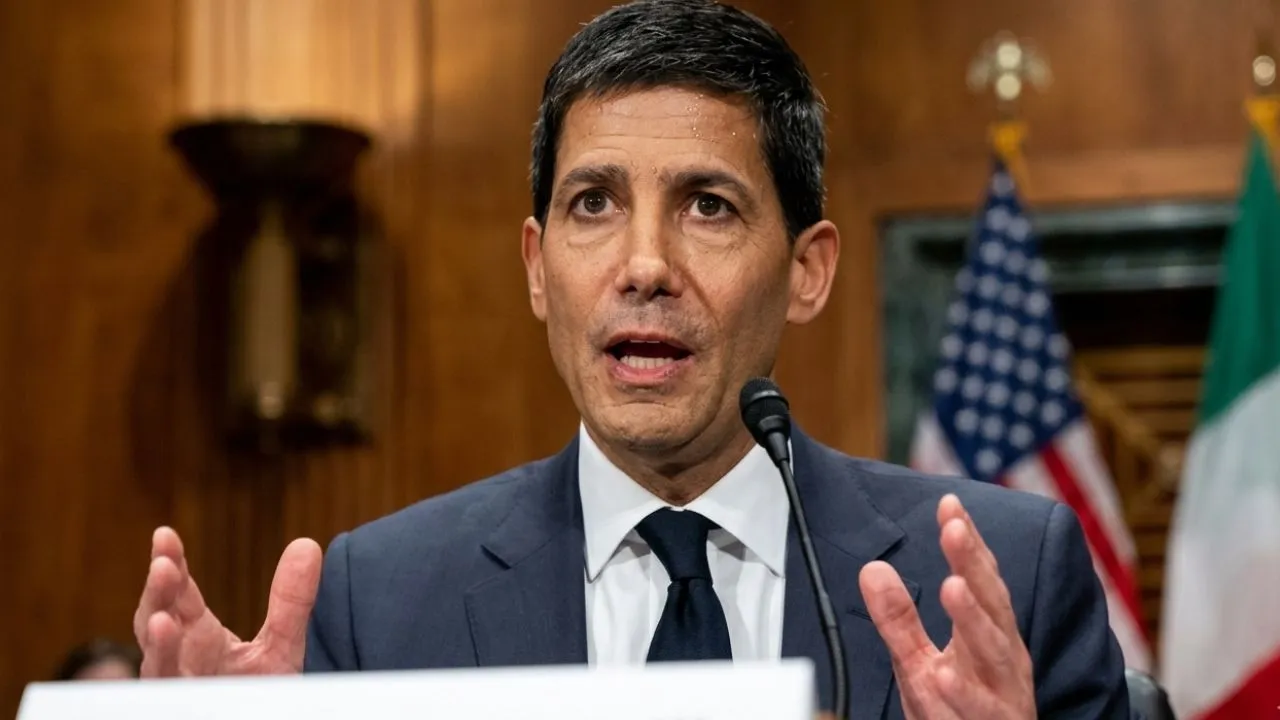
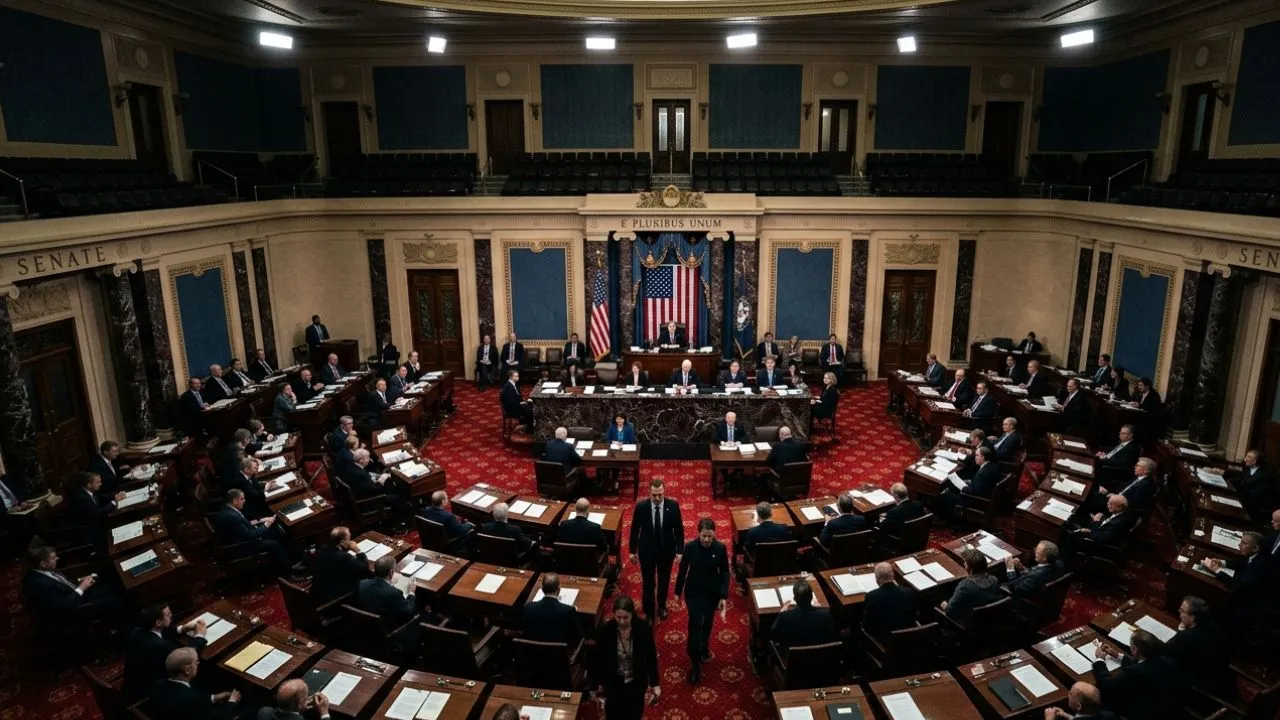
The U.S. Senate voted 49-44 on May 11 to advance Kevin Warsh’s nomination to the Federal Reserve, clearing the final procedural barrier before a confirmation expected this week.
The Kevin Warsh confirmation would transfer control of U.S. monetary policy to a new leadership team at the precise moment inflation is running above 3.7 percent annually and three sitting FOMC members have signaled openness to raising interest rates. For 340 million Americans, the week of May 12 is when the next era of the Federal Reserve begins.
What the 49-44 Vote Means and What Comes Next
The Senate operates on two separate votes for this confirmation. The cloture vote that passed 49-44 on May 11 ended debate and cleared the path to a final decision.
Only two Democrats crossed party lines to support advancing the nomination: Senator John Fetterman of Pennsylvania and Senator Chris Coons of Delaware, according to Roll Call’s confirmed floor report. No Republicans voted against moving forward.

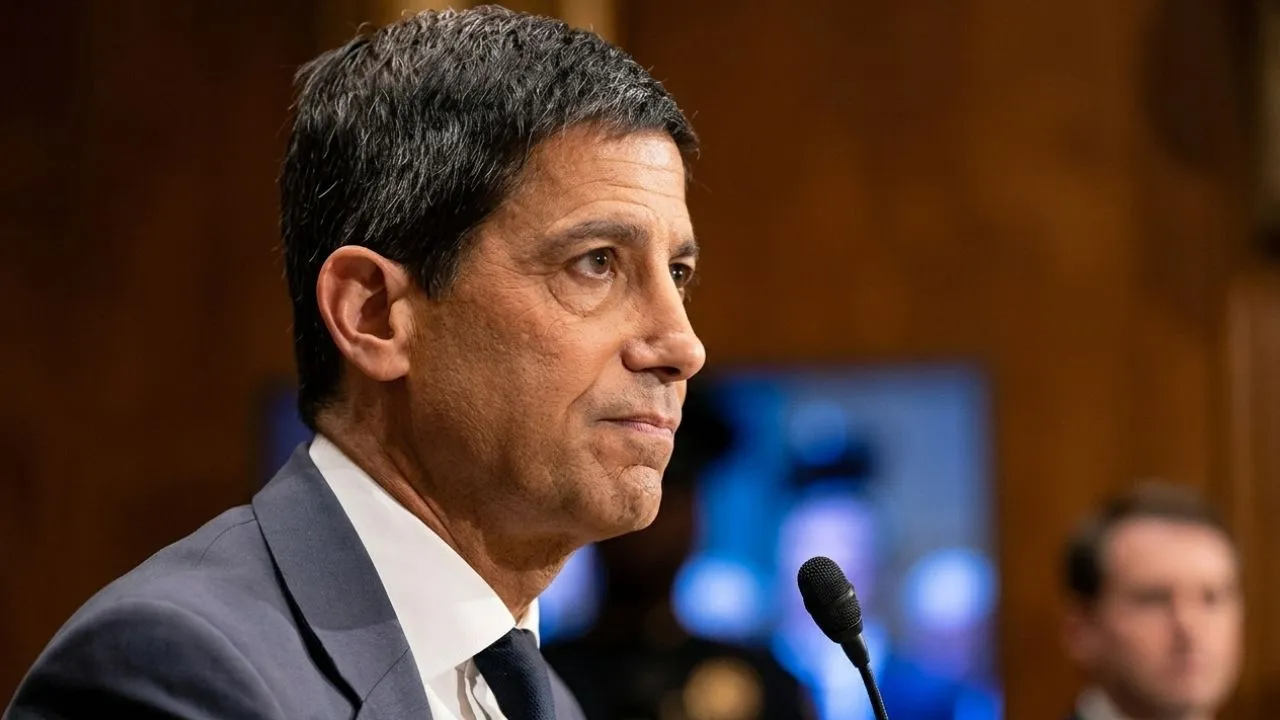
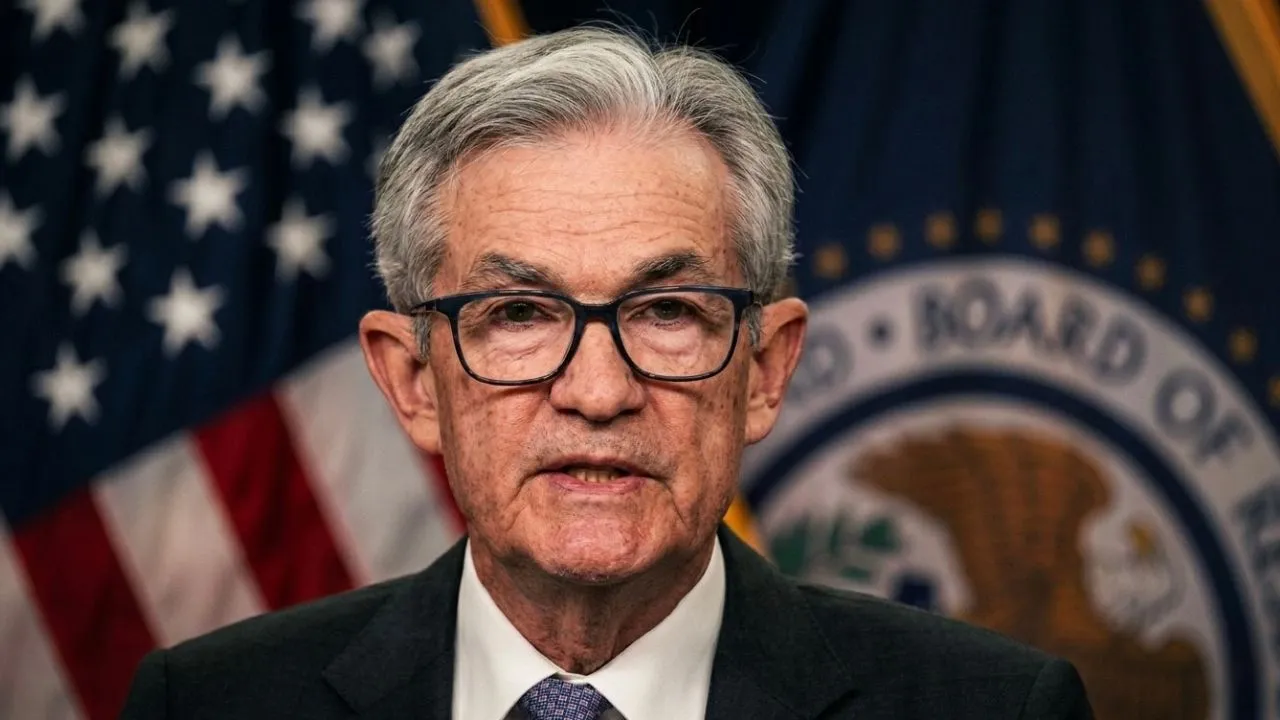
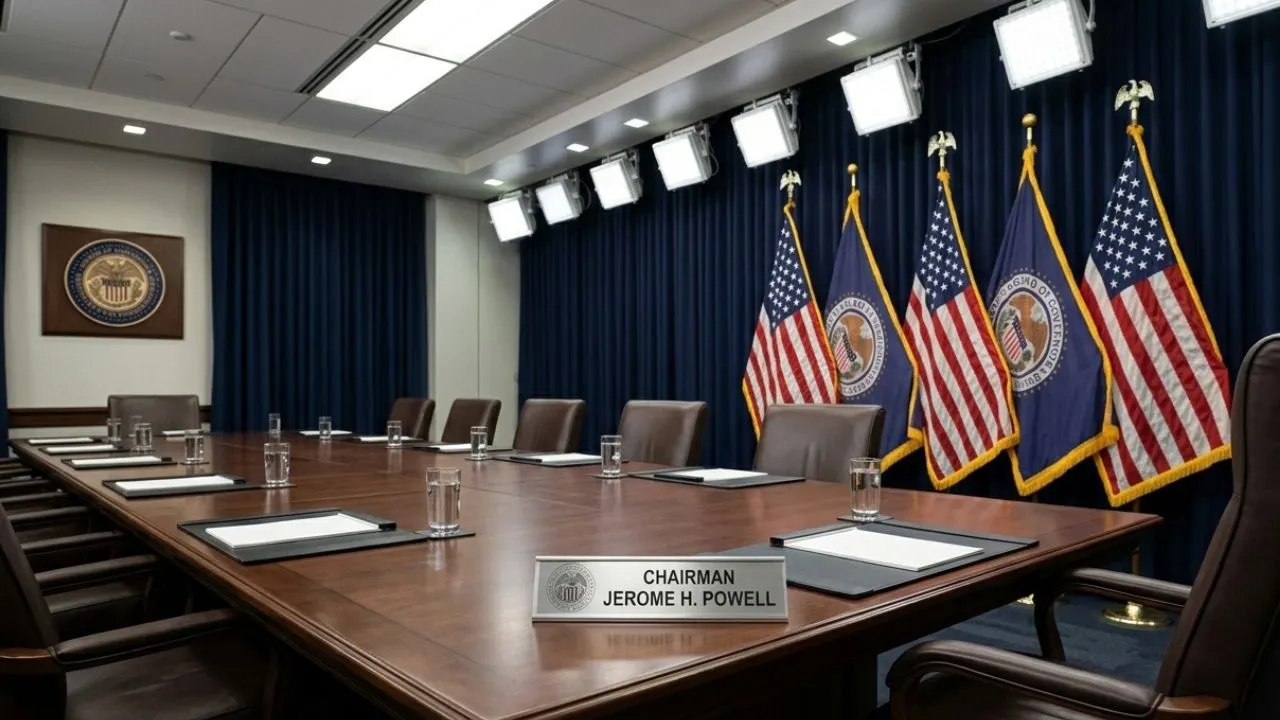
The first vote, confirming Warsh to the Federal Reserve Board of Governors, is expected today, May 12, and requires a simple majority. The second vote, formally designating him as Fed chair, is expected Wednesday, May 13, according to Reuters reporting on the Senate schedule. Jerome Powell’s term as chair expires May 15, 2026, confirmed at federalreserve.gov.
After both votes clear, Warsh is sworn in before that deadline. Powell does not leave the Federal Reserve entirely. He remains on the Board of Governors as a voting member through January 2028.
The Powell board decision means the outgoing chair retains a vote at every FOMC meeting Warsh chairs, including the critical June 16 to 17 session. Warsh served on the Fed board from 2006 to 2011, confirmed through federalreserve.gov historical records.
He was the youngest person ever appointed to the board at the time. He has publicly described the Fed’s 2021 to 2022 inflation response as the biggest central bank policy mistake in four decades. That record defines the ideological context of his incoming chairmanship.
What Warsh’s First 30 Days Look Like for Your Money
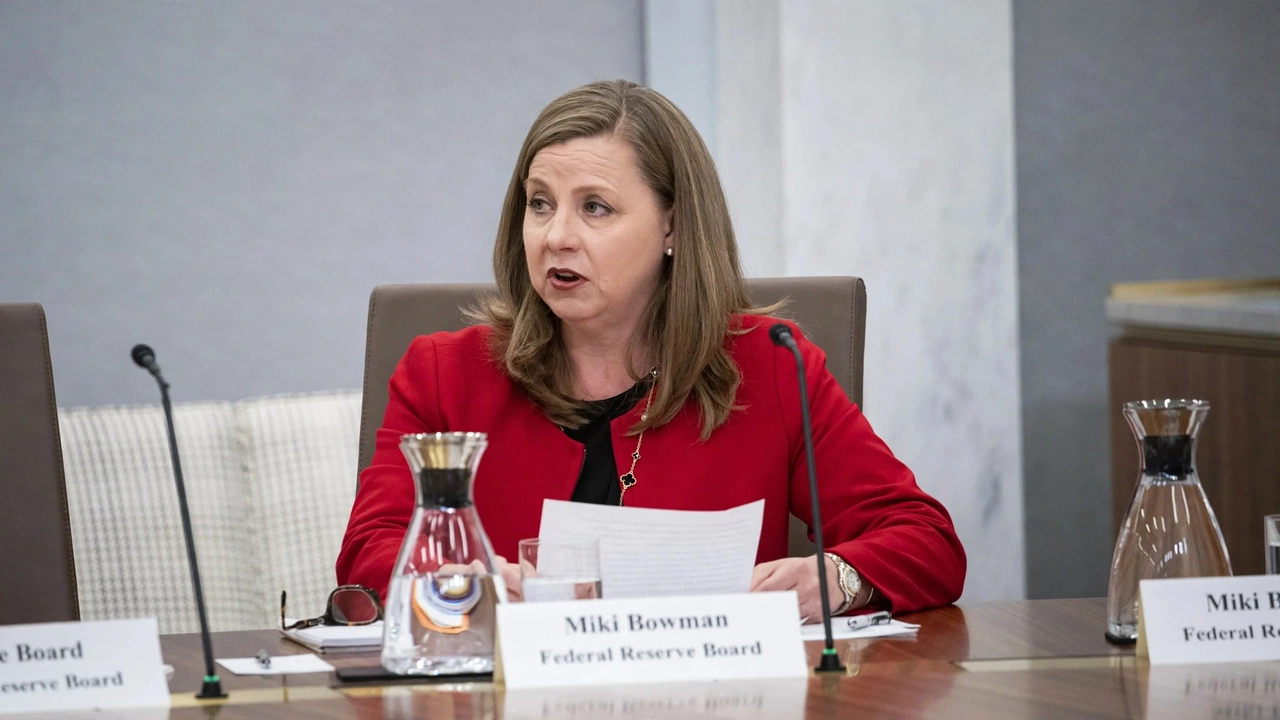
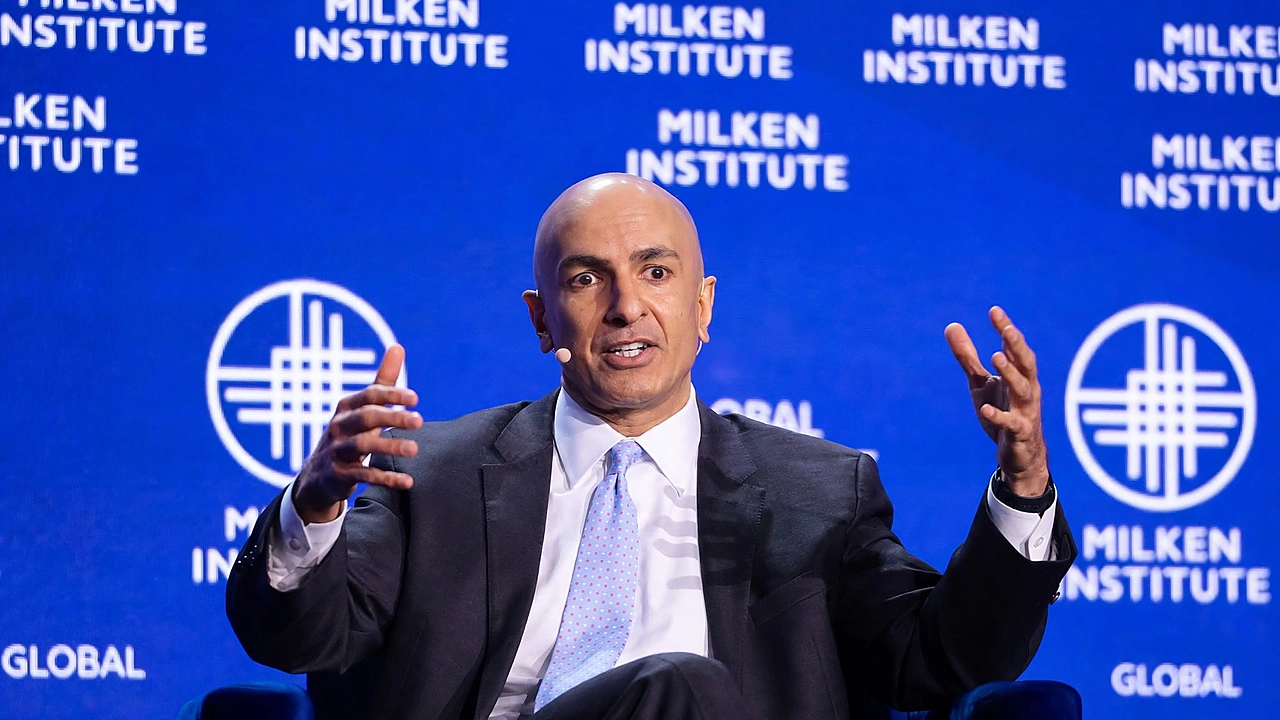
June 16 to 17 is the first FOMC meeting Warsh will chair. That meeting is the real confirmation that markets are pricing. Three members of the April 29 FOMC committee already dissented toward removing the easing bias from the policy statement: Governor Michelle Bowman, President Neel Kashkari, and President Lorie Logan, confirmed through the federalreserve.gov April 29 statement.
Their dissent reflected concern that inflation is not declining fast enough to justify keeping language that signals future rate cuts. The federal funds rate currently sits at 3.5 to 3.75 percent, confirmed in the April 29 FOMC statement.
Warsh has said publicly, on the Senate hearing record, that he has made no promises to the administration regarding rate decisions. What he has said consistently is that he prefers less forward guidance, more institutional restraint in language, and faster response to data.
If he removes the easing bias language from the June 16 to 17 statement, markets will immediately reprice the probability of any 2026 rate cut close to zero.
For savers holding competitive high-yield accounts, rates remain elevated at minimum through June 17. For mortgage shoppers, no meaningful relief arrives before that date. For CD holders, current competitive rates persist through the first Warsh meeting.
The Federal Reserve sets the federal funds rate that determines what banks pay on deposits and charge on loans. The Bureau of the Fiscal Service at the U.S. Treasury handles all federal payment disbursements through the FedACH network separately. Rate decisions affect the cost of money across the economy, not the mechanics of your direct deposit. The money movement system operates independently of FOMC decisions.
What the June 16 Test Actually Measures
The FOMC has 12 voters at any given meeting: 7 governors plus 5 rotating regional bank presidents, confirmed at federalreserve.gov. Warsh chairs the committee and holds one vote. The April 29 committee split showed 8 members maintaining the status quo against 3 dissenters pushing toward tighter language.
Warsh needs to build internal consensus, not simply assume the chair role changes outcomes. The June 16 to 17 FOMC minutes preview will be the first document revealing how Warsh structured that internal deliberation.
Markets will parse every word of the June 16 to 17 statement for three specific signals: changes to the easing bias language, shifts in how the committee describes inflation risk, and any reference to rate hike scenarios.
The May 20 release of the May 6 to 7 FOMC minutes, confirmed on the Fed rate hold analysis calendar, provides the next major data point before Warsh’s first decision.
The five signals inside the May 20 FOMC minutes will define the June 16 vote before it happens. The FOMC minutes May 20 five signals article identifies the exact language patterns that move markets within minutes of the 2 PM ET release.
The Warsh June 16 rate hike impact covers the dollar consequences of each outcome for mortgages, savings accounts, and CDs. The how the Fed controls interest rates guide is the institutional reference for understanding the full transmission from Warsh’s vote to your bank balance.
What This Means
- Note May 12 to 13 for the confirmation votes and update your planning around June 16 to 17 as the first real Warsh policy test.
- For savings accounts and CDs, current competitive rates hold through June 17 at minimum; lock rates that work for your needs now if you have maturing instruments.
- For mortgage planning, do not expect material rate improvement before the June 16 decision given the April CPI data released today.
- Track the FOMC calendar at federalreserve.gov and follow the Federal Reserve Policy coverage at Investozora for the June 16 outcome.