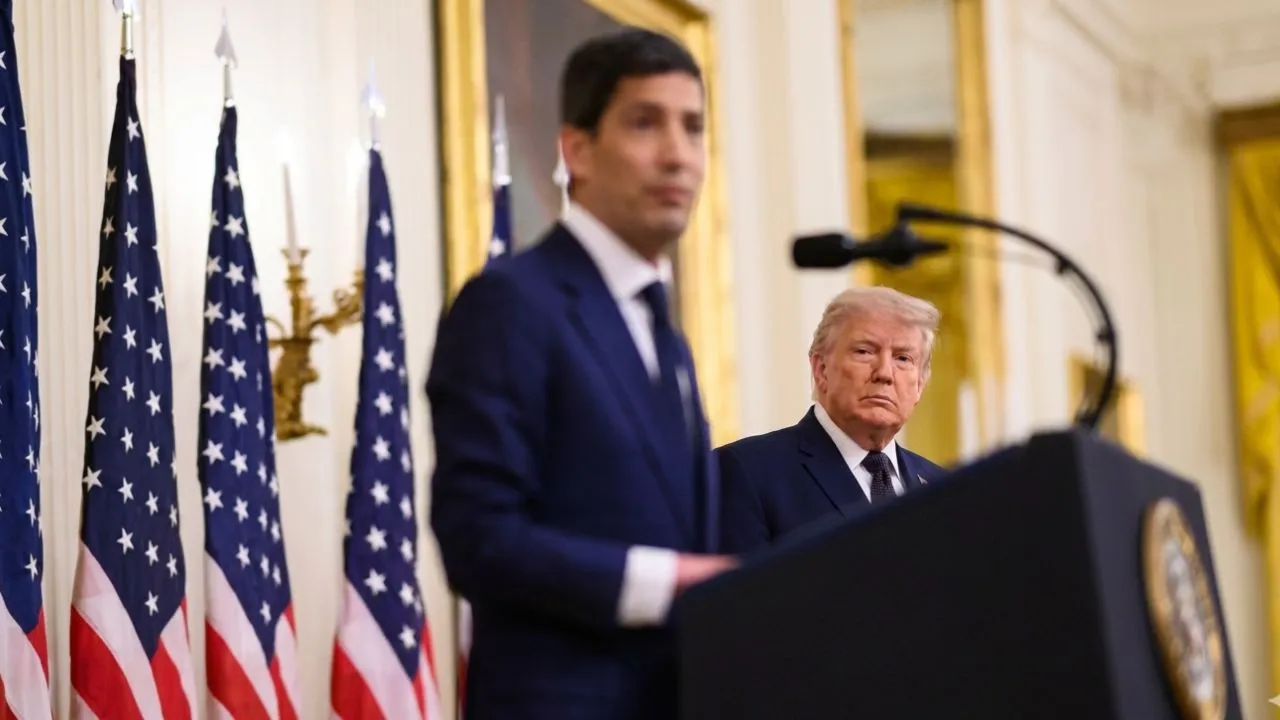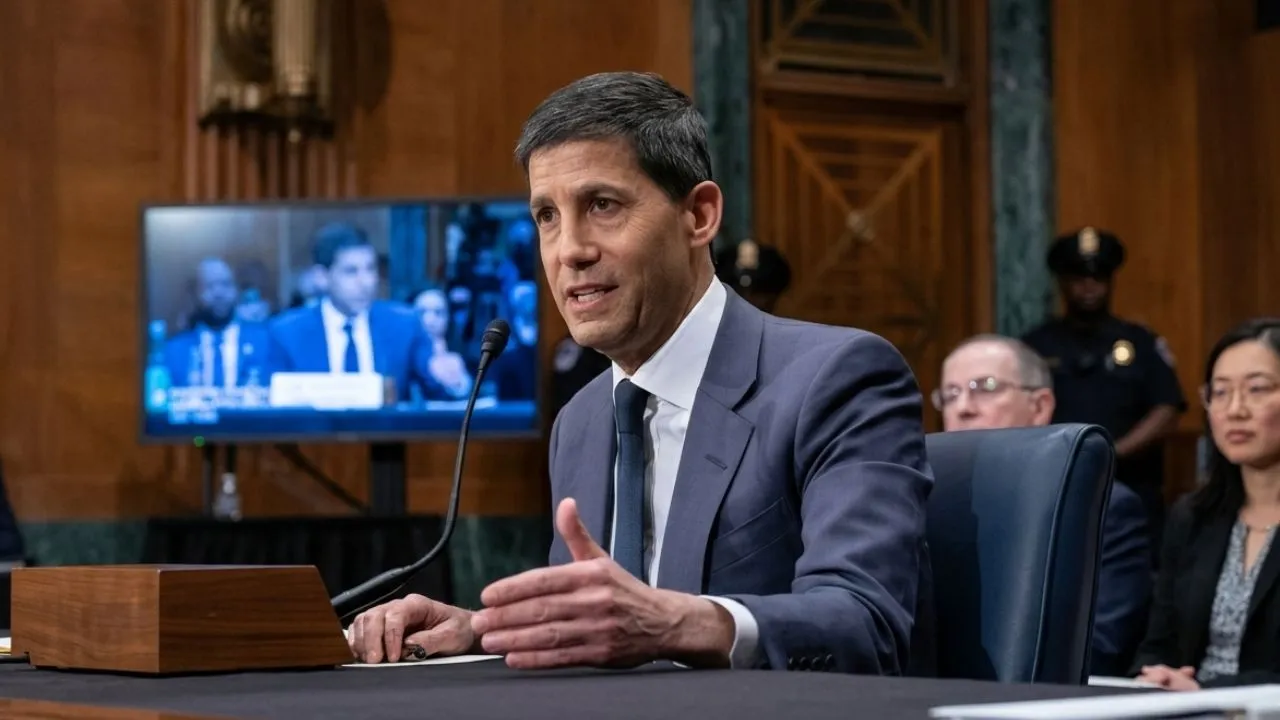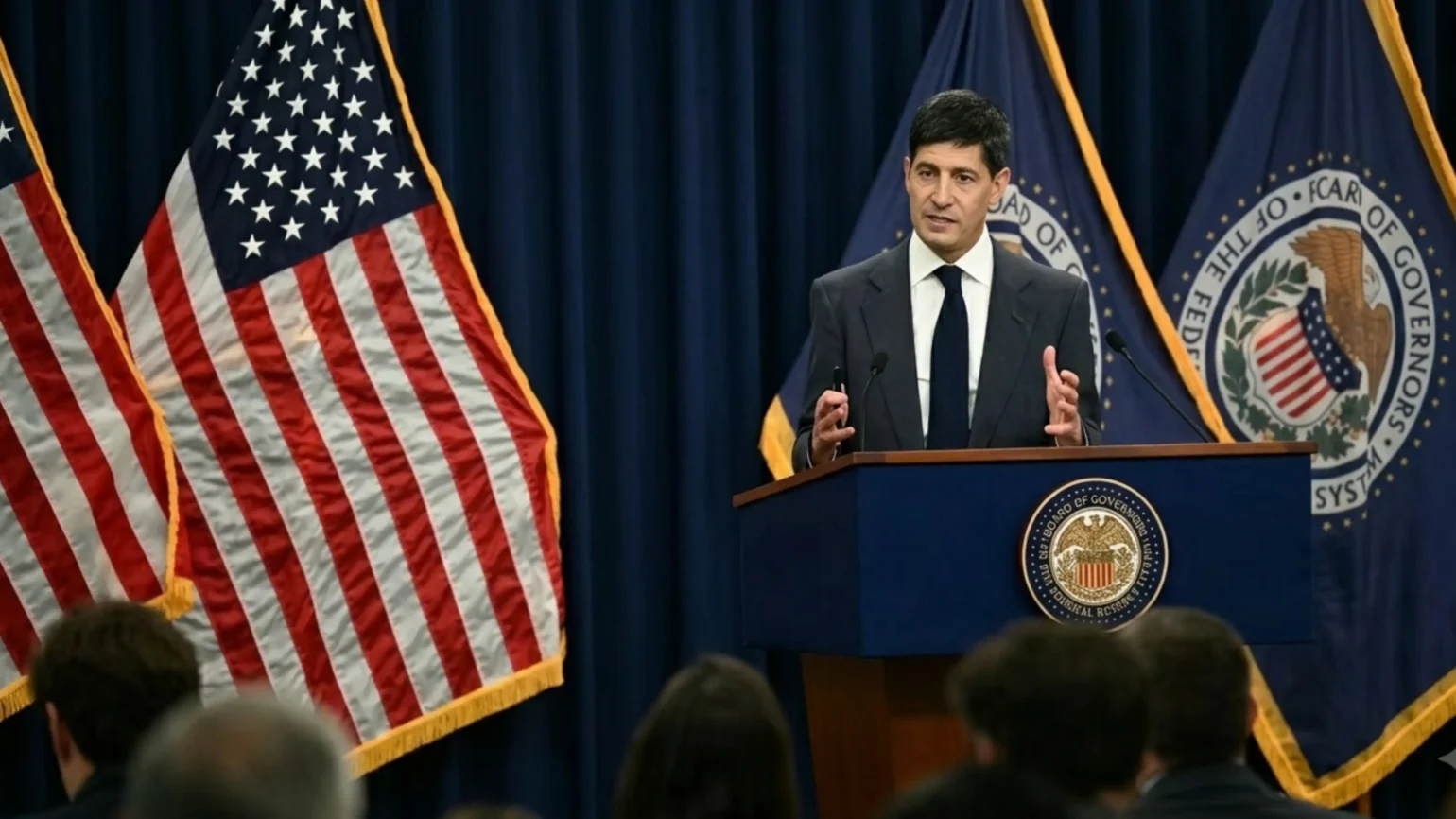

Warsh is now officially sworn in and chairs today’s FOMC meeting. The June 17 decision at 2:00 PM ET is his first official rate vote. The first press conference begins 2:30 PM ET.
Kevin Warsh was confirmed as Federal Reserve chair on May 13, 2026, in a 54-45 Senate vote but has not been officially sworn in as of May 18. Jerome Powell leads the Fed as chair pro tempore. No ceremony date has been announced. Warsh’s first FOMC meeting as confirmed chair is June 16 to 17.
He is not yet the official Federal Reserve chair. As of May 18, 2026, no swearing-in ceremony has been scheduled publicly, and the Federal Reserve Board officially named Jerome Powell chair pro tempore on May 15, per the Fed’s own statement. Powell leads the institution in the interim.
Warsh’s first FOMC meeting as chair is June 16 to 17, per the Federal Reserve meeting calendar. What the swearing-in timeline means for that June 16 vote, and for every American with a mortgage or savings account, is the question this article answers. The U.S. money movement system explains how the Fed chair’s identity affects the banking system’s pricing behavior even before a single rate vote is cast.
The distinction between “confirmed” and “sworn in” is institutional, not ceremonial. Until the sworn-in ceremony occurs, Warsh does not formally hold the chair powers granted by statute. The Fed’s governing structure allows Powell to chair any meeting and cast any vote that occurs in the interim period.
For the May 20 FOMC minutes release in 48 hours, this means the document will carry Powell’s name as presiding chair over the May 6 to 7 meeting. The institutional record of those minutes belongs to the Powell era, even though every rate market is pricing it as the first Warsh-era intelligence document.
What the swearing-in process requires and why it takes days
The path from Senate confirmation to official ceremony involves four sequential steps. First, the Senate transmits the confirmed nomination paperwork to the White House. Second, the White House prepares and the president signs the commission, the formal document appointing the nominee to the position.
Third, the signed commission is transmitted to the appointee. Fourth, the oath of office is administered, typically by a senior federal official, and the ceremony is witnessed and recorded.

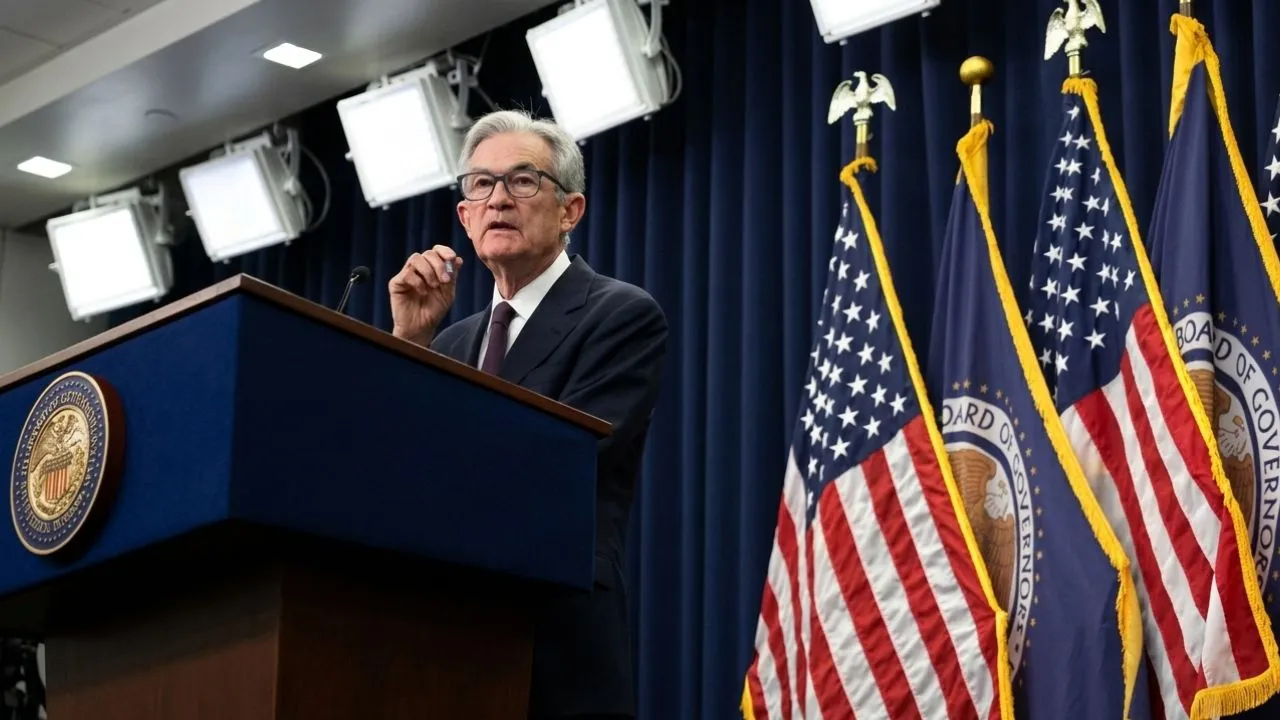
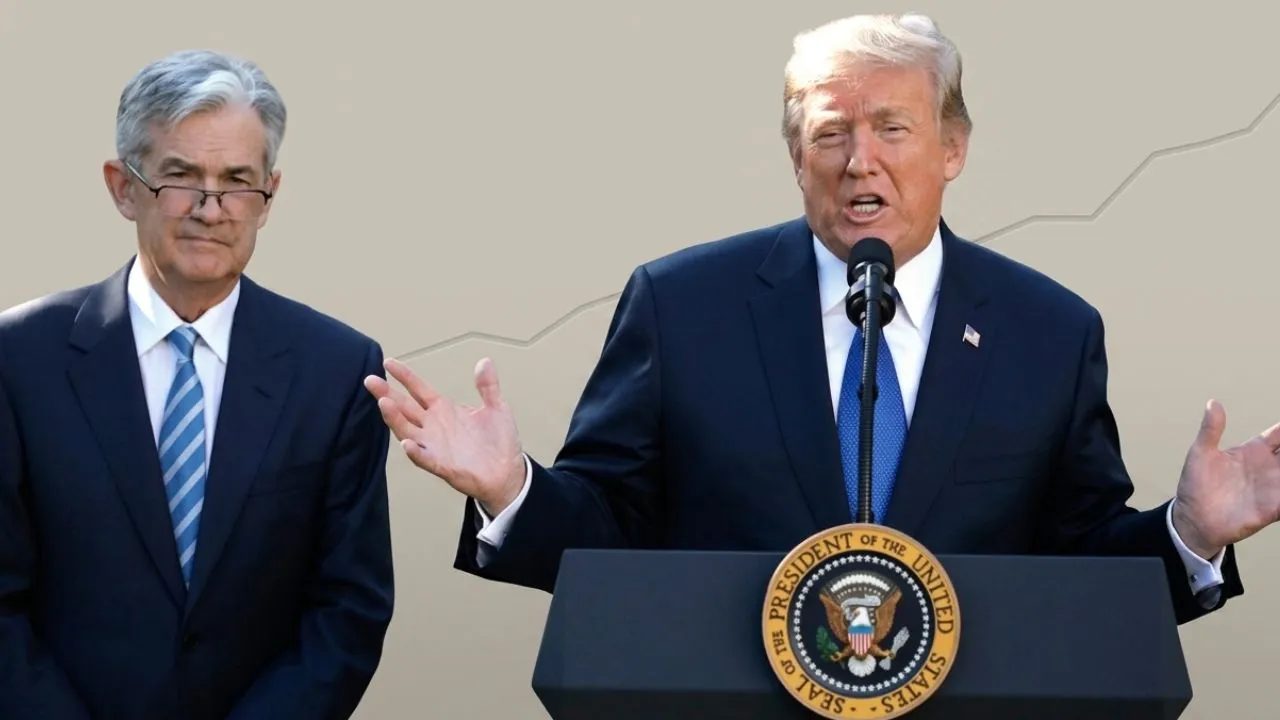
For Federal Reserve chair appointments, the entire process historically takes between 3 and 10 days from confirmation to swearing-in, based on prior transitions. Warsh was confirmed May 13. As of May 18, five days have passed. The delay is not unusual.
Two Federal Reserve governors publicly stated in the Fed’s May 15 pro tempore statement that they objected to the open-ended nature of the interim arrangement, per the official Fed statement.
Their objection reflects institutional concern about having a confirmed but unsworn chair in a period of elevated inflation and market volatility. The Warsh June 16 rate hike impact analysis covers what his first vote will mean for consumer rates regardless of when the ceremony occurs.
Stephen Miran, the Federal Reserve governor who most recently resigned from the board to pave the way for Warsh’s appointment, per reporting confirmed by CNBC, removed one internal voice from the dovish wing of the committee. The composition of the voting committee Warsh inherits when he chairs June 16 is covered in full in the FOMC committee division analysis.
What the transition gap means for your savings and mortgage this week
When a confirmed but unsworn chair is pending, bond markets treat every word from the Federal Reserve with slightly less certainty than they would if a fully installed chair were speaking. This uncertainty premium adds basis points to Treasury yields.
Higher Treasury yields flow directly into mortgage rates through the spread that lenders add above the 10-year benchmark, per the Federal Reserve H.15 daily rates data. The practical result is that your current mortgage rate quote already contains a leadership uncertainty premium that will compress when Warsh is formally sworn in and begins making clear public statements as the official chair.
For savers, the dynamic is different. High-yield savings APYs are priced based on where banks expect the fed funds rate to be over the next 12 months. A confirmed but unsworn Warsh signals that rates are likely to hold at 3.5% to 3.75% through June 16 at minimum, because no new chair can change the rate before his first scheduled meeting.
Banks are holding APYs near current competitive levels precisely because of this certainty about the June 16 timing. The how the Fed controls savings rates guide explains the full bank pricing mechanism from Fed signal to consumer APY.
The FOMC minutes release in 48 hours on Wednesday May 20 at 2 PM ET will be the first significant policy signal of the Warsh era regardless of whether he is formally sworn in by then. The FOMC minutes 48 hours savings impact analysis covers what those minutes will mean for your money before and after 2 PM Wednesday.
The distinction between the chair’s institutional authority and the committee’s voting authority matters for understanding what the swearing-in changes and what it does not change. The 12-member FOMC voting committee, consisting of 7 governors plus 5 rotating regional bank presidents per federalreserve.gov, votes as a body. The chair holds exactly one of those 12 votes.
What the chair controls is the meeting agenda, the framing of policy discussions, and the public communication of results through the post-meeting press conference and statement.
These soft powers agenda setting and communication, are what markets respond to when a new chair takes office, because they determine how inflation risk is described, how dissent is managed, and how future policy path signals are worded.
The how the Fed controls interest rates guide explains exactly how the chair’s communication choices translate into the savings rate and mortgage rate your bank quotes you. The FOMC minutes May 20 analysis covers how Wednesday’s document captures the last meeting under Powell’s communication style before Warsh’s approach shapes future releases.
What happens next and what to watch
Warsh will be sworn in before June 16. The FOMC meeting requires an official chair. The ceremony must occur in the 29 days between today and June 16. When it does, the Federal Reserve will issue a press release at federalreserve.gov within hours of the ceremony.
Markets will respond within the same trading session to any public statement Warsh makes in his official capacity as sworn-in chair. The Bureau of the Fiscal Service at the U.S. Treasury disburses all federal payments, Social Security, IRS refunds, federal salaries through the FedACH network.
The rate environment that Warsh will manage affects the overnight borrowing costs inside that network, which in turn affects bank reserve calculations and consumer pricing. The June 16 first meeting preview covers every scenario for what Warsh’s inaugural vote will produce.
What you should do now
- Monitor Fed press releases for the official Warsh swearing-in announcement. The confirmation will appear there before most news outlets publish it.
- On Wednesday at 2 PM ET, read the FOMC minutes directly at FOMC calendar. These notes were written under Powell, but they represent the first major policy intelligence document of the Warsh era in everything but name.
- Watch the 10-year Treasury yield on the day of Warsh’s formal swearing-in announcement. Bond markets will react within hours to his first official public statement as confirmed chair.
- If you have a CD maturing before July, review the timing relative to June 16. The swearing-in date does not change rates. June 16 changes rates.