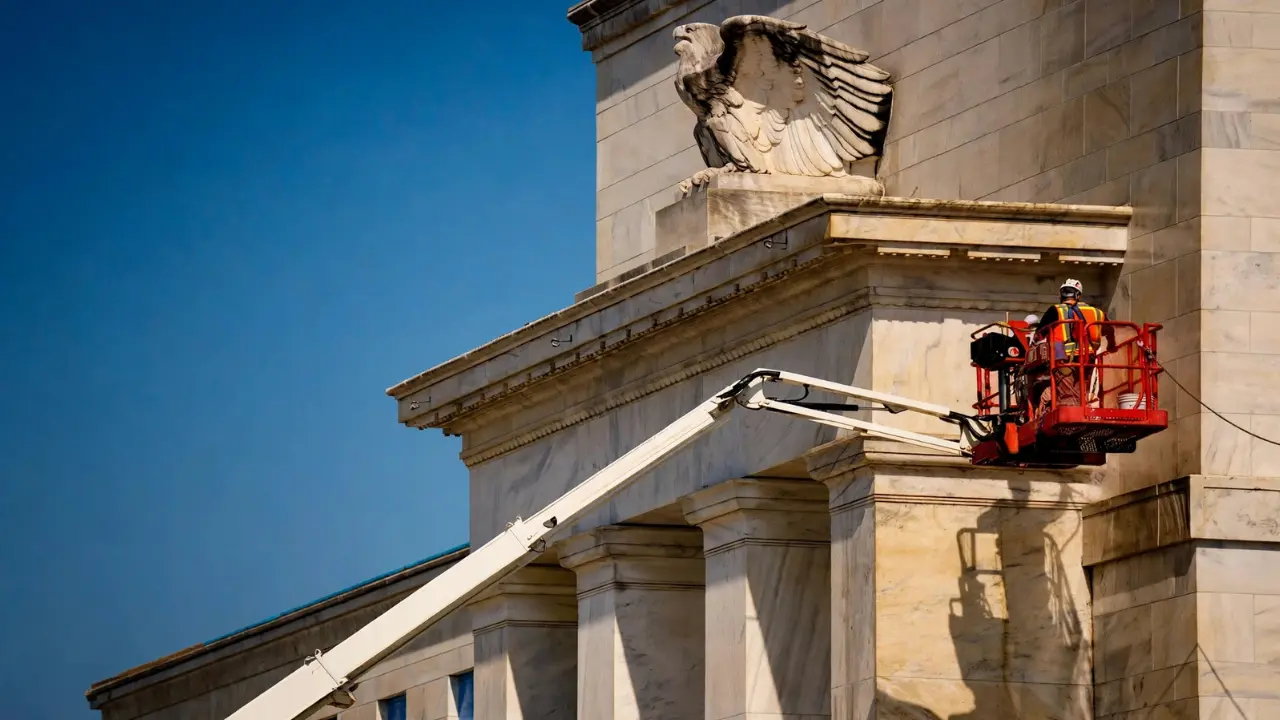

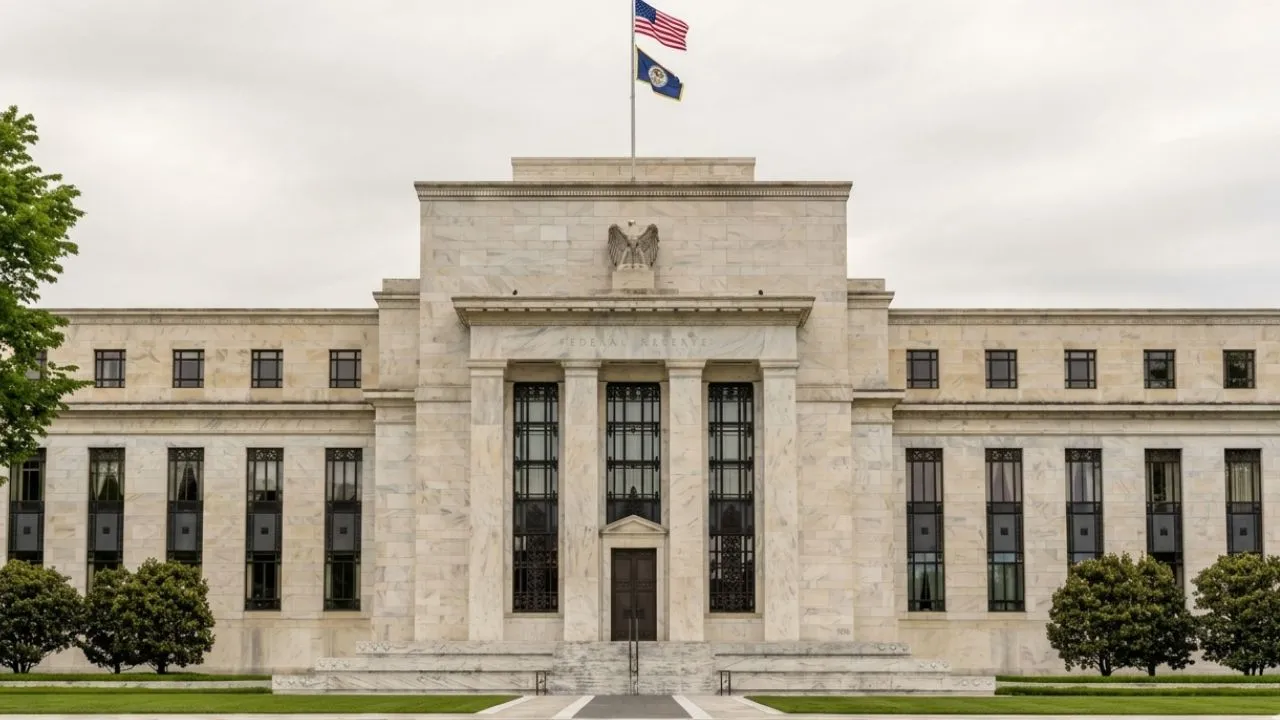
Updated: May 23, 2026 – The Federal Reserve is America’s central bank, created by Congress in 1913 to stabilize money and credit across the country. It does not print physical currency for circulation, that is the Bureau of Engraving and Printing. The Fed controls the cost of money by setting the interest rate at which banks borrow. This directly affects your savings rate, mortgage payment, and credit card APR.
What the Federal Reserve Is and Why It Exists
The Federal Reserve System is the central banking authority of the United States, established under the Federal Reserve Act of 1913. Congress created the Fed in direct response to the Panic of 1907, a catastrophic bank run that froze credit markets and collapsed dozens of financial institutions with no government mechanism for intervention.
Before 1913, the United States had no permanent lender of last resort no institution legally authorized to inject liquidity into collapsing banks during a systemic crisis. Congress assigned the Fed a dual mandate under the Federal Reserve Reform Act of 1977: maximum employment and stable prices.
As of 2026, the Federal Reserve interprets stable prices as a long-run inflation target of 2 percent, measured by the Personal Consumption Expenditures (PCE) price index, according to the Federal Reserve’s official monetary policy framework.
The Fed operates as an independent agency within the federal government. It is not a private bank owned by shareholders in the traditional sense, nor is it a standard executive branch department answerable to the President.
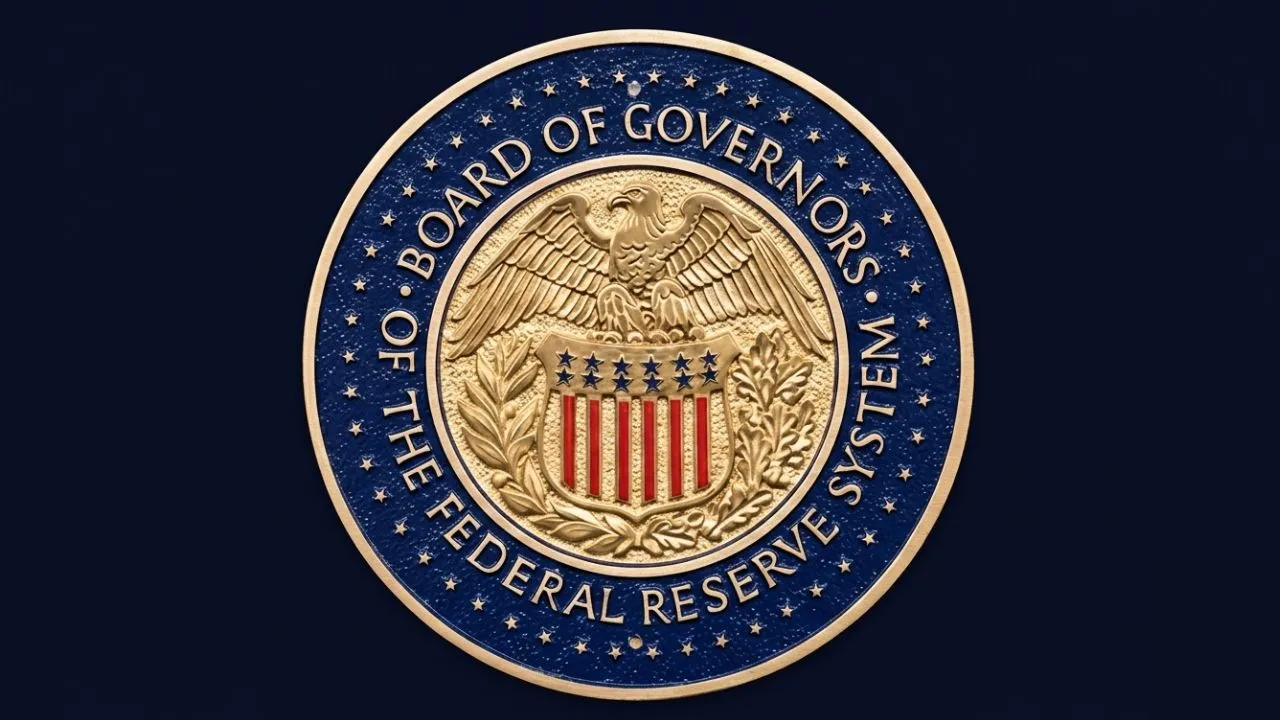
Its hybrid structure part government, part quasi-private regional network makes it constitutionally unique and operationally insulated from short-term political pressure.
Understanding federal reserve policy explained at the foundational level is the prerequisite for grasping every downstream monetary mechanism that governs your savings account yield, your 30-year mortgage rate, and the speed at which the Treasury payment system before deposit executes federal disbursements.
The Three-Layer Architecture: Board, FOMC, and 12 Regional Banks
The Federal Reserve System is not a single institution. It is a three-layer federal architecture operating simultaneously at the national and regional level.
The Board of Governors
The Board of Governors is the apex federal agency of the Federal Reserve System, headquartered in Washington, D.C. It consists of seven members appointed by the President of the United States and confirmed by the Senate, each serving staggered 14-year terms.
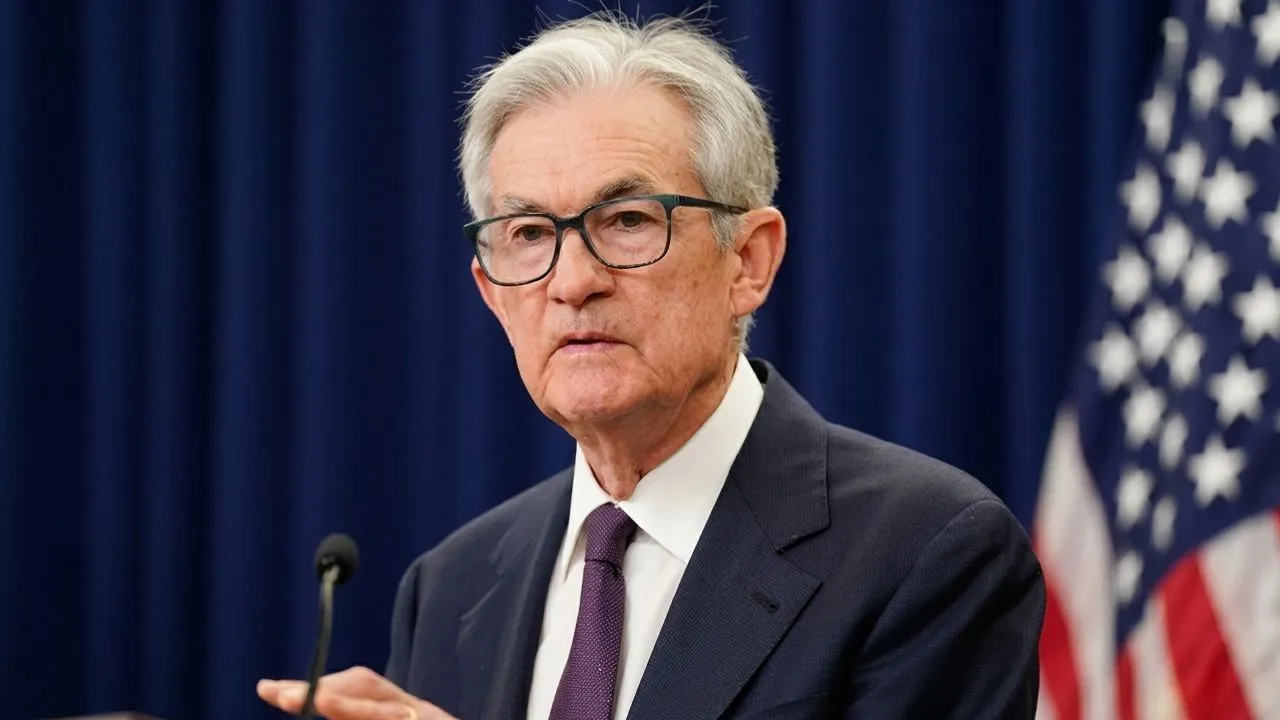
The long terms are structurally engineered to insulate monetary policy from electoral cycles. As of 2026, Kevin Warsh was confirmed as Fed Chair in May 2026, replacing Jerome Powell at the conclusion of his term.
The Board supervises the 12 regional Federal Reserve Banks, sets reserve requirements for member institutions, and administers the discount window the Fed’s emergency lending facility for banks facing short-term liquidity shortfalls. The Board also issues Regulation Z, Regulation E, and the full body of consumer financial protection rules governing retail banking in the United States.
The Federal Open Market Committee
The Federal Open Market Committee (FOMC) is the monetary policy body of the Federal Reserve. It consists of all seven Board governors plus five of the 12 regional bank presidents on a rotating basis, with the New York Fed president holding a permanent voting seat.
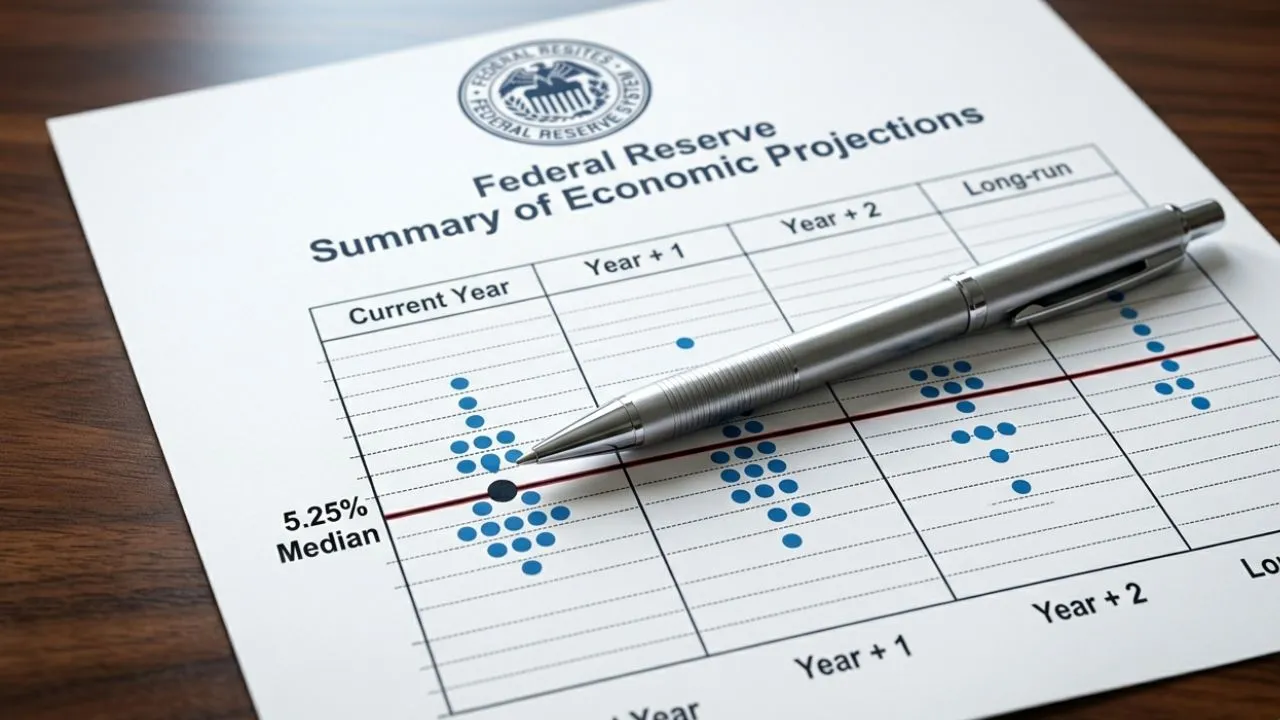
The FOMC meets eight times per year in Washington, D.C., and sets the target range for the federal funds rate the overnight borrowing rate between banks that anchors the entire interest rate structure of the U.S. economy.
Every FOMC meeting decision cascades through a precise transmission chain: the fed funds rate adjusts overnight borrowing costs, which reprice bank deposit yields, mortgage indices, corporate bond spreads, and ultimately the cost of capital across every sector of the American economy. The FOMC minutes release is among the most market-sensitive documents published by any government body on a regular schedule.
The 12 Regional Federal Reserve Banks
The 12 Federal Reserve Banks are incorporated entities chartered in their respective districts: Boston, New York, Philadelphia, Cleveland, Richmond, Atlanta, Chicago, St. Louis, Minneapolis, Kansas City, Dallas, and San Francisco. Each bank serves as the operational arm of monetary policy within its geographic region.
The New York Fed holds a structurally dominant role in the network. It executes open market operations the daily buying and selling of U.S. Treasury securities that implements the FOMC’s rate target in real markets.
The New York Fed also manages the Fed’s foreign exchange reserves and operates the primary dealer credit facility. Understanding this regional architecture is inseparable from understanding how the Fed controls interest rates through open market mechanics.
How the Fed Interfaces With the Treasury and Payment Infrastructure
The Federal Reserve and the U.S. Treasury are legally separate institutions with distinct but deeply interconnected operational roles. This distinction matters directly to every American who receives a federal payment.
The U.S. Treasury, through its Bureau of the Fiscal Service, manages all federal disbursements including IRS tax refunds, Social Security benefit payments, and federal employee payroll. However, the Treasury does not transmit these funds directly to your bank account.
The Bureau of the Fiscal Service constructs the payment file and routes it through the Federal Reserve’s FedACH network, which is the Fed’s automated clearing house infrastructure. The FedACH settlement delays explained article documents how this hand-off creates the 1-to-3 business day ACH window that most Americans experience between payment authorization and bank posting.
The Federal Reserve also operates Fedwire Funds Service, the real-time gross settlement system for large-value interbank transfers. Fedwire processes over $4 trillion in transactions daily, according to the Federal Reserve’s payment system data.
When the IRS approves a tax refund, the Bureau of the Fiscal Service does not hold the funds in a waiting account—the payment is queued into a batch file that the Federal Reserve settlement windows process at defined intraday intervals, after which the funds reach your bank’s reserve account and are subsequently posted to your retail deposit account.
The daily treasury statement explained article traces exactly how the Treasury General Account at the New York Fed functions as the federal government’s operational checking account, funding every outbound payment before it enters the Fed’s payment rails.
This multi-agency handshake SSA or IRS authorizing the benefit, Treasury constructing the payment file, the Fed clearing the transaction, and your bank posting the credit, is the operational reality behind every federal payment that lands in your account.
The Fed’s Supervisory and Regulatory Functions
Beyond monetary policy, the Federal Reserve is one of the primary bank supervisory authorities in the United States. It supervises state-chartered banks that are members of the Federal Reserve System, all bank holding companies, and financial holding companies.
The Fed conducts annual stress tests on the largest U.S. financial institutions under the Dodd-Frank Act framework, assessing capital adequacy against severely adverse economic scenarios.
The Fed’s supervisory data is published through the Federal Reserve’s bank supervision portal, which contains examination frameworks, capital planning requirements, and supervisory guidance applicable to every regulated institution.
This regulatory oversight function is completely separate from the monetary policy function, the Board of Governors manages supervision while the FOMC manages rate policy and the two channels maintain strict internal separation to prevent conflicts of interest.
The federal reserve loss deposit impact 2026 analysis documents how the Fed’s own balance sheet losses under rising rate environments create accounting complexities that affect the Treasury’s annual remittances from the central bank.
In years where the Fed’s interest expense exceeds its interest income as occurred during the 2023 and 2024 rate cycle the Fed reports a deferred asset rather than remitting profits to the Treasury, a structural anomaly with long-run fiscal implications.
Frequently Asked Questions: Federal Reserve Structure
Is the Federal Reserve a government agency or a private bank?
The Federal Reserve occupies a hybrid legal status. The Board of Governors is a federal agency funded by assessments on member banks rather than congressional appropriations. The 12 regional banks are federally chartered corporations, owned in a nominal sense by member commercial banks, but their operations are governed by public law and their profits are remitted to the U.S. Treasury, not distributed as private dividends.
Does the Federal Reserve print money?
The Federal Reserve does not physically print currency. The Bureau of Engraving and Printing, a bureau of the U.S. Treasury Department, manufactures Federal Reserve Notes. However, the Fed does create money in an economic sense by crediting reserve accounts when it purchases securities through open market operations a process known as reserve creation that expands the monetary base.
Who oversees the Federal Reserve?
Congress retains oversight authority over the Federal Reserve through the Senate Banking Committee and the House Financial Services Committee. The Fed Chair testifies before both committees twice per year under the Humphrey-Hawkins reporting requirements. The Government Accountability Office audits specific Fed functions, though monetary policy deliberations are statutorily excluded from GAO audit scope to preserve operational independence.
How does the Fed affect my savings account?
When the FOMC raises the federal funds rate target, banks face higher costs for overnight borrowing, which creates competitive pressure to raise deposit yields to retain funding. When the Fed cuts rates, deposit yields fall. The savings account rate after Fed decisions article maps this transmission mechanism in precise operational detail.
Edge Cases, Historical Anomalies, and Escalation
The Federal Reserve’s operational history contains several structural anomalies that affect public understanding. The Fed’s Federal Reserve Notes are legal tender, but the Fed itself holds no deposit accounts for ordinary citizens, it is a bank for banks.
If you believe a financial institution has violated Federal Reserve consumer protection regulations, the primary escalation pathway is the Federal Reserve Consumer Help portal at federalreserveconsumerhelp.gov, which accepts formal complaints and coordinates with relevant supervisory agencies.
For questions about your specific federal payment—whether an IRS refund or Social Security deposit—the correct agency contact is not the Federal Reserve. The Fed processes the ACH transaction but holds no record of your individual payment. Contact the IRS at 1-800-829-1040 for refund status or the Social Security Administration at 1-800-772-1213 for benefit inquiries.
The federal holiday bank pauses guide documents the specific dates on which the Federal Reserve’s payment systems are closed, causing direct deposit delays affecting millions of Americans who receive recurring federal payments.
The Federal Reserve as the Governing Node of American Finance
The Federal Reserve is the institutional backbone of American monetary and financial stability, operating through a three-layer architecture of the Board of Governors, the FOMC, and 12 regional banks.
Every interest rate on every financial product you hold traces directly back to a Federal Reserve policy decision. Every federal payment you receive passes through a Federal Reserve payment rail before reaching your bank account.
Understanding the Federal Reserve requires recognizing it not as a monolith but as a sovereign infrastructure network, one that coordinates with the U.S. Treasury, the Bureau of the Fiscal Service, and thousands of commercial banks to execute the financial mechanics of a $28 trillion economy.
The Federal Reserve’s decisions ripple from its D.C. boardroom through Fedwire and FedACH directly into the deposit accounts of 340 million Americans.
What You Should Do Now
- Read the Federal Reserve’s official mission page to review the current Board composition and active policy statements as of 2026.
- Review the FOMC meeting schedule to understand the next rate decision date and its expected impact on deposit yields.
- Track the daily treasury statement to monitor federal payment flow and liquidity conditions affecting your bank.
- If you receive federal payments, bookmark the federal payments explained guide to understand exactly where your payment is at each stage of the federal disbursement pipeline.