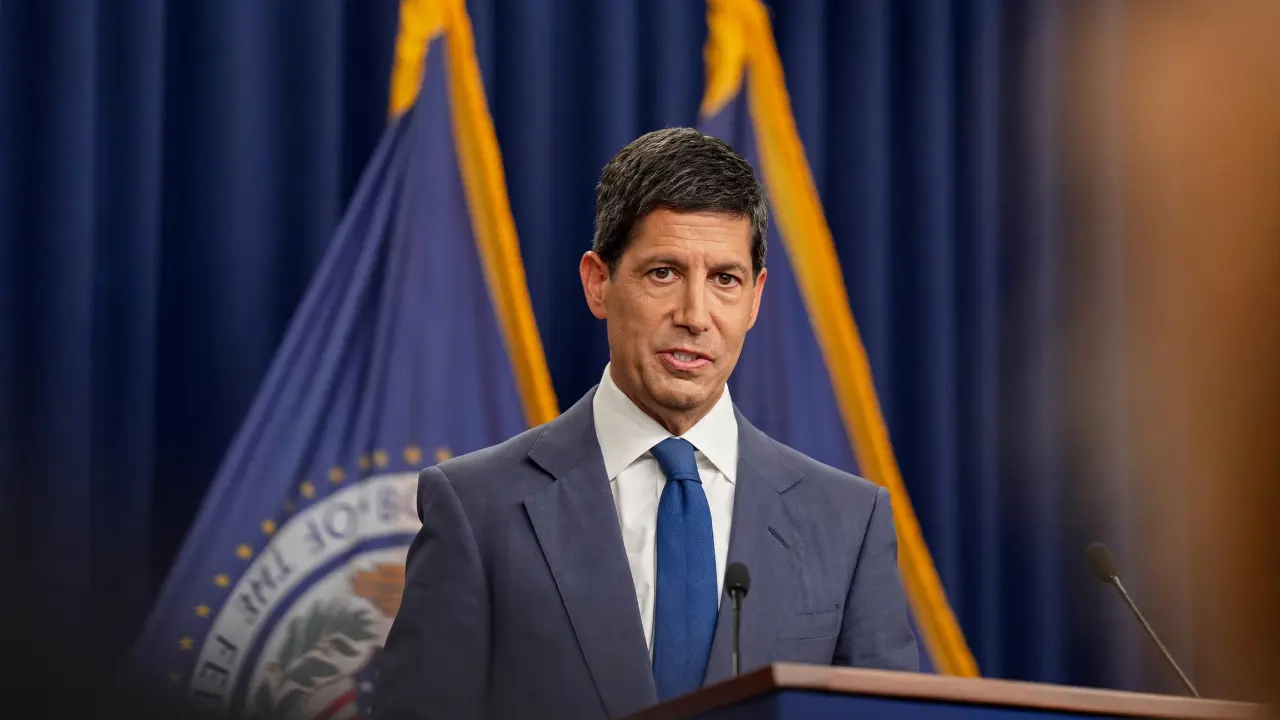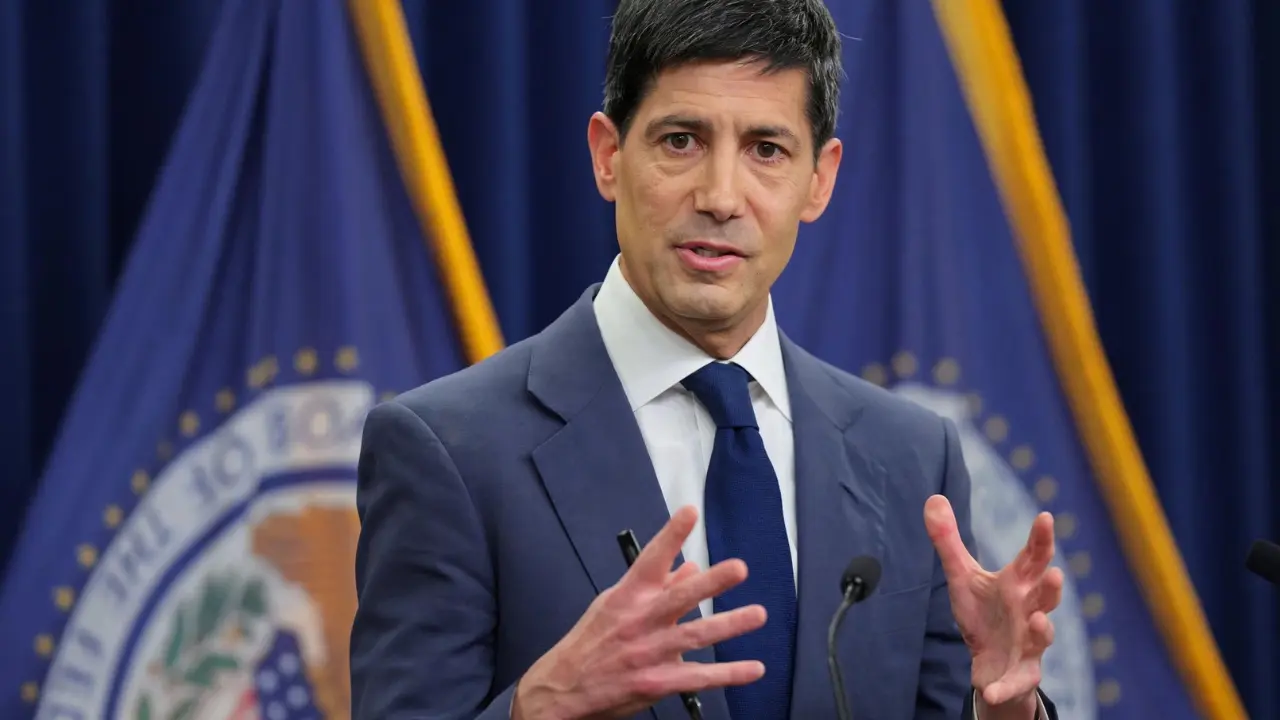


The Federal Reserve controls interest rates by setting a target range for the federal funds rate, the overnight borrowing cost between banks. It enforces this target using two primary tools: Interest on Reserve Balances (IORB), which sets a floor on bank lending rates, and the Overnight Reverse Repo Facility (ON RRP), which sets a floor for money market funds. Together they create an operational corridor that anchors all U.S. borrowing costs.
What Controlling Interest Rates Actually Means
The Federal Reserve does not set your mortgage rate, your savings yield, or your credit card APR by direct decree. It controls one specific rate, the federal funds rate and then relies on the transmission mechanism of the financial system to carry that rate signal through every other borrowing cost in the economy.
The federal funds rate is the interest rate at which commercial banks with excess reserve balances lend those reserves overnight to banks with reserve shortfalls. This is a private, interbank market. The Fed does not participate as a direct lender or borrower.
Federal Reserve Policy
What Is the Federal Reserve: How It Works and Why It Matters
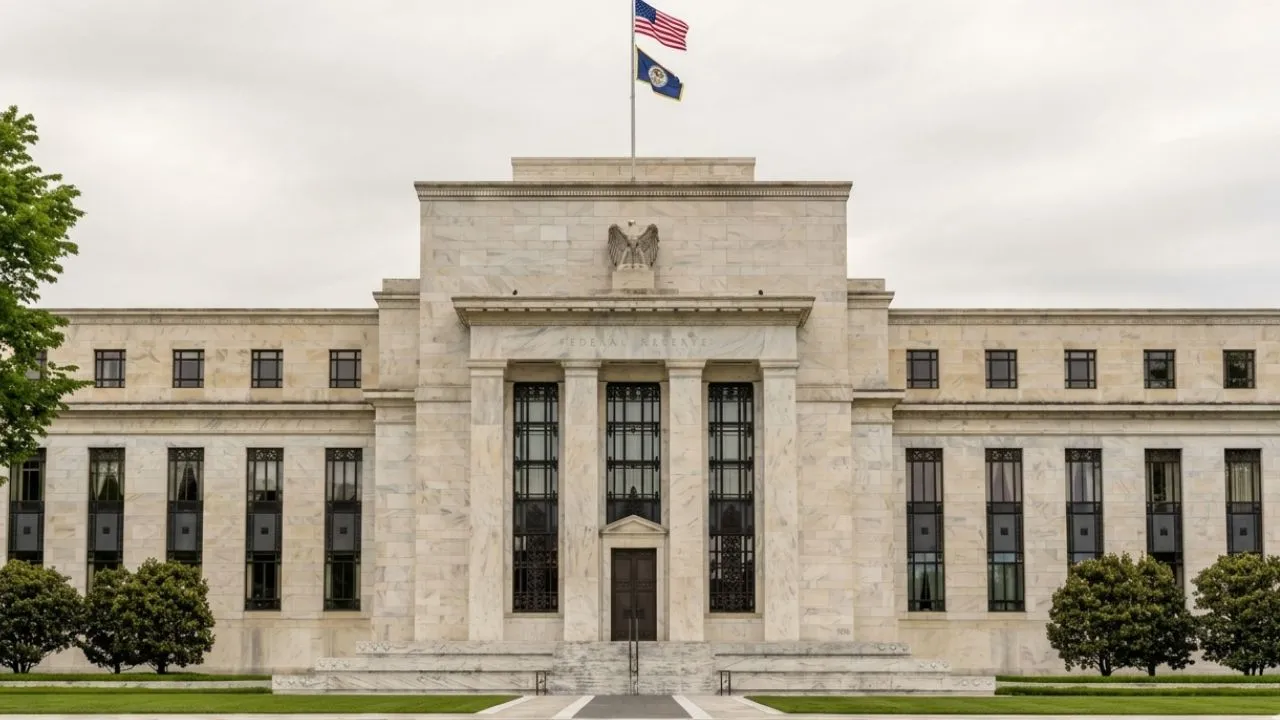
What Is the Federal Reserve: Structure and Operations
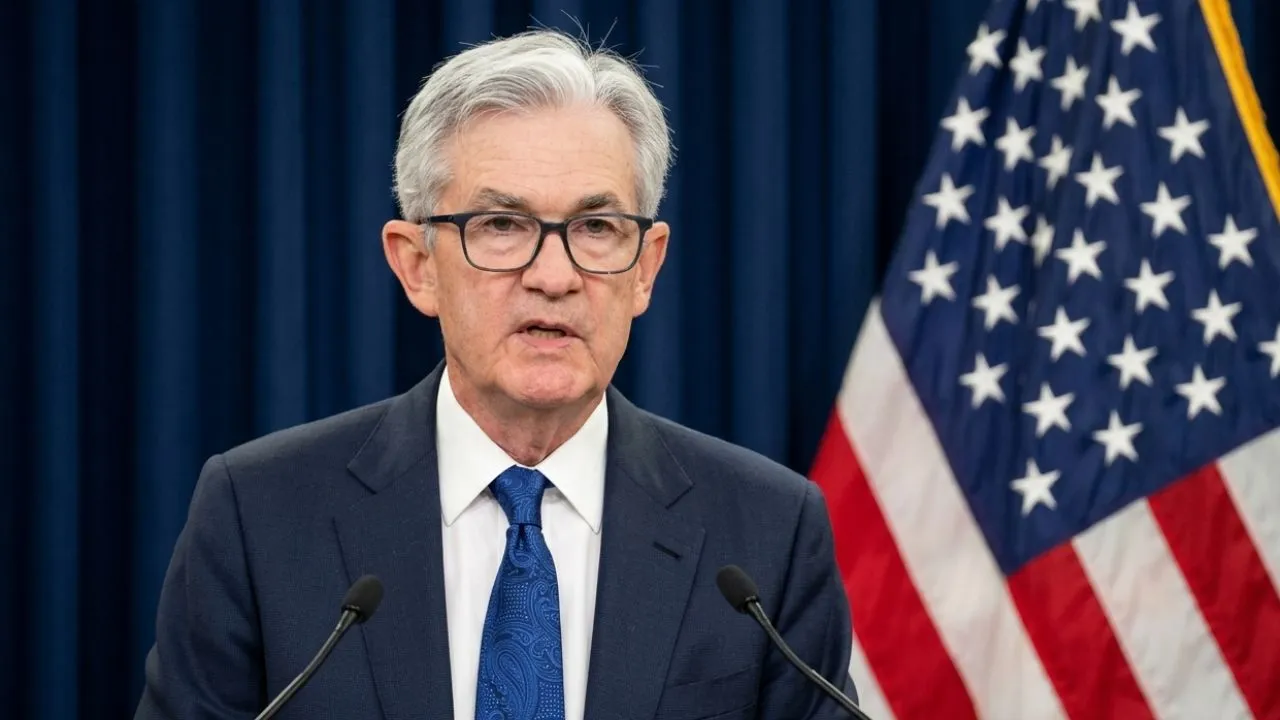
Instead, it uses a suite of policy instruments to make it economically irrational for banks to lend at rates outside the FOMC’s target range. As of the June 16 FOMC meeting under Chair Warsh, the FOMC has continued evaluating the federal funds rate target range against elevated inflation readings, with PPI inflation reaching 6 percent in April 2026 as a primary data input for policy deliberations.
Every rate decision begins with the FOMC voting on a target range expressed as a 25-basis-point band and the Fed’s operational desk at the New York Federal Reserve then uses its toolkit to keep the actual overnight market rate within that band every single trading day.
The Three Core Tools: IORB, ON RRP, and Open Market Operations
Interest on Reserve Balances (IORB)
Interest on Reserve Balances is the primary rate-control mechanism of the modern Federal Reserve. Since October 2008, the Fed has paid interest directly to commercial banks on the reserve balances those banks hold in their accounts at the Federal Reserve.
As of 2026, the IORB rate is set by the Board of Governors and functions as the effective ceiling of the federal funds rate corridor. The economic logic is precise: if a bank can earn the IORB rate by simply holding reserves at the Fed overnight, a zero-risk transaction, it will never lend those reserves to another bank at a rate below IORB.
Lending at below-IORB is economically irrational. This creates a hard lower boundary on the overnight market rate. No rational bank lends its excess reserves for less than it can earn by leaving them at the Fed.
The Federal Reserve’s current IORB rate and reserve balance data is published continuously on the Fed’s official website and is updated with each FOMC decision cycle.
The Overnight Reverse Repo Facility (ON RRP)
The Overnight Reverse Repo Facility is the Fed’s rate floor instrument for non-bank financial institutions, specifically money market funds, government-sponsored enterprises, and primary dealers that cannot hold reserve accounts at the Fed directly. Through the ON RRP, these institutions lend cash to the New York Fed overnight in exchange for U.S. Treasury securities as collateral, earning the ON RRP rate.
Like IORB, the ON RRP creates an economic floor. Money market funds will never lend in private repo markets at rates below the ON RRP rate, since the Fed offers a risk-free alternative at that floor. Together, IORB and ON RRP create a two-sided corridor that traps the federal funds rate within the FOMC’s target band from both above and below.
The mechanics of Fedwire and ACH liquidity timing are directly influenced by the daily equilibrium within this rate corridor, since settlement flows through the Fed’s payment infrastructure are priced against overnight rates that IORB and ON RRP constantly calibrate.
Open Market Operations
Open market operations are the oldest and most publicly visible of the Fed’s tools. The New York Fed’s Open Market Trading Desk executes daily purchases and sales of U.S. Treasury securities in the secondary market.
When the Desk buys Treasuries from a primary dealer, it credits the dealer’s reserve account at the Fed, injecting reserves into the banking system and exerting downward pressure on overnight rates. When it sells Treasuries, it drains reserves and exerts upward rate pressure.
Under modern operating frameworks, where the Fed maintains an ample reserves regime rather than scarce reserves management, large-scale open market operations have become less necessary for day-to-day rate control. IORB and ON RRP handle the daily fine-tuning.
Open market operations are now deployed primarily for structural balance sheet management and emergency liquidity programs, not routine overnight rate targeting. The Federal Reserve’s open market operations data is published daily by the New York Fed, including the size and composition of each Desk operation.
How the Rate Signal Transmits Into Your Financial Life
The federal funds rate is the foundational node of a transmission chain that reprices every financial product in the U.S. economy within weeks of an FOMC decision.
From the Fed to Bank Deposit Yields
When the FOMC raises its rate target, IORB increases immediately. Banks now earn more on their reserve holdings at the Fed. To compete for deposit funding, banks face pressure to raise savings account rates and certificate of deposit yields.
The savings account rate after Fed decisions article traces how this repricing typically lags the FOMC decision by two to six weeks at retail banks, while online banks and money market funds reprice within days due to competitive pressure and direct exposure to money market rates.
From the Fed to Mortgage Rates
The 30-year fixed mortgage rate is not directly set by the FOMC. It is priced off the 10-year U.S. Treasury yield, which reflects the market’s long-run expectation of future Fed policy. When the FOMC signals sustained rate increases as it has in the current 2026 tightening cycle, long-term Treasury yields rise in anticipation, lifting mortgage rates before the Fed formally acts. The treasury yields and mortgage savings impact analysis documents this forward-pricing mechanism in detail.
From the Fed to Social Security Recipients
Federal Reserve rate decisions affect Social Security beneficiaries through two separate channels. First, rising rates increase Treasury yields, which affects how the Social Security trust fund’s bond portfolio is valued and reinvested.
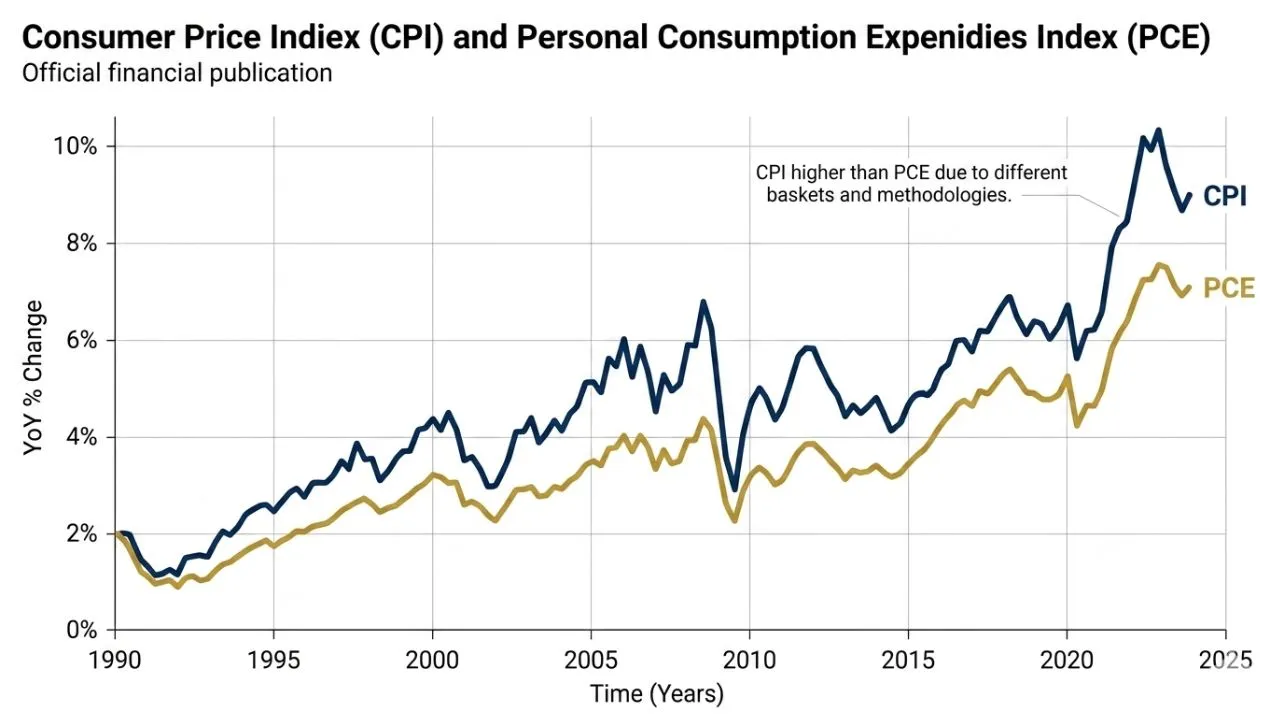
Second, the FOMC’s inflation-fighting mandate directly governs the PCE price index, which feeds into the Consumer Price Index for Urban Wage Earners (CPI-W) the statutory basis for the annual Social Security Cost of Living Adjustment (COLA). The 2027 Social Security COLA projection article explains how current Fed policy is shaping next year’s benefit calculation.
From the Fed to Federal Payment Timing
The Fed’s rate environment also affects the mechanics of federal payment disbursement at a technical level. The federal reserve rate decision deposit timing article explains how reserve availability within the banking system directly controlled by Fed policy affects the speed at which ACH batches settle when the Fed transmits IRS refunds and Social Security payments through FedACH.
What is the discount window and why does it matter?
The discount window is the Federal Reserve’s emergency lending facility for commercial banks facing acute short-term liquidity needs. Banks borrow directly from their regional Federal Reserve Bank at the primary credit rate, which is set above the IORB rate. The discount window functions as a ceiling mechanism: banks facing reserve shortfalls will borrow from the Fed rather than paying above-primary-rate in private markets. In normal conditions, discount window usage is minimal; during stress events, it becomes the lender-of-last-resort backstop for the banking system.
How quickly does a rate hike reach my savings account?
Under current competitive conditions, high-yield savings accounts at online banks typically reprice within one to five business days of an FOMC rate decision. Traditional retail banks reprice more slowly, often two to six weeks due to lower competitive pressure and higher existing deposit volumes. The transmission is asymmetric: banks raise lending rates faster than deposit rates after hikes and cut deposit rates faster than lending rates after cuts.
Does the Fed control mortgage rates directly?
The Federal Reserve does not set mortgage rates. The Fed controls the federal funds rate, which is a short-term overnight rate. Mortgage rates are priced off long-term Treasury yields, which are set by market forces. The FOMC’s rate decisions affect mortgages indirectly through expectations about future short-term rates.
What happens to interest rates after the FOMC meets?
After each FOMC meeting, the committee issues a policy statement announcing its rate target decision, followed by a press conference from the Fed Chair. Within hours, the New York Fed’s Desk adjusts its operations to bring the overnight market rate into the new target band. The FOMC minutes released three weeks later provide the detailed deliberative record.
Edge Cases and Transmission Anomalies
Not all rate increases transmit with equal speed or magnitude into every corner of the financial system. Adjustable-rate mortgages indexed to SOFR (the Secured Overnight Financing Rate) reprice almost immediately following Fed changes, since SOFR tracks overnight repo rates directly.
Fixed-rate loans are unaffected until refinancing. Credit card APRs, which are indexed to the Prime Rate, traditionally defined as IORB plus 300 basis points, adjust within one to two billing cycles of a Fed move.
Banks experiencing significant unrealized losses on their long-duration Treasury portfolios, a structural condition created by the 2022-to-2026 rate cycle, may be unable or unwilling to transmit higher deposit rates to customers, as raising deposit costs further compresses net interest margins already under stress. The federal reserve loss deposit impact 2026 article addresses this structural anomaly directly.
For formal complaints about bank failure to transmit regulatory rate changes, the escalation pathway runs through the Federal Reserve Consumer Help portal at federalreserveconsumerhelp.gov and the Consumer Financial Protection Bureau at consumerfinance.gov.
Federal Reserve Controls Interest Rates Through a Precision Corridor System
The way the Federal Reserve controls interest rates is not through proclamation but through the construction of a precision economic corridor using IORB, ON RRP, and targeted open market operations. This corridor makes it irrational for banks to lend outside the FOMC’s target band, ensuring that every overnight transaction in the $24 trillion interbank market clears within the policy zone the Fed has set.
Understanding how the Federal Reserve controls interest rates means understanding that the FOMC’s vote is just the beginning, the true work happens in the New York Fed’s trading room, across the reserve accounts of thousands of commercial banks, and through the pricing desks of every mortgage originator and savings institution in the country. Every rate printed on your financial products is a downstream echo of a decision made in Washington.
What You Should Do Now
- Check the current IORB rate and compare it to your current savings account APY to assess whether your bank is fully transmitting the rate environment to your deposits.
- Review the FOMC minutes from May 20, 2026 to understand the current committee’s forward guidance on the rate path.
- If you hold an adjustable-rate mortgage, review your SOFR index margin and calculate your next reset against current overnight rates using the same-day ACH vs standard ACH timing framework for your payment schedule.
- Monitor the Fed rate decision impact on your money for a plain-English breakdown of the next FOMC decision’s real-world effects.