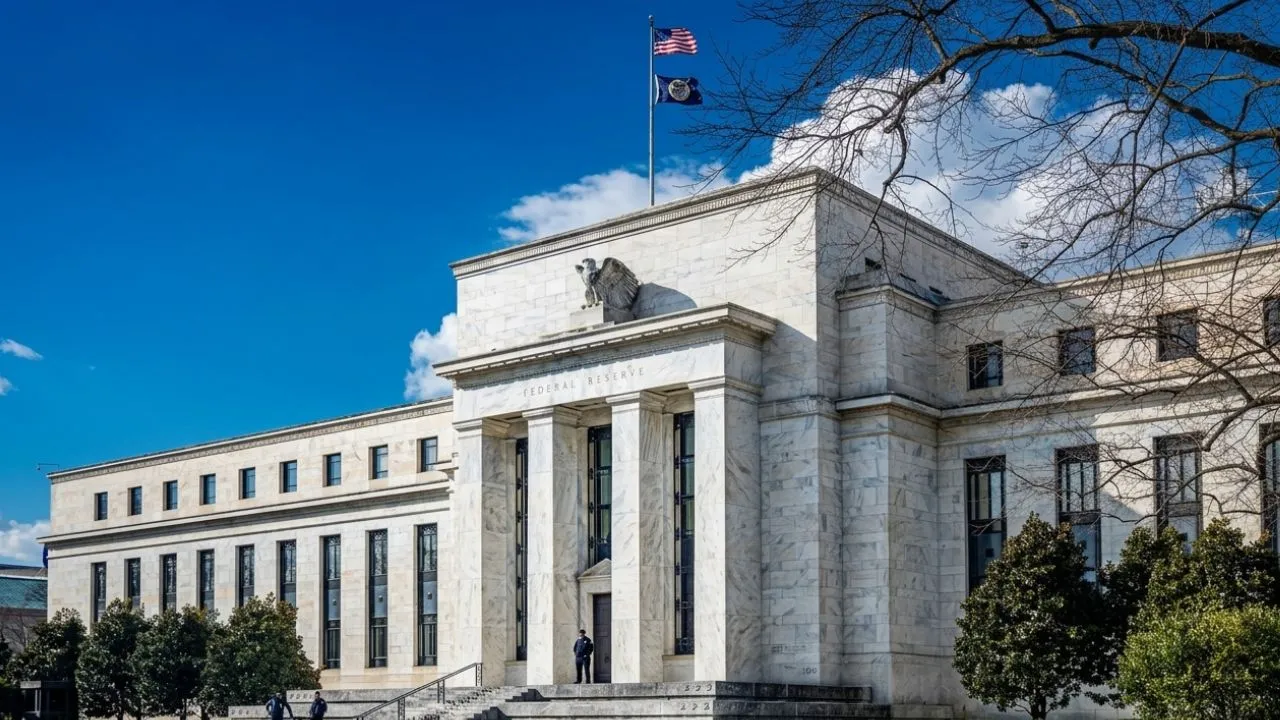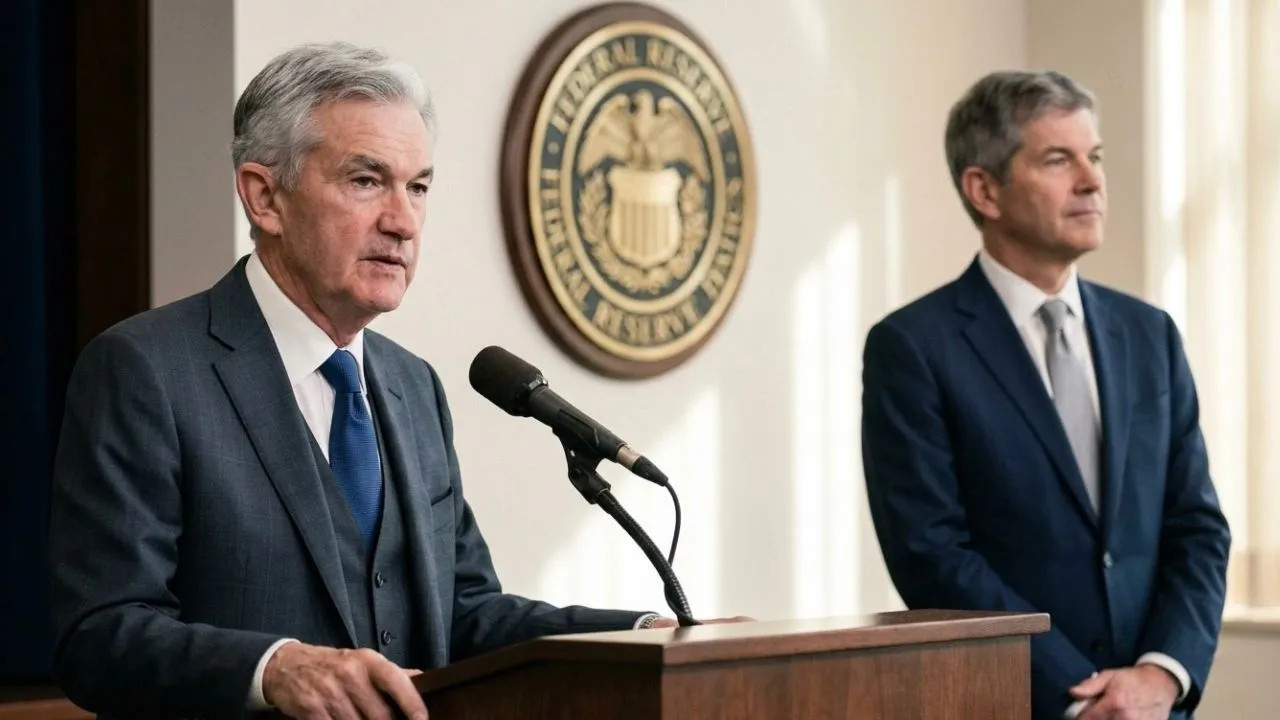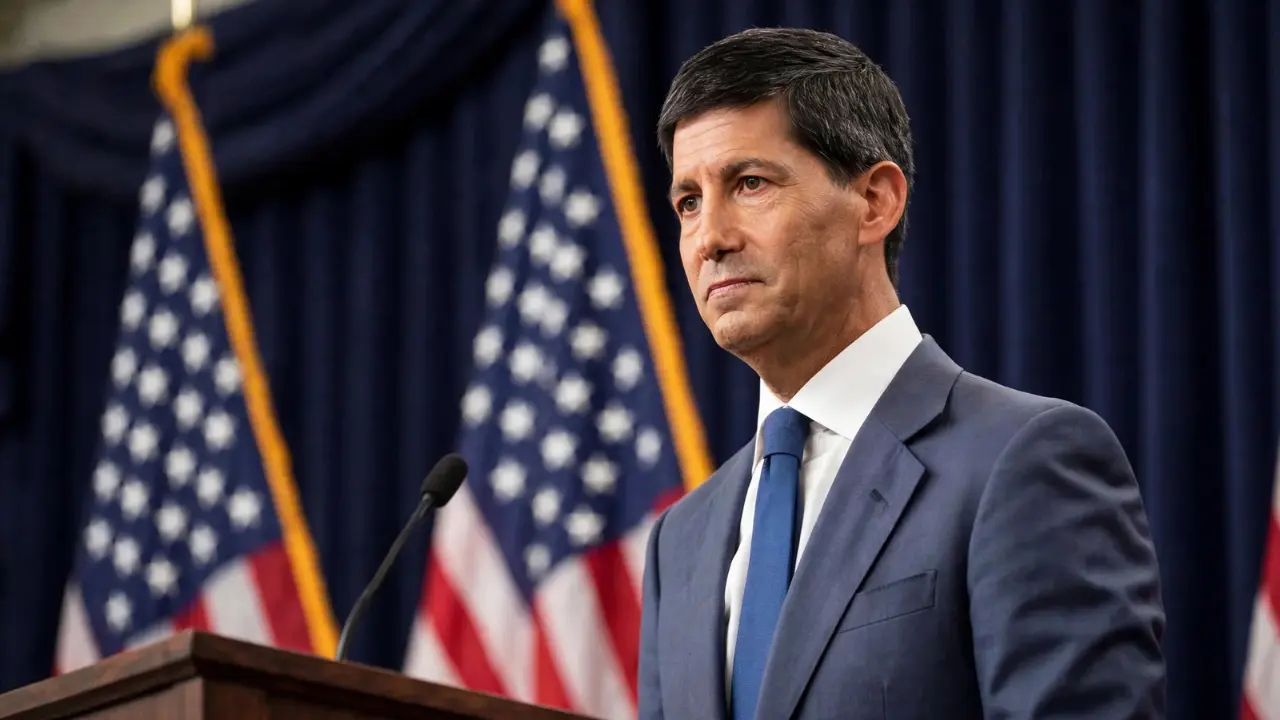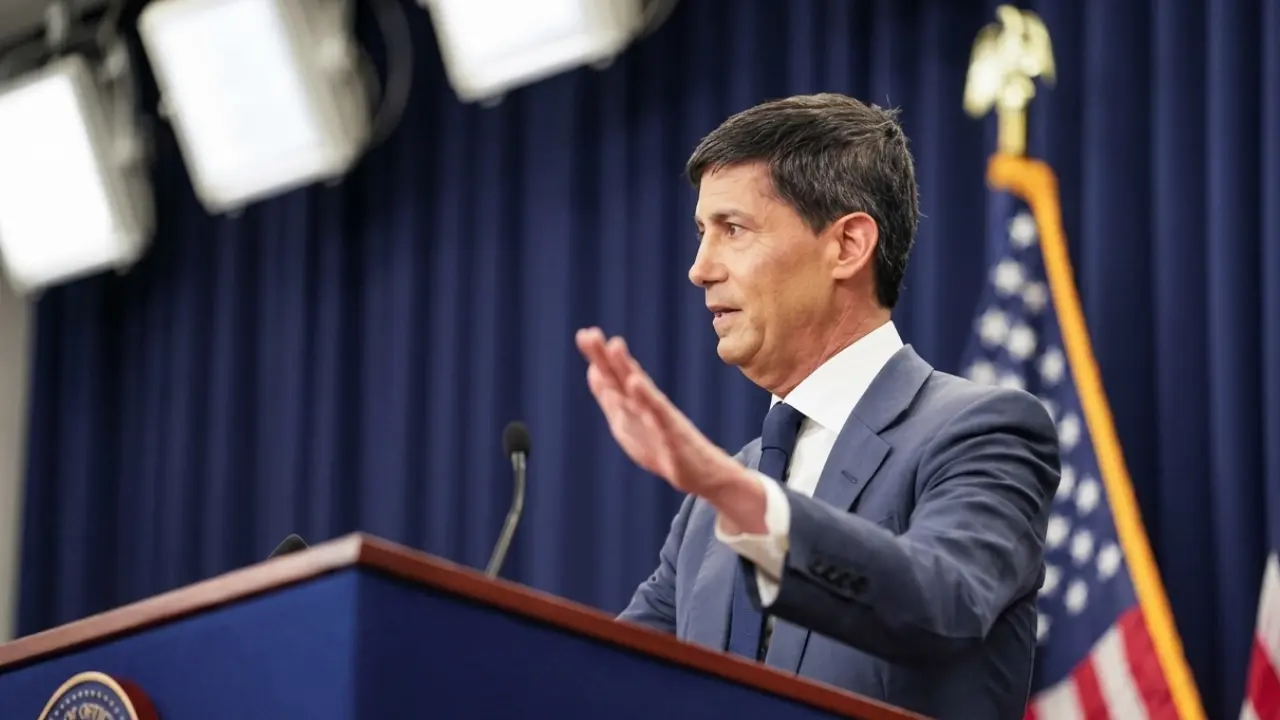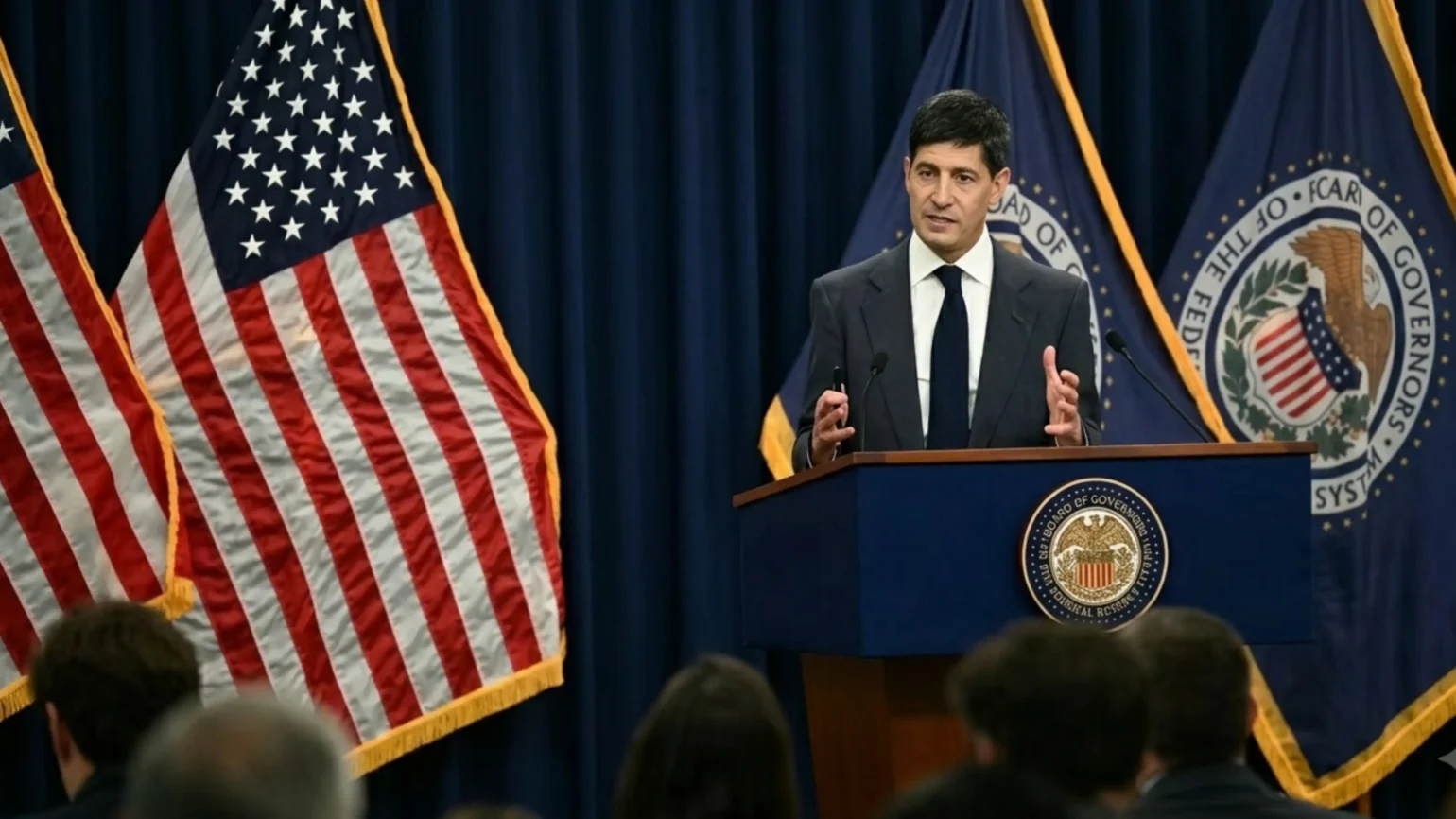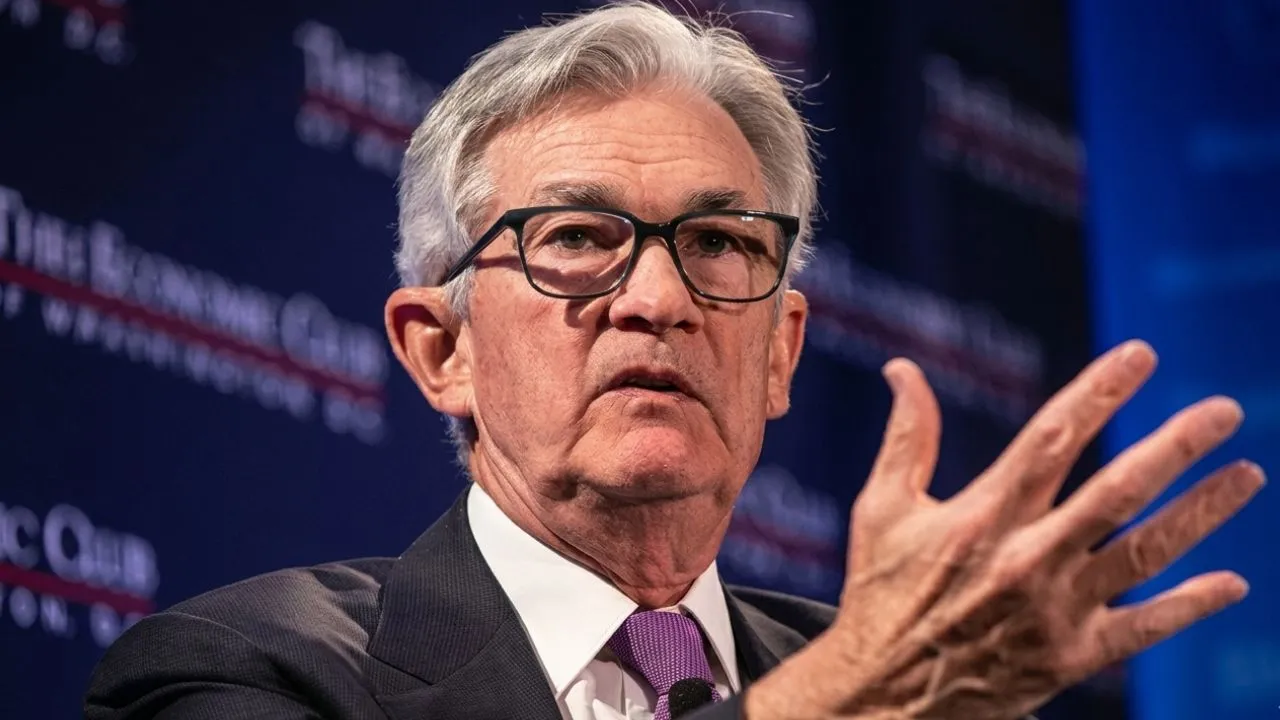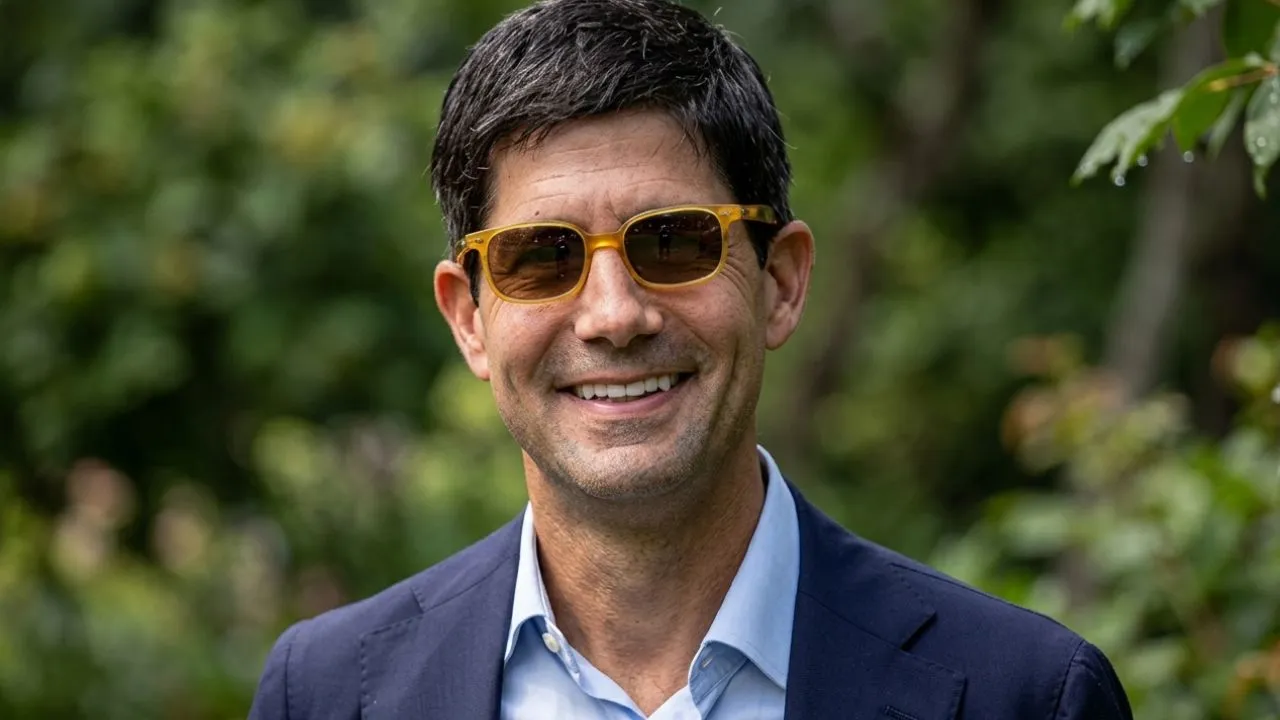

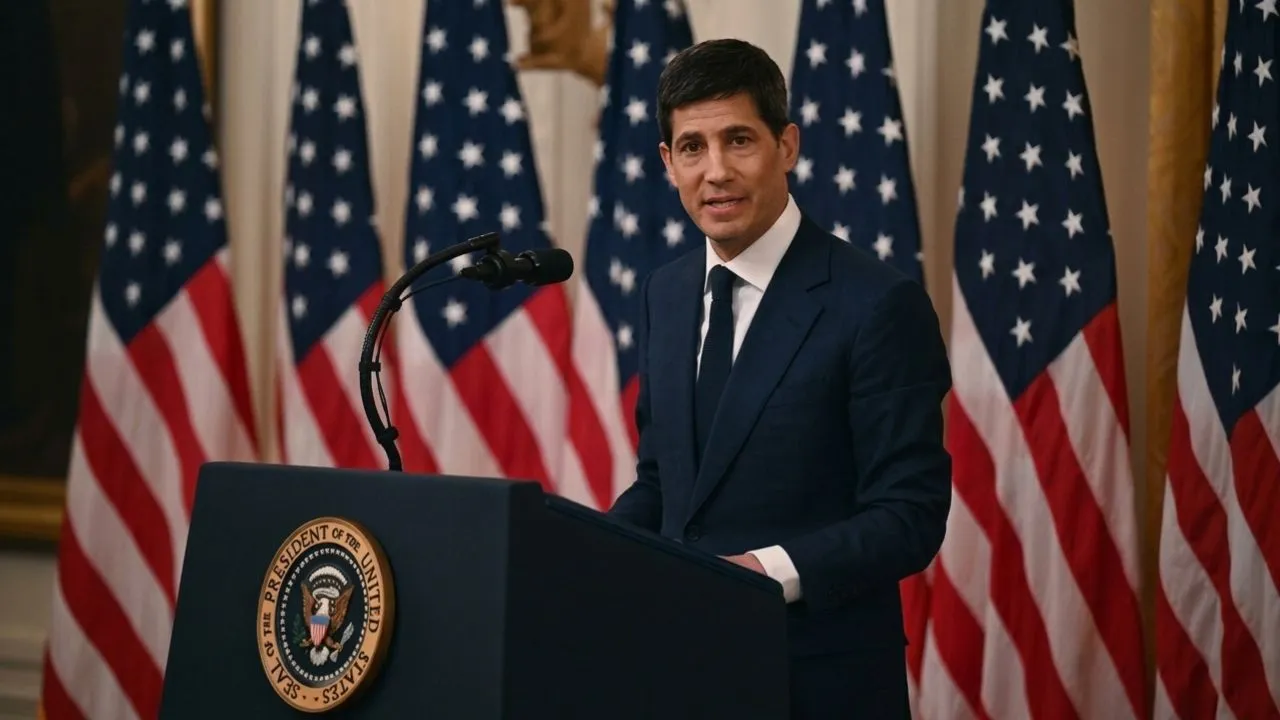
Updated: June 22, 2026 – On Wednesday, June 17, 2026, at 5:02 PM Eastern Time, Kevin Warsh concluded his first Federal Open Market Committee meeting as Chairman of the Federal Reserve Board of Governors.
The committee voted unanimously to hold the Federal Funds Target Rate at its current restrictive ceiling. The vote was 12 to 0. There were no dissents, no ambiguity, and no market surprises. What followed in the 42-minute press conference was arguably more significant than the rate decision itself.
Warsh declared, in unambiguous terms, that the Federal Reserve’s operational framework has changed. “We’ve missed for five years, and we’re going to fix that.” With those 11 words, Warsh signaled a departure from the discretionary, data-dependent communication style of the previous chairmanship and toward what economists are calling a rule-based, systematic approach to achieving and sustaining the Fed’s 2% PCE inflation target.
This matters for every American with a savings account, a mortgage, a car loan, a credit card balance, or a benefit payment indexed to federal interest rate movements. The Warsh era at the Federal Reserve is not a continuation of prior policy under a new name. It is a recalibration of how the most powerful financial institution in the world approaches its core mandate.
Warsh officially succeeded Jerome Powell following his swearing-in on June 16, 2026. The Warsh swearing-in ceremony article covered the formal transition of authority, including the protocol of Powell serving as Chair Pro Tempore during the transition period before the FOMC meeting.
The FOMC June rate decision and savings impact article provides the full breakdown of how the June 17 hold decision flows through to consumer savings account yields, CD rates, and money market returns in the weeks following the announcement.
The June 17 decision did not happen in isolation. It followed months of anticipation, a contentious confirmation process, and a period of significant market uncertainty about how Warsh would interpret his mandate. The Kevin Warsh Fed chair policy changes article traces his policy evolution from his original tenure as a Fed Governor under Bernanke through his confirmation hearings and the positions he staked out before taking the chair.
Understanding how the Fed’s rate decisions interact with the complete architecture of U.S. federal payments, from Social Security deposits through IRS refund timing to Treasury auction yields, requires examining the U.S. money movement system that translates monetary policy into real cash flows for American households.
The three operational pillars Warsh outlined in his June 17 press conference define the new regime. First, systematic balance sheet reduction through Quantitative Tightening, with a clearly communicated monthly runoff schedule for both Treasury securities and Agency mortgage-backed securities.
Second, transparent, rule-based forward guidance that removes discretionary interpretation from the Fed’s communication strategy. Third, an uncompromising commitment to restoring core PCE to 2% before any easing cycle begins, regardless of labor market conditions, political pressure, or short-term financial market volatility.
This framework directly contradicts the early-year consensus among rate traders who had priced in multiple rate cuts for 2026. An FT and University of Chicago Booth School poll conducted in the week following the June 17 decision found that more than 50% of leading economists now expect Warsh to execute a 25-basis-point rate hike before year-end if core PCE does not demonstrate a clear disinflation trend by September. That expectation has completely reversed the market posture that prevailed as recently as March 2026, when futures markets were pricing three to four cuts by December.
The FOMC minutes from May 2026 released June 16, the day before Warsh’s first meeting, provided the first official window into how the incoming chairman had been influencing internal deliberations even before formally assuming the chair. Those minutes showed a significant tightening in the committee’s risk language and an explicit acknowledgment that above-target inflation was not merely transitory.
For mortgage holders and prospective homebuyers, the Warsh doctrine has direct near-term implications. Thirty-year fixed mortgage rates are mechanically connected to the 10-year Treasury yield, which responds to Fed policy expectations rather than the Federal Funds Rate directly.
But the Fed Funds Rate governs the short end of the yield curve, and Warsh’s hawkish stance has steepened expectations across the entire term structure. The Fed rate hike mortgage impact article covers the current transmission dynamics from Fed policy to mortgage rate pricing.
For savings account holders, the Warsh hold is unambiguously positive in the near term. High-yield savings accounts, money market funds, and short-duration Treasury instruments continue to offer yields that exceed inflation on a nominal basis, a condition that had not prevailed for most of the prior decade. The continuation of restrictive policy means these yields will persist through at least Q3 2026 and likely through year-end.
For Social Security recipients, the longer-term picture is more complex. Warsh’s aggressive anti-inflation posture, if successful, will lower the CPI readings that determine the 2027 Social Security COLA. A Fed that succeeds in cooling inflation benefits retirees through improved purchasing power but simultaneously reduces the COLA adjustment that protects their nominal benefit levels. The Social Security COLA 2027 forecast examines this interaction through the current CPI-W trajectory, with projections that account for the tighter monetary policy environment Warsh has now formally committed to.
The Warsh Fed balance sheet and loss position article covers the institutional context of the Fed’s current balance sheet reduction program. The Fed entered the Warsh era carrying unrealized losses on its portfolio accumulated during the zero-rate quantitative easing period, a structural constraint that affects the pace and mechanics of the balance sheet normalization Warsh has prioritized.
The quantitative tightening and Fed balance sheet piece explains how the monthly runoff schedule Warsh outlined in his June 17 press conference interacts with Treasury auction supply, T-bill yields, and the liquidity conditions that ultimately determine how much American households earn on their cash savings.
What Warsh has established is not merely a policy position. It is a framework for restoring what he described as the Federal Reserve’s institutional credibility as an inflation fighter, credibility that he argued had eroded across the five years of above-target inflation that preceded his chairmanship. Whether the economy and inflation data cooperate with that framework through the rest of 2026 will determine whether his debut as chairman is remembered as the beginning of a successful disinflation or the opening act of a more difficult policy challenge.
The FOMC meeting schedule for 2026 shows the remaining calendar of FOMC decisions through year-end, with the next scheduled meeting in late July 2026 being the first test of whether Warsh’s framework produces the data evolution he is targeting or requires a harder response.