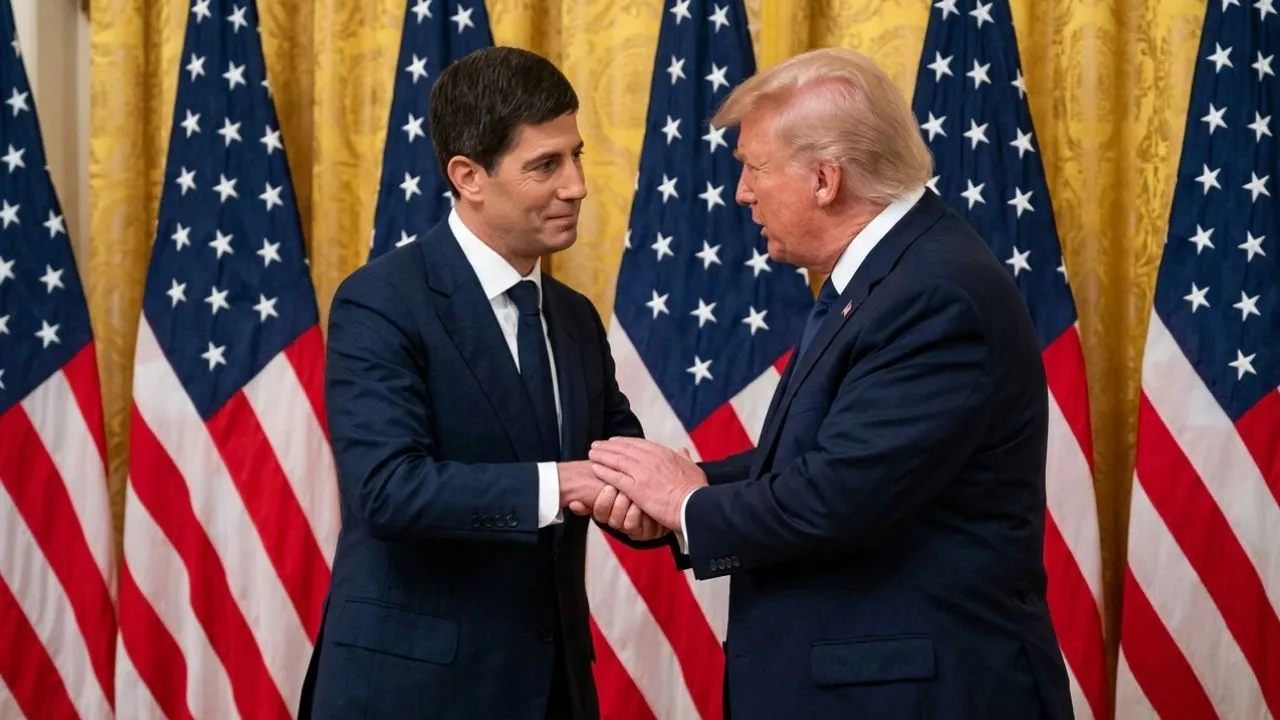
Warsh’s first FOMC decision arrives today at 2:00 PM ET. The rate hold versus cut calculus directly affects the $18.7 billion operating loss trajectory. His balance sheet signal appears in today’s statement language.
The June 16 FOMC meeting will be Warsh’s first rate decision as chair, and the balance sheet position is a direct structural constraint on his available policy options.
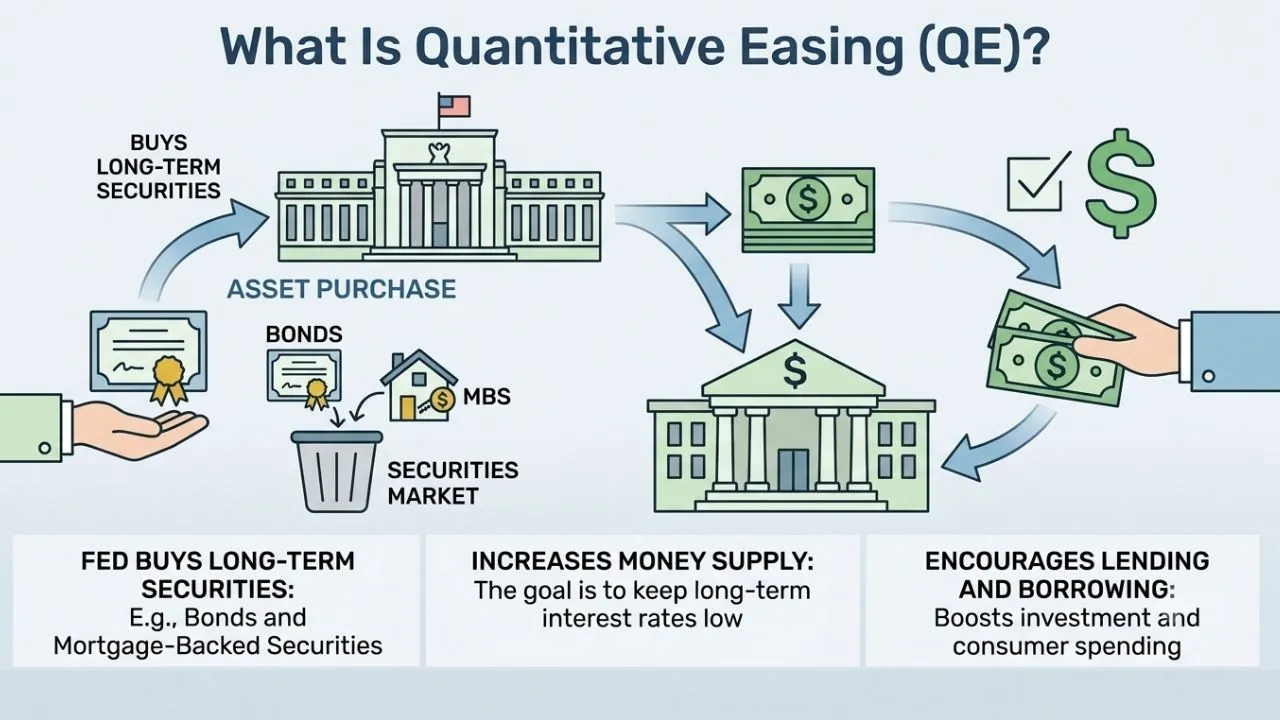
Kevin Warsh now leads a Federal Reserve carrying an annual operating loss of approximately $18.7 billion, a direct consequence of the pandemic-era bond purchase program that expanded the Fed’s balance sheet to nearly $9 trillion.
The loss occurs because the Fed pays more in interest on bank reserves than it earns on its legacy bond holdings. This structural deficit reduces the Fed’s remittances to the U.S. Treasury and creates a specific constraint on Warsh’s options at the June 16 FOMC meeting.
When Kevin Warsh was confirmed as Federal Reserve Chair, the congratulations from financial markets were immediate. The harder conversation, about exactly what he is inheriting on the balance sheet, took longer to reach the public. It deserves a precise accounting, because the number has a direct consequence for American taxpayers, savers, and anyone watching the June 16 interest rate decision.
The Federal Reserve’s operating loss is not a budget crisis in the traditional sense. The Fed does not need to borrow money or raise taxes to cover this loss. But the loss is real, it is structural, and it has a specific mechanism that Warsh must manage as he navigates his first rate decision. Understanding it gives you an accurate picture of the constraints on U.S. monetary policy right now.
How the Fed Is Losing $18.7 Billion a Year and Why It Matters
The Federal Reserve’s balance sheet currently holds approximately $6.7 trillion in assets, predominantly U.S. Treasury securities and mortgage-backed securities purchased during the 2020 through 2022 quantitative easing program. These bonds were purchased when interest rates were near zero. They carry yields ranging from roughly 1.5 to 2.5 percent on average.
On the liability side of the Fed’s balance sheet are bank reserves, the deposits that commercial banks hold at the Federal Reserve. Following the 2022 through 2023 rate hiking cycle, the Fed now pays banks the Interest on Reserve Balances rate, which sits at the current federal funds rate range, to hold those reserves overnight.

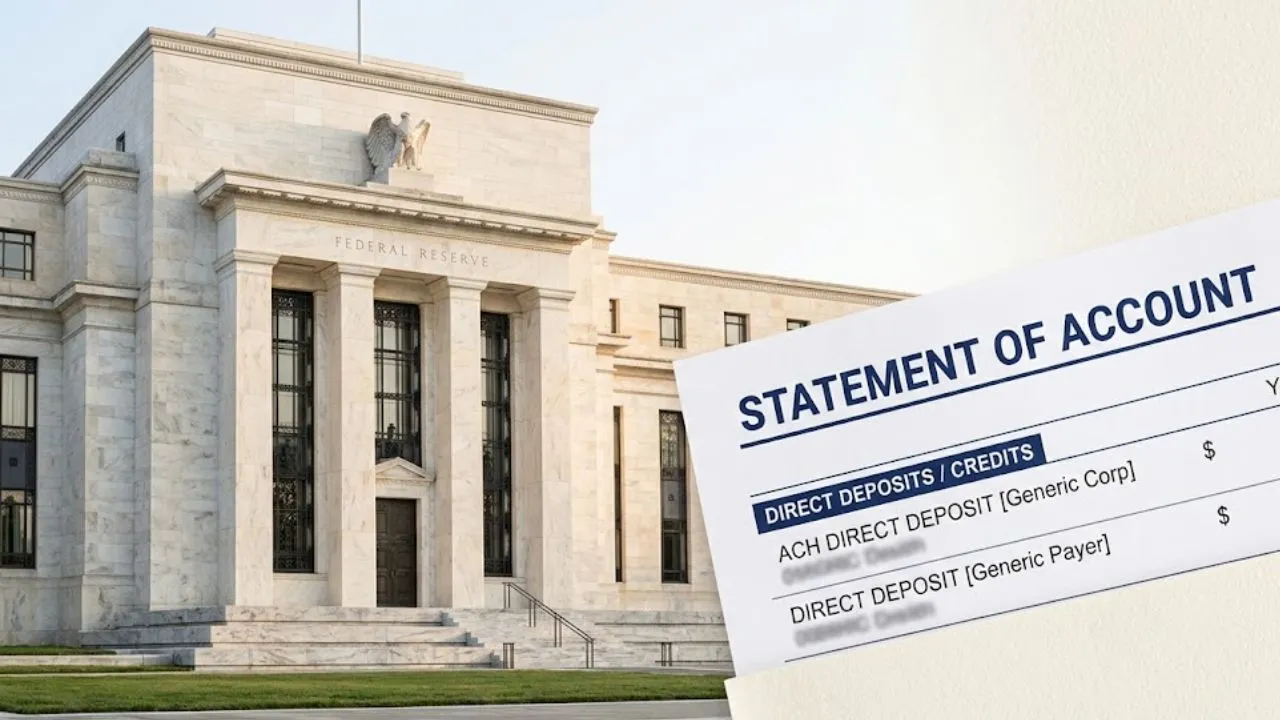
The Fed is currently paying out more in interest to banks than it earns on its low-yield bond portfolio. The gap between what it pays out and what it earns is the operating loss. The Federal Reserve reports this loss as a “deferred asset”, an accounting mechanism that means the Fed does not remit profits to the U.S. Treasury until the deferred asset is fully recovered.
In practical terms, this means billions of dollars that would normally flow from the Fed to the Treasury, reducing the federal deficit, are not flowing. The Fed’s balance sheet structure and the mechanics of quantitative tightening explain how this position developed and what the unwinding path looks like.
For Kevin Warsh, this balance sheet loss creates a specific policy tension at the June 16 FOMC meeting. Cutting rates reduces the interest the Fed pays on reserves, which narrows the operating loss, but cutting rates prematurely in an elevated inflation environment contradicts the Fed’s price stability mandate.
Holding rates steady maintains the operating loss but demonstrates inflation discipline. This is not an abstract accounting problem. It is a live constraint on the options available at Warsh’s first rate decision.
What the Balance Sheet Loss Means for the June 16 Decision
The June 16 FOMC meeting is the first under Warsh’s leadership, and its outcome will define the market’s understanding of Warsh’s monetary policy posture for the remainder of 2026. The June 16 FOMC meeting preview and the broader FOMC rate decision framework establish the institutional context within which Warsh must act.
The balance sheet loss adds a dimension to this decision that most coverage is missing. When the Fed holds rates elevated, it continues paying banks the high reserve rate, which continues the operating loss.
But when the Fed simultaneously runs quantitative tightening, allowing bonds to mature and roll off the balance sheet without reinvestment, it reduces the total size of the asset portfolio, which over time reduces both the interest income and the interest expense. The net effect on the operating loss depends on the pace of balance sheet contraction relative to the rate path.
Warsh has publicly signaled support for continued balance sheet normalization. The quantitative tightening program, which has reduced the balance sheet from its $9 trillion peak by approximately $2.3 trillion, continues to run.
But the pace of contraction and its interaction with the rate path is the core mechanical challenge Warsh inherits. His public statements and the Warsh Fed chair policy framework give the clearest available signal of how he intends to manage this tradeoff.
The Fed’s own balance sheet data is published weekly in the H.4.1 statistical release, available at federalreserve.gov. The Federal Reserve’s annual financial statements, which document the operating loss in full, are available at Fed Financial Statements.
For savers and CD holders, the immediate question is whether Warsh cuts rates at June 16 or holds. The savings rate impact of the rate decision and the practical steps for your money after June 16 are the most actionable next reads.
What Happens Next for the Fed Balance Sheet Under Warsh
The operating loss does not disappear quickly. Even if Warsh holds rates steady through the end of 2026 and the balance sheet continues to contract through quantitative tightening, the deferred asset recovery process runs across multiple years.
The Fed’s own projections, embedded in its annual financial reports, indicate the operating loss environment persists as long as the policy rate remains above the average yield on the bond portfolio.
For the U.S. Treasury, this matters because the Fed’s remittances, the annual transfer of profits to the Treasury that reduces the federal deficit, have been suspended. In years prior to the pandemic, the Fed transferred $80 billion or more annually to the Treasury. That transfer is currently zero.
When Warsh eventually steers the Fed back to profitability, those remittances resume and become a meaningful contribution to federal fiscal arithmetic. This is not a crisis.
It is a structural reality that shapes the environment in which every rate decision for the next 18 to 24 months will be made. The FOMC May 20 expectations and the Warsh swearing-in context provide the full institutional timeline leading into the June decision.
What This Means
The Fed balance sheet operating loss is not a talking point. It is an $18.7 billion annual structural reality that directly constrains Kevin Warsh’s rate options at June 16 and beyond. Every basis point the Fed holds rates elevated costs the institution money it is not remitting to the Treasury.
The Fed balance sheet contraction under quantitative tightening is the long-term solution — but it operates on a multi-year timeline that outlasts any single FOMC decision. Warsh’s policy choices in the next 12 months will either accelerate or delay the return to Fed profitability.
What You Should Do Now
- Watch the June 16 FOMC statement for Warsh’s specific language on balance sheet normalization pace.
- Monitor the weekly H.4.1 release for balance sheet size changes.
- Review your savings account and CD rates in context of the June 16 outcome.
- Check Federal Reserve for the full annual financial statements documenting the deferred asset position.