
The Federal Reserve’s own economists now expect inflation to run hotter through the end of 2026 than they projected just three months ago. In the FOMC projections released alongside the June meeting, the median policymaker revised the forecast for core inflation at year-end upward, from 2.7% to 3.3%.
The following year’s forecast moved higher too, with 2027 core inflation revised from 2.2% to 2.5%, while the committee’s own path for the federal funds rate shifted up as well, with participants now projecting an average rate near 3.6% by the end of 2027.
It’s worth being precise about what this document is and isn’t. A Summary of Economic Projections is not a policy decision, it’s a snapshot of what a dozen or so Fed officials individually believe is likely, published four times a year.
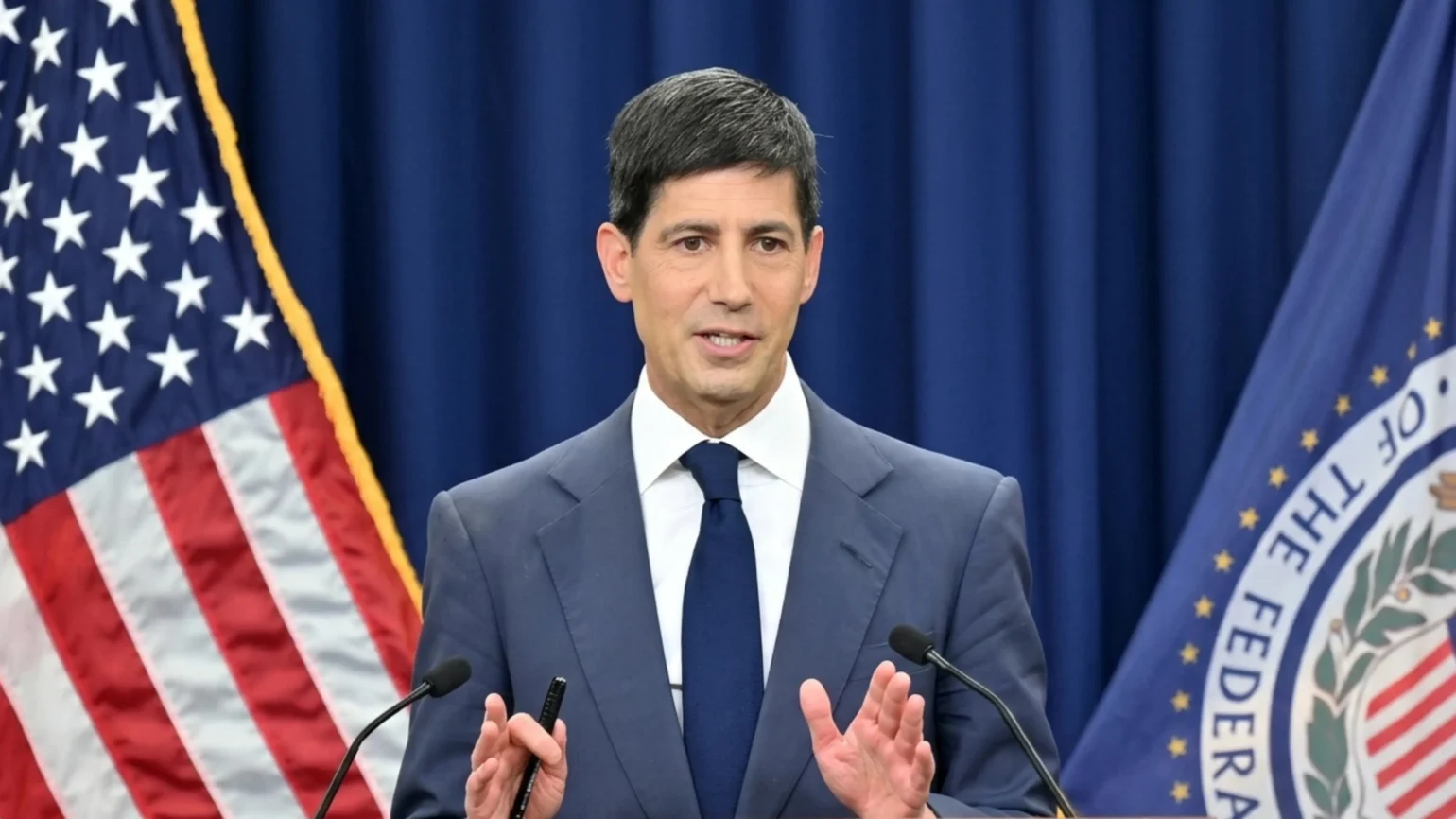
This particular round carried extra context: it was the first SEP released under new Fed Chair Warsh, who did not submit a projection of his own. Markets read the shift as a sign the committee sees inflation as more persistent than it did in spring, though the SEP itself doesn’t explain why any individual official moved their number.
The policy rate itself has not moved yet. At the June meeting, the Fed left its benchmark rate at a range of 3.5% to 3.75%, and the next FOMC meeting runs July 28 and 29, a gathering that won’t include a new SEP.
So the inflation revision is a forecast update, not a rate change, a distinction that matters for anyone tracking savings account yields. Markets have been pricing the practical fallout for weeks: futures this week showed roughly even odds of a hike in September, down from about two-thirds before the latest jobs report, while the 10-year Treasury yield has held around 4.48% to 4.50% ahead of the June meeting minutes.
What this means for you depends on which side of the rate equation you’re on. If the Fed eventually raises its policy rate in response to the path it’s now forecasting, deposit yields tend to move first, since banks compete for cash ahead of any official Fed action, while variable-rate debt like credit cards typically repriced on a lag.
Fixed-rate mortgage holders see little direct effect, though new mortgage rates are more sensitive to the 10-year Treasury yield than to the fed funds rate itself. None of this is guaranteed on any particular timeline, the Fed has raised a forecast, not a rate.
The most useful step right now is watching the same two releases the Fed itself is watching: the next Consumer Price Index report and the July FOMC statement, both of which will say more about the actual rate path than a single forecast revision can.
If you hold savings or CDs, this is a reasonable moment to compare your current yield against what banks are currently advertising. If you’re planning a major purchase tied to financing, treat the environment as elevated uncertainty rather than a settled direction, and check the Fed’s own rate decisions directly rather than a secondhand summary of them.
Methodology: This article draws on the Federal Reserve’s June 2026 Summary of Economic Projections, the FOMC’s June policy statement, and current futures-market rate-hike odds. Figures were independently verified against the Fed’s own released tables as of publication.