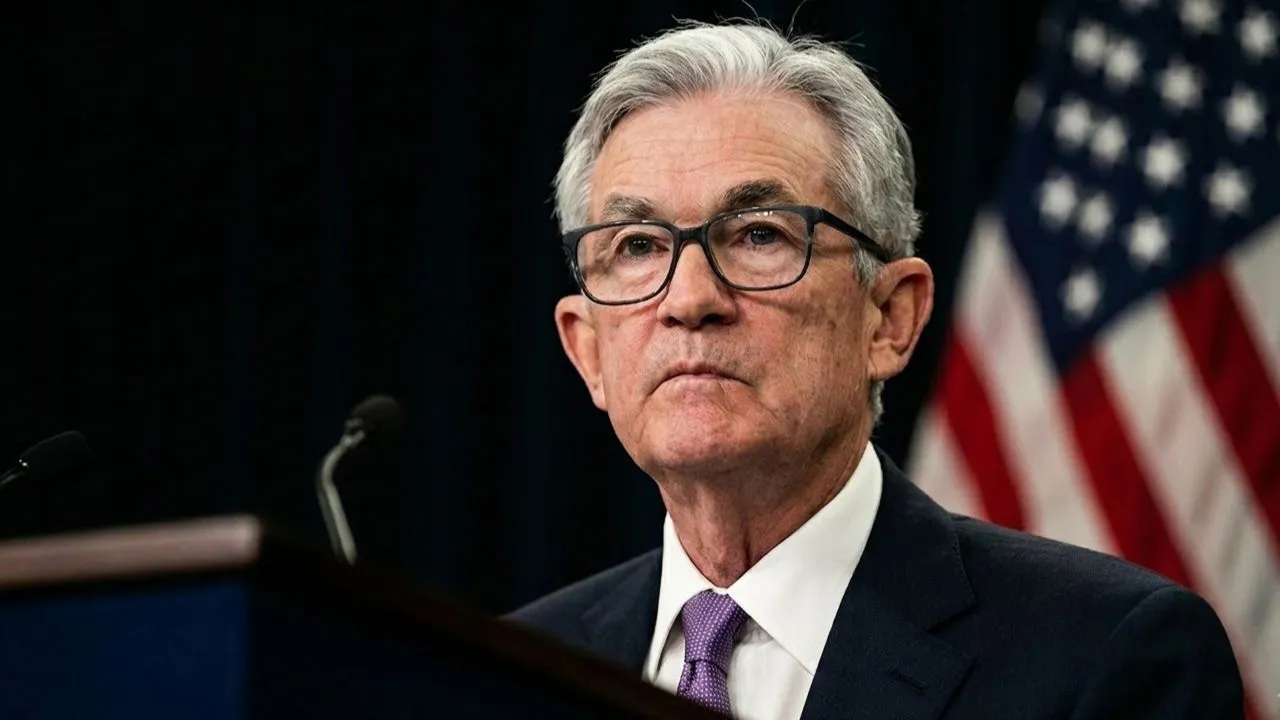

Core PCE inflation remains at 3.4% and headline PCE at 4.1%, both well above the Fed’s 2% target. Despite that gap, Chairman Kevin Warsh has said the central bank will not revisit its inflation goal.
Some recent commentary has speculated that the Federal Reserve might quietly abandon its long-standing 2% inflation target given how far above it inflation currently sits. The record does not support that reading, and readers deciding how to plan around inflation deserve the distinction made clearly.
What Warsh has actually said, on the record
At his first press conference as Fed chair in June, Warsh was asked directly whether the 2% target was on the table for review by one of his newly formed fed task force groups.
He said no, adding that he did not believe in revisiting the target until it had actually been reached. Speaking again at the ECB’s Sintra forum in early July, Warsh reiterated that the Fed remains, in his words, unambiguous and unanimous in its commitment to price stability.
Anyone can verify these statements directly through the Federal Reserve’s press releases rather than relying on paraphrased coverage. The distinction matters because a 2% target and a policy tolerating higher inflation are two very different postures with very different consequences for households.
Warsh’s own phrasing, that the Fed has “missed on inflation for five years and we’re going to fix that,” points toward tightening as the intended remedy, not toward redefining what counts as success.
The gap between the target and reality
The Fed’s preferred gauge, the PCE price index, rose 4.1% year over year in May 2026, more than double the 2% target, with core PCE at 3.4%, according to the Bureau of Economic Analysis.
The Consumer Price Index reached 4.2%, the highest reading in three years, per the Bureau of Labor Statistics. That gap is real, and it is the reason markets have shifted so sharply toward pricing in a hike rather than a cut this year.
But a wide gap between actual inflation and a stated target is not, on its own, evidence that the target is being abandoned. Historically, the Fed has treated overshoots as reasons to tighten, not as reasons to move the goalpost.
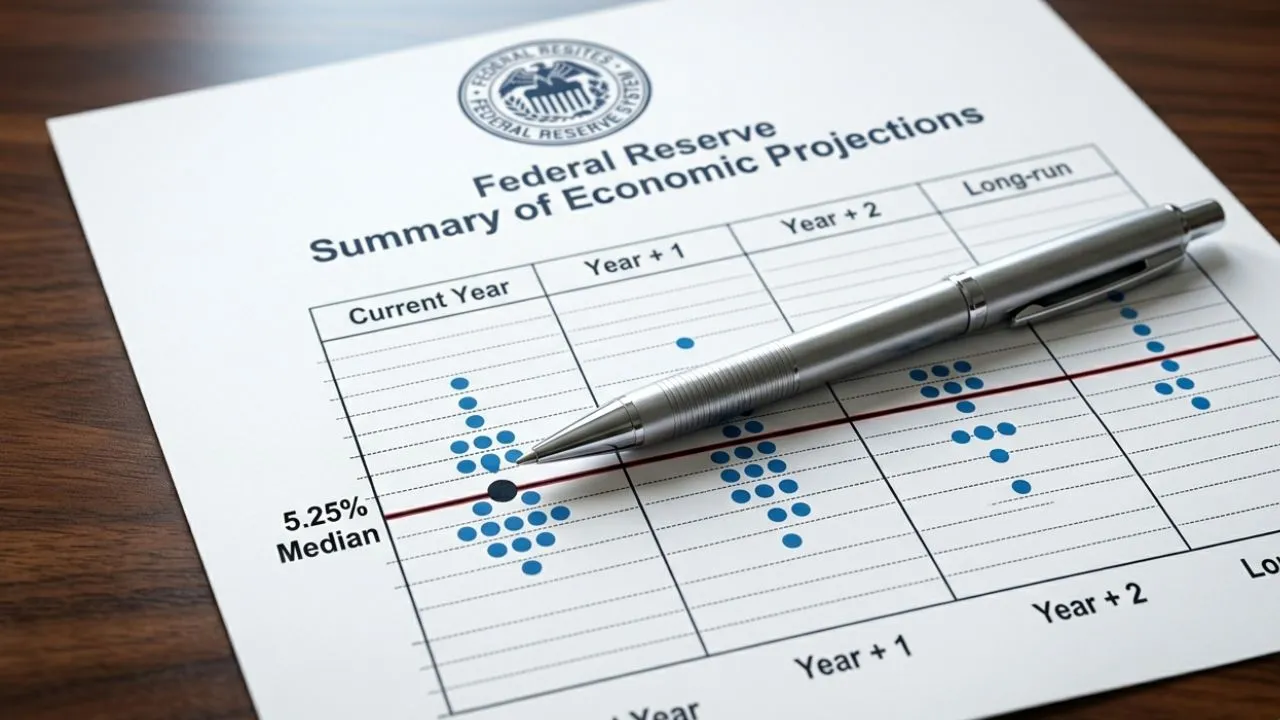
Six of the Fed’s nineteen policymakers now support two separate quarter-point rate hikes before year-end, and futures markets were pricing a better-than-90% chance of at least one hike by October following Warsh’s June press conference.
That is a hawkish shift, driven by a chair defending an unchanged target rather than one softening it. It also shows up in market pricing for things well outside monetary policy headlines, including in how treasury yield curve dynamics have shifted since the June meeting.
Why this distinction matters for your planning
If the Fed were actually abandoning its inflation target, that would imply a higher-inflation environment becoming the new normal, which would change how households approach wage negotiations, fixed-rate borrowing, and long-term savings goals.
That is not what is happening here. What is happening is a Fed chair signaling that current inflation is unacceptable relative to an unchanged goal, which points toward tighter policy ahead rather than looser tolerance of price growth.
This also connects to the social security cola mechanism, since Social Security’s own annual adjustment is built around the assumption that the Fed is actively working to bring inflation back toward target rather than accepting a permanently higher baseline.
Don’t plan your finances around inflation settling into a new, higher baseline. The Fed’s own stated posture points the opposite direction, at least as of this Fed chair’s public commitments.
If you’re deciding between a fixed and adjustable-rate loan, a Fed committed to fighting inflation rather than tolerating it is a data point in favor of locking in a fixed rate before potential hikes land. Keep watching the July 28–29 FOMC meeting for the next concrete signal, since Warsh has said the committee will let incoming data, not forward guidance, drive the next move.
Methodology: This article combines Federal Reserve public statements from the June 2026 FOMC press conference and the July 2026 ECB Sintra forum with BEA PCE inflation data and BLS CPI data, independently reviewed as of publication.