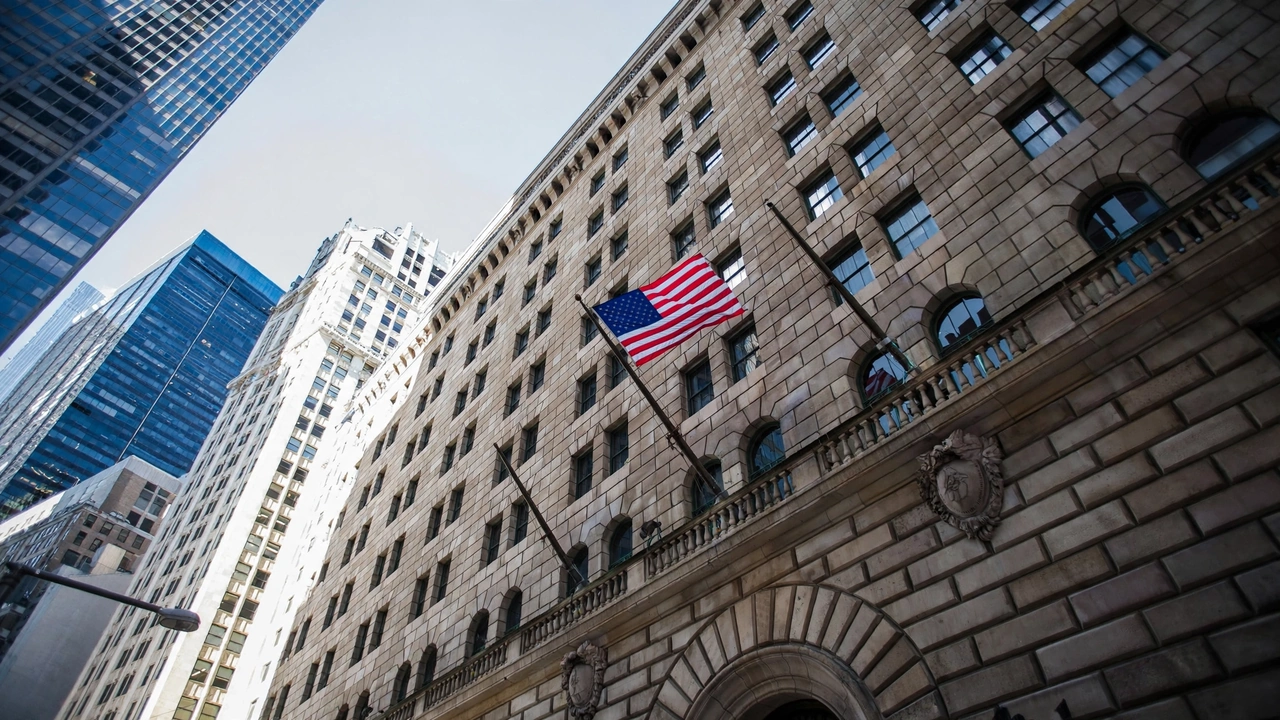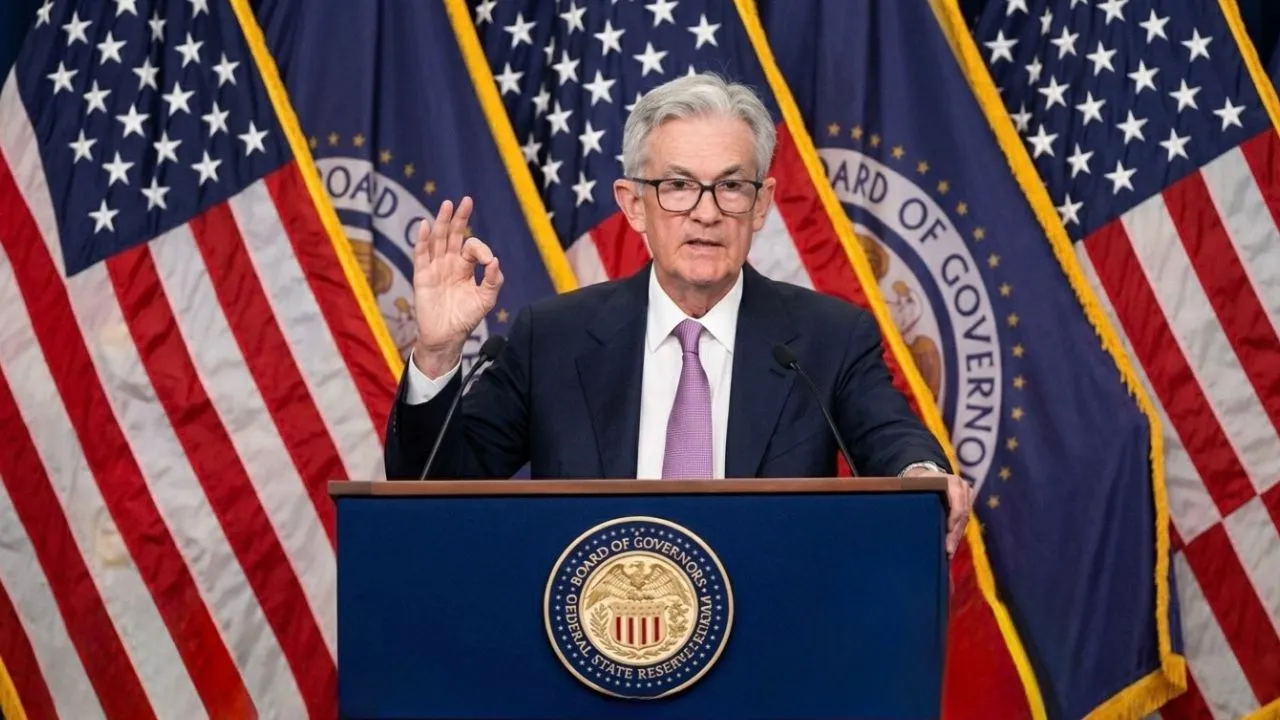

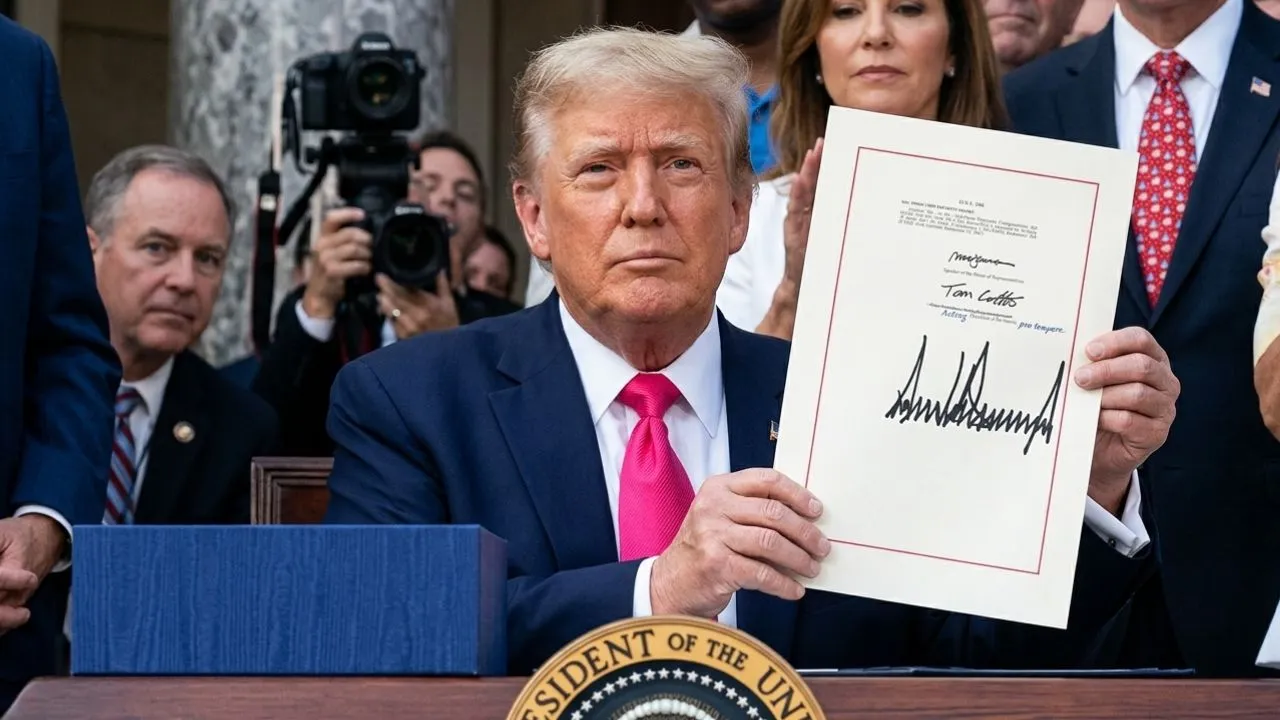
The Federal Reserve holds its federal funds rate in the 3.50%–3.75% range as policymakers continue absorbing the fiscal shock from the One Big Beautiful Bill Act, signed July 4, 2025. With the law projected to add up to $4 trillion to the national deficit over ten years, the Fed’s rate-cut timeline has materially shifted.
The One Big Beautiful Bill Act, signed into law July 4, 2025, is now the dominant force reshaping Federal Reserve policy in 2026. The law cuts approximately $5.2 trillion in federal tax revenue over a decade while raising the debt ceiling to $41.1 trillion.
That fiscal expansion has pushed the Fed to keep interest rates elevated, directly affecting savings rates, mortgage costs, and credit card interest for more than 135 million American households currently carrying financial products tied to the federal funds rate.
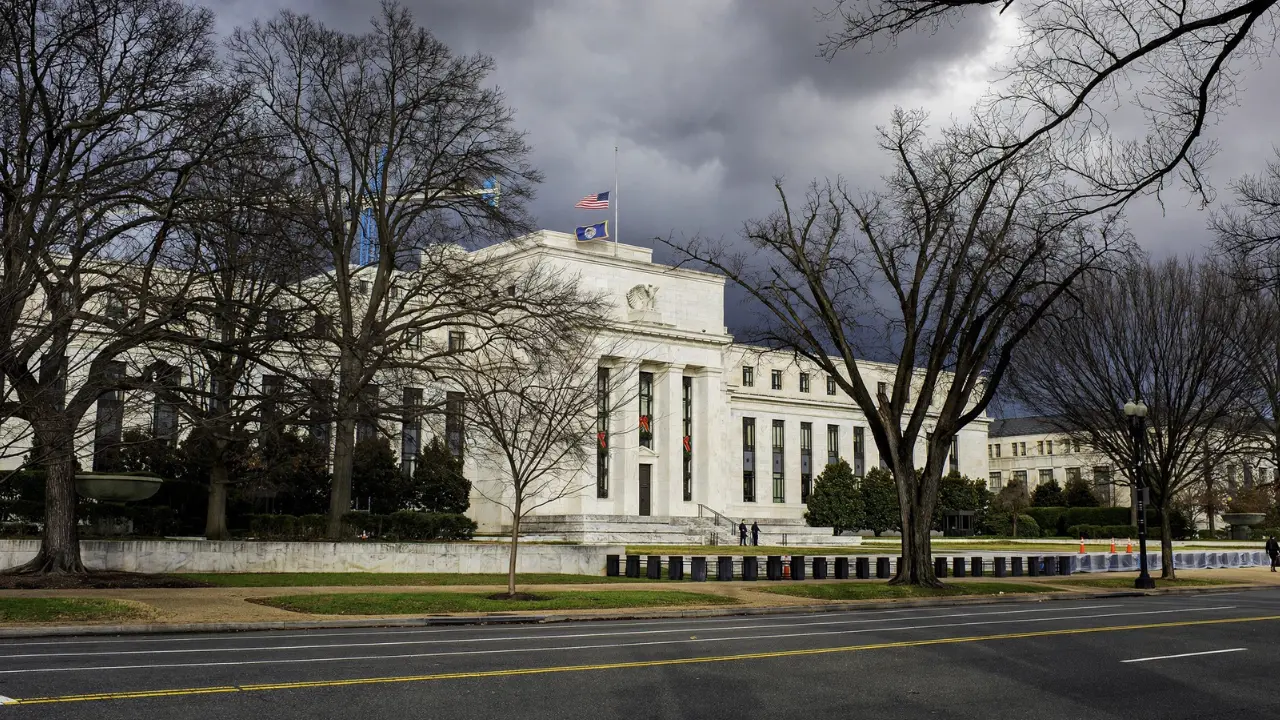
When Congress passed the One Big Beautiful Bill Act last July, most Americans focused on the immediate benefits: lower taxes, permanent TCJA provisions, no tax on tips, a bigger standard deduction. What received less attention was the downstream consequence that would unfold months later, in the offices of 12 Federal Reserve district banks across the country.
The OBBBA does not just change how Americans file their taxes. It changes the entire macroeconomic environment in which the Federal Reserve must operate, and in 2026, that distinction is now costing millions of households real money.
How $4 Trillion in New Deficit Spending Changes the Fed’s Calculations
The Congressional Budget Office estimates the OBBBA will add $3.4 trillion to deficits over the next decade, climbing to nearly $4 trillion when interest costs are included. J.P. Morgan Asset Management has confirmed that this level of fiscal stimulus is large enough to keep economic growth elevated into 2026, which gives the Federal Open Market Committee a direct reason to pause its rate-cutting cycle.
The logic is mechanical. When Congress injects large-scale fiscal stimulus into the economy through tax cuts, consumer spending tends to rise. Rising consumer demand can push prices upward. When prices rise, the Fed’s primary mandate, keeping inflation at or near 2 percent, requires it to hold interest rates higher for longer, or risk reigniting the inflationary pressures that cost American families so much between 2021 and 2023.


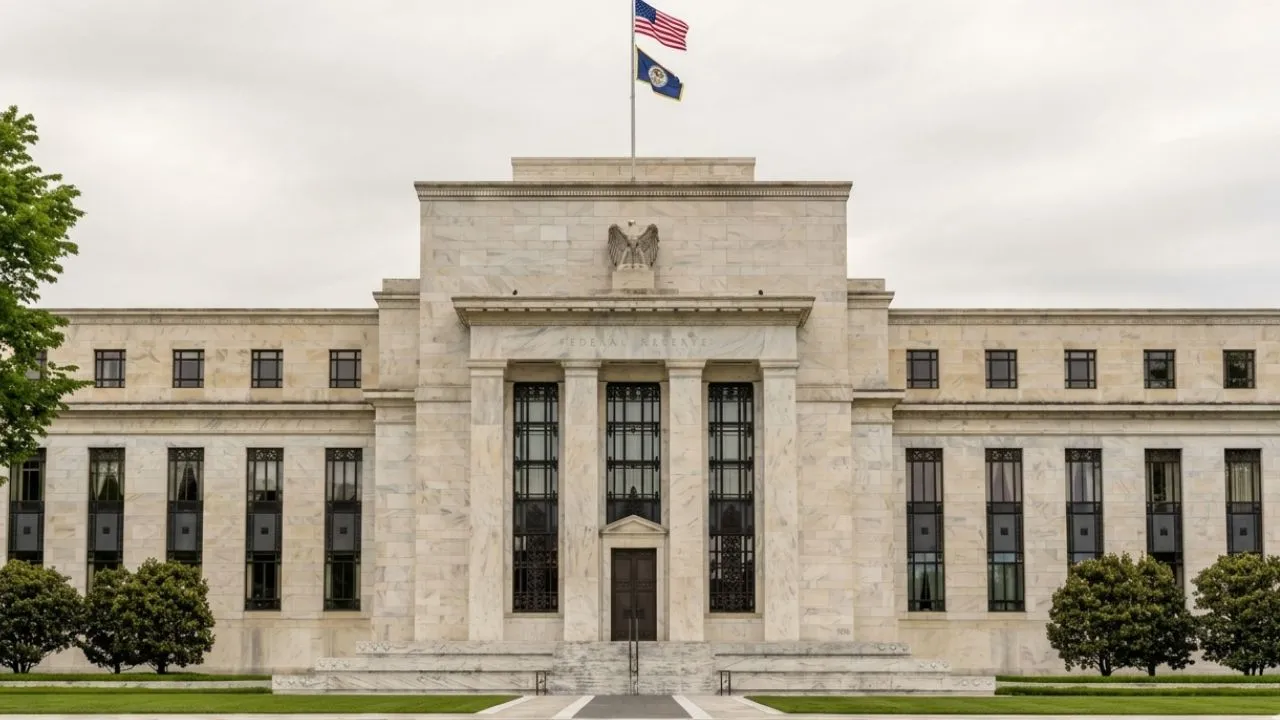
The OBBBA is estimated to boost after-tax income by 4.0 percent in 2026 for the average American household. That is a significant injection of purchasing power into an economy the Fed is still trying to cool. The result is what economists call a fiscal-monetary conflict: the Treasury and Congress are pushing the accelerator while the Federal Reserve rides the brake.
As of May 2026, the federal funds rate sits in the 3.50% to 3.75% target range. That rate directly determines what banks charge each other overnight for short-term loans and indirectly determines what you pay on your credit card, your home equity line, and your adjustable-rate mortgage.
It also determines what high-yield savings accounts and certificates of deposit pay you back. Every month the Fed holds rates elevated, the federal reserve policy environment remains unfavorable for borrowers and favorable for savers.
What the OBBBA Means for Your Savings Account, Mortgage, and CD Rate
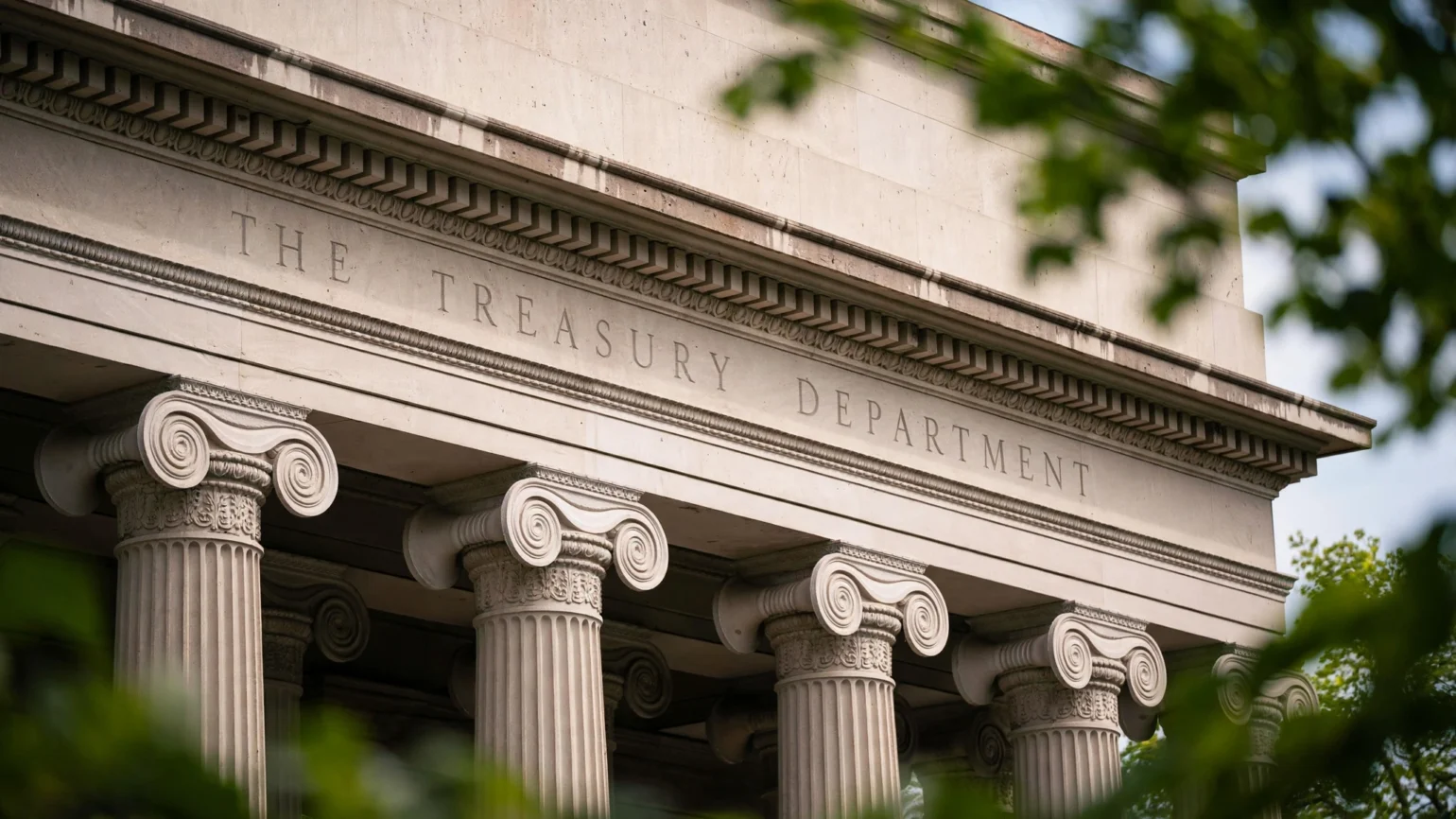
The Fed does not set your savings rate directly. The Bureau of the Fiscal Service at the U.S. Treasury manages federal payment infrastructure, while the Federal Reserve Board establishes the benchmark rate environment that commercial banks use to price their own deposit products. When that benchmark stays elevated due to fiscal pressure from legislation like the OBBBA, banks have less urgency to cut the rates they offer savers.
That means high-yield savings accounts, which were paying well above 4 percent during the 2022–2023 tightening cycle, remain above 4 percent today rather than collapsing to pre-pandemic levels below 1 percent. Anyone holding cash in a savings account rate tied to the prime rate is, unintentionally, benefiting from Congress’s spending decisions.
For homebuyers and refinancers, the picture is the opposite. The 30-year fixed mortgage rate does not mechanically track the fed funds rate, but it does track the 10-year Treasury yield, which has remained elevated precisely because bond markets are pricing in a larger future supply of Treasury securities needed to finance the OBBBA’s deficit. The Treasury yield impact on mortgage rates has been direct, consistent, and painful for first-time buyers.
The Fed’s own internal models now reflect a “moderate growth boost” scenario driven by the OBBBA’s fiscal tailwind, according to J.P. Morgan’s institutional analysis. That growth boost removes the urgency of rate cuts that markets were pricing in as recently as late 2025.
The Fed’s Dilemma: Inflation Still Above Target, Growth Still Strong
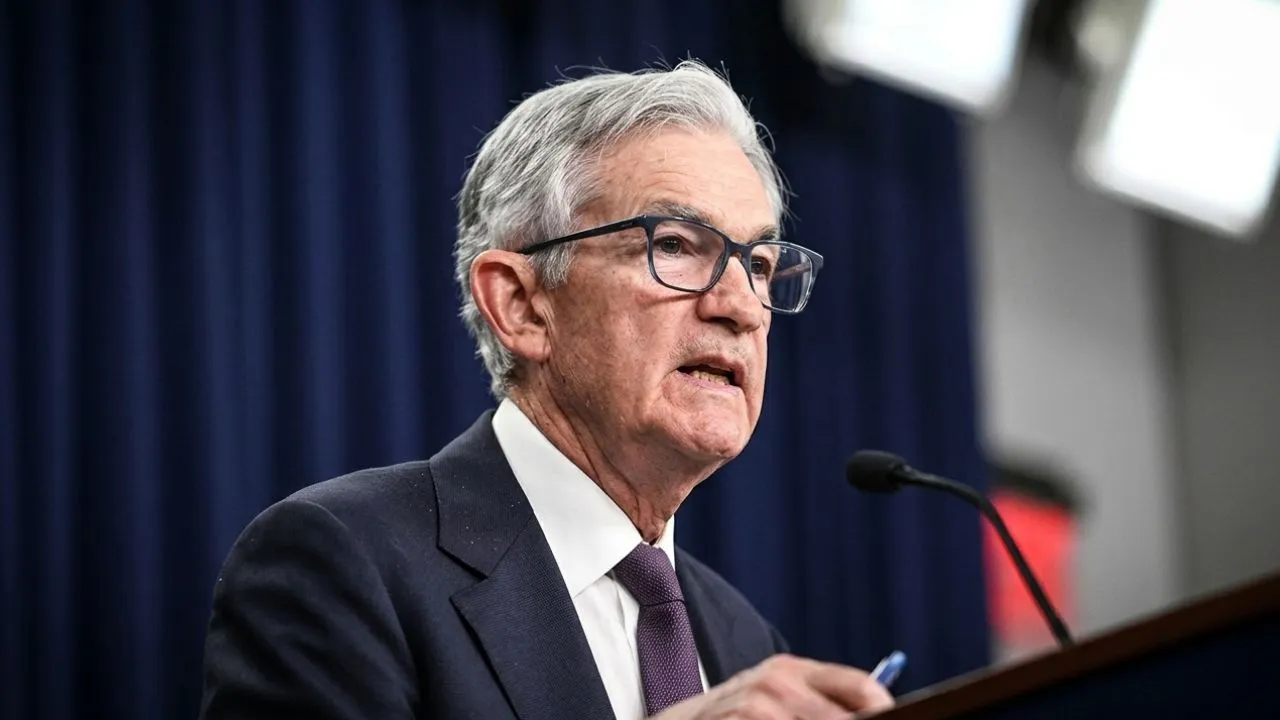
Federal Reserve Chair Kevin Warsh, sworn in as Fed chair following Jerome Powell’s departure, now faces a specific challenge that his predecessor was already navigating when the OBBBA first passed: fiscal stimulus is doing the job that monetary easing would normally do, but without the Fed controlling the timing or the magnitude.
The CBO’s updated projections show inflation remaining above the Fed’s 2 percent target in the near term, driven partly by tariff effects and partly by the demand increase from the OBBBA’s tax cuts. The Congressional Budget Office projects that higher deficits will increase demand for goods and services in a way that keeps consumer prices elevated.
That leaves Warsh and the FOMC in a position where cutting rates too quickly risks re-accelerating inflation, while holding rates too long risks slowing the labor market unnecessarily. The June 16 FOMC meeting will be the first major test of how the new leadership navigates this fiscal-monetary tension.
Bond markets are currently pricing in a structurally higher term premium, the extra compensation investors demand for holding longer-duration Treasury debt. That premium rises when fiscal deficits expand, and it is rising now.
The official Federal Reserve balance sheet data, published by the Federal Reserve Board, shows the Fed is no longer the dominant buyer of Treasury securities it once was during quantitative easing periods, meaning private markets must absorb the new debt from the OBBBA at whatever yield the market demands.
What This Means
Federal reserve policy in 2026 is no longer being driven only by jobs numbers and inflation prints. It is being shaped by the single largest piece of fiscal legislation since the 2017 Tax Cuts and Jobs Act, and the math of that legislation makes it structurally difficult for the Fed to cut rates aggressively.
What You Should Do Now
- Lock in a high-yield CD or Treasury bill while rates remain elevated. The Fed rate decision environment still favors savers willing to commit capital for 6 to 12 months.
- If you carry variable-rate debt, credit cards, HELOCs, adjustable mortgages, begin reducing that balance now, before any eventual rate movement in either direction.
- Watch the June 16, 2026 FOMC meeting announcement at the Federal Reserve’s official website for the official rate decision and updated dot-plot projections.
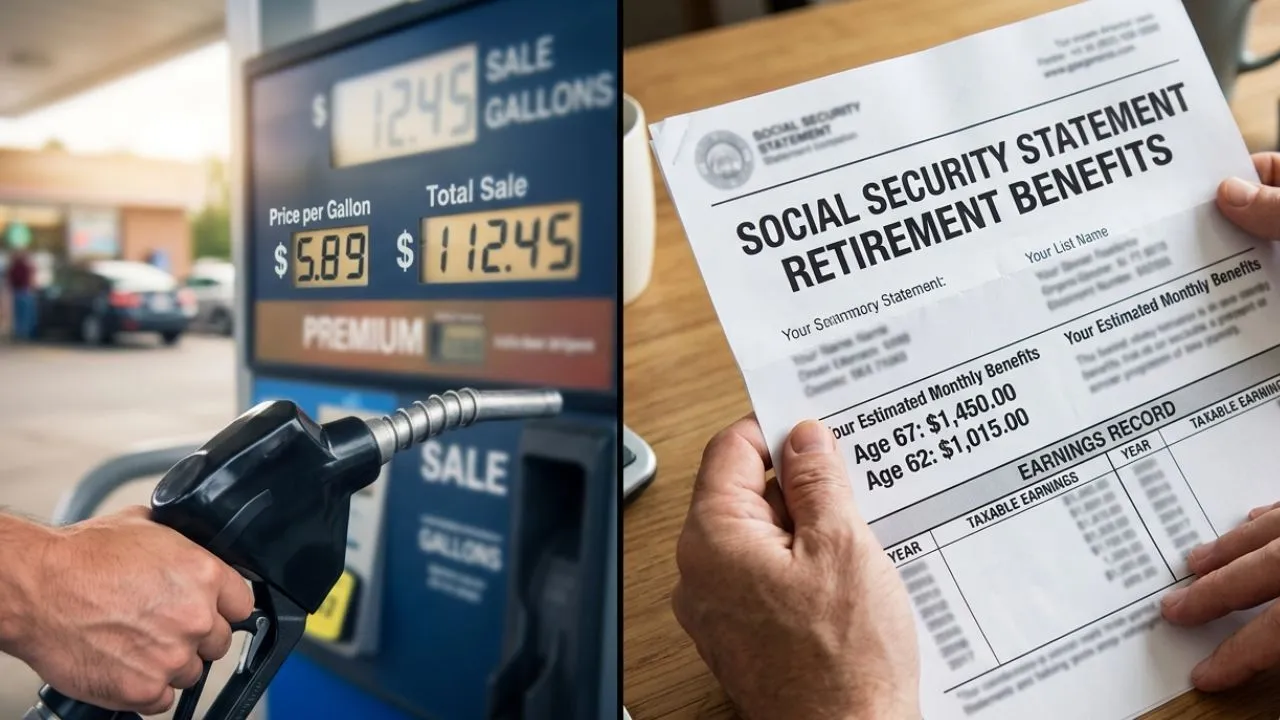
- Understand that Social Security COLA calculations for 2027 are partly tied to this inflationary environment. A higher-rate, higher-inflation backdrop can affect your COLA projection for next year.
- Monitor FOMC minutes for language around the fiscal impulse from the OBBBA, which is the clearest signal of how long the hold will last.
- Read Investozora’s full coverage of the Fed rate decision to understand how the current policy environment may affect borrowing costs, savings yields, and inflation expectations through the rest of 2026.