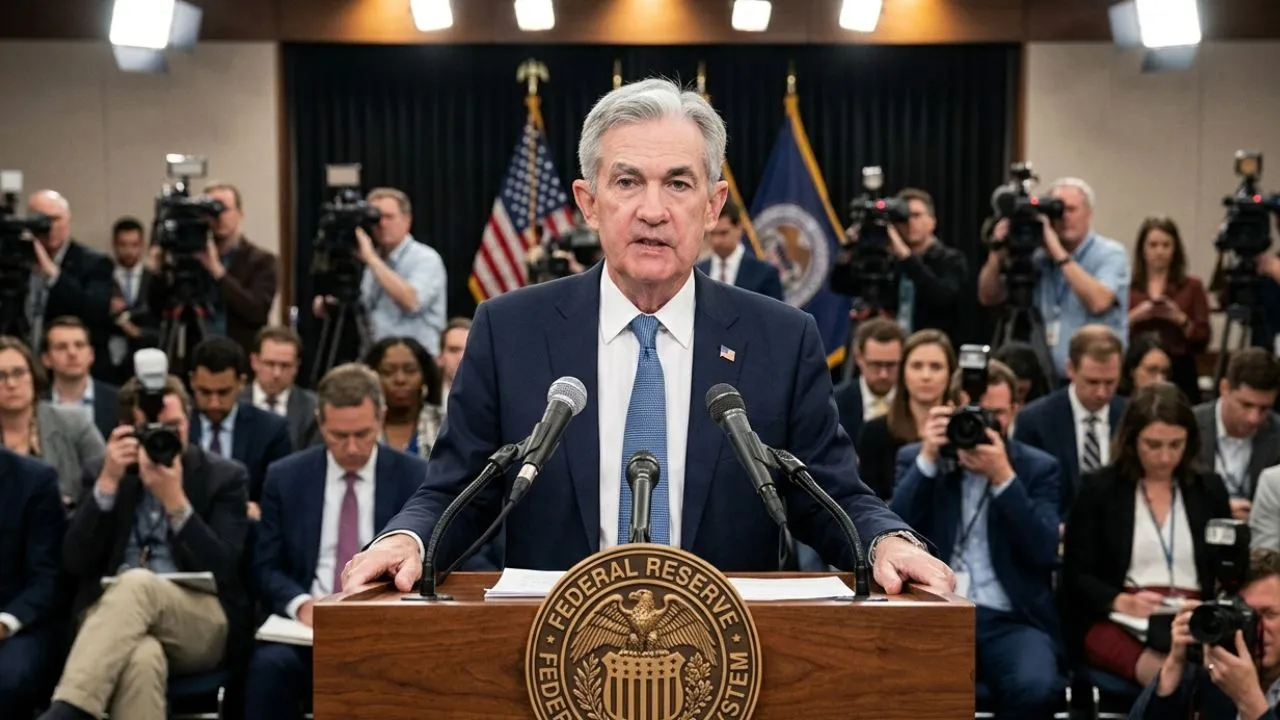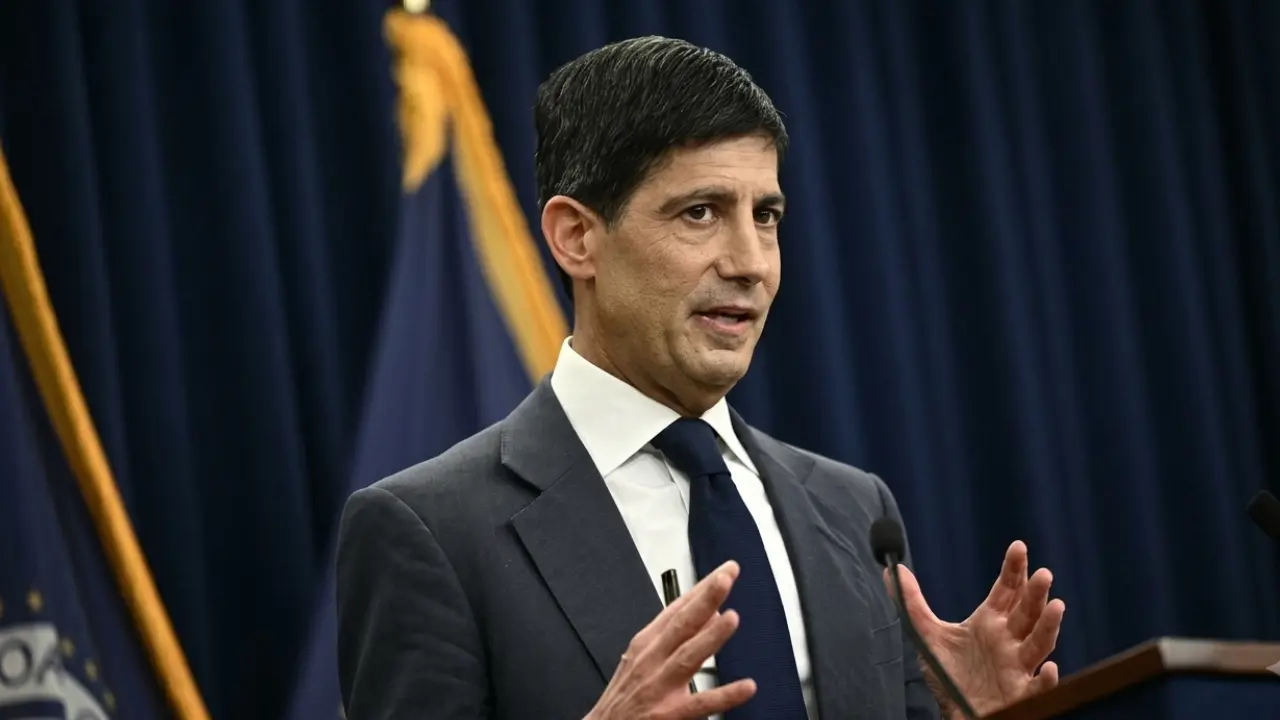

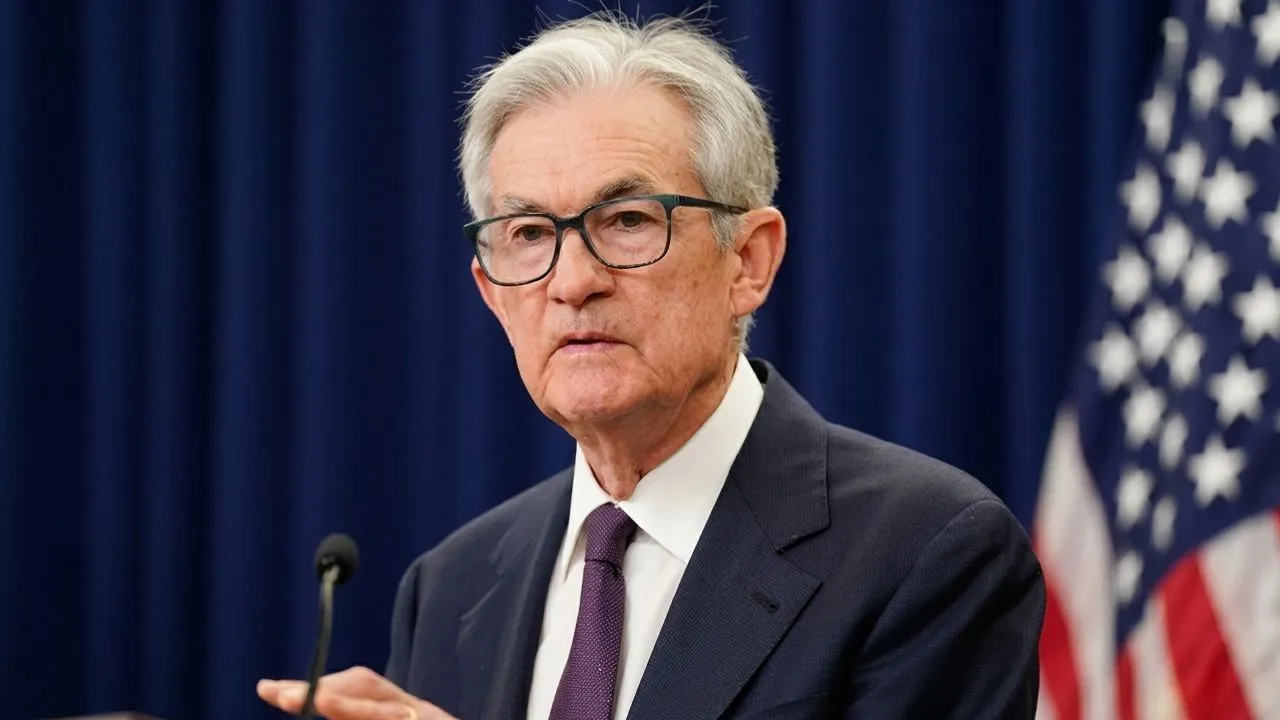
The May 7 hold set the floor Warsh walks into today. The dot plot release at 2:00 PM ET will show whether 2026 cuts remain projected. Press conference begins 2:30 PM ET.
The Fed rate decision released today at the conclusion of the May 6 to 7 Federal Open Market Committee meeting sets the direction of interest rates for every American with a savings account, a variable mortgage, or a bank deposit, and the outcome affects hundreds of billions of dollars in household finances immediately.
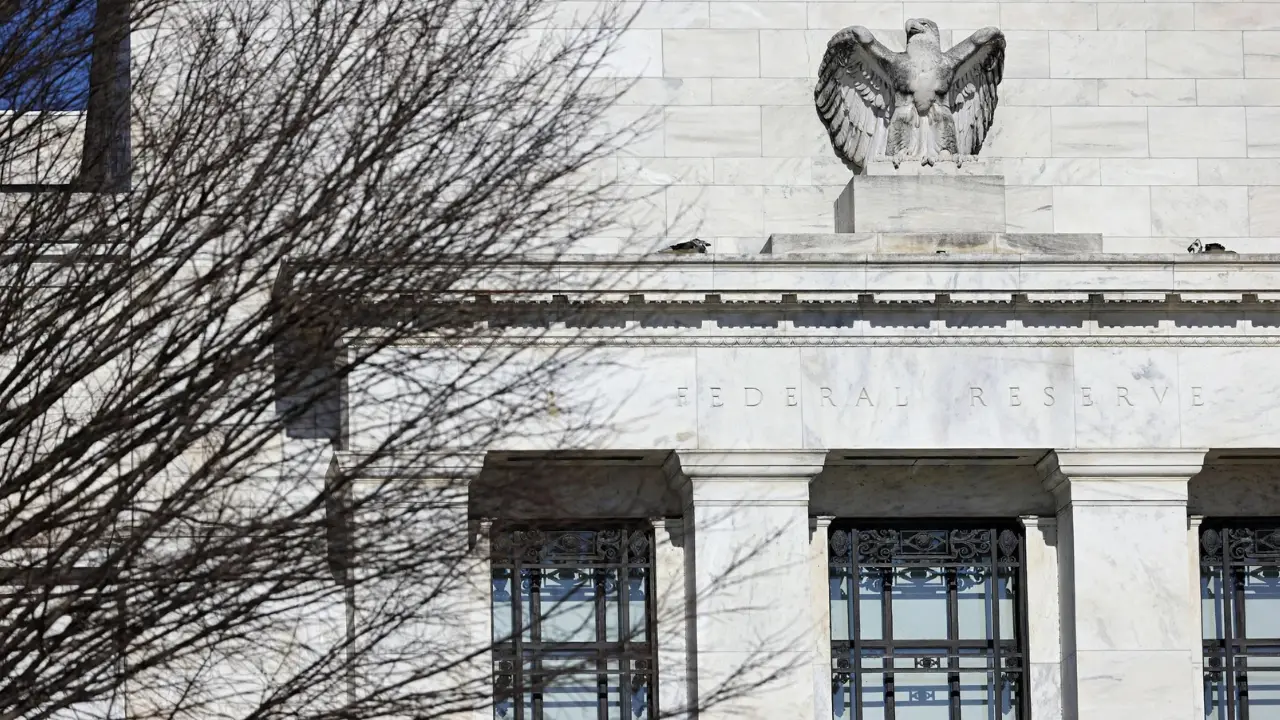
The FOMC, which is the rate-setting body of the Federal Reserve System, meets eight times per year to vote on the target range for the federal funds rate, the benchmark overnight lending rate that flows through the entire U.S. financial system within days of any change.
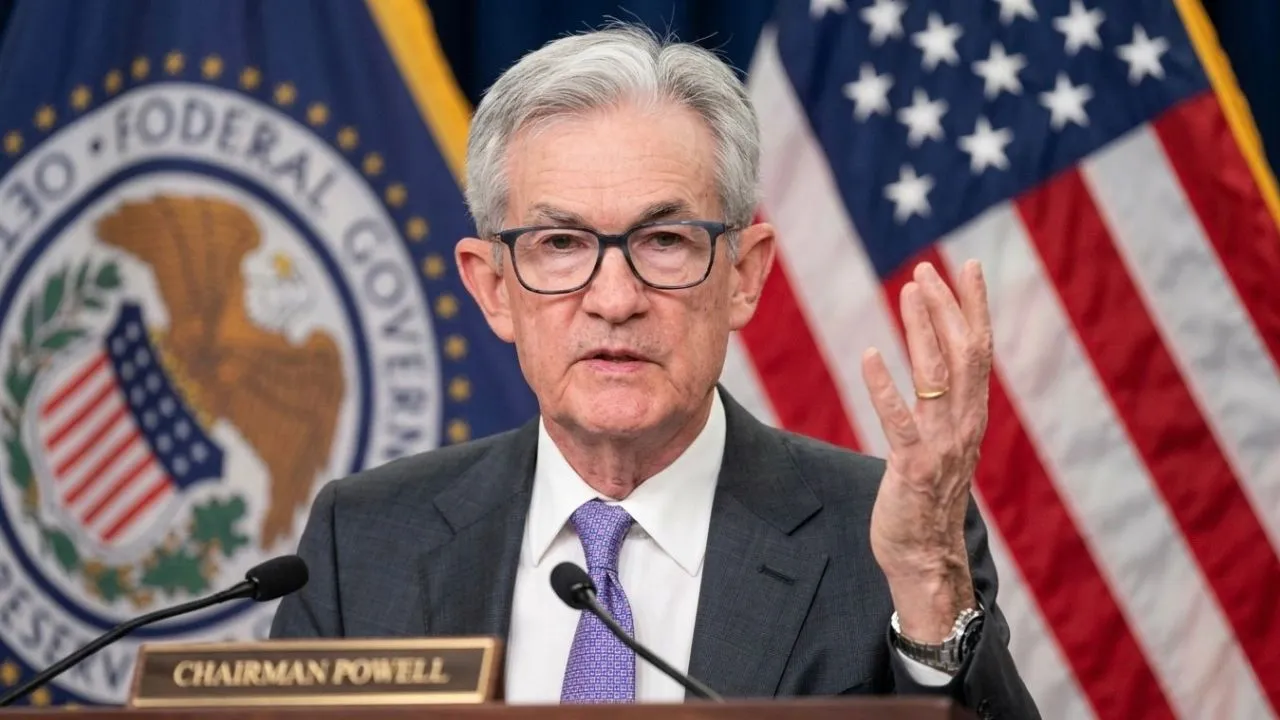
The FOMC decision is determined by a voting group consisting of the seven members of the Board of Governors and five Federal Reserve Bank presidents on a rotating basis, and the Chair’s role is to guide consensus rather than unilaterally set policy outcomes. You can read the full official schedule and today’s statement at the FOMC meeting calendar on federalreserve.gov.
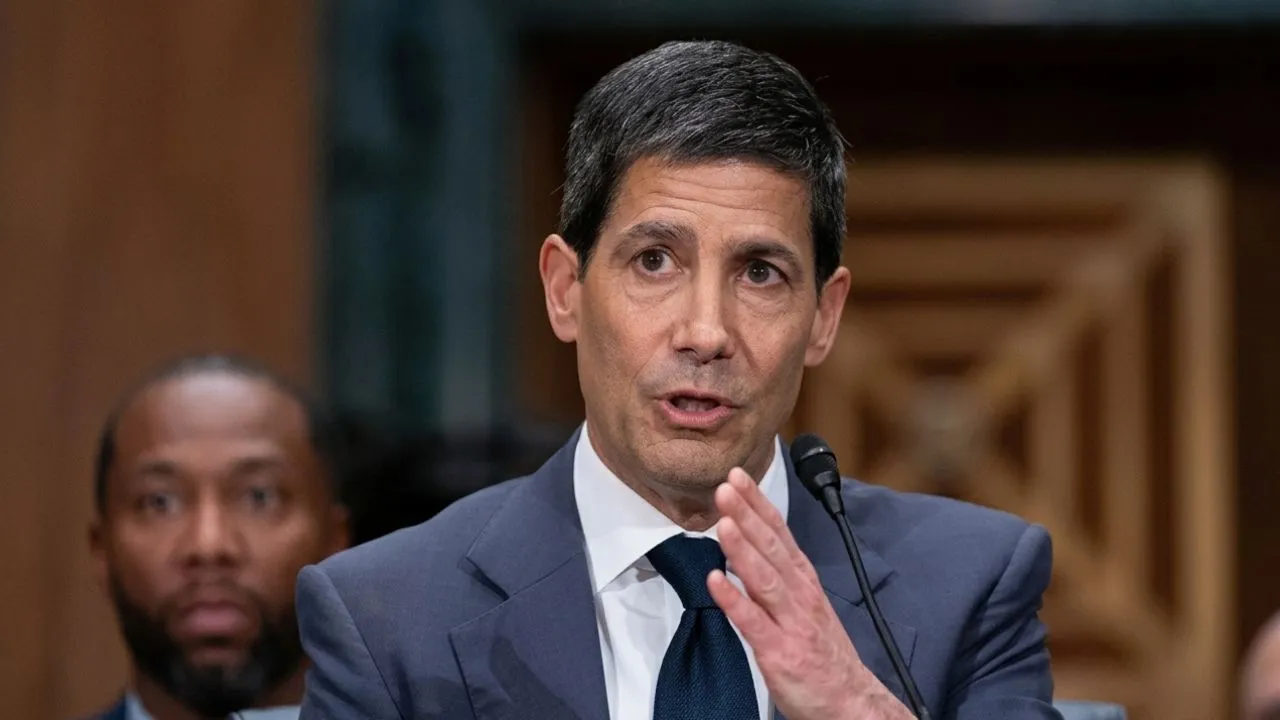
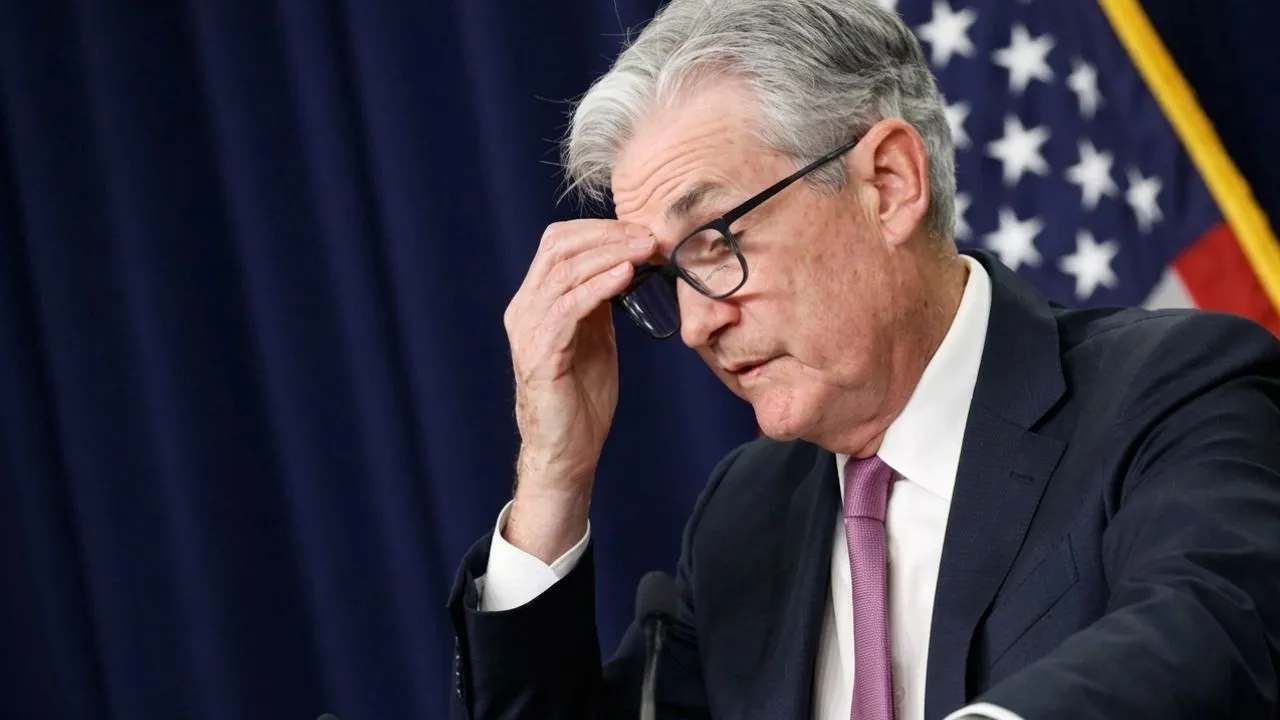
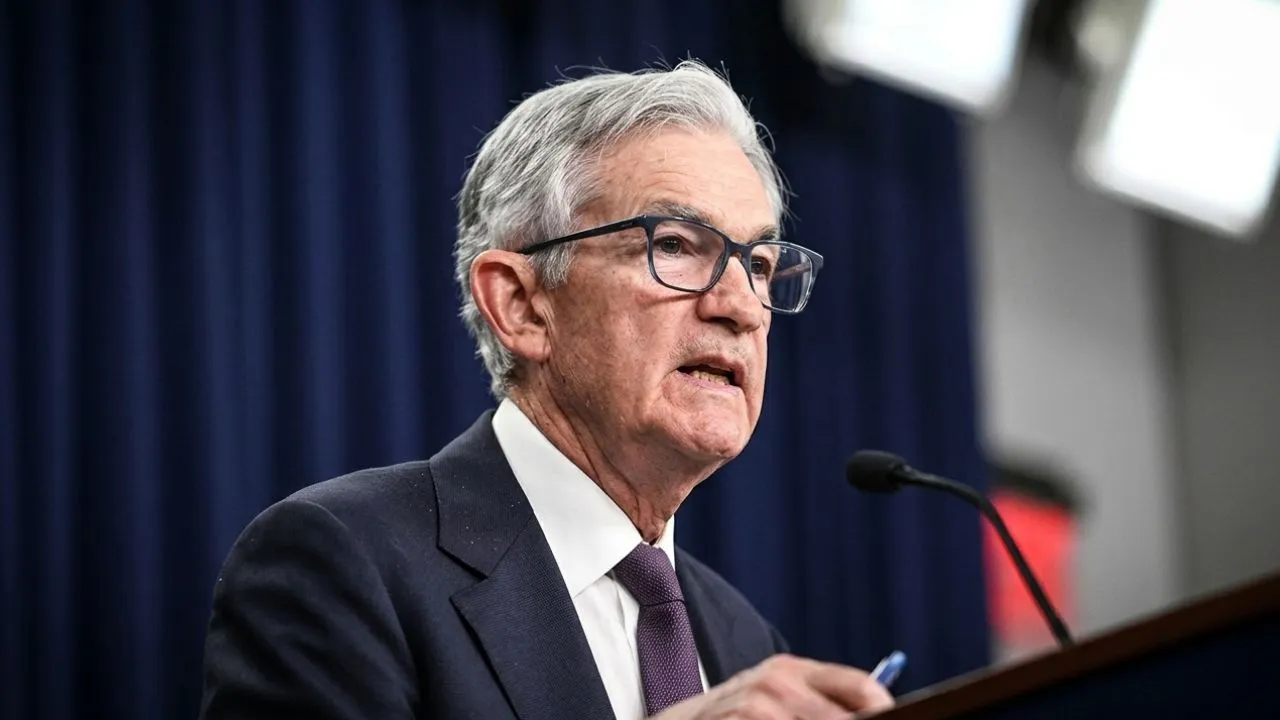
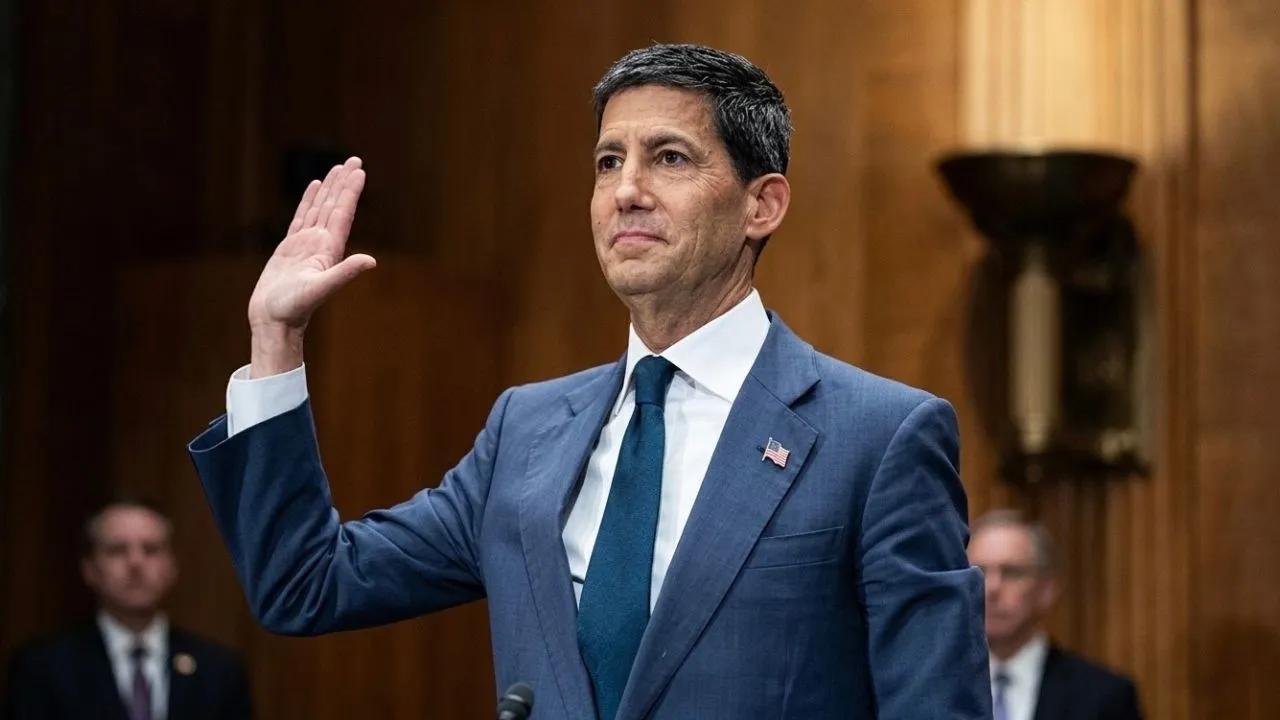
This meeting carried additional significance because it takes place during the transition period between the current Fed leadership and the anticipated arrival of Kevin Warsh as the next Federal Reserve Chair, a nomination that itself carries direct implications for the rate path ahead.
The federal funds rate does not move your bank account balance directly on the day of a decision. Banks use the rate as a pricing benchmark and typically adjust savings account rates, certificate of deposit yields, and variable loan costs within two to four weeks of any policy change.
Market expectations for future rate changes are primarily transmitted through Treasury yields, overnight index swaps, and Fed funds futures, which often adjust within minutes of an FOMC statement before banking institutions adjust consumer-facing rates.
If you want to understand exactly how a Fed decision travels from Washington to your deposit account, the full pipeline is explained in the US money movement guide, which is Investozora’s primary reference for how federal financial decisions reach individual Americans.
For context on where today’s decision fits within the trajectory of 2026 rate policy, the April 2026 FOMC meeting produced a hold decision accompanied by a notable internal dissent, which is documented in the April rate dissent analysis published here.
What the FOMC Decision Means for Savings Accounts, Mortgages, and CDs
For the roughly 130 million American households that hold savings in rate-linked deposit accounts, the immediate practical effect depends entirely on whether the FOMC changed the rate or held it steady. A rate hold preserves the current deposit rate environment, which has kept high-yield savings accounts and money market accounts at yields well above their 2021 levels for more than two years.
A rate cut reduces what banks will pay on new and renewing deposits within weeks, meaning anyone planning to open or renew a CD should act before their bank reprices. A rate increase, which markets entering this meeting viewed as unlikely, would push deposit yields higher and increase the cost of variable-rate debt including home equity lines of credit and adjustable-rate mortgages.

The Federal Reserve’s decision-making operates through a structure established by the Federal Reserve Act, under which the FOMC votes on the target range for the federal funds rate and the Federal Reserve Banks of New York implement that target through open market operations daily.
This institutional machinery is why a Fed decision announced at 2 PM ET on a Wednesday moves through overnight lending markets the same evening and reaches bank balance sheets by the following business day. The current federal funds rate target range, as confirmed by the Federal Reserve’s own published data at current Fed rate, is the baseline against which today’s announcement is measured.
Separately, anyone following the FOMC May preview article published here ahead of this meeting will find that the confirmed outcome either aligned with or diverged from the pre-meeting market consensus, which this article will update as confirmed data becomes available.
The Kevin Warsh Factor: How the Fed Transition Shapes What Comes After This Decision
Today’s Fed rate decision does not exist in isolation. The Senate confirmation process for Kevin Warsh as the next Federal Reserve Chair is active, and the outcome of that confirmation vote will determine the rate trajectory for the 12 to 18 months following the leadership transition.
Warsh, who served as a Fed Governor from 2006 to 2011 and is documented in the Federal Reserve’s own board records at Fed board nominees, has historically favored a more hawkish approach to inflation control than the committee’s recent center of gravity.
A Warsh-led Fed does not mean an automatic rate increase, but it does mean the committee’s weighting on inflation risk relative to employment risk would shift in a direction that financial markets are already pricing. The full confirmation timeline and its specific implications for deposit rates and mortgage costs are covered in the Warsh confirmation timeline analysis.
For ordinary savers, the transition period between today and Warsh’s confirmed start date is a window that carries real financial significance. Certificate of deposit rates, savings account yields, and adjustable mortgage costs are all priced off a rate path that markets expect to change under new leadership.
If you currently hold savings in a variable-rate account and the Warsh transition signals a rate increase path, locking into a fixed CD rate before the transition completes could protect your yield. If the transition signals a cut path, the opposite logic applies.
Neither outcome is certain, but both are now active possibilities that any financially aware American should track. The Fed policy outlook category page at Investozora is updated as each confirmed development emerges.
What Happens Next
The next FOMC meeting is scheduled for June 2026, and the data window between now and that meeting will determine whether today’s decision represents a pause or a pivot. The Fed’s own stated framework, as documented in its monetary policy guidance at Fed policy framework, requires the committee to evaluate incoming inflation readings, employment data, and financial conditions before each meeting.
The Bureau of Labor Statistics will release additional Consumer Price Index data before the June meeting, and that data will either validate or complicate whatever path today’s statement signaled.
For anyone whose mortgage, CD renewal, or savings strategy depends on the next rate move, the June meeting is now the next concrete date to watch. The Warsh confirmation vote in the Senate, which could resolve before the June meeting based on current committee schedules, adds a second variable that no prior FOMC meeting cycle has had to price simultaneously.
What This Means
The Fed rate decision announced today is a direct input into the cost of borrowing and the return on saving for every American household. Whether the committee held, cut, or raised rates, the institutional effect reaches bank accounts, mortgage statements, and CD renewals within weeks through a transmission mechanism that the Federal Reserve itself describes at its official monetary policy pages.
The transition to new Fed leadership adds a layer of forward uncertainty that makes the current moment one of the more consequential in recent monetary policy history.
What You Should Do Now
- Read the official FOMC meeting calendar to confirm the exact rate decision and the committee’s forward guidance language.
- Check your savings account’s current annual percentage yield against the new rate environment. If your bank has not repriced within two weeks of today, call and ask when they will.
- If you hold a CD maturing in the next 90 days, decide before renewal whether the rate trajectory from today’s Fed rate decision favors locking in a new fixed term or staying variable.
- If you carry a variable-rate home equity line of credit or adjustable-rate mortgage, calculate what a 25 basis point move in either direction would add or subtract from your monthly payment.
- Bookmark the FOMC meeting calendar and check back when the June 2026 meeting approaches for the next confirmed decision.