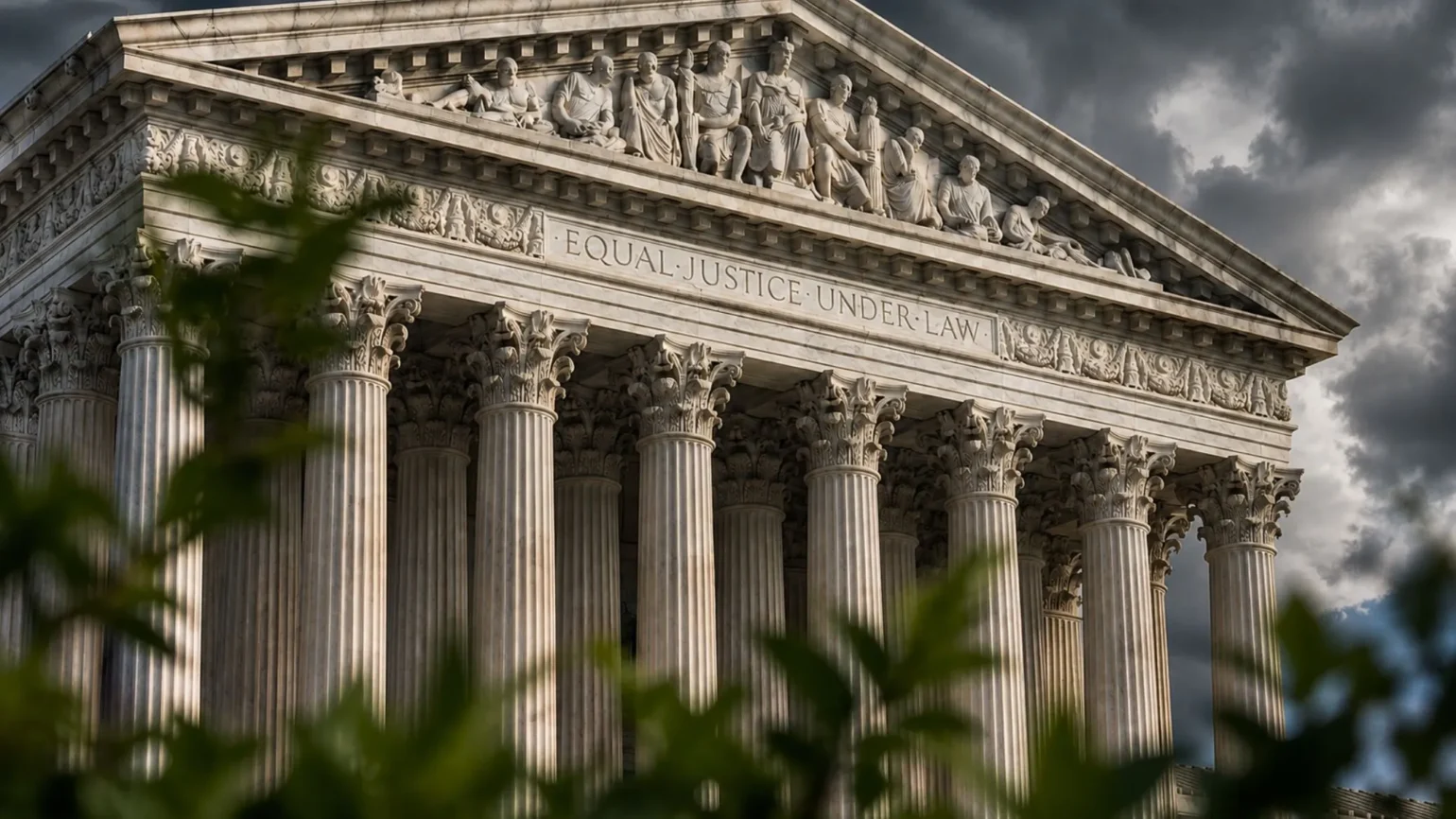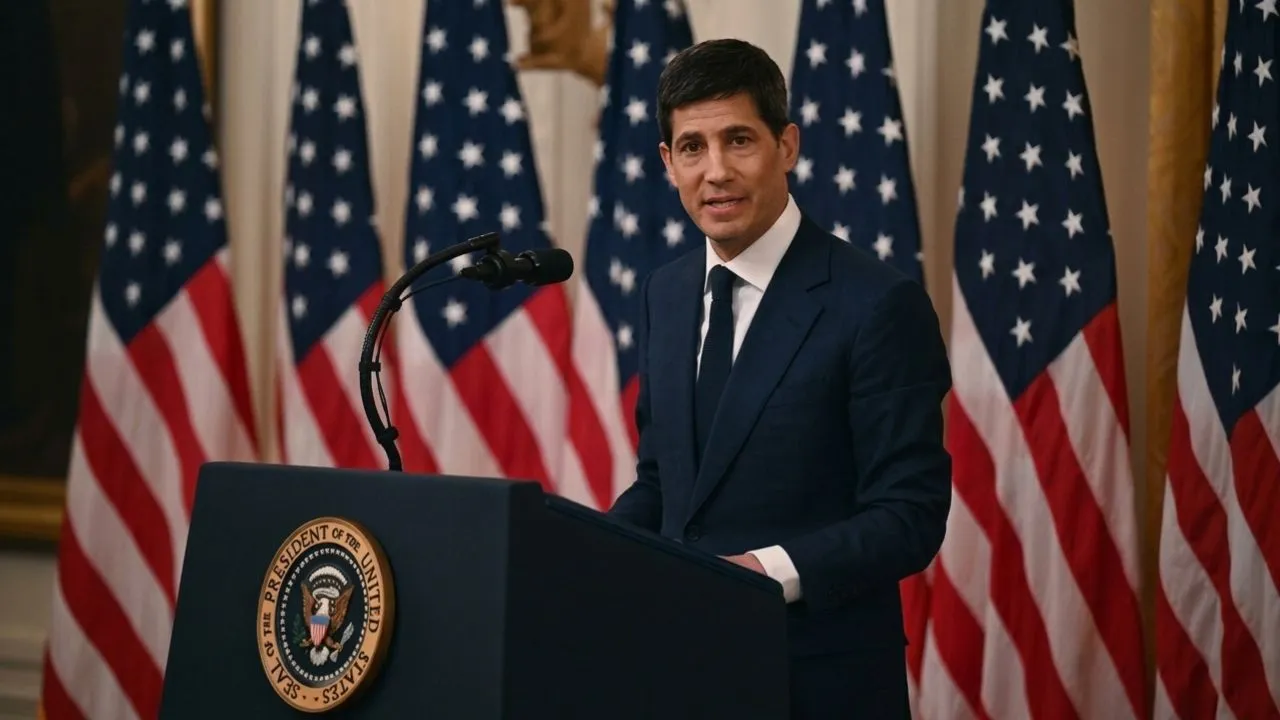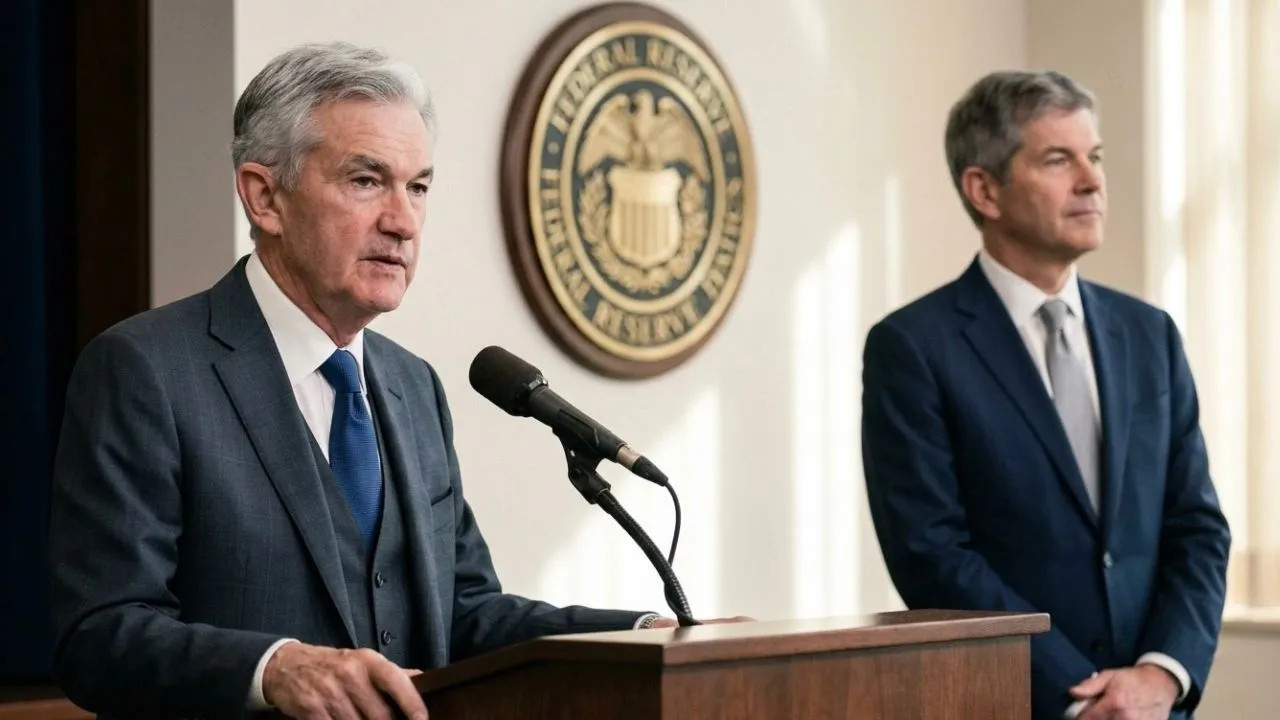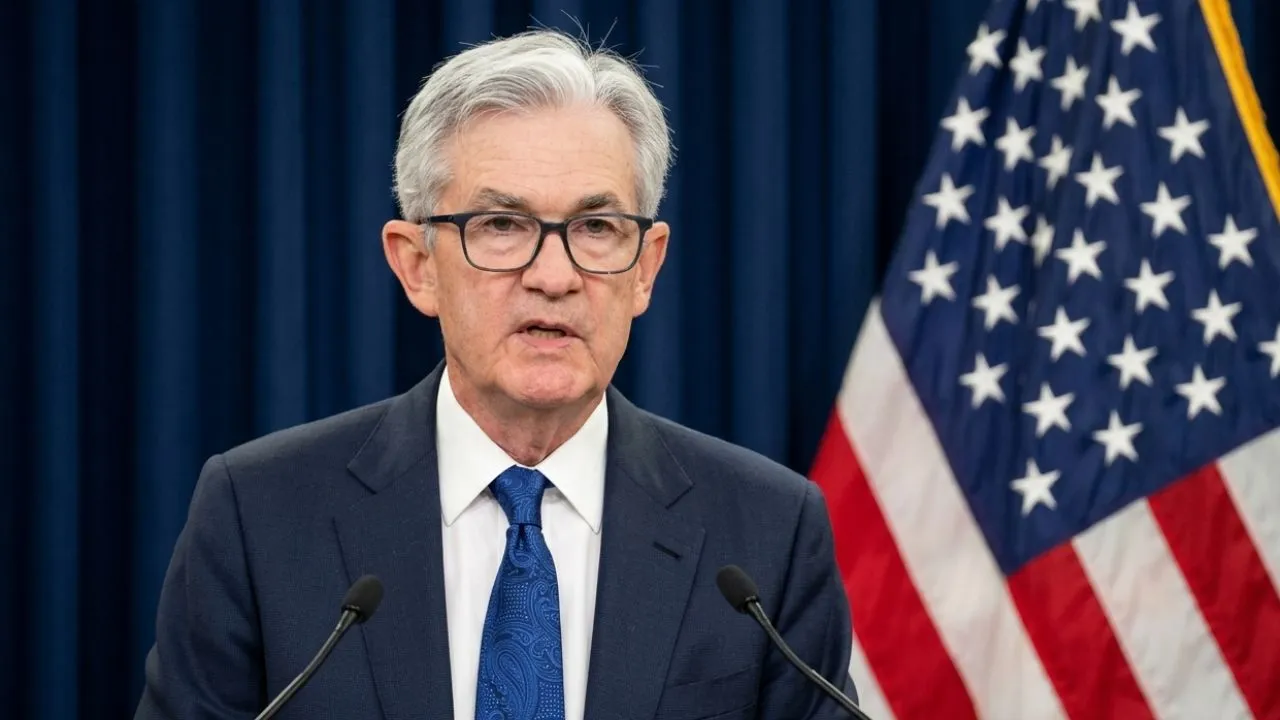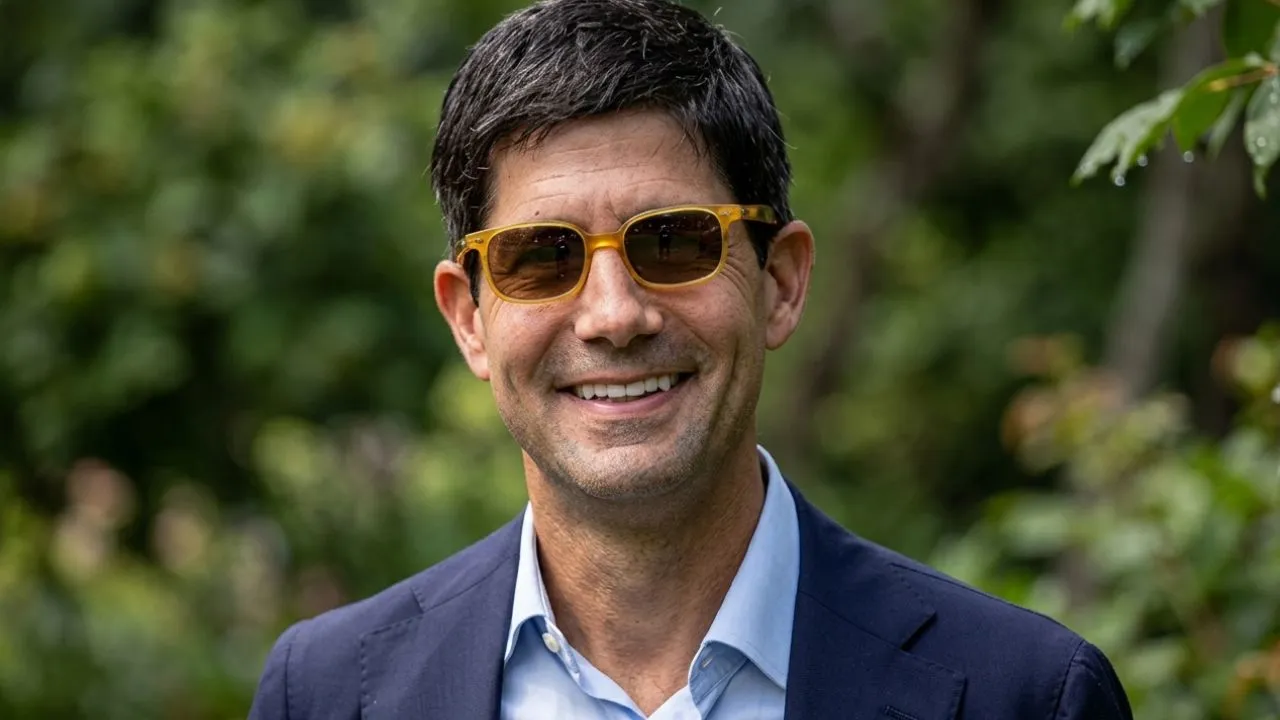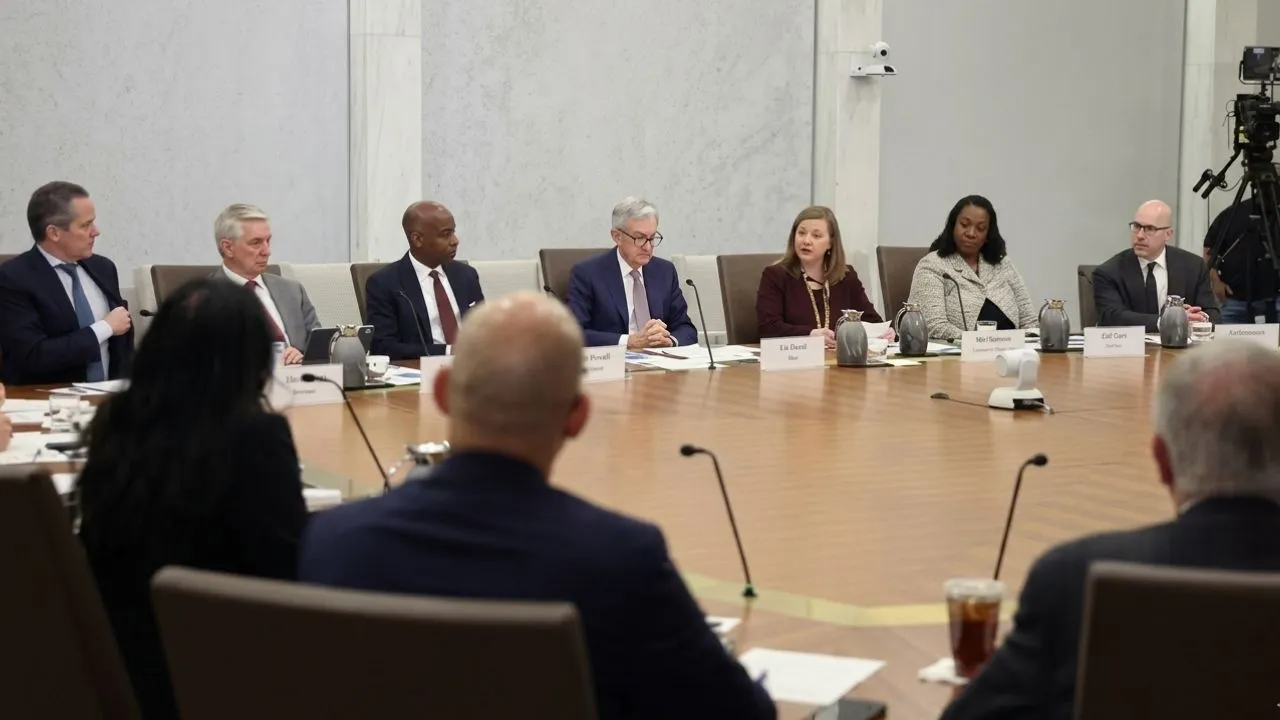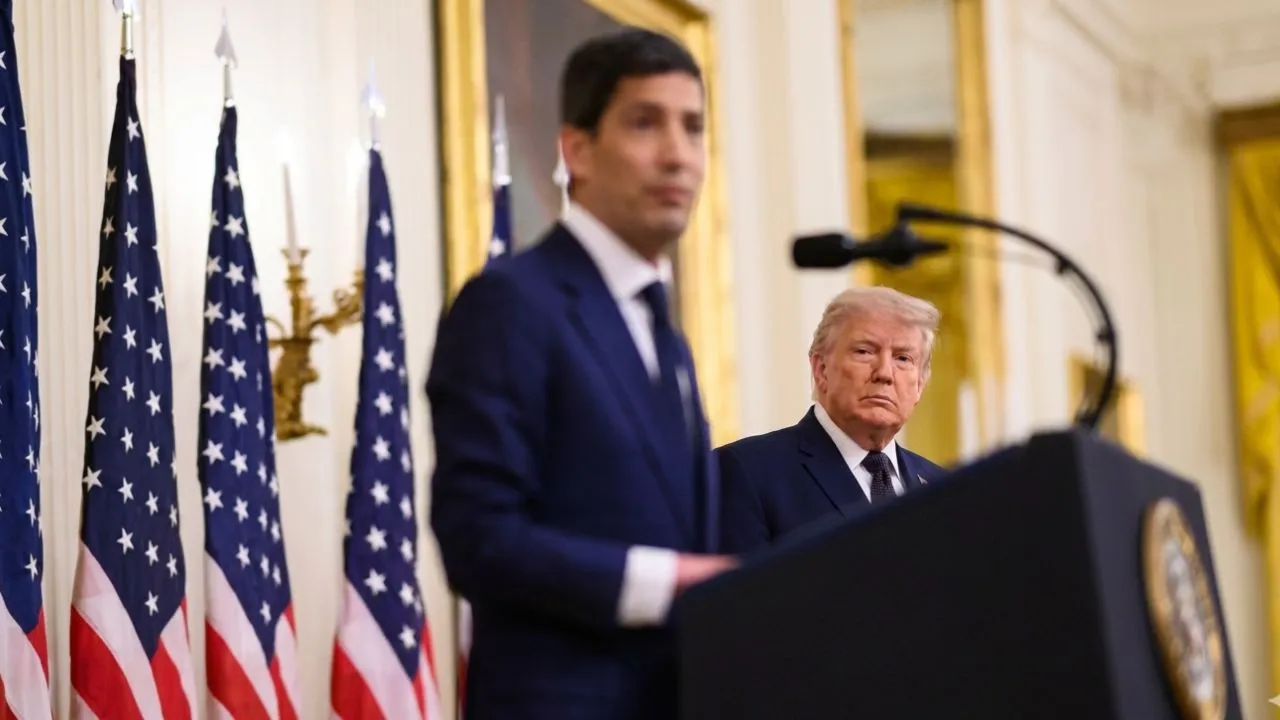

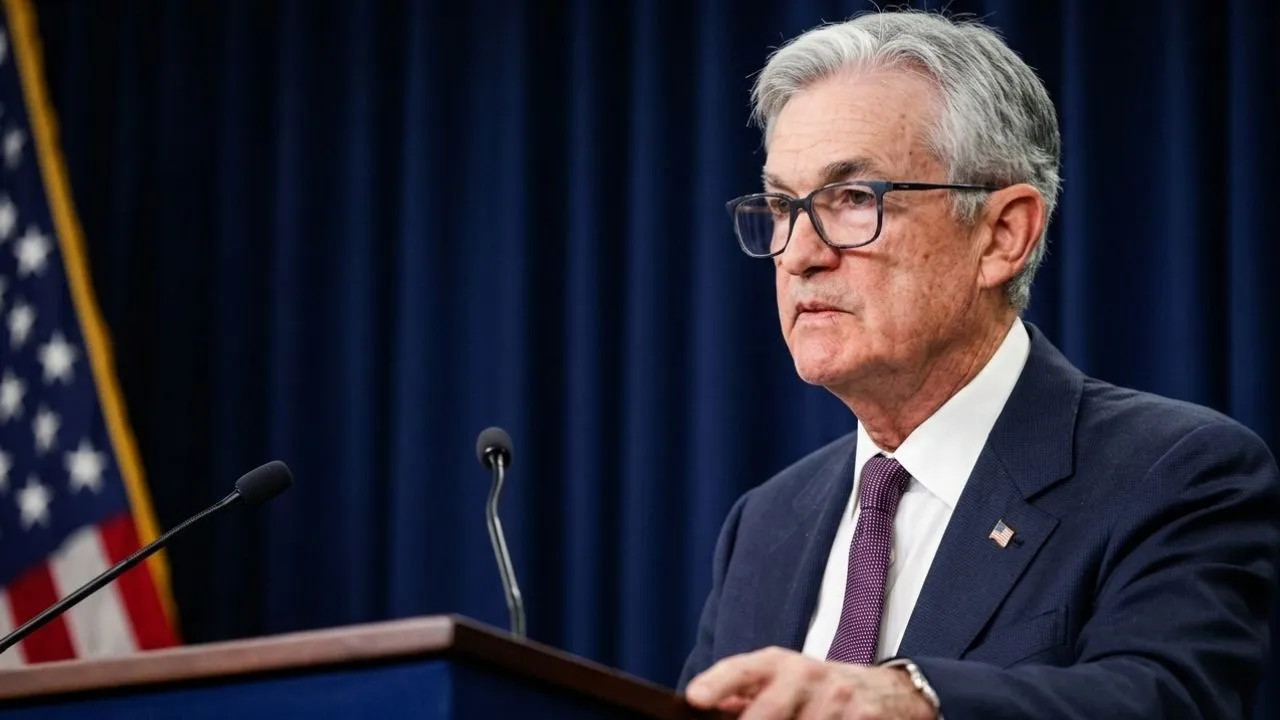
The Department of Justice has dropped its investigation into Federal Reserve Chair Jerome Powell. Powell remains on the Fed’s Board of Governors. Kevin Warsh is awaiting a full Senate confirmation vote, per the Senate Banking Committee record .
The Department of Justice has closed its investigation into Jerome Powell. For the Federal Reserve, that decision is not simply procedural. It is a defining moment for the institutional principle that has governed U.S. monetary policy for over a century: that the central bank operates independently of the executive branch.
Fed independence is now back in focus precisely when the leadership of the institution is changing hands. This matters directly to every American whose mortgage rate, credit card APR, savings yield, and retirement account return is shaped by what the Federal Reserve’s twelve-member committee decides eight times per year.
What the Probe Was and Why It Ended
The DOJ investigation into Powell centered on allegations that were reported by secondary sources but never confirmed by a .gov primary source as formally charged violations. Investozora does not publish unconfirmed allegations.
What is confirmed is that the investigation has been closed, that Powell retains his position as a member of the Federal Reserve’s Board of Governors, and that his term as a governor runs through January 31, 2028, per the Federal Reserve Board member bios.
The significance of the closure is institutional, not personal. When an external body investigates a sitting Fed chair, every rate decision that chair makes is filtered through the question of whether the decision reflects economic analysis or political accommodation. That filter distorts markets, complicates forward guidance, and weakens the credibility of the Fed’s communications. The probe’s closure removes that filter.
The DOJ Powell probe analysis published here covered the initial reopening and its implications. The Powell Fed board piece covered what his continued presence on the board means for the transition.
What Fed Independence Actually Means for Your Rates
The Federal Reserve’s independence from the executive branch is not symbolic. It is the structural foundation that allows the Fed to raise rates during politically inconvenient moments, as it did in 2022 and 2023, and to hold rates when political pressure favors cuts.
Without that independence, the federal funds rate becomes a political variable rather than an economic one. Political rate-setting historically produces higher inflation, not lower, because elected officials face incentives to cut rates before elections regardless of price stability conditions.
The Federal Reserve Act, first enacted in 1913 and subsequently amended, establishes the Fed’s mandate and its governance structure. Governors serve 14-year terms specifically to insulate their decisions from political cycles.
The FOMC’s decision-making process, documented through meeting minutes and policy statements on the Federal Reserve’s monetary policy page, is designed to be transparent and economically grounded rather than politically responsive.
For the broader context of how Fed institutional decisions move through the system to your actual deposit, the money movement system pillar explains the full pipeline.
What Happens Next Under the Warsh Transition
Jerome Powell’s term as chair technically ended in May 2026. As a governor, he retains full voting rights on the FOMC through January 2028. Kevin Warsh, if confirmed by the full Senate, will chair the FOMC and set its meeting agendas, but Powell votes. That dynamic, a former chair who now votes as a governor during his successor’s tenure, is historically unusual and markets are paying attention to it.
The practical implication is that even under Warsh’s leadership, the FOMC is not a clean slate. The governors who shaped the current hold-rate consensus remain in their seats. Warsh will need to build majority support for any significant policy shift within a committee that includes holdovers from the previous policy regime.
The Warsh rate policy piece covers what that coalition-building challenge means for rate cut timing. The FOMC May decision coverage provides the baseline from which any Warsh-era policy shift would depart.
What This Means
Fed independence is not an abstract principle. It is the mechanism that keeps the interest rate on your mortgage, your savings account, and your credit card anchored to economic reality rather than electoral calendars. The DOJ probe’s closure protects that mechanism at a moment when institutional continuity matters enormously for price stability.
What You Should Do Now
- Note that Jerome Powell remains a voting member of the FOMC through January 2028 regardless of who holds the chair title.
- Monitor the Senate floor vote schedule for Kevin Warsh’s confirmation, tracked at the Senate Banking Committee.
- Review the FOMC’s May 20 minutes release for evidence of how the committee’s internal dynamics are shifting during the transition period.
- Check the Fed policy outlook piece for the full picture of the current committee composition.