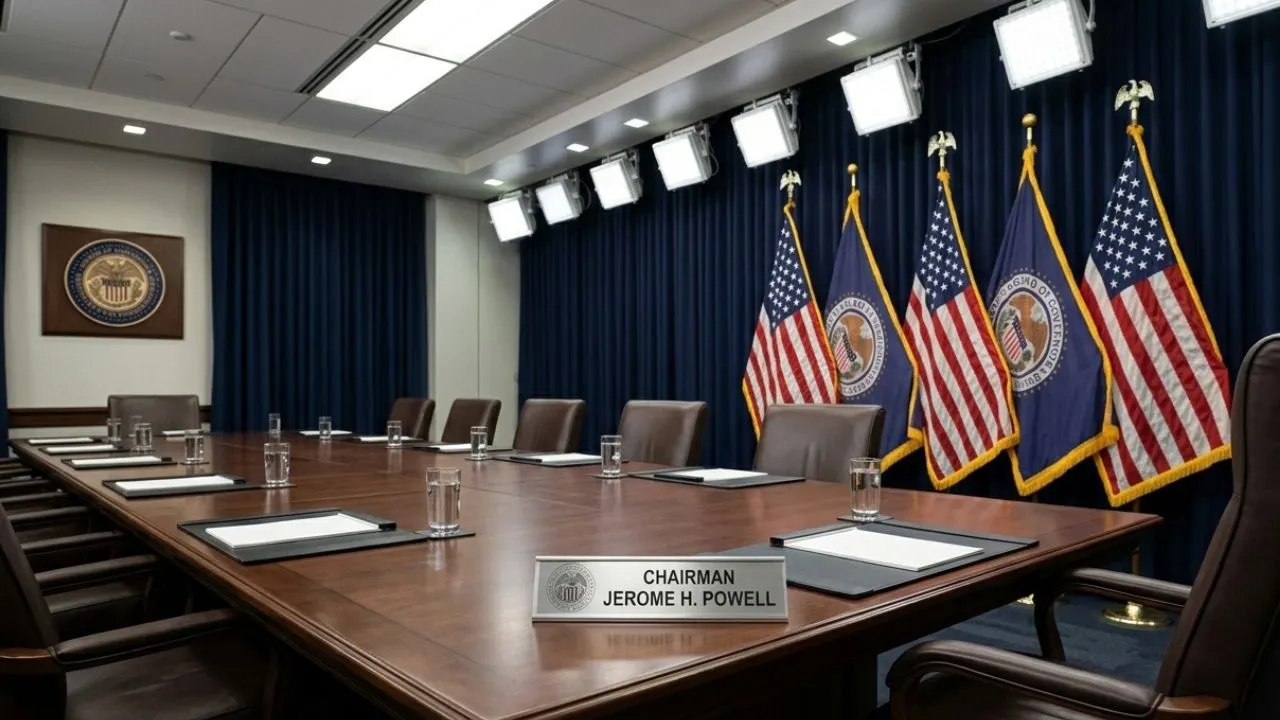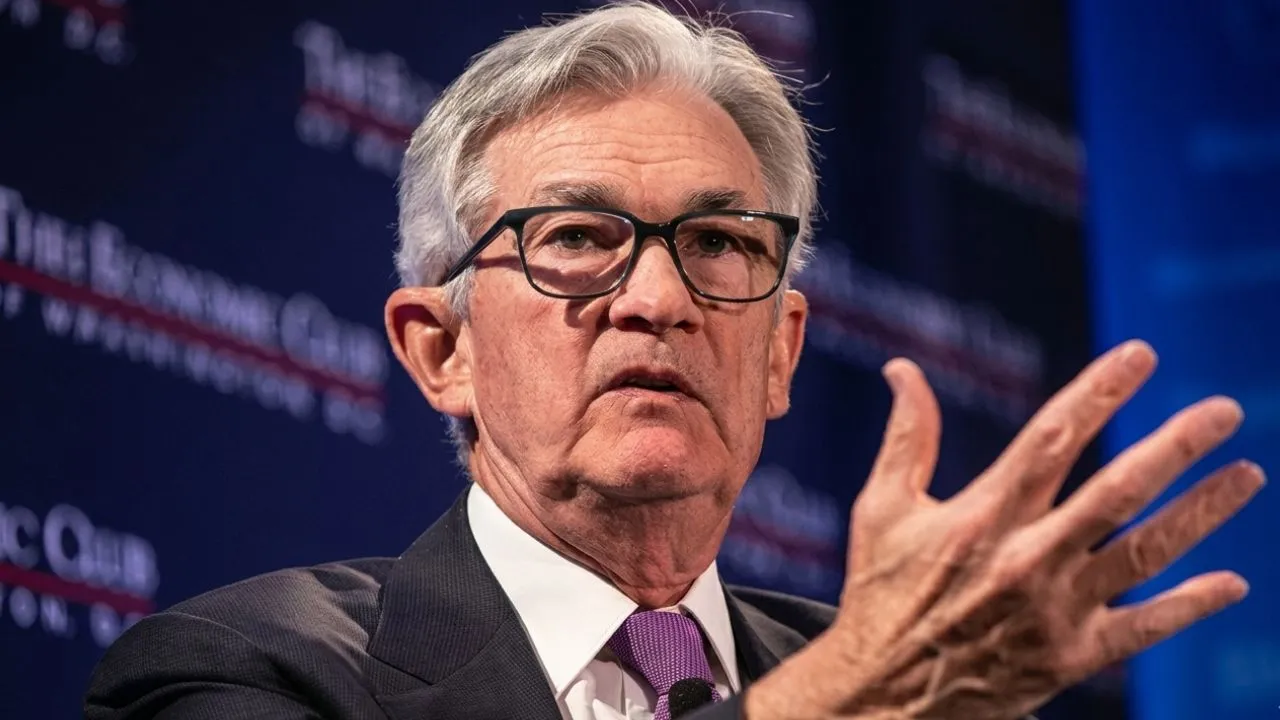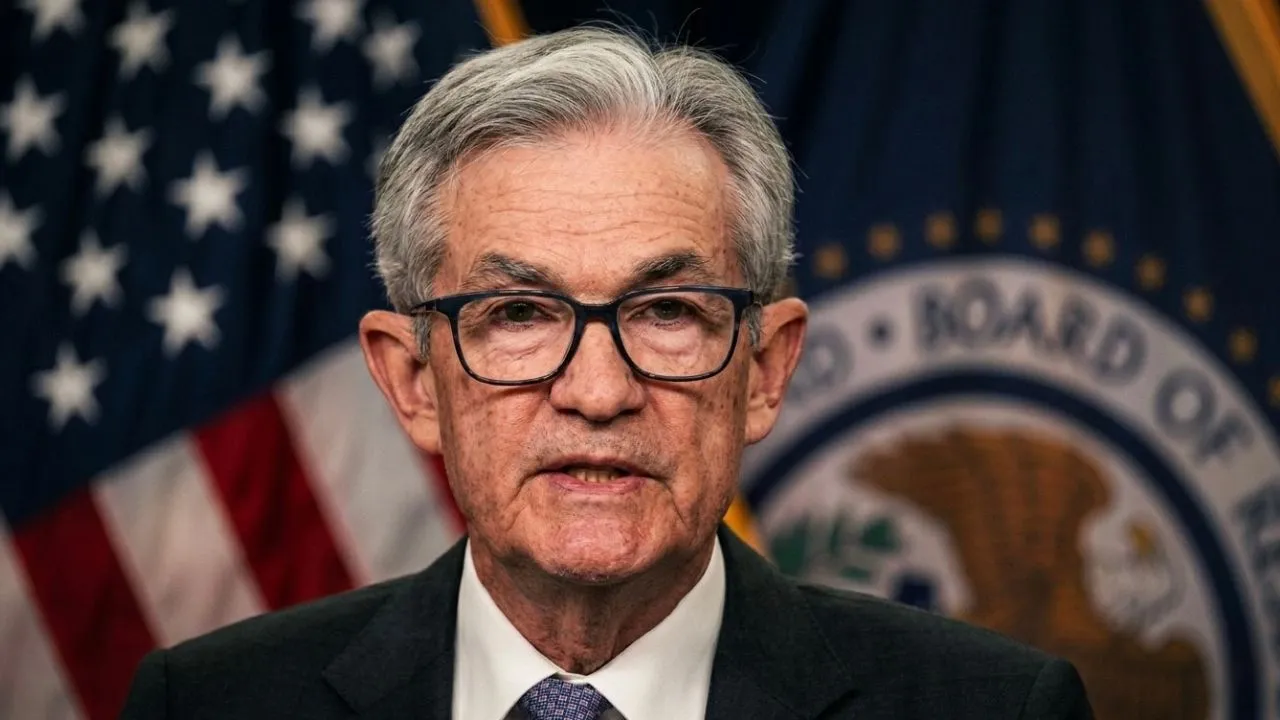

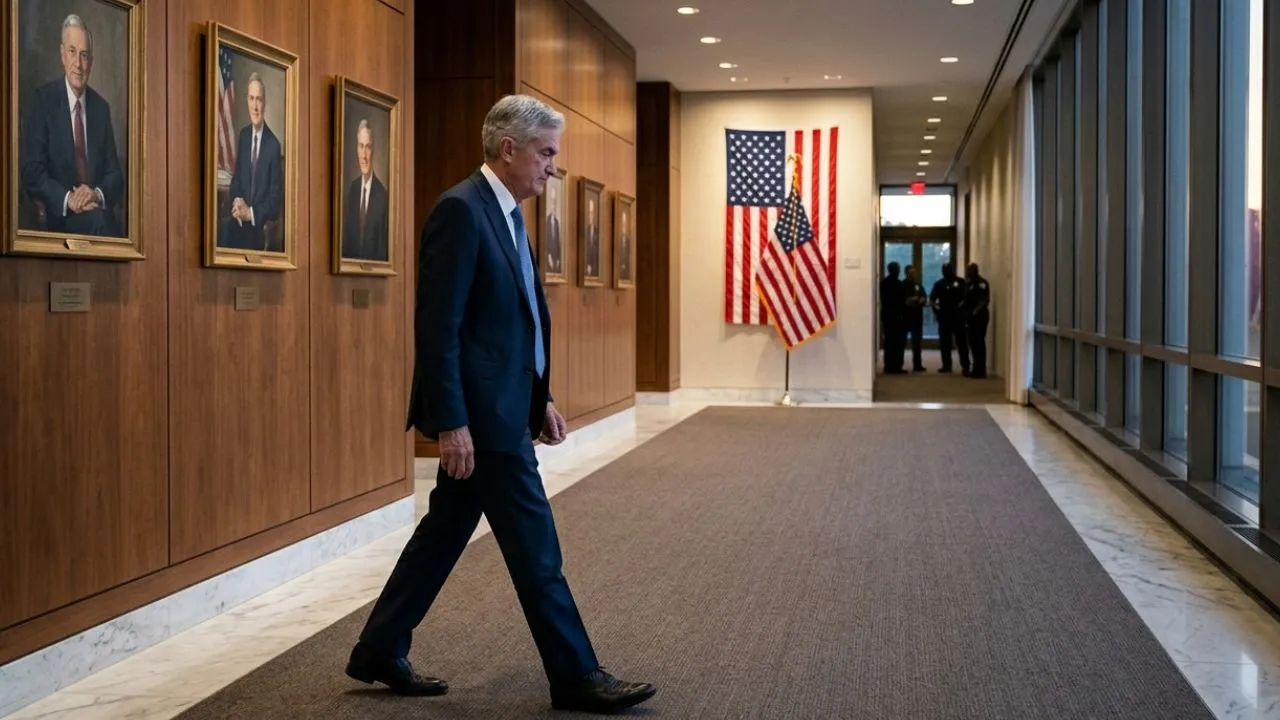
Jerome Powell chairs his final Federal Open Market Committee meeting on April 29, 2026, before his term as Federal Reserve Chair expires on May 15. The rate decision at 2:00 PM ET is expected to hold at 3.50 to 3.75 percent. But three signals from the April 29 session will matter more than the number itself.
Powell became Fed Chair on February 5, 2018. Over more than eight years, he navigated the COVID-era collapse to near-zero rates, the fastest rate hike cycle in 40 years from 2022 to 2023, a subsequent easing cycle through 2024 and 2025, and a federal criminal investigation that was dropped on April 24, 2026.
The April 29 meeting is the last time he will lead the FOMC in the chair’s seat. What he signals in the statement and at 2:30 PM ET will shape expectations for the Warsh era before Warsh chairs a single meeting.
The FOMC calendar places the next meeting at June 16 to 17, 2026, which includes the Summary of Economic Projections. That meeting’s outcome depends substantially on what the April 29 session reveals. Here are the three signals markets are watching.
Signal 1: The Dissent Count
At the January 28 meeting, Federal Reserve Governors Stephen Miran and Christopher Waller voted for a 25 basis point cut, breaking from the majority that held rates. The January FOMC statement recorded both dissents. The March 18 meeting produced the identical result: two dissents, both from Miran and Waller, both in favor of a cut.
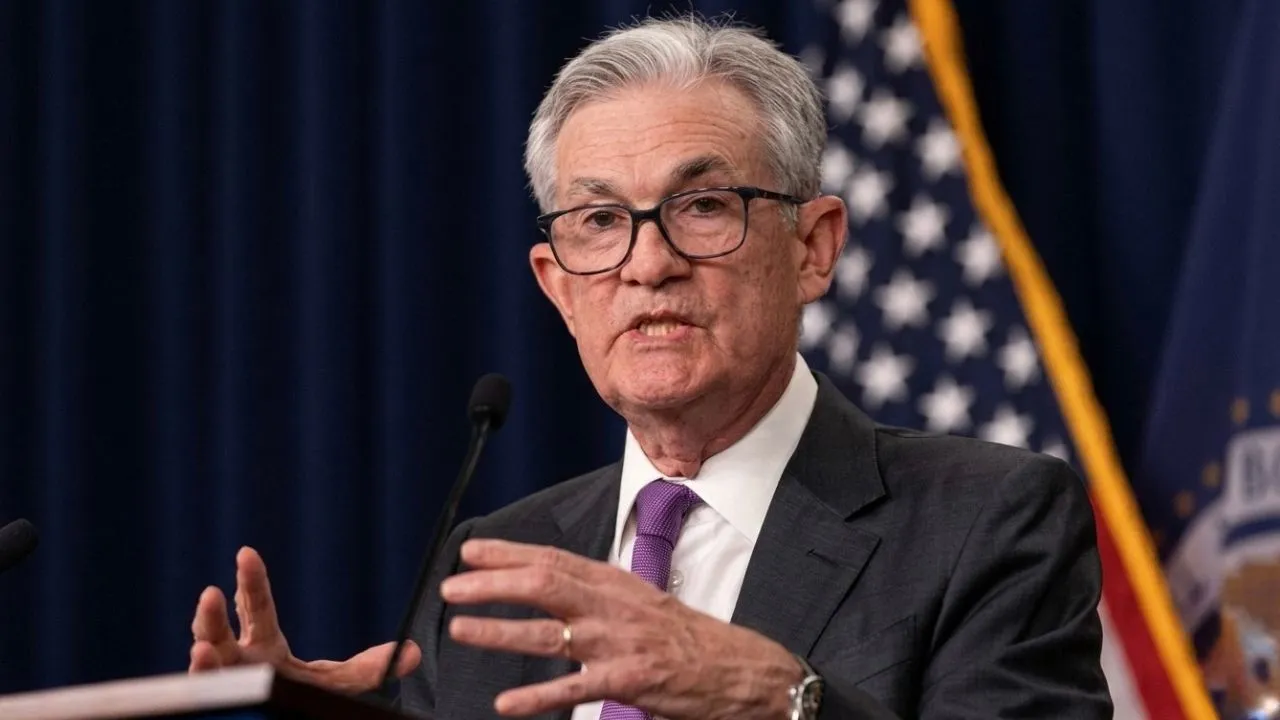
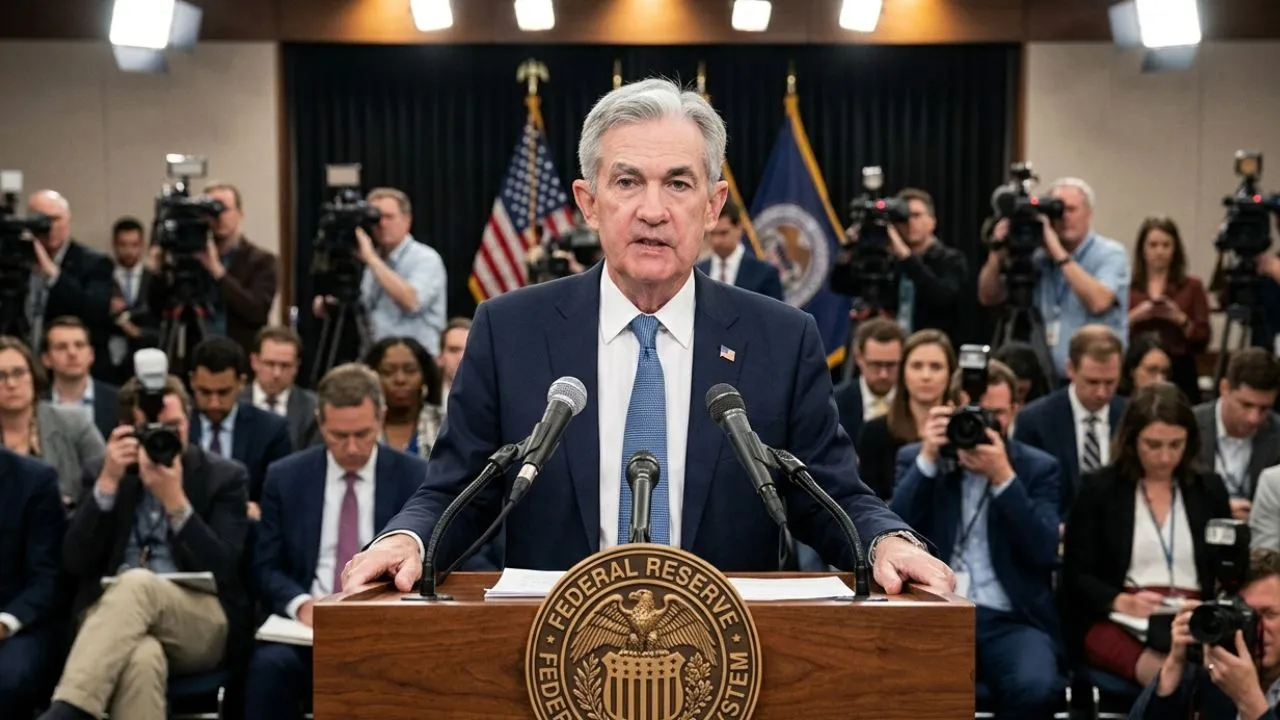
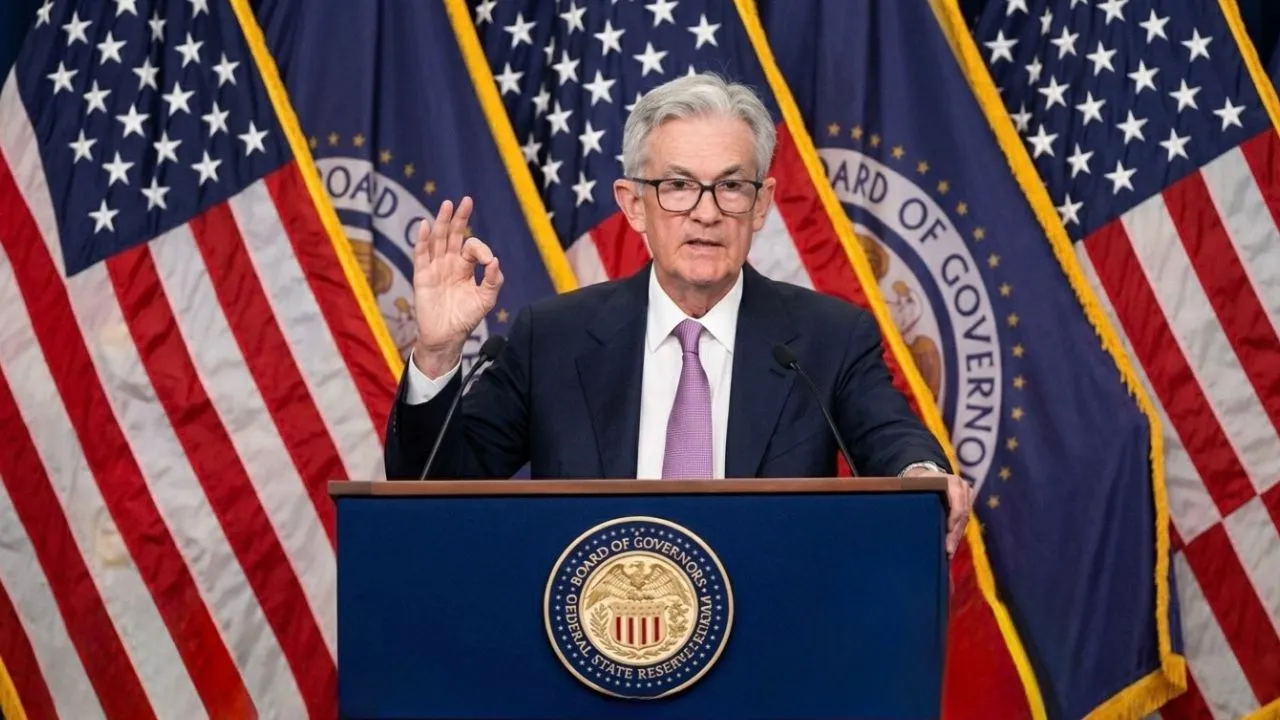
Two dissents signal a minority view. Three or more dissents signal a committee that is fracturing on the rate path. If additional members join Miran and Waller on April 29, it means the internal pressure for a June cut is building beyond two voices.
If the count holds at two, the June 16 to 17 meeting remains genuinely uncertain. The dissent count is the most concrete, unambiguous signal in the April 29 statement because it is a number, not language that requires interpretation.
For context on how rate decisions affect deposit timing and consumer bank account balances, our piece on rate decision and deposit timing explains the lag between FOMC decisions and changes at the account level.
Signal 2: The Statement Language
The Federal Open Market Committee changes two to five words per statement, on average. Those changes move money. The March 18 statement used the phrase “elevated uncertainty” to describe the committee’s view of the economic outlook.
That phrase is now the baseline. Any modification to it on April 29, whether a sharpening, a softening, or an addition of language about energy prices or the Middle East oil disruption, signals how the committee is reading the inflation picture.
March CPI came in at 3.3 percent year over year, up from 2.4 percent in February, driven by oil supply constraints linked to the Strait of Hormuz. Core CPI was 2.6 percent. If the April 29 statement adds explicit language about the energy-driven nature of the inflation spike, it signals the committee views it as transitory and would be willing to cut once the shock passes.
If the statement adds no such language, or if the phrase “elevated uncertainty” intensifies, it signals the committee is not yet prepared to treat the oil shock as a temporary factor.
Every trader, economist, and bank rate desk will run a word-by-word comparison of the April 29 statement against the March 18 statement within seconds of publication. The FOMC one-week preview mapped the specific language shifts to watch.
Statement language affects bank rate-setting within 30 to 60 days of a meeting. A change in tone on April 29 reaches savings and CD rates at consumer banks before the June meeting occurs.
Signal 3: Powell’s Press Conference
The 2:30 PM ET press conference on April 29 is Powell’s last as Fed Chair. It is not a ceremonial occasion. It is a live, unscripted policy communication that markets will trade on in real time. Three questions carry the most weight.
Will Powell confirm whether he is staying on the Federal Reserve Board of Governors after May 15? His Governor term runs through January 31, 2028. He has given no public answer. If he confirms he is staying, it provides a measure of institutional continuity and signals that the Warsh-era Fed retains a credible institutional voice from the prior regime. If he declines to answer, the ambiguity itself becomes a signal.
What tone does he set for the Kevin Warsh transition? Warsh’s Senate confirmation path cleared after Senator Tillis removed his hold. Warsh has signaled views on inflation tolerance and institutional independence that differ from Powell’s approach.
Our Warsh hearing coverage details those differences. If Powell’s press conference language on April 29 sets up a clear policy baseline for Warsh to depart from, it creates a public record against which Warsh’s first decisions will be measured.
Does Powell offer any timeline language for cuts? Any phrasing that implies the committee is closer to, or further from, a June cut would be the most market-moving statement of the press conference. Powell has consistently avoided specific timeline commitments. Any deviation from that pattern on April 29 carries outsized significance precisely because it would be out of character.
The Federal Reserve’s role in this context is not just a rate-setting body but the anchor institution for the entire U.S. money movement system, connecting the federal funds rate to interbank lending, consumer deposit yields, and borrowing costs across every segment of the economy.
What Each Signal Means for Your Finances
The dissent count on April 29 determines how likely a June cut has become. Two dissents means June is a genuine question. Three or more dissents means June is probable, and savings rates at online banks would begin declining within 60 days of a cut. High-yield savings accounts currently sit at 4.0 to 4.5 percent APY. That window narrows with each additional dissent vote.
Statement language affects bank expectations before any cut occurs. Banks with rate desks model FOMC language changes directly into their deposit rate projections. A softening in “elevated uncertainty” language on April 29 could begin pulling CD rates lower before June 16. A hardening could keep rates elevated through year end, consistent with Deutsche Bank’s projection of no changes through 2026.
Powell’s press conference on April 29 defines the interpretive frame for the Warsh transition. If Powell departs with clear, confidence-signaling language, Warsh inherits a stable baseline. If the April 29 press conference reveals conflict, ambiguity, or a split committee, the Warsh era begins with more uncertainty baked into every rate that touches your savings, mortgage, and loan.
Our Federal Reserve policy explainer covers how each of these mechanisms connects to consumer financial products for readers who want the full institutional picture.
What You Should Do Now
- At 2:00 PM ET on April 29, count the dissents in the published statement. Two dissents means June is uncertain. Three or more means a June cut is increasingly likely.
- Compare the April 29 statement language word for word against the March 18 statement at federalreserve.gov . Note any changes to “elevated uncertainty” or new language about energy.
- Watch Powell’s 2:30 PM ET press conference at federalreserve.gov/live-broadcast.htm for his Governor status answer and any timeline language on cuts.
- If you hold CDs or high-yield savings, review your rate lock period. A June cut could begin reducing rates at online banks within 30 to 60 days of the decision.
- Mark June 16 to 17 on your calendar. That meeting’s dot plot will be the first concrete public rate forecast of the Warsh era.
Editorial Note: Investozora is an independent news publication. This content is for informational purposes only. For official guidance, visit federalreserve.gov.