
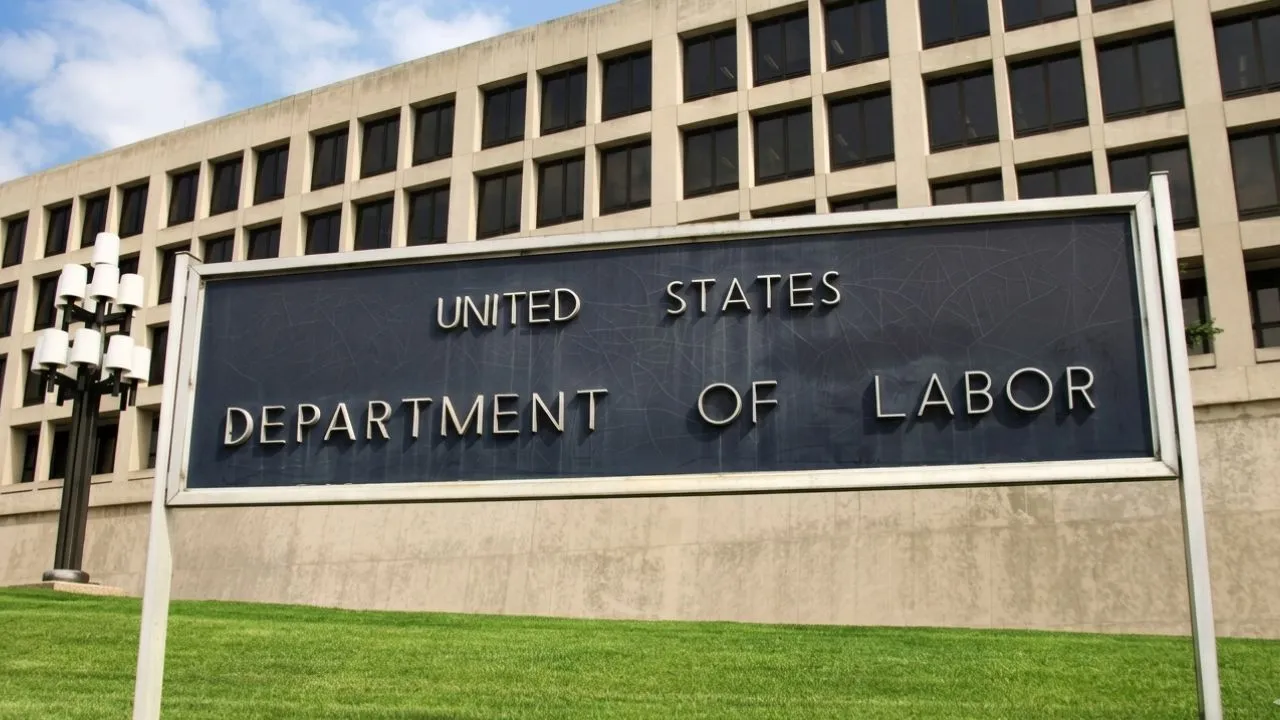
On March 30, 2026, the U.S. Department of Labor issued a proposed rule establishing a presumption of prudence for 401(k) plan fiduciaries who include alternative assets including cryptocurrencies and private equity through a documented objective review process under ERISA. The 60-day public comment window is now closing. Source: Federal Register via DOL rulemaking docket.
Your 401(k) plan administrator may soon be legally protected when they add Bitcoin and private equity funds to your retirement menu. On March 30, 2026, the Department of Labor released a sweeping proposed rule that would grant a legal safe harbor under the Employee Retirement Income Security Act to any 401(k) plan fiduciary who follows a documented, objective review process before including alternative assets in worker retirement options. The rule covers cryptocurrency, private equity, and private credit as the three primary asset categories explicitly named in the regulatory text.
This follows an executive order issued in August 2025 directing the Labor Department to find mechanisms for expanding ordinary workers’ access to private market investment categories that were previously available only to institutional investors and high-net-worth individuals.
The March 30 proposed rule is the formal regulatory output of that directive, and it is designed to remove the litigation risk that has historically deterred plan managers from offering anything outside the conventional equity and bond fund menu.
The federal payment and investment infrastructure that underpins both retirement distributions and active contribution flows operates within the same regulatory framework this rule is now restructuring.
The Kirkland and Ellis fiduciary rule analysis walks through the precise legal mechanics of how the presumption of prudence standard operates under ERISA and what it specifically requires of plan administrators to qualify for safe harbor protection.
The opposition is organized and substantive. High-profile congressional Democrats submitted formal comments during the 60-day period arguing that the safe harbor design inverts the foundational logic of ERISA, which places the burden of prudence on the fiduciary at all times, not on the plaintiff in subsequent litigation.
The Economic Policy Institute’s regulatory analysis argues that wrapping cryptocurrency and private equity in a legal shield transfers the systemic downside risk from institutional managers directly onto ordinary workers who have no capacity to evaluate the fee structures and liquidity constraints of these instruments.
The practical question for a 40-year-old worker contributing to a 401(k) today is not whether they want access to Bitcoin. The question is whether the fund manager’s liability shield changes the incentive structure in ways that affect which assets get promoted on the plan menu.
When fiduciary risk is reduced through a safe harbor, the commercial pressure from asset managers to include fee-generating alternative products inside retirement plans increases. That dynamic is not hypothetical. It is the central mechanism that produced the 1990s mutual fund expense scandal and the subsequent fee disclosure rules that followed.
The Fairview Investment Services compliance tracking analysis provides the operational detail on how plan administrators are currently preparing for the rule’s possible finalization, including the documentation requirements that must be met to claim the safe harbor in practice.
The 401k cryptocurrency rule will also interact with the existing budget standoff in Congress. The anti-weaponization fund crisis consuming Senate bandwidth right now is delaying the broader reconciliation package that contains other retirement and tax provisions.
The Social Security solvency timeline and the DOL’s retirement rulemaking are competing for the same legislative and regulatory attention in a session already stretched across multiple simultaneous institutional crises.
The civil service reclassification of the senior DOL workforce itself into Schedule Policy/Career raises the additional question of whether the career staff driving this rulemaking process will remain in place through finalization.
The comment period is closing. The final rule, if adopted, reshapes the retirement saving landscape for approximately 70 million active 401(k) participants in the United States.