



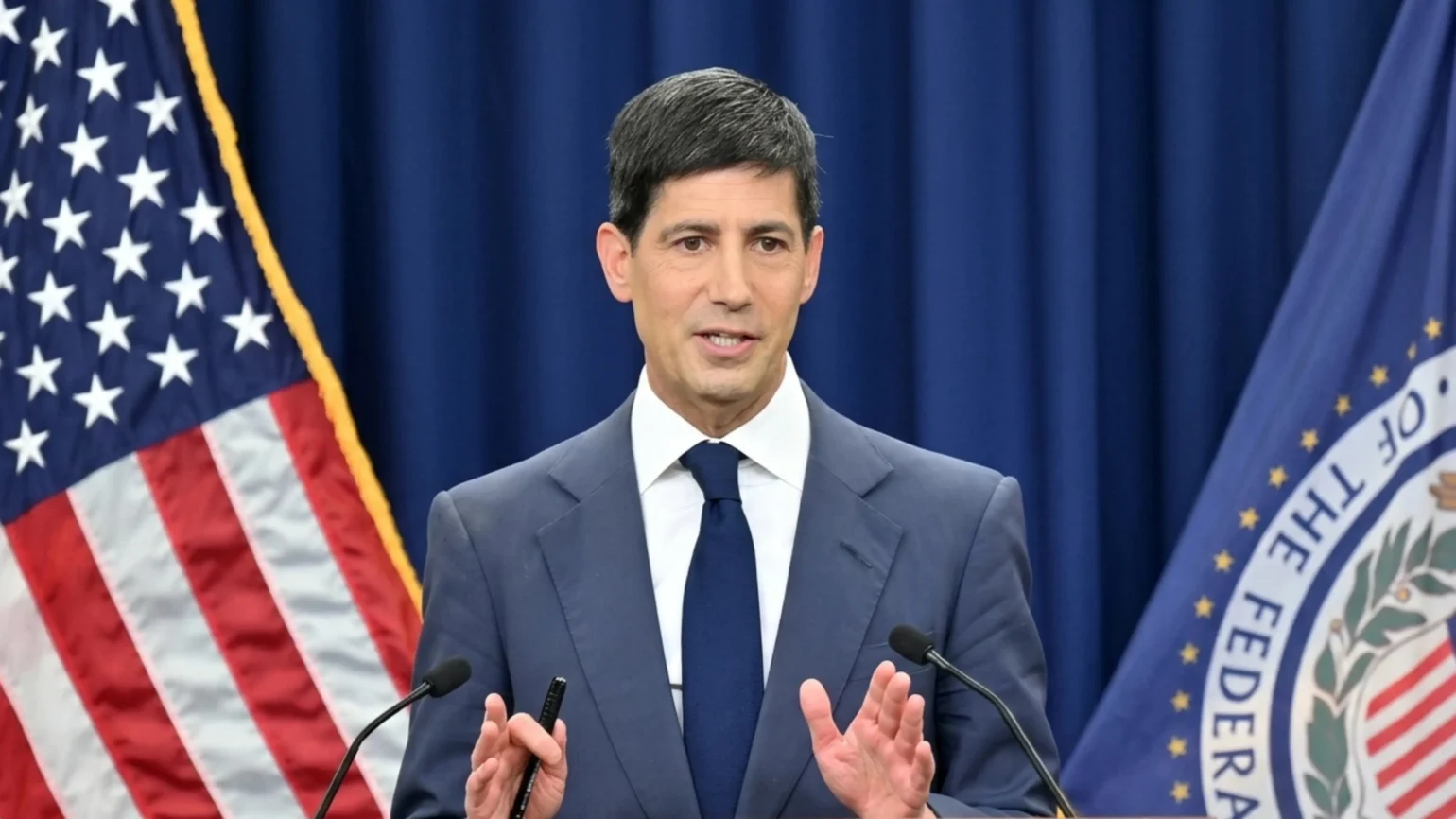
Bank of America reaffirmed its bullish dollar outlook this month, forecasting EUR/USD to fall to 1.12 in the third quarter before ending 2026 near 1.15, citing a hawkish Federal Reserve under Chair Kevin Warsh.
Bank of America’s dollar forecast explained
Bank of America expects the U.S. dollar to strengthen further through the rest of 2026, a call built almost entirely on its expectation that the Federal Reserve will raise interest rates more than the broader market currently anticipates.
Geopolitical tensions, the AI investment boom, and higher-for-longer interest rates should set the dollar up for a strong second half of 2026, according to Bank of America.
The bank’s forecast is notably more aggressive than consensus. Bank of America forecasts the Federal Reserve will raise interest rates by 25 basis points three separate times in 2026, while the broader market is pricing in only one hike.
If rates do end up 75 basis points higher than today, that outcome would likely be good for the dollar, since higher-for-longer U.S. interest rates tend to support the currency by increasing the return investors can earn on dollar-denominated assets such as Treasury securities, money market funds, and corporate debt.
The currency-specific numbers
Bank of America expects the euro-to-dollar exchange rate to decline to 1.12 during the third quarter before ending 2026 near 1.15. That forecast was revised down from the bank’s previous estimate, alongside adjustments to several dollar-bloc currencies, reflecting an expectation of a relatively stronger U.S. currency overall.
Bank of America pointed specifically to developments in U.S.-Iran relations and expectations for monetary policy under Fed Chair Kevin Warsh as the key drivers behind the shift.
The U.S. Dollar Index itself, which measures the dollar against a basket of six major currencies, has already made a significant move this year. The index rose above 100 in June, its highest level since May 2025, following the Fed’s hawkish June meeting.
The Dollar Index reached a 13-month high, rising 3 percent since the start of the year and 5 percent since late January, as investors increasingly priced in the possibility of a Fed rate hike rather than a cut.
Why the Fed is at the center of this story
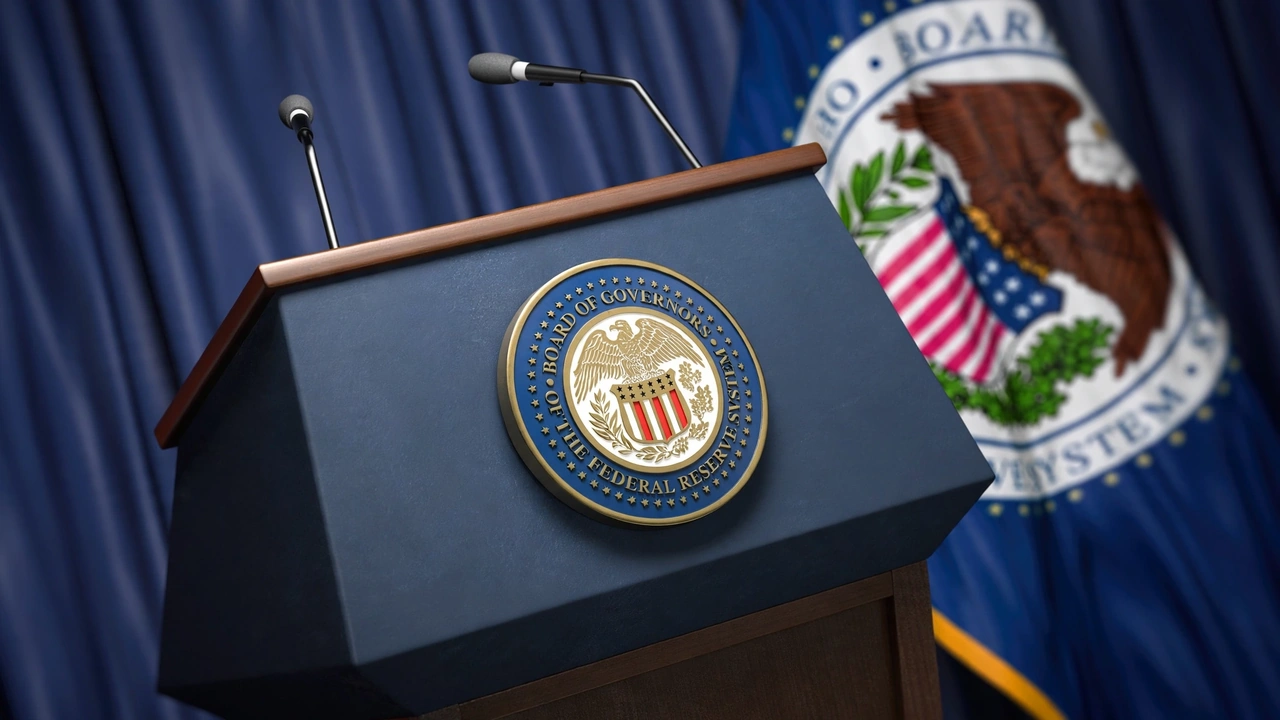
The Fed held its federal funds target range at 3.50 to 3.75 percent at its June 17 meeting, Kevin Warsh’s first as chair, in a unanimous 12 to 0 vote, but its updated projections told a more hawkish story underneath that steady headline number.
The updated dot plot now shows a median year-end 2026 rate of 3.8 percent, up sharply from 3.4 percent projected back in March, a shift from an implied rate cut to an implied hike.
This creates a genuine tension worth understanding. President Trump has been vocal about wanting lower interest rates, and Warsh was seen as more open to cutting rates than his predecessor, yet Warsh has inherited an inflation rate around 4.2 percent and cannot simply cut into that.
That conflict between political pressure for lower rates and inflation data pointing the other way is, in Bank of America’s own reading, a central reason the dollar has firmed rather than weakened this year.
Not every analyst agrees the rally continues from here. Bearish-dollar forecasts from other banks point to the low 90s on the Dollar Index, though those calls depend on Fed rate cuts that have been pushed back by stronger-than-expected inflation data. The most important thing to watch going forward is the dollar’s own reaction to typically bullish news.
If dollar rallies start faltering even when the news backdrop should support them, that would be an early signal the market is preparing for a weaker-dollar phase instead.
What a stronger dollar means for you
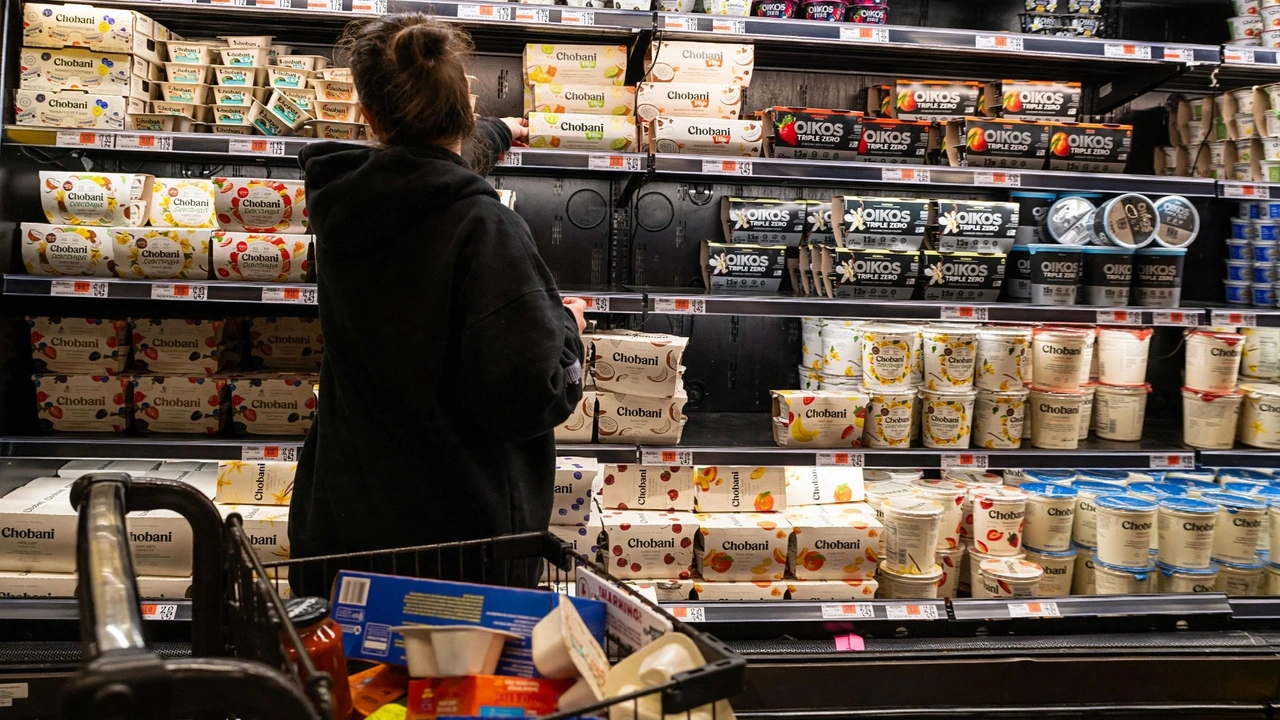
A stronger dollar has a real, practical effect on everyday costs, even for people who never trade currencies directly. It generally makes imported goods and overseas travel cheaper for Americans, since a dollar buys more of a foreign currency abroad.
It also tends to pressure commodity prices lower, including oil and gold, since those are priced in dollars and a rising dollar makes them more expensive for buyers holding other currencies, which can reduce global demand for those commodities.
For anyone holding international investments, a stronger dollar can quietly erode returns when converted back into dollar terms, even if the underlying foreign asset performed well in its local currency.
Conversely, U.S. exporters and multinational companies with significant overseas revenue can see reported earnings pressured, since foreign sales convert back into fewer dollars.
This entire dynamic connects directly back to the interest rate story readers may already be tracking. Our companion piece on how fed rate impact affects savings accounts and credit cards walks through the domestic side of the same policy decisions driving this currency forecast.
The mechanics of how a Fed decision moves through the financial system, from the federal funds rate to bank deposit rates to currency markets, are laid out fully in our money movement system article.
It’s also a reminder that the Fed’s rate path affects federal finances well beyond currency markets. Higher Treasury yields raise the government’s own borrowing costs, a dynamic tied to the same trust fund projection concerns we’ve covered in Social Security’s outlook, since Treasury securities back both trust funds and the broader federal budget.
Retirees whose state currently taxes benefits should also weigh how states taxing benefits intersects with a household budget already adjusting to shifting rates and currency costs.
Anyone who wants the Fed’s own policy language behind this story can read it directly on the FOMC calendar and press release archive maintained by the Federal Reserve.
What to do with this information now
Travelers planning international trips this year may find their dollar stretches further than it has in over a year, making now a reasonable time to book if a stronger dollar holds through the third quarter as Bank of America expects.
Investors with international fund exposure should check whether their holdings are currency-hedged, since an unhedged position could see returns eroded by continued dollar strength.
Anyone holding gold or commodity positions should understand that a rising dollar is one of the headwinds working against those assets right now, separate from any views on the commodities themselves.
Methodology: This article combines Bank of America Global FX Strategy’s third-quarter and year-end 2026 currency forecasts, Federal Reserve FOMC meeting statements and dot-plot data, and independent market analysis of U.S. Dollar Index movement through the first half of 2026. Figures were independently reviewed as of the publication date.









One thought on “Understanding U.S. Dollar Strength: Federal Reserve Policy, Treasury Yields, and Market Drivers @import url("https://fonts.googleapis.com/css2?family=Poppins:wght@400;500;600&family=Source+Sans+3:wght@400;500;600;700&display=swap"); /* ========================================= NORMAL BYLINE ========================================= */ .izo-clean-byline { display: flex; align-items: center; justify-content: space-between; width: 100%; max-width: 620px; gap: 16px; margin-top: 4px; margin-bottom: 16px; font-family: "Poppins", Arial, sans-serif; } .izo-clean-byline-content { display: flex; flex-direction: column; justify-content: center; align-items: flex-start; min-width: 0; gap: 4px; line-height: 1.12; transform: translateY(-4px); font-family: "Poppins", Arial, sans-serif; } .izo-clean-author-wrap { position: relative; display: inline-block; width: fit-content; line-height: 1.12; margin: 0; padding: 0; outline: none; } .izo-by-label { font-family: "Poppins", Arial, sans-serif; font-size: 14px; font-weight: 400; color: #111; line-height: 1.12; margin-right: 3px; } .izo-clean-author-name { position: relative; display: inline-block; font-family: "Poppins", Arial, sans-serif; font-size: 14px; font-weight: 500; color: #111; cursor: pointer; line-height: 1.12; padding: 0; margin: 0; text-decoration-line: underline; text-decoration-color: #111; text-decoration-thickness: 1px; text-underline-offset: 1px; } .izo-clean-author-name::after { display: none; } .izo-clean-meta { font-family: "Poppins", Arial, sans-serif; font-size: 11px; font-weight: 400; color: #555; line-height: 1.12; margin: 0; padding: 0; } /* ========================================= RIGHT ACTIONS GOOGLE + SHARE ========================================= */ .izo-byline-actions { display: flex; align-items: center; justify-content: flex-end; gap: 7px; flex: 0 0 auto; position: relative; top: 6px; } /* ========================================= GOOGLE SOURCE BADGE ========================================= */ .izo-google-source-badge { display: inline-flex; align-items: center; justify-content: center; width: 34px; height: 34px; min-width: 34px; flex: 0 0 34px; padding: 6px; margin: 0; box-sizing: border-box; background: #ffffff !important; border: 1px solid rgba(85,85,85,0.30) !important; border-radius: 6px; box-shadow: none !important; text-decoration: none !important; overflow: hidden; transition: border-color 0.18s ease, background-color 0.18s ease; } .izo-google-source-badge img { display: block; width: 100%; height: 100%; max-width: 100%; object-fit: contain; object-position: center; margin: 0; padding: 0; border: 0 !important; border-radius: 0 !important; background: transparent !important; box-shadow: none !important; } .izo-google-source-badge:hover { background: #ffffff !important; border-color: rgba(85,85,85,0.45) !important; box-shadow: none !important; transform: none !important; } .izo-google-source-badge:focus { background: #ffffff !important; outline: 1px solid rgba(85,85,85,0.45); outline-offset: 2px; box-shadow: none !important; } /* ========================================= SHARE BUTTON ========================================= */ .izo-share-button { display: inline-flex; align-items: center; justify-content: center; width: 34px; height: 34px; min-width: 34px; flex: 0 0 34px; padding: 7px; margin: 0; box-sizing: border-box; background: #ffffff !important; border: 1px solid rgba(85,85,85,0.30) !important; border-radius: 6px; box-shadow: none !important; color: #333333 !important; cursor: pointer; text-decoration: none !important; overflow: hidden; appearance: none; -webkit-appearance: none; transition: border-color 0.18s ease, color 0.18s ease, background-color 0.18s ease; } .izo-share-button svg { display: block; width: 18px; height: 18px; fill: none; stroke: currentColor; stroke-width: 1.8; stroke-linecap: round; stroke-linejoin: round; margin: 0; padding: 0; } .izo-share-button:hover { background: #ffffff !important; border-color: rgba(85,85,85,0.45) !important; color: #111111 !important; box-shadow: none !important; transform: none !important; } .izo-share-button:focus { background: #ffffff !important; outline: 1px solid rgba(85,85,85,0.45); outline-offset: 2px; box-shadow: none !important; } /* ========================================= AUTHOR DETAILS CARD ========================================= */ .izo-clean-author-tooltip { position: absolute; top: calc(100% + 10px); left: 0; width: 440px; max-width: calc(100vw - 40px); background: #fff; color: #333; border: 1px solid #e5e5e5; border-radius: 8px; padding: 16px; font-family: "Source Sans 3", Arial, sans-serif; font-size: 13px; font-weight: 400 !important; line-height: 1.55; box-shadow: 0 8px 24px rgba(0,0,0,0.10); opacity: 0; visibility: hidden; transform: translateY(5px); transition: opacity 0.2s ease, transform 0.2s ease, visibility 0.2s ease; z-index: 9999; pointer-events: none; } /* ========================================= IMAGE + BIO ========================================= */ .izo-tooltip-main { display: flex; align-items: flex-start; gap: 14px; width: 100%; } .izo-tooltip-image { width: 96px; height: 96px; flex: 0 0 96px; object-fit: cover; object-position: center; display: block; border-radius: 6px; margin: 0; padding: 0; } .izo-tooltip-bio { flex: 1 1 auto; min-width: 0; font-family: "Source Sans 3", Arial, sans-serif; font-size: 13px; font-weight: 400; line-height: 1.55; color: #333; margin: 0; padding: 0; } /* Bio reference links: same color, font and decoration as bio text */ .izo-clean-author-tooltip .izo-tooltip-bio a, .izo-clean-author-tooltip .izo-tooltip-bio a:visited, .izo-clean-author-tooltip .izo-tooltip-bio a:hover, .izo-clean-author-tooltip .izo-tooltip-bio a:focus { color: inherit !important; font: inherit !important; text-decoration: none !important; border-bottom: 0 !important; box-shadow: none !important; } .izo-clean-author-tooltip strong { font-family: "Source Sans 3", Arial, sans-serif; font-weight: 400 !important; } /* ========================================= DESKTOP HOVER ========================================= */ .izo-clean-author-wrap:hover .izo-clean-author-tooltip { opacity: 1; visibility: visible; transform: translateY(0); pointer-events: auto; } /* ========================================= KEYBOARD / MOBILE TAP ========================================= */ .izo-clean-author-wrap:focus .izo-clean-author-tooltip, .izo-clean-author-wrap:focus-within .izo-clean-author-tooltip { opacity: 1; visibility: visible; transform: translateY(0); pointer-events: auto; } /* ========================================= POPUP FOOTER SOCIALS | READ PROFILE ========================================= */ .izo-tooltip-footer { display: flex; align-items: center; gap: 14px; margin-top: 16px; width: 100%; } .izo-tooltip-socials { display: flex; align-items: center; gap: 14px; margin: 0; padding: 0; } .izo-tooltip-socials a { display: inline-flex; align-items: center; justify-content: center; width: 24px; height: 24px; color: #222; text-decoration: none; border: none; transition: opacity 0.2s ease, transform 0.2s ease; } .izo-tooltip-socials a:hover { opacity: 0.72; transform: translateY(-1px); } .izo-tooltip-socials svg { width: 21px; height: 21px; fill: currentColor; display: block; } /* Grey separator */ .izo-tooltip-separator { display: inline-flex; align-items: center; justify-content: center; color: #b5b5b5; font-family: "Source Sans 3", Arial, sans-serif; font-size: 20px; font-weight: 400; line-height: 1; margin: 0 1px; } /* Read profile */ .izo-clean-author-tooltip .izo-profile-link { display: inline-block; font-family: "Source Sans 3", Arial, sans-serif; font-size: 13px; font-weight: 600; color: #1a73e8; text-decoration: none; border-bottom: 1px solid #1a73e8; line-height: 1.25; white-space: nowrap; } /* ========================================= MOBILE ========================================= */ @media (max-width: 650px) { .izo-clean-byline { display: flex; flex-direction: row; align-items: center; justify-content: space-between; width: 100%; max-width: 100%; gap: 7px; margin-top: 3px; margin-bottom: 14px; flex-wrap: nowrap; } .izo-clean-byline-content { display: flex; flex-direction: column; flex: 1 1 auto; min-width: 0; max-width: calc(100% - 68px); gap: 3px; line-height: 1.12; transform: translateY(-4px); } .izo-clean-author-wrap { line-height: 1.12; margin: 0; padding: 0; max-width: 100%; white-space: nowrap; } .izo-by-label { font-size: 12px; line-height: 1.12; margin-right: 3px; } .izo-clean-author-name { font-size: 12px; font-weight: 500; line-height: 1.12; padding: 0; margin: 0; text-underline-offset: 1px; white-space: nowrap; } .izo-clean-meta { font-size: 9.5px; line-height: 1.12; margin: 0; padding: 0; color: #555; white-space: nowrap; } /* ========================================= GOOGLE + SHARE MOBILE STAY ON SAME ROW ========================================= */ .izo-byline-actions { display: flex; flex-direction: row; align-items: center; justify-content: flex-end; gap: 5px; flex: 0 0 auto; white-space: nowrap; position: relative; top: 5px; } /* GOOGLE MOBILE */ .izo-google-source-badge { width: 28px; height: 28px; min-width: 28px; flex: 0 0 28px; padding: 5px; border-radius: 5px; background: #ffffff !important; border: 1px solid rgba(85,85,85,0.30) !important; box-shadow: none !important; margin: 0; } .izo-google-source-badge img { width: 100%; height: 100%; } /* SHARE MOBILE */ .izo-share-button { width: 28px; height: 28px; min-width: 28px; flex: 0 0 28px; padding: 6px; border-radius: 5px; background: #ffffff !important; border: 1px solid rgba(85,85,85,0.30) !important; box-shadow: none !important; margin: 0; } .izo-share-button svg { width: 15px; height: 15px; stroke-width: 1.8; } /* Keep the mobile author card above the featured image */ .izo-clean-byline, .izo-clean-byline-content, .izo-clean-author-wrap { position: relative; z-index: 10000; } .izo-clean-author-tooltip { z-index: 10001; } /* ========================================= MOBILE AUTHOR CARD ========================================= */ .izo-clean-author-tooltip { width: min(340px, calc(100vw - 32px)); max-width: calc(100vw - 32px); padding: 14px; left: 0; font-size: 12.5px; line-height: 1.5; } .izo-tooltip-main { gap: 11px; align-items: flex-start; } .izo-tooltip-image { width: 82px; height: 82px; flex: 0 0 82px; border-radius: 5px; } .izo-tooltip-bio { font-size: 12.5px; line-height: 1.5; } /* Mobile footer */ .izo-tooltip-footer { gap: 11px; margin-top: 14px; flex-wrap: nowrap; } .izo-tooltip-socials { gap: 12px; } .izo-tooltip-socials a { width: 22px; height: 22px; } .izo-tooltip-socials svg { width: 20px; height: 20px; } .izo-tooltip-separator { font-size: 18px; margin: 0; } .izo-clean-author-tooltip .izo-profile-link { font-size: 12.5px; line-height: 1.2; } }
ByAdarsha Dhakal

Adarsha Dhakal is a financial journalist and the Founder and Editor of Investozora, an independent U.S. financial news and economic research publication he established in August 2025. He covers the U.S. economy, Federal Reserve policy, Treasury operations, financial markets, banking, IRS taxation, and Social Security. His reporting emphasizes original government records, verified economic data, transparent calculations, and the distinction between facts and analysis. His financial and economic analysis has also appeared on Investing.com.
|
Read full profile →
Published Jul 17, 2026 · 4:24 PM ET · Updated 3 months ago

”