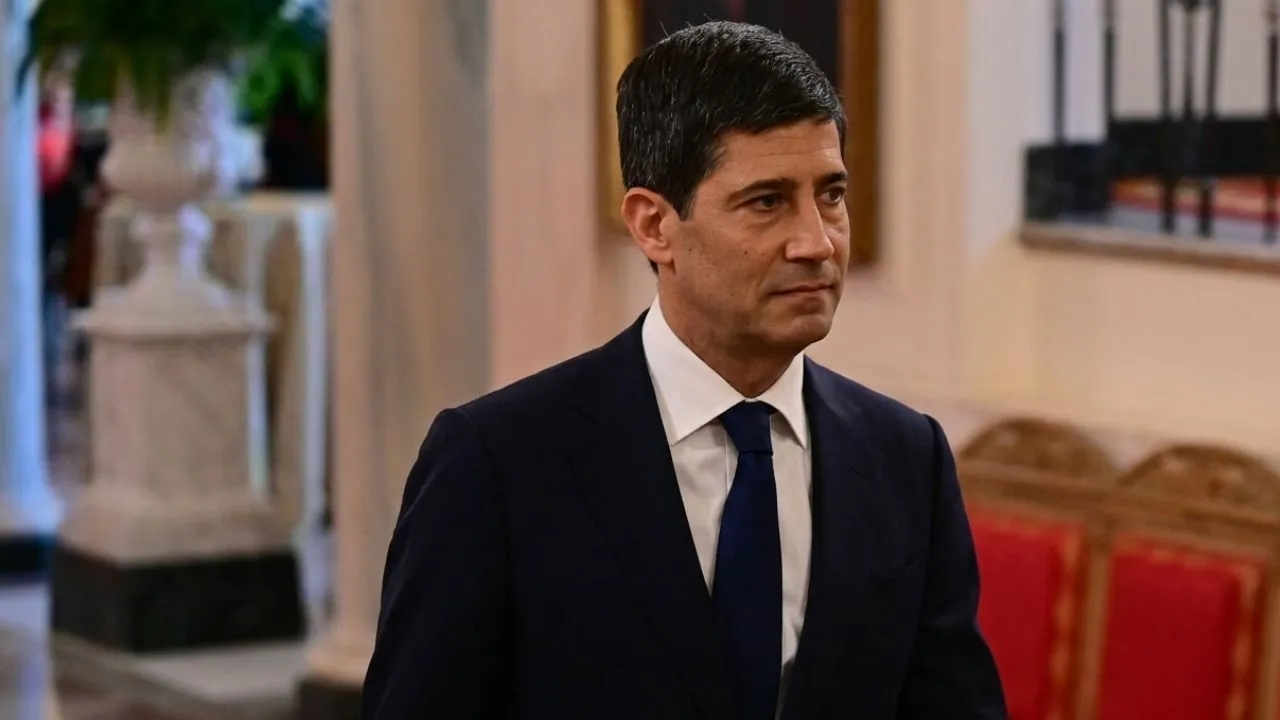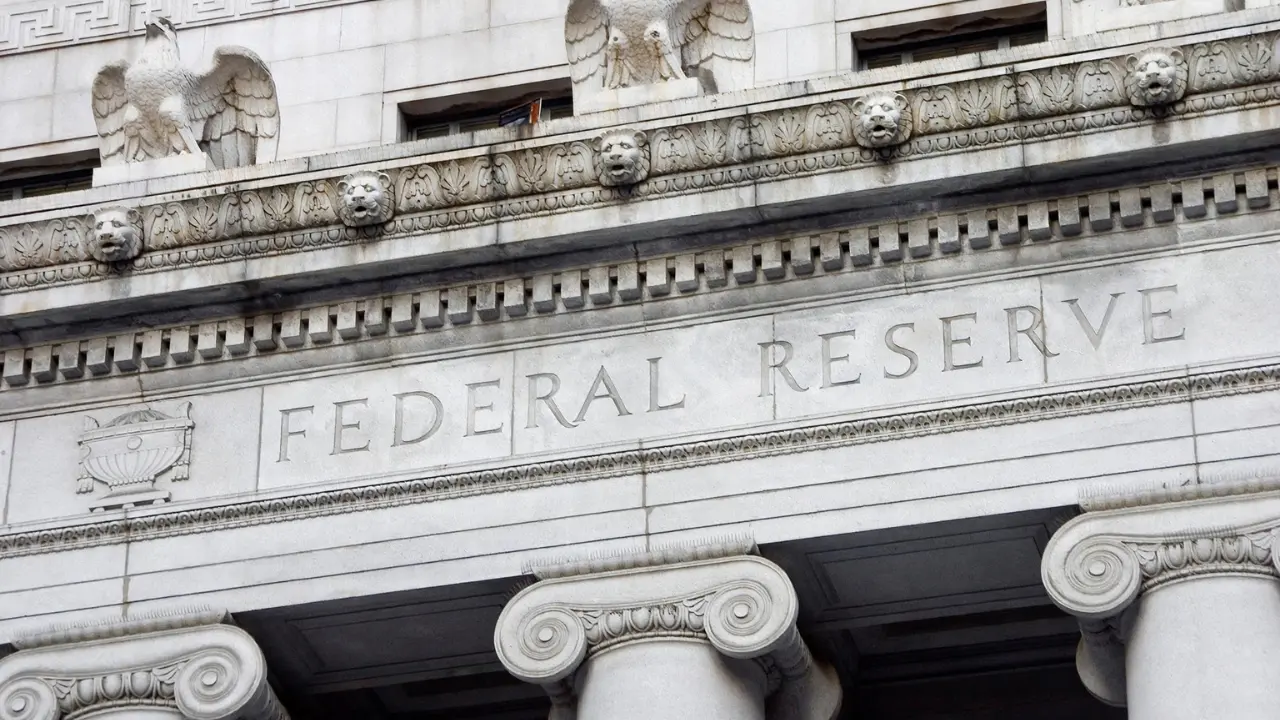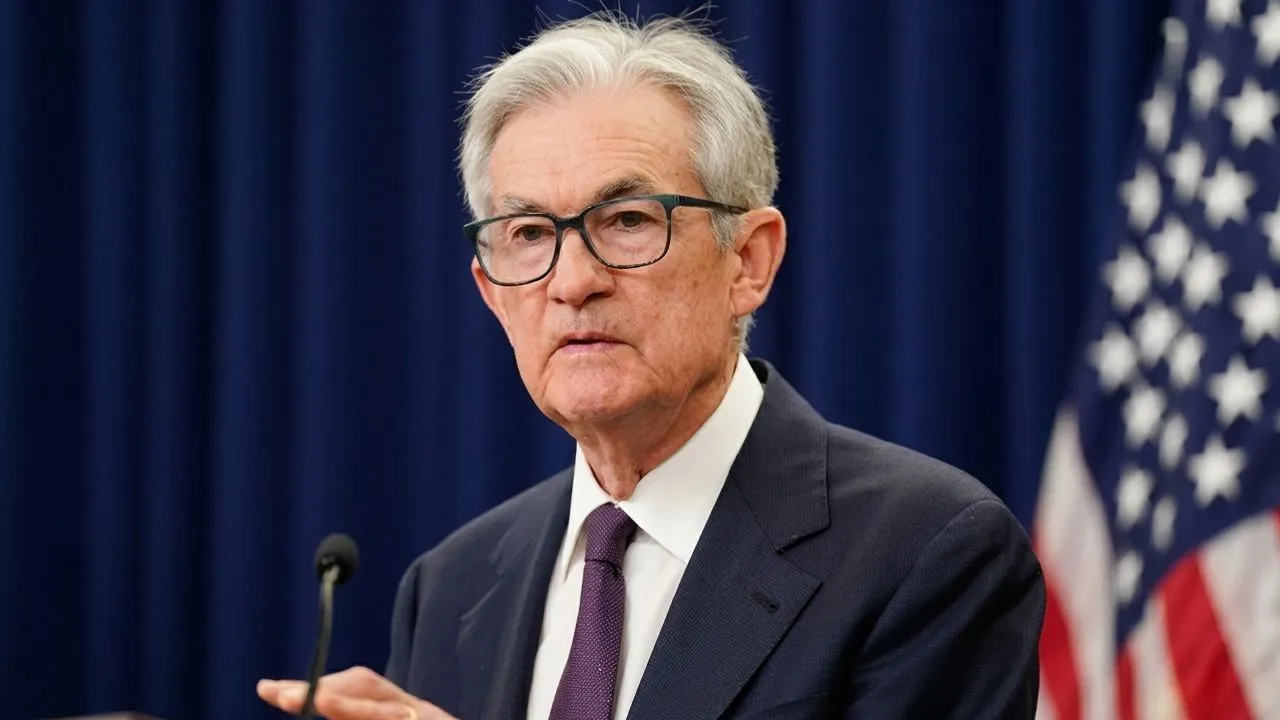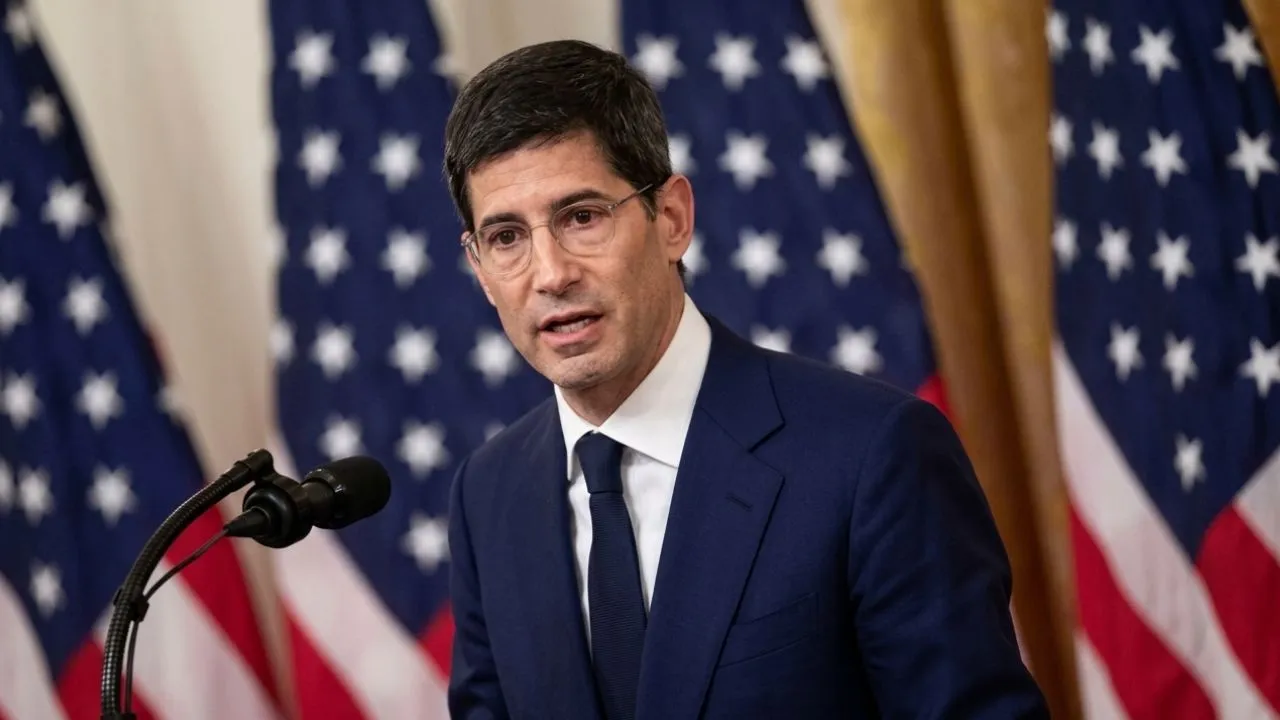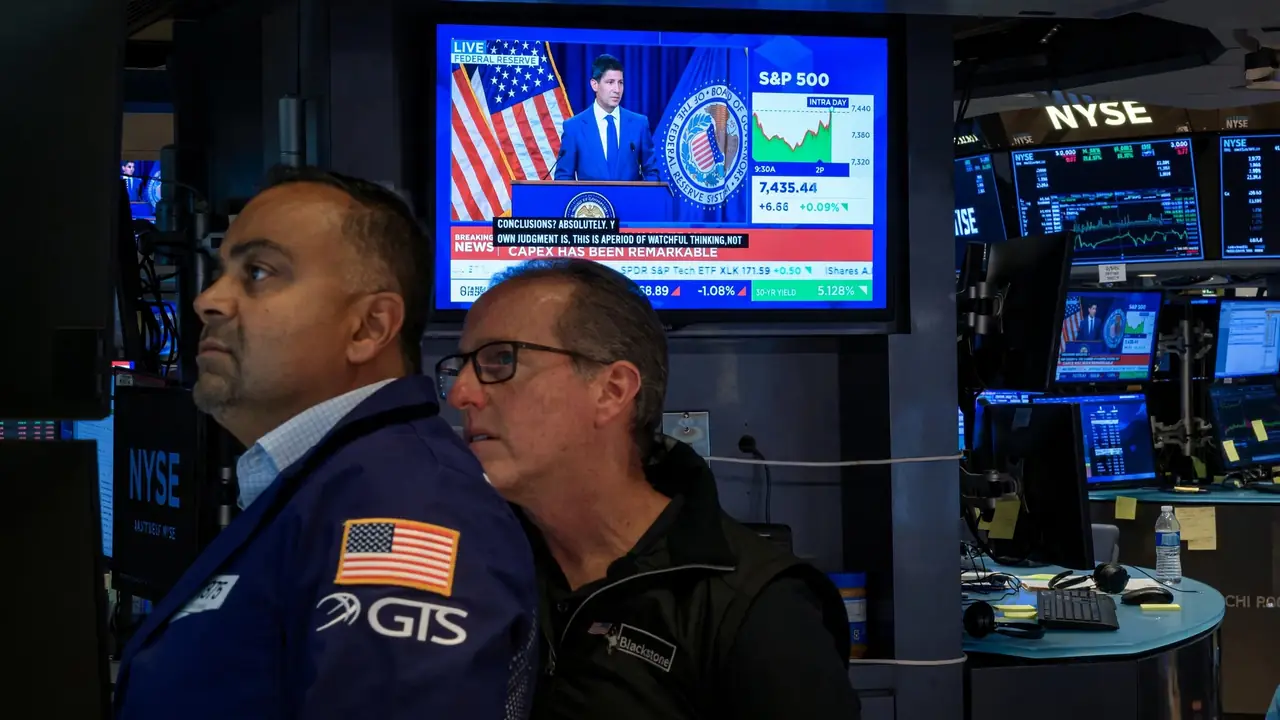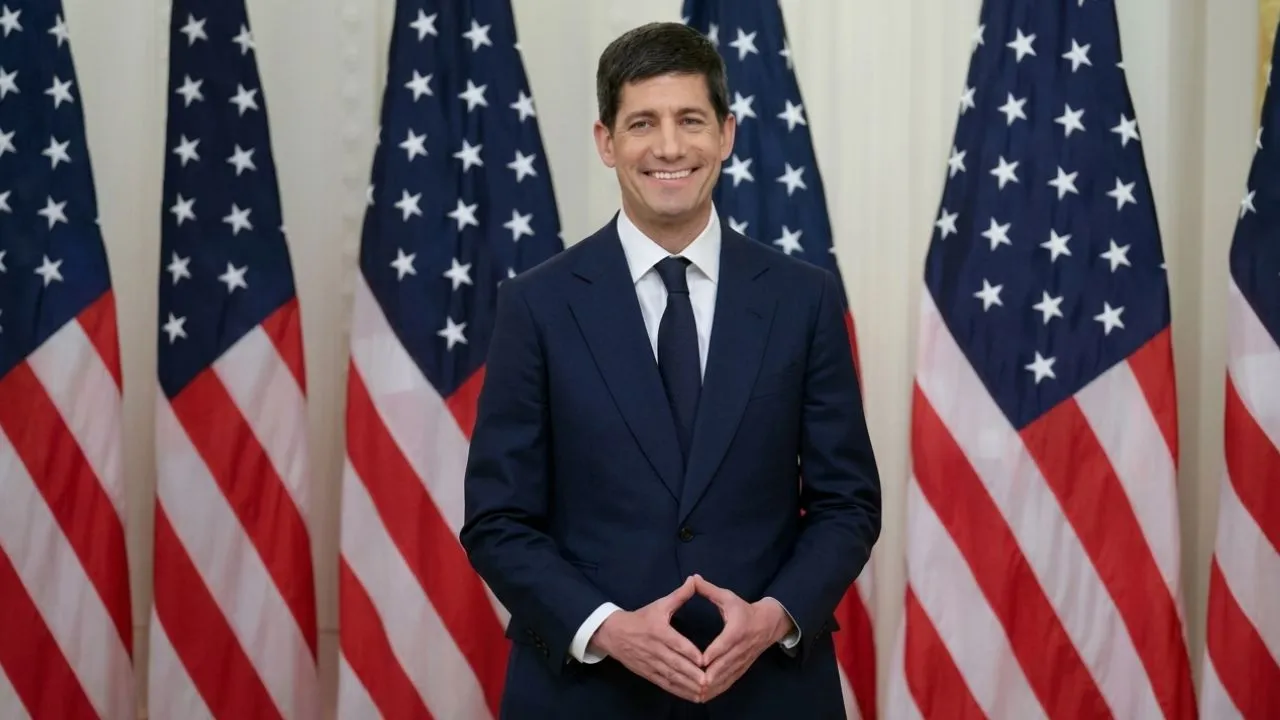

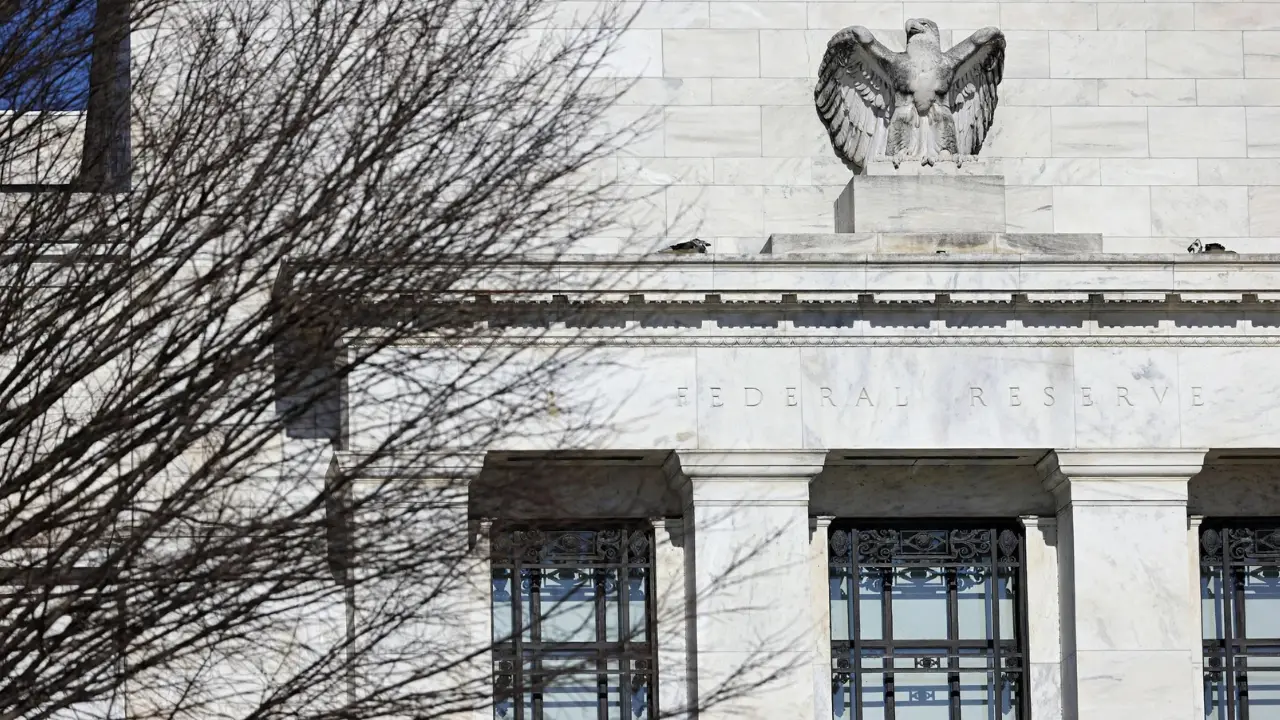
The Federal Reserve held its benchmark federal funds rate at 3.50 to 3.75 percent at its June 17 meeting, the first under Chair Kevin Warsh. The committee’s next decision is scheduled for July 29, 2026.
What a Fed rate hike means for you
The Federal Reserve has held its benchmark interest rate steady through the first half of 2026, but its own projections now point toward a real possibility of rate hikes before year-end, a shift that would directly affect savings yields, credit card costs, and mortgage rates.
The Fed has held its benchmark interest rate in a range of 3.50 percent to 3.75 percent all year, after cutting rates by a quarter point at each of its last three meetings in 2025.
What changed is the tone underneath that steady number. The Fed’s updated projections show a median expectation that the federal funds rate will end 2026 higher than it is today, a reversal from a dot plot in March that had implied a cut.
Nine of eighteen Federal Reserve officials pencilled in at least one rate increase this year, only one official expected a cut, and seventeen of eighteen judged inflation risks to be tilted toward the upside.
Why the Fed is leaning hawkish
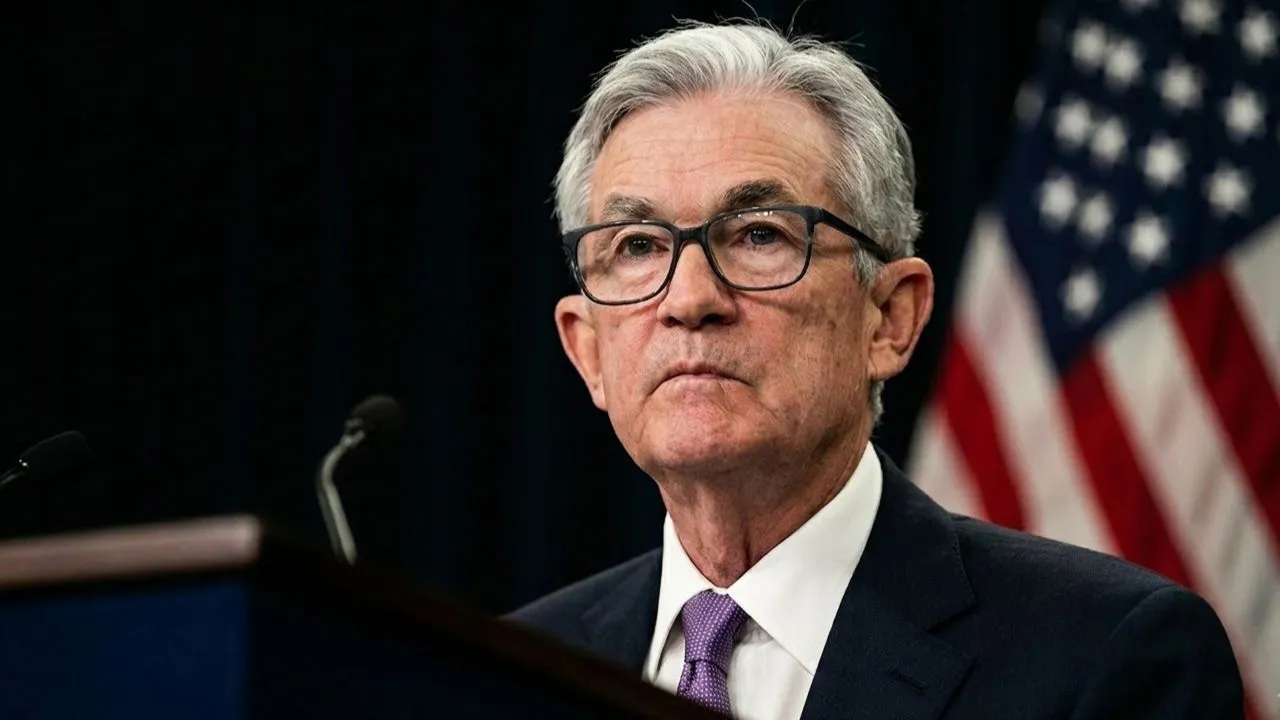
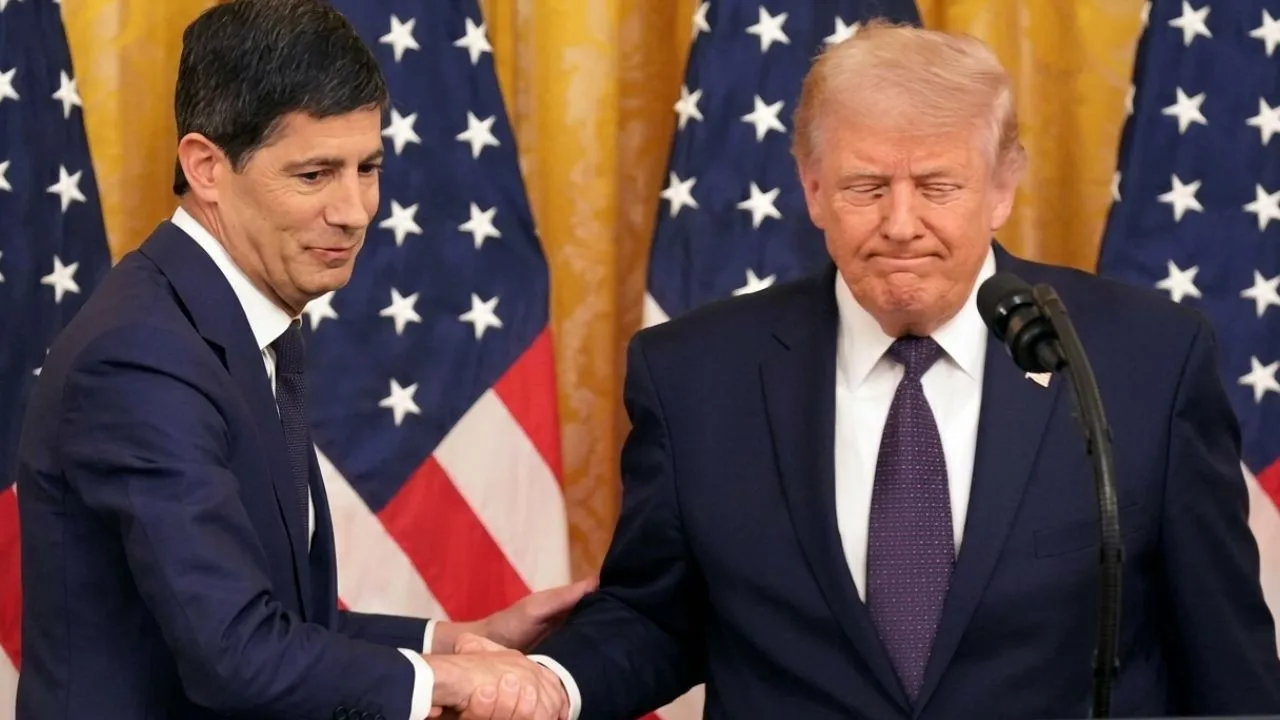
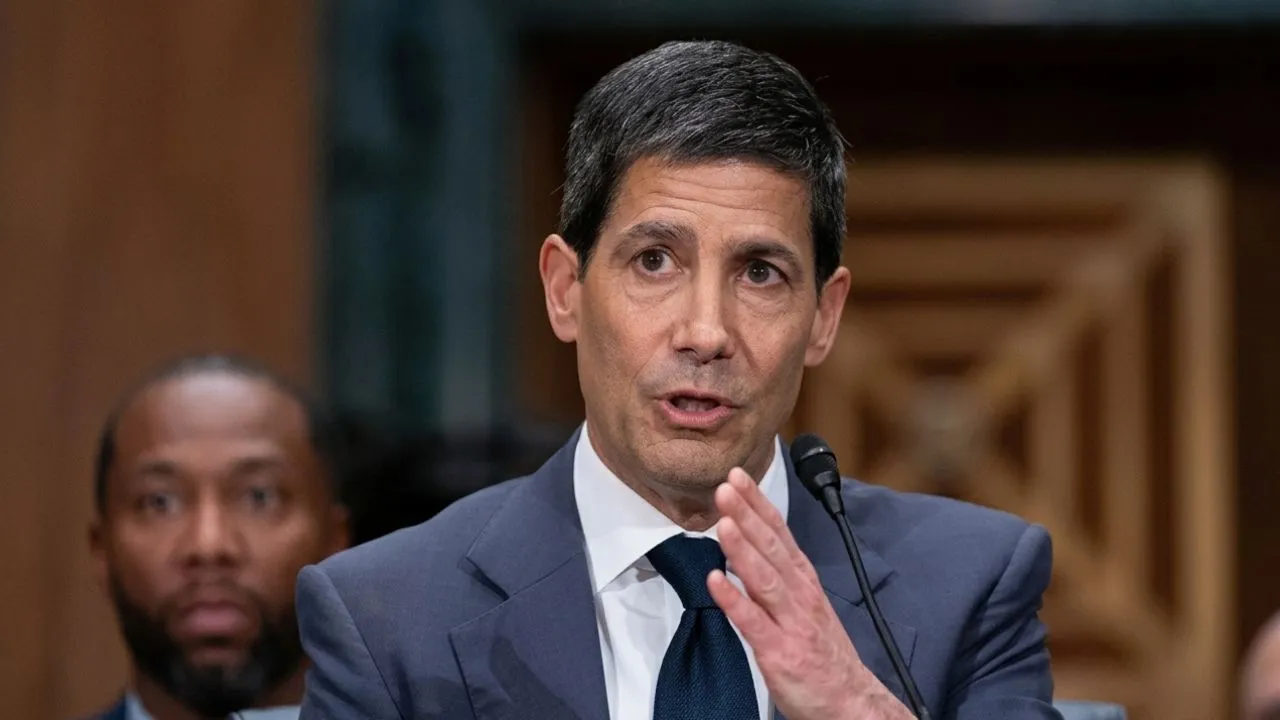
Chair Kevin Warsh, who took office in May after replacing Jerome Powell, has been direct about the reason. Warsh said inflation remains too elevated even as Fed officials have grown more open-minded about whether artificial intelligence investment could prove deflationary over time.
At the June meeting, the Fed’s statement said economic activity was expanding at a solid pace despite elevated uncertainty tied in part to conflict in the Middle East, and that inflation remained elevated relative to the Committee’s 2 percent goal, partly reflecting supply shocks including energy prices.
The committee itself is genuinely split on what comes next. Minutes from the June meeting showed some participants believed inflation would subside in the second half of 2026, while others worried it would take longer to tame and might require a rate increase.
That division matters for consumers because it means the path forward is genuinely uncertain, not a settled decision awaiting an announcement.
How this changes your savings account
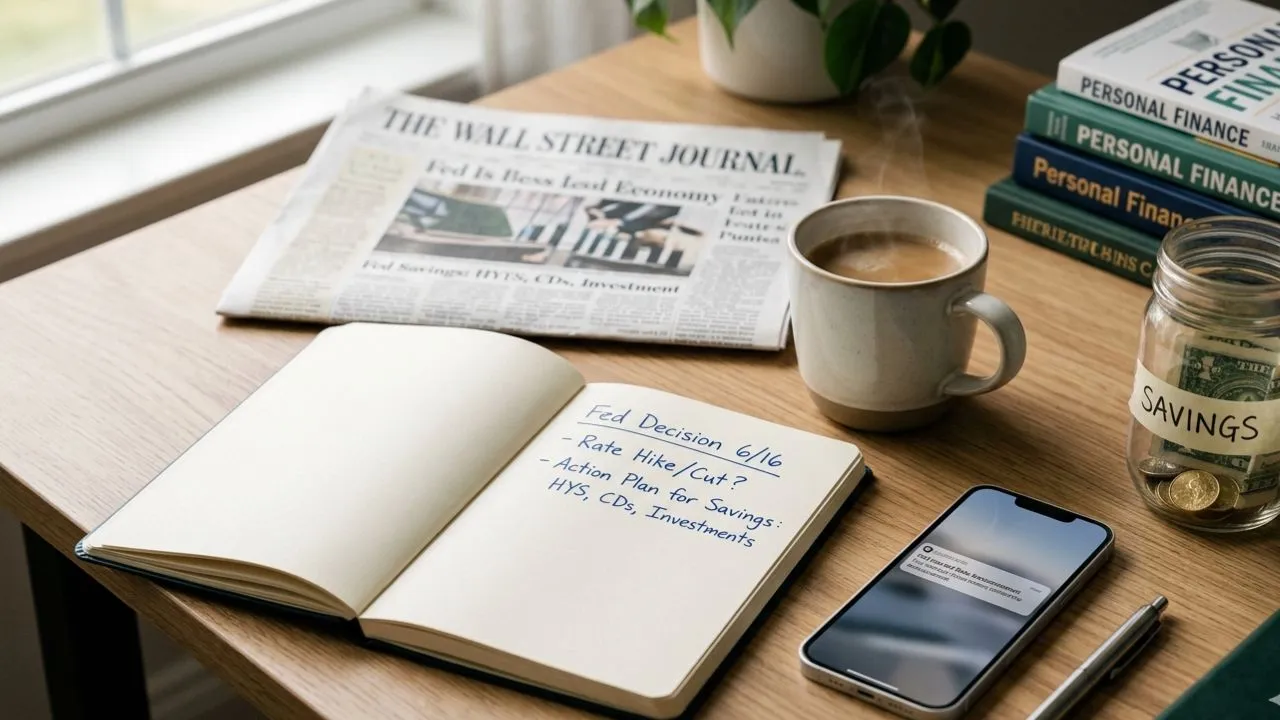
High-yield savings accounts and certificates of deposit currently track closely with the federal funds rate, and that relationship cuts both ways for savers.
If the Fed does raise rates later this year, banks that compete for deposits typically pass at least part of that increase along to savers within a few weeks, meaning existing high-yield savings and CD rates could tick higher into year-end.
If the Fed instead holds steady or eventually cuts, as some officials on the committee still expect, savings yields would likely drift down instead.
The practical takeaway for savers right now is to avoid locking into a long-term CD at today’s rate if you expect hikes, since a short-term account lets you capture any increase faster.
Conversely, locking in a longer CD term now protects against a future rate cut. Given the genuine split on the committee described above, this is a real trade-off rather than an obvious call in either direction.
How this changes borrowing costs
Credit card annual percentage rates move almost immediately with Fed decisions, since most cards carry a variable rate tied directly to the prime rate, which itself tracks the federal funds rate. A rate hike later this year would raise minimum payments on existing card balances within one to two billing cycles.
Mortgage rates respond differently, since they track the 10-year Treasury yield more than the federal funds rate directly, but Treasury yields have already been rising in anticipation of the Fed’s hawkish stance, which has kept mortgage rates elevated through the first half of 2026.
Not every major institution agrees on timing. Analysts at J.P. Morgan Global Research maintain that the Federal Reserve will likely hold rates steady for the remainder of 2026, with their baseline forecast pointing to a delayed hike in September 2027 instead. That disagreement between major forecasters is itself useful information.
It tells consumers that even sophisticated market participants don’t have certainty here, and household financial planning should account for both scenarios rather than betting on one.
What a Fed hike means beyond your bank account
A higher federal funds rate ripples well beyond personal savings and credit cards. It raises the government’s own borrowing costs on Treasury securities, which affects the federal budget over time.
It also tends to strengthen the U.S. dollar relative to other currencies, since higher American interest rates attract global capital seeking better returns, a dynamic we cover in detail in our piece on the dollar index forecast.
Readers who want the full mechanics of how a Fed decision actually moves through the banking system into your account can find that explained in our money movement system article.
It’s also worth understanding how Fed policy connects to other federal figures many households track closely. Higher Treasury yields feed into the government’s own finances the same way they affect Social Security’s trust fund projection, since federal debt costs and program funding sit on the same balance sheet in the long run.
And because retirees living on fixed incomes are especially sensitive to both inflation and rate policy, our coverage on social security cuts is directly relevant to anyone reading this piece for retirement planning purposes.
For the fed funds rate’s official current level and the committee’s next scheduled decision, the FOMC calendar published by the Federal Reserve is the definitive source, and Fed statements themselves are posted directly to the central bank’s press releases page as soon as each meeting concludes.
What to do with your money now
Anyone with cash sitting in a low-yield checking or traditional savings account should compare their current rate against a high-yield savings account today, regardless of what the Fed does next, since the gap between the two has been wide for over a year.
Borrowers carrying variable-rate credit card debt should prioritize paying it down before the July 29 decision, since a hike would raise that cost immediately.
Anyone shopping for a mortgage should lock a rate they can afford now rather than waiting for a cut that several major forecasters do not expect until 2027 at the earliest.
Methodology: This article combines Federal Reserve press releases and FOMC meeting minutes, dot-plot projection data reported by financial outlets tracking the June 2026 meeting, and rate forecasts from J.P. Morgan Global Research and other financial institutions. Figures were independently reviewed as of the publication date.