
WASHINGTON – The Federal Reserve just made its interest rate decision, and if you searched for this because you want a answer about what happened and what it means for your wallet, you’re in the right place.
This guide walks through today’s decision, why the Fed made the choice it did, what Chair Kevin Warsh said afterward, and exactly how the decision works its way into your mortgage, savings account, credit card, and investments over the coming weeks. You’ll also find out when the next Federal Reserve meeting is and what to watch for between now and then.
| Question | Quick Answer |
|---|---|
| What did the Fed decide? | Held the federal funds rate steady at 3.50%–3.75%, the fifth straight meeting without a change. |
| Were interest rates changed? | No. Rates stayed the same, but the vote was not unanimous. |
| Why? | Inflation is still above the Fed’s 2% goal, driven partly by higher gas prices tied to the conflict involving Iran. |
| Next meeting | September 15–16, 2026, with a policy announcement on September 16 at 2:00 p.m. ET. |
| Inflation outlook | Still elevated; officials expect price pressure to persist longer than earlier hoped. |
| Consumer impact | Mortgage, savings, and credit card rates are likely to stay close to where they are now, at least until September. |
What Did the Federal Reserve Decide?
The Federal Reserve’s rate-setting group, called the Federal Open Market Committee, voted to leave the federal funds rate unchanged at a target range of 3.50% to 3.75%. This is the same range that has been in place since the Fed left its benchmark interest rate unchanged at this most recent meeting, held July 28–29, 2026.
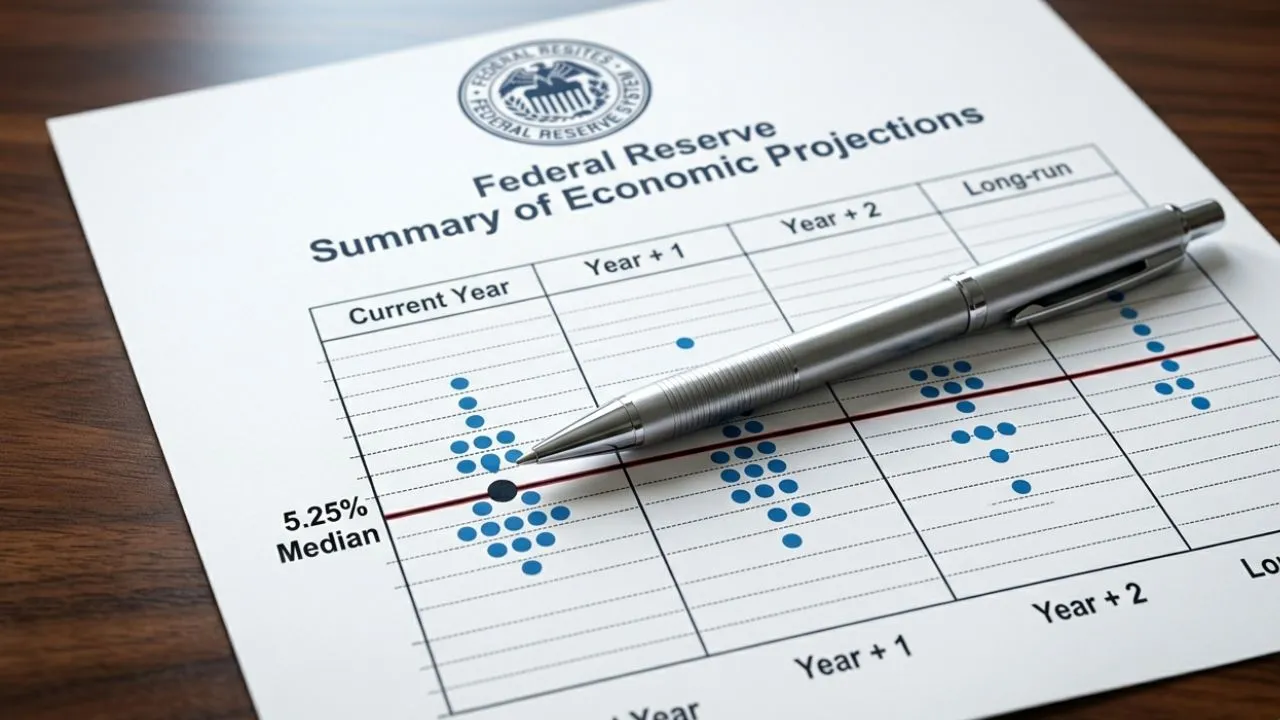
This marks five consecutive meetings without a rate change, a sign that the Fed dot plot and internal forecasts have shifted away from the rate cuts many economists expected at the start of the year.
What makes this decision notable is that it was not unanimous. The central bank left its benchmark lending rate unchanged for the fifth consecutive meeting, but the decision was not unanimous, with three regional Fed bank presidents preferring a quarter-point increase instead.
That level of internal disagreement is unusual and signals a Fed that is genuinely split on whether the next move should be up, not down. You can review the full meeting schedule to see how this fits into the Fed’s full-year calendar.
Why Did the Federal Reserve Make This Decision?
The short answer is that inflation has not cooled enough for the Fed to feel comfortable, but the economy also isn’t strong enough to justify raising rates aggressively. The Fed is trying to thread a needle between two risks: hiking too much and slowing the economy unnecessarily, or holding too long and letting inflation get worse.
Inflation has been the driving force behind this caution. A spike in gasoline prices resulting from the U.S. war with Iran pushed the annual inflation rate to 4.2% in May, its highest level in more than three years.
That number has since improved somewhat, with US inflation easing to 3.5% in June, marking its first decline in five months. That improvement gave the Fed enough room to hold steady rather than hike immediately, but it wasn’t enough to convince every policymaker.
Energy prices remain the wildcard. Oil prices have climbed above $100 a barrel amid ongoing tension in the Middle East, and higher fuel costs tend to spread through the entire economy, from shipping to groceries. That’s part of why three Fed presidents wanted to act now rather than wait. You can see how this connects to the broader picture in how the Fed controls interest rates.
What Kevin Warsh Said About Inflation and Interest Rates
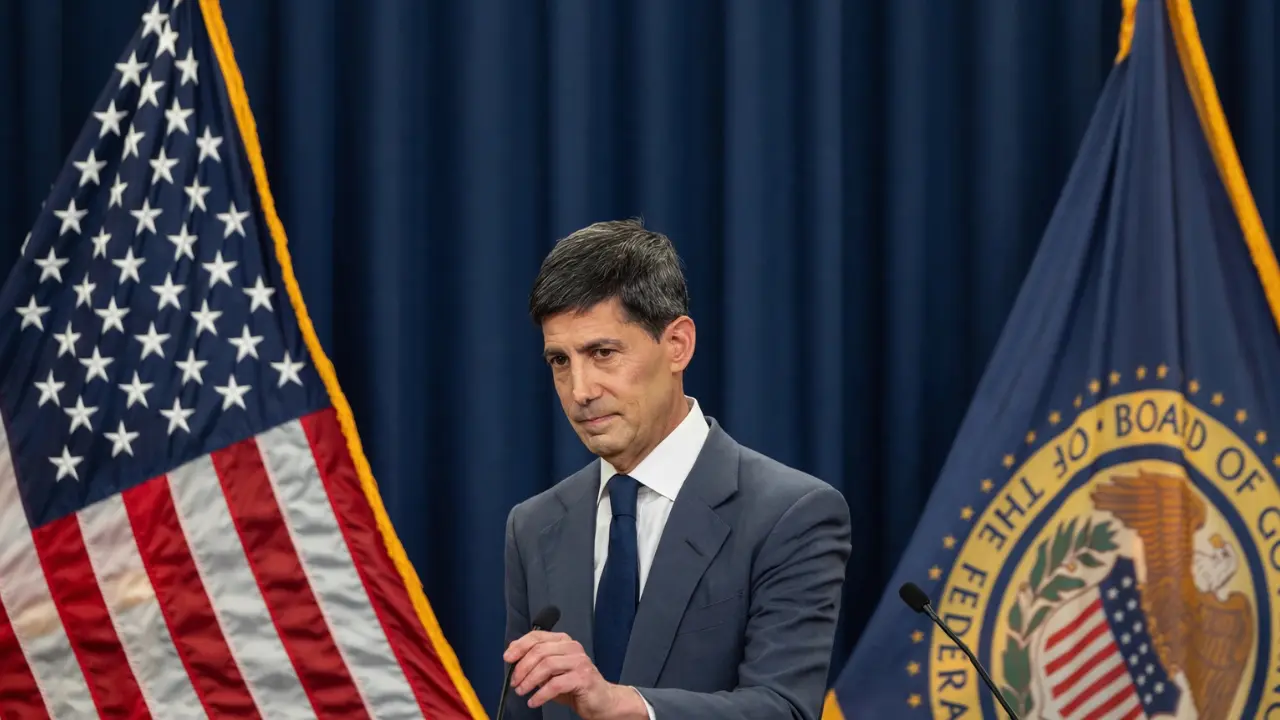
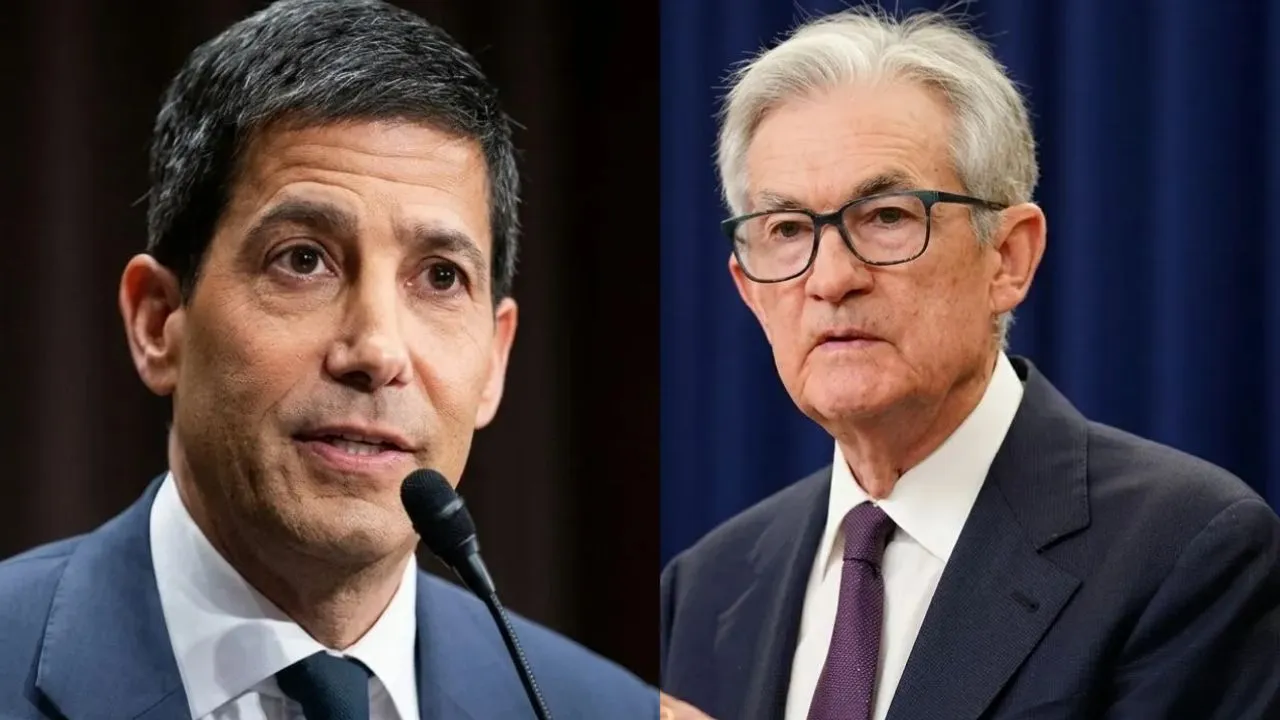
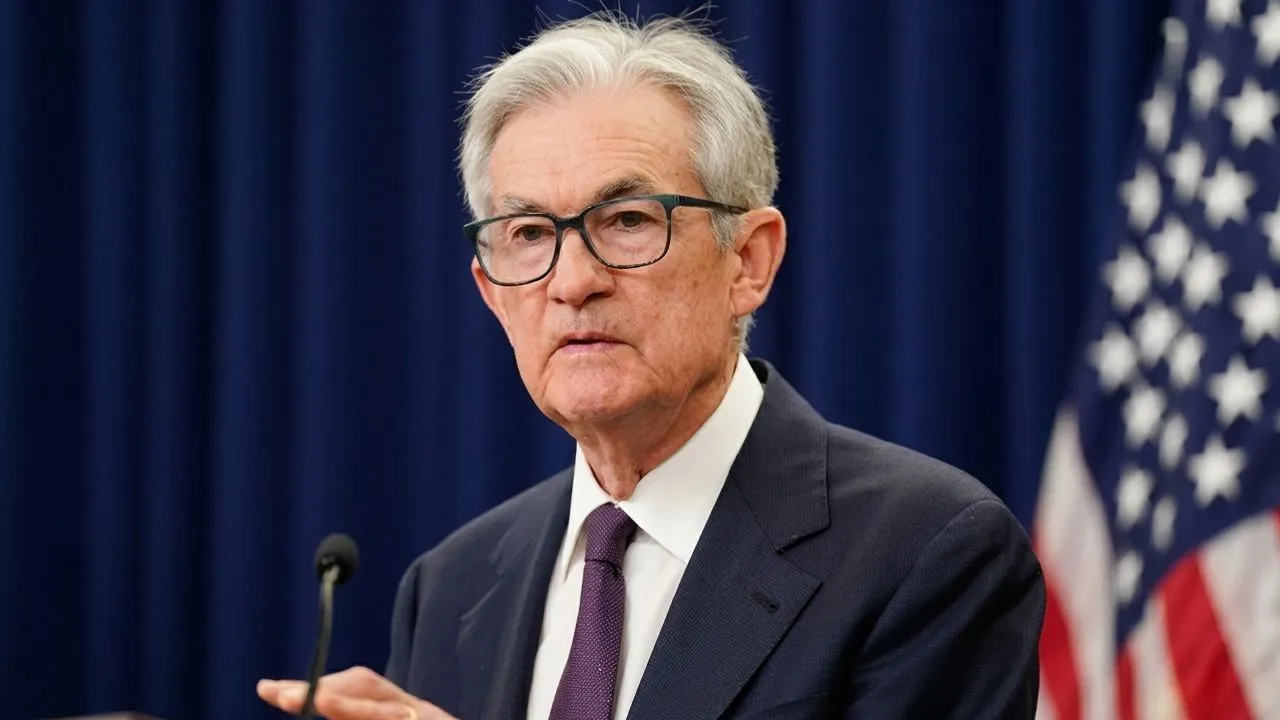
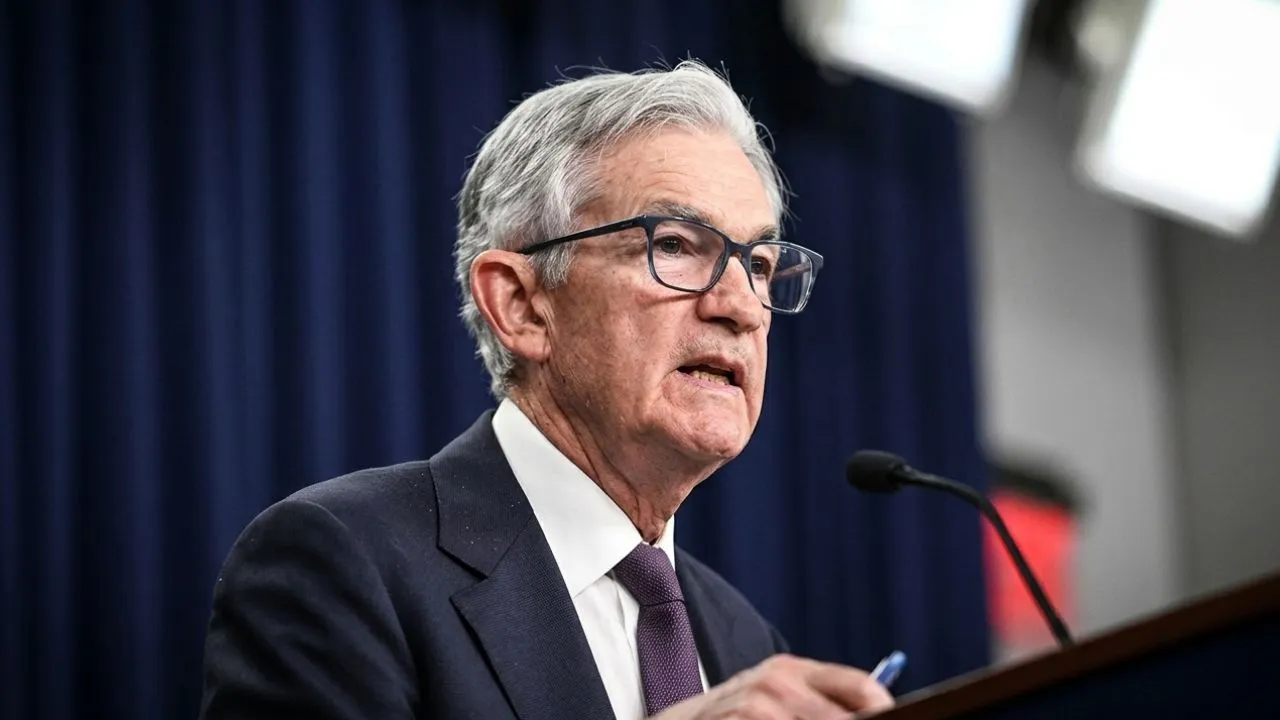
Federal Reserve Chair Kevin Warsh, now leading his second meeting since taking over the role in May 2026, has been consistent about his top priority: getting inflation back down to the Fed’s 2% target.
Testifying before Congress earlier this month, Warsh told lawmakers that high inflation has been an undue burden on American households and businesses, and that the committee has no tolerance for persistently elevated inflation.
That language matters because it signals a chair who leans toward keeping rates higher for longer rather than cutting early. Compared with his predecessor, Warsh appears less willing to move rates down simply because growth is slowing. He has also been notably guarded about offering hints on future policy, which is a deliberate change in style.
Economists watching his second press conference noted that Warsh has pledged to share less forward guidance than prior Fed chairs, making each meeting statement more important to parse carefully. For more background on this shift in leadership, see Warsh’s rate policy.
What Happens After a Federal Reserve Interest Rate Decision?
A Fed decision doesn’t change your bank account or mortgage rate overnight. Instead, it moves through the financial system in stages. First, the federal funds rate itself shifts, which is the rate banks charge each other for short-term, overnight loans. From there, the prime rate, which many bank products are tied to, adjusts within a day or two.
Consumer products follow at different speeds. Some credit cards adjust within one or two billing cycles because they carry variable rates directly tied to the prime rate. Savings accounts and CDs usually adjust more slowly, at each bank’s own discretion.
Longer-term products, like fixed mortgages, are influenced less by the federal funds rate itself and more by Treasury yields, which react to what investors expect the Fed to do in the future rather than what it just did.
That’s why a “hold” decision, like today’s, often produces smaller and slower ripple effects than an actual rate change would. Understanding this transmission chain is one of the fastest ways to make sense of everyday headlines about the Fed’s rate decision.
How the Decision Affects Mortgage Rates
Because the Fed held rates steady, mortgage rates are unlikely to move sharply in the days immediately following the announcement. Fixed mortgage rates track the 10-year Treasury yield more closely than the federal funds rate itself, and that yield already reflects months of expectations that the Fed would stay cautious.
Adjustable-rate mortgages (ARMs) are more directly linked to short-term benchmarks, so those borrowers will see effectively no change from today’s decision, though their rates could shift meaningfully if the Fed hikes in September instead.
For homeowners weighing whether to refinance, the calculation hasn’t changed dramatically today. If your current rate is well above where new loans are pricing, a refinance may still make sense regardless of what the Fed does next.
But if you’re hoping for a meaningfully lower rate, today’s hold means that relief likely won’t arrive before the next meeting, and could be delayed further if inflation forces the Fed’s hand. See the full breakdown in mortgage rate impact.
How Savings Accounts, CDs and Money Market Funds Could Change
Savers benefit the most from a Fed that holds rates high, and today’s decision means that benefit continues for now. High-yield savings accounts and money market funds, both of which move fairly quickly with Fed policy, should stay roughly where they’ve been.
Banks tend to be slower to cut savings yields than they are to raise them, so even if the Fed eventually pivots, existing savers may see a gradual decline rather than a sudden one.
CD rates are worth watching closely right now. Because CDs lock in a rate for a fixed term, today’s environment, where a September hike is still very much in play, makes shorter-term CDs more attractive than locking into a long-term CD at today’s rate.
If the Fed does raise rates in September, new CDs issued after that point could offer better returns than those issued today. More detail is available in the savings rate breakdown.
How Credit Card Interest Rates Could Change
Credit card APRs are among the fastest-moving consumer rates tied to Fed policy, but only when the Fed actually changes its target range. Because rates held steady today, most variable-rate credit cards will see no change in the next billing cycle tied specifically to this decision. Cardholders carrying a balance should not expect relief, since rates remain at multi-year highs.
The bigger risk for cardholders is what happens in September. If the Fed raises rates in response to persistent inflation, credit card APRs, which are among the quickest to reprice, would likely rise within one to two billing cycles of that announcement.
Anyone currently carrying revolving debt should treat today’s hold as a window to pay down balances before a possible increase, not a signal that relief is coming soon. Learn more in credit card APR effects.
What the Decision Means for Auto Loans and Student Loans
Auto loan rates are influenced by both the federal funds rate and the borrower’s individual credit profile, and they typically follow the same gradual pattern as credit cards, moving only when the Fed itself moves.
With rates held steady, new car loan pricing should stay roughly consistent with recent months, though auto lenders also factor in vehicle supply and demand, which can move rates independently of the Fed.
Federal student loans carry fixed rates set annually by Congress based on Treasury auction results, so today’s Fed decision has no immediate effect on existing federal loan rates. Private student loans with variable rates behave more like credit cards and would only shift meaningfully if the Fed changes its target range at a future meeting.
How Treasury Yields React to Federal Reserve Decisions
Treasury yields often move before a Fed decision is even announced, because bond markets price in expectations ahead of time. In the run-up to this meeting, the 10-year Treasury yield had already climbed toward the 4.6% range as investors priced in a lower chance of near-term rate cuts and a real possibility of a September hike.
A “hold” decision that matches expectations typically produces only modest yield movement immediately afterward, since the surprise, if any, comes from the vote count and the chair’s tone rather than the headline decision itself.
The unusually large number of dissents in favor of a hike is the kind of detail that can move yields more than the rate decision itself, because it suggests the committee’s center of gravity may be shifting toward tightening. For a deeper look at how this connects to your own finances, see Treasury yields and their downstream effects.
How the Stock Market Typically Responds
Stock markets tend to react to the surprise element of a Fed decision, not the decision itself. Since today’s hold matched what most economists expected, the initial market reaction is likely to be driven by Chair Warsh’s press conference tone and the details of the vote split, rather than the headline outcome.
A more hawkish tone, paired with three dissents favoring a hike, can weigh on rate-sensitive sectors like technology and growth stocks, which had already been under pressure heading into this meeting.
Historically, sectors like utilities, financials, and consumer staples tend to be less sensitive to short-term rate uncertainty than high-growth technology names, which rely more heavily on future earnings that lose value when rates stay elevated for longer. Investors should expect continued volatility heading into the September meeting rather than a single decisive move from today’s announcement.
What the Decision Means for Inflation
Inflation remains the central issue driving every Fed decision this year. While the annual rate improved from May’s multi-year high, it remains meaningfully above the Fed’s long-standing 2% target.
Officials have also raised their internal inflation projections for the year, reflecting concern that energy-driven price pressure could prove more persistent than initially expected.
The Consumer Price Index (CPI) and the Personal Consumption Expenditures (PCE) index, the Fed’s preferred inflation gauge, both come from data published by the Bureau of Labor Statistics and the Bureau of Economic Analysis.
When these figures diverge from Fed expectations, it often shapes the tone of the next meeting more than any single data point could on its own. Readers wanting the full picture of how these two measures differ can review inflation data outlook.
What the Decision Means for the U.S. Economy
Beyond interest rates, today’s decision reflects the Fed’s broader read on the economy. Growth has been moderating but has not collapsed, unemployment has stayed relatively resilient, and consumer spending has held up despite higher borrowing costs. Business investment has softened somewhat, particularly in sectors sensitive to financing costs, but has not signaled a recession is imminent.
This balance, an economy that is slowing but not breaking, is exactly the kind of environment where a divided Fed makes the most sense. If growth were clearly weakening, dissents in favor of a hike would be far less likely.
If inflation were clearly under control, a hold would carry little controversy at all. The current split reflects genuine uncertainty about which risk deserves more weight right now.
Will the Federal Reserve Cut Interest Rates This Year?
Based on today’s decision and the surrounding commentary, a rate cut in 2026 looks increasingly unlikely. Market pricing ahead of the July meeting reflected growing odds of a hike rather than a cut, and the number of dissents favoring higher rates reinforces that shift.
Many forecasters who expected one or two cuts earlier in the year have since pushed those expectations back, with some now questioning whether any cut will happen before 2027.
The September meeting, which includes a fresh Summary of Economic Projections and dot plot, will be the next major test of this question. Until then, the most reliable signals will come from incoming CPI and jobs reports rather than anything the Fed says between meetings. For ongoing tracking, see rate hike odds heading into that decision.
When Is the Next FOMC Meeting?
The next Federal Open Market Committee meeting is scheduled for September 15–16, 2026, with the policy announcement expected on September 16 at 2:00 p.m. Eastern Time, followed by Chair Warsh’s press conference at 2:30 p.m. ET.
This meeting will include the Summary of Economic Projections, giving the public its first updated look since June at how individual Fed officials see rates, growth, and inflation evolving through the rest of 2026 and into 2027. You can find the full official calendar directly from the Federal Reserve’s schedule.
Given the dissents recorded at this meeting, September carries real weight. If incoming inflation data stays sticky, a hike becomes more likely. If inflation continues easing as it did between May and June, the Fed may extend its holding pattern into the fall.
What Consumers Should Do After the Decision
Borrowers carrying variable-rate debt, especially credit cards, should treat today’s hold as a window to pay down balances before borrowing costs potentially rise again in September. Savers can continue benefiting from today’s elevated savings and money market yields, though locking into long-term CDs right now carries some opportunity cost if rates rise later this year.
Investors should expect continued volatility tied to incoming inflation data and September’s meeting rather than a single dramatic reaction to today’s hold. Homebuyers weighing a purchase or refinance should focus on their personal financial timeline rather than trying to perfectly time the next Fed move, since mortgage rates are shaped by many forces beyond the federal funds rate alone.
Retirees and those on fixed incomes should watch inflation data closely, since persistent price pressure directly affects both purchasing power and how future Social Security cost-of-living adjustments are calculated. This connects closely to the COLA estimate many retirees are already tracking for next year.
Every part of this decision, from the vote count to the chair’s tone, ultimately connects back to how money physically moves through the American financial system, from the Fed’s own balance sheet down to your bank account. For the full picture of how that plumbing works, see the U.S. money movement system overview.
Does the Fed control mortgage rates?
Not directly. The Federal Reserve sets the federal funds rate, which is a short-term rate for overnight lending between banks. Fixed mortgage rates are driven mainly by long-term Treasury yields, which reflect investor expectations about future Fed policy, inflation, and economic growth rather than the current federal funds rate itself.
That’s why mortgage rates sometimes move in the opposite direction of a Fed decision, or don’t move at all when a decision matches what markets already expected. Adjustable-rate mortgages are more directly tied to short-term benchmarks and respond more quickly to actual Fed rate changes than fixed-rate loans do.
Does the Fed control savings account rates?
The Fed doesn’t set savings account rates directly, but its policy strongly influences them. Banks adjust the interest they pay on savings accounts and CDs based partly on the federal funds rate and partly on competitive pressure from other banks and money market funds.
When the Fed holds rates high, banks generally have room to keep savings yields elevated, though each institution ultimately decides its own rates based on its funding needs and deposit competition in its local and national market.
How long before banks change rates after a Fed decision?
Timing varies by product. Variable-rate credit cards tied to the prime rate typically adjust within one to two billing cycles after an actual Fed rate change. Savings accounts and CDs can take anywhere from a few days to several weeks, since banks are not required to move in lockstep with the Fed.
Mortgage rates can shift within days of a decision, but this is driven more by Treasury yield movements than the Fed announcement itself, especially when the Fed simply holds rates steady as it did this meeting.
Does this affect Social Security?
Not directly, but indirectly, yes. The Fed doesn’t set Social Security benefits, but its success or failure in controlling inflation directly shapes the annual cost-of-living adjustment (COLA), which is calculated using inflation data from the Bureau of Labor Statistics.
If inflation stays elevated because of persistent energy price pressure, next year’s COLA could end up higher than originally projected, which is both good news for benefit amounts and a signal that overall living costs remain a burden for retirees on fixed incomes.
Does this affect taxes?
The Fed’s interest rate decisions don’t change federal tax rates or brackets, which are set by Congress and adjusted annually for inflation by the IRS. However, higher interest rates can affect taxable interest income from savings accounts, CDs, and Treasury securities, meaning savers earning more interest income may see a modest increase in what they owe when filing.
Rate decisions also indirectly affect the IRS’s own interest rate on refunds and underpayments, which is tied to short-term rates set partly in response to Fed policy.
What is the federal funds rate?
The federal funds rate is the interest rate banks charge one another for short-term, overnight loans needed to meet reserve requirements.
The Federal Reserve doesn’t set this rate directly but instead sets a target range, currently 3.50% to 3.75%, and uses tools like reserve balances and its administered rates to keep actual bank-to-bank lending within that range. This rate serves as the foundation for a wide range of other borrowing costs across the entire U.S. economy.
What is the FOMC?
The Federal Open Market Committee, or FOMC, is the 12-member body within the Federal Reserve System responsible for setting U.S. monetary policy, including the federal funds rate target.
It includes the seven members of the Federal Reserve Board of Governors, the president of the Federal Reserve Bank of New York, and four other regional Fed bank presidents who serve on a rotating basis. The FOMC meets eight times a year on a pre-scheduled basis to review economic data and vote on policy.
Why doesn’t the Fed simply cut rates to help the economy?
Cutting rates too soon risks reigniting inflation, which erodes purchasing power for everyone, especially lower-income households and people on fixed incomes. The Fed’s dual mandate requires it to balance maximum employment with stable prices, and when inflation is running meaningfully above its 2% target, as it is now, the Fed generally prioritizes price stability first.
Cutting prematurely could also force the Fed to reverse course and hike rates again later, which tends to be more economically disruptive than staying patient.
Can interest rates change between scheduled FOMC meetings?
Yes, though it’s rare. The Fed can hold emergency meetings and change rates outside its normal schedule during severe economic shocks, as it did during the 2008 financial crisis and the early days of the COVID-19 pandemic.
Outside of genuine emergencies, the Fed sticks to its eight regularly scheduled meetings per year, giving markets, businesses, and consumers a predictable calendar to plan around rather than facing surprise policy shifts.
How often does the Fed meet to decide on interest rates?
The FOMC meets eight times per year, roughly every six to eight weeks, to review economic conditions and vote on interest rate policy.
Four of these meetings, held in March, June, September, and December, include a Summary of Economic Projections with an updated dot plot showing where individual Fed officials expect rates to go. The remaining four meetings can still result in rate changes, but they don’t come with new economic projections.
What is a neutral interest rate?
A neutral interest rate is the theoretical rate that neither stimulates nor restricts economic growth, keeping the economy in balance while inflation stays stable near the Fed’s target. Because this rate can’t be directly observed, it’s estimated using economic models, and Fed officials often disagree on where it currently sits.
When rates are held above the estimated neutral level, as they are now, policy is generally considered restrictive, meaning it’s intentionally working to slow growth and cool inflation.
What is quantitative tightening?
Quantitative tightening, or QT, is the process by which the Federal Reserve reduces the size of its balance sheet by allowing Treasury and mortgage-backed securities to mature without reinvesting the proceeds.
This gradually removes liquidity from the financial system, working alongside interest rate policy to tighten overall financial conditions. QT tends to put modest upward pressure on longer-term yields, complementing the Fed’s rate decisions in its broader effort to control inflation.
What happens if inflation rises again after this decision?
If inflation reaccelerates, particularly due to continued energy price pressure from geopolitical tension, the Fed would likely feel pressure to raise rates at a future meeting, potentially as soon as September.
Given that three officials already favored a hike at this meeting, renewed inflationary pressure would likely tip the committee’s balance further toward tightening rather than holding steady, especially if the increase shows up broadly across the economy rather than in energy prices alone.
What happens if unemployment rises significantly?
A meaningful rise in unemployment would complicate the Fed’s decision-making considerably, since its dual mandate requires balancing price stability with maximum employment. If job losses accelerated while inflation remained elevated, the Fed would face a genuinely difficult tradeoff between supporting the labor market and continuing to fight inflation.
Historically, the Fed has leaned toward supporting employment once labor market weakness becomes clear and sustained, rather than continuing to prioritize inflation alone.
Where can I read the Federal Reserve’s official policy statement?
The full policy statement, along with the vote breakdown and any dissents, is published directly on the Federal Reserve’s website immediately following each meeting.
This is the most reliable source for the exact wording used by the committee, since news coverage sometimes paraphrases or summarizes language in ways that can shift emphasis. The Fed also releases detailed meeting minutes three weeks after each decision, offering a more complete look at the discussion behind the vote.
The Bottom Line
Today’s decision keeps the federal funds rate at 3.50% to 3.75%, marking a fifth straight hold, but the unusually high number of dissents in favor of a hike signals genuine division within the Fed about what comes next.
Inflation has improved slightly since May’s spike but remains above target, and energy prices tied to ongoing geopolitical tension continue to cloud the outlook.
For most consumers, that means mortgage, savings, and credit card rates should stay roughly where they are for now, though borrowers with variable-rate debt should treat the next several weeks as a window to prepare for a possible increase.
The real test comes at the September 15–16 meeting, when a fresh set of economic projections and incoming inflation data will determine whether the Fed continues holding steady or finally moves in response to persistent price pressure.