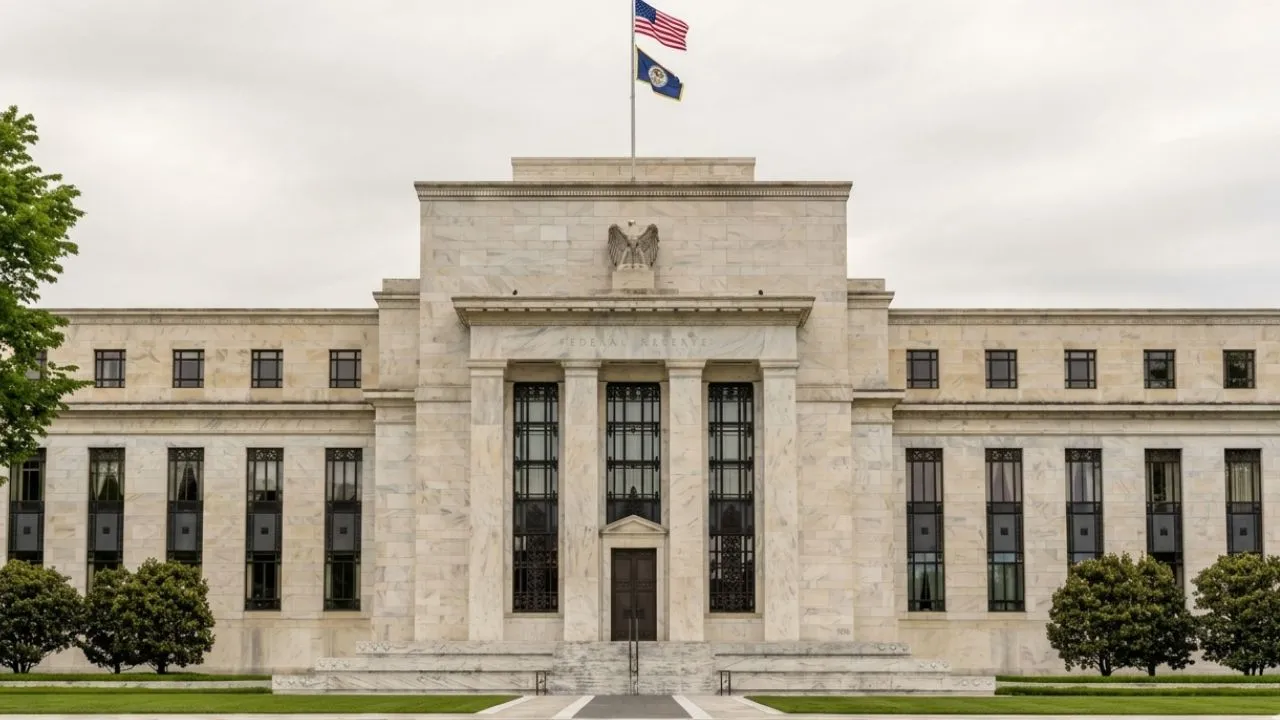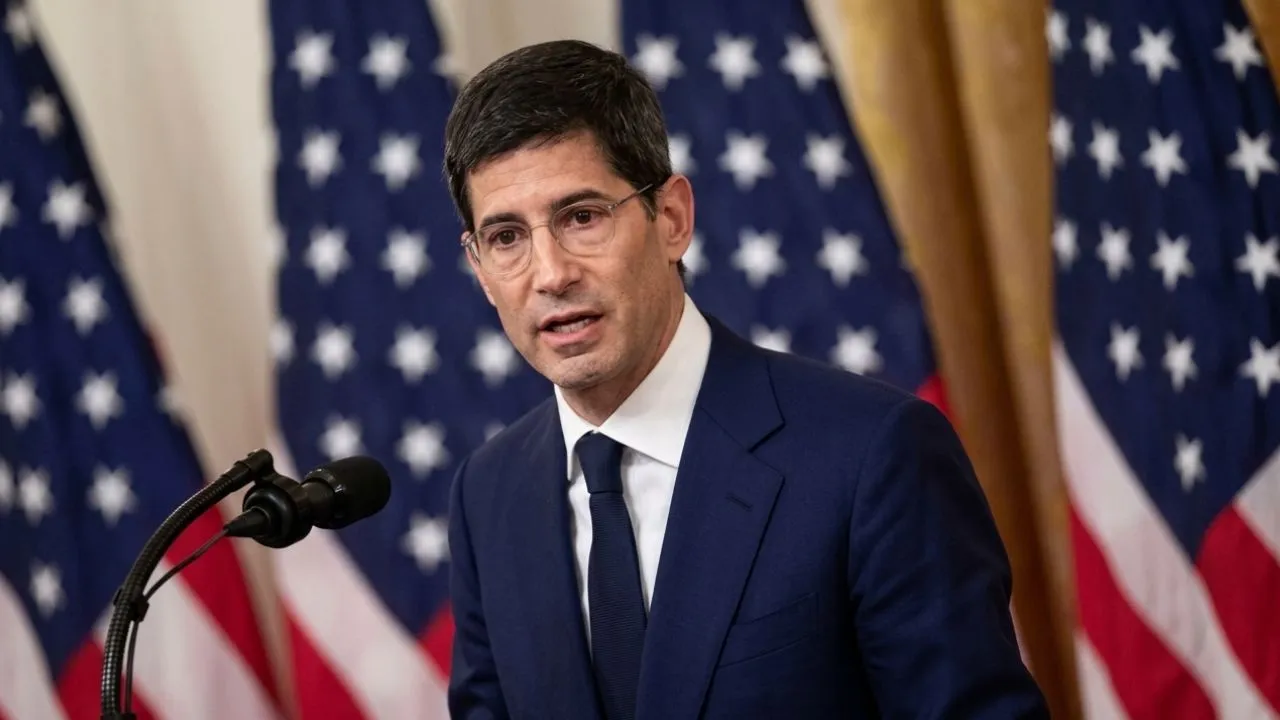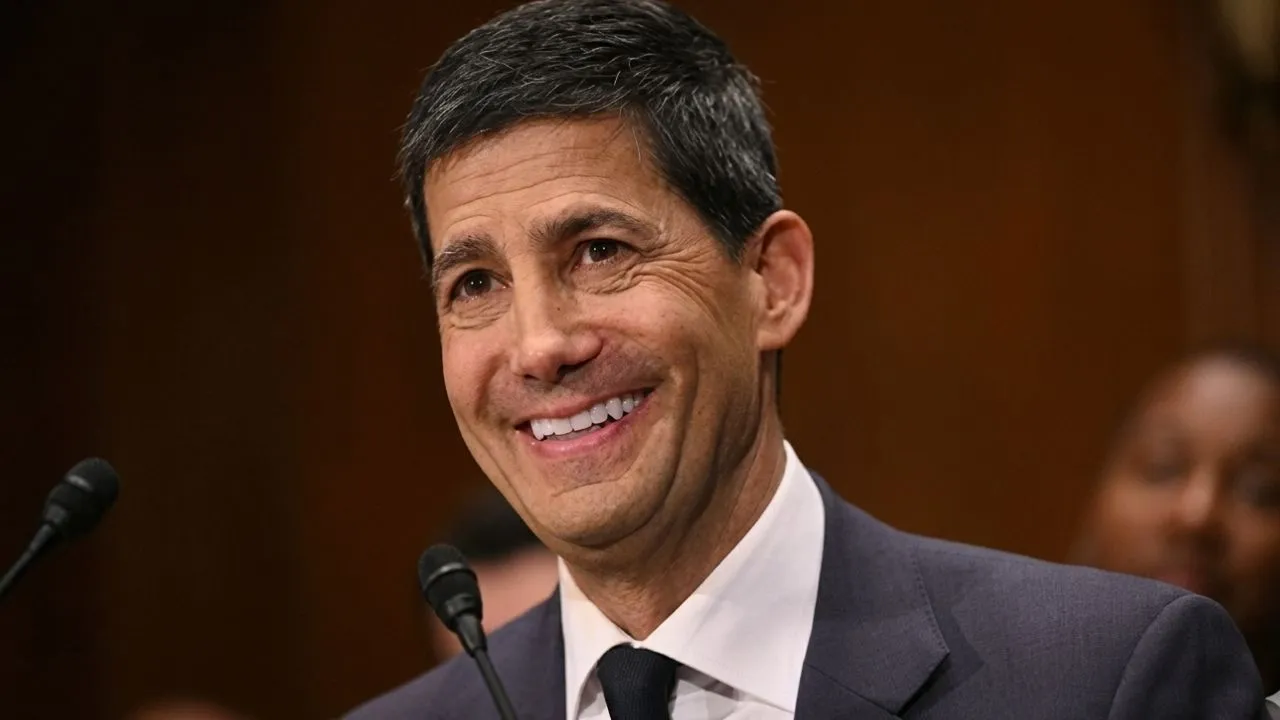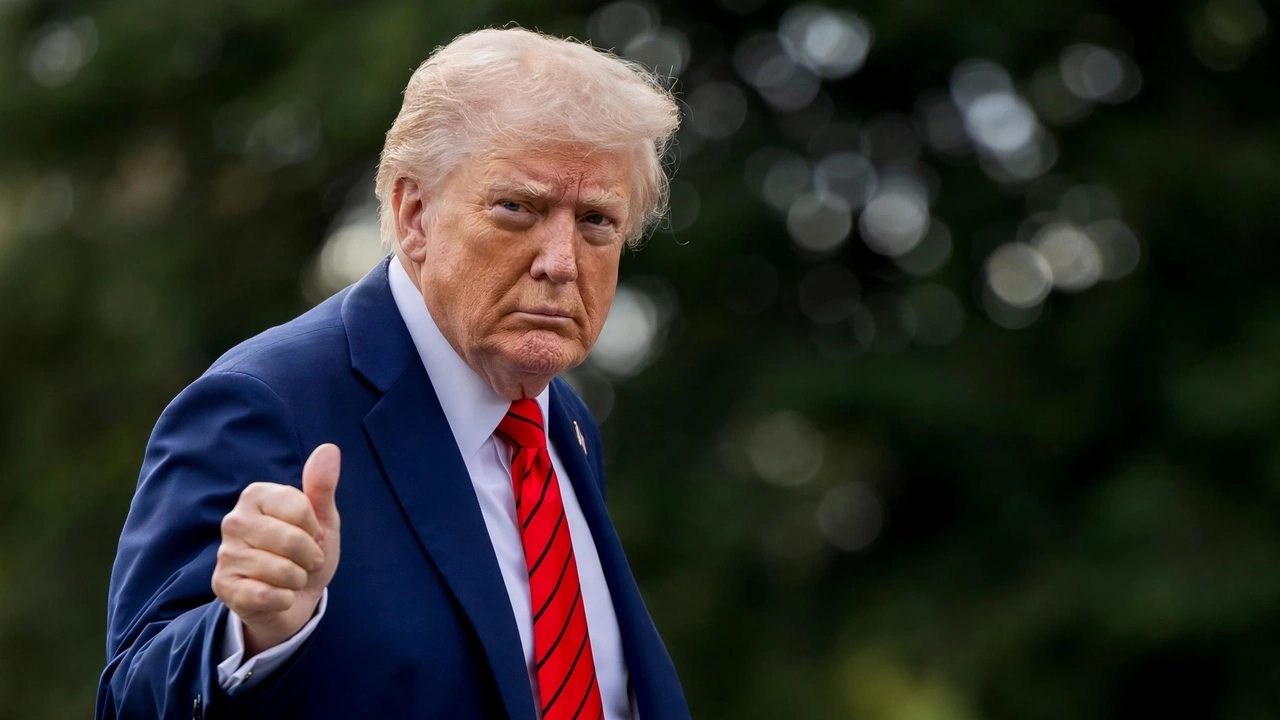

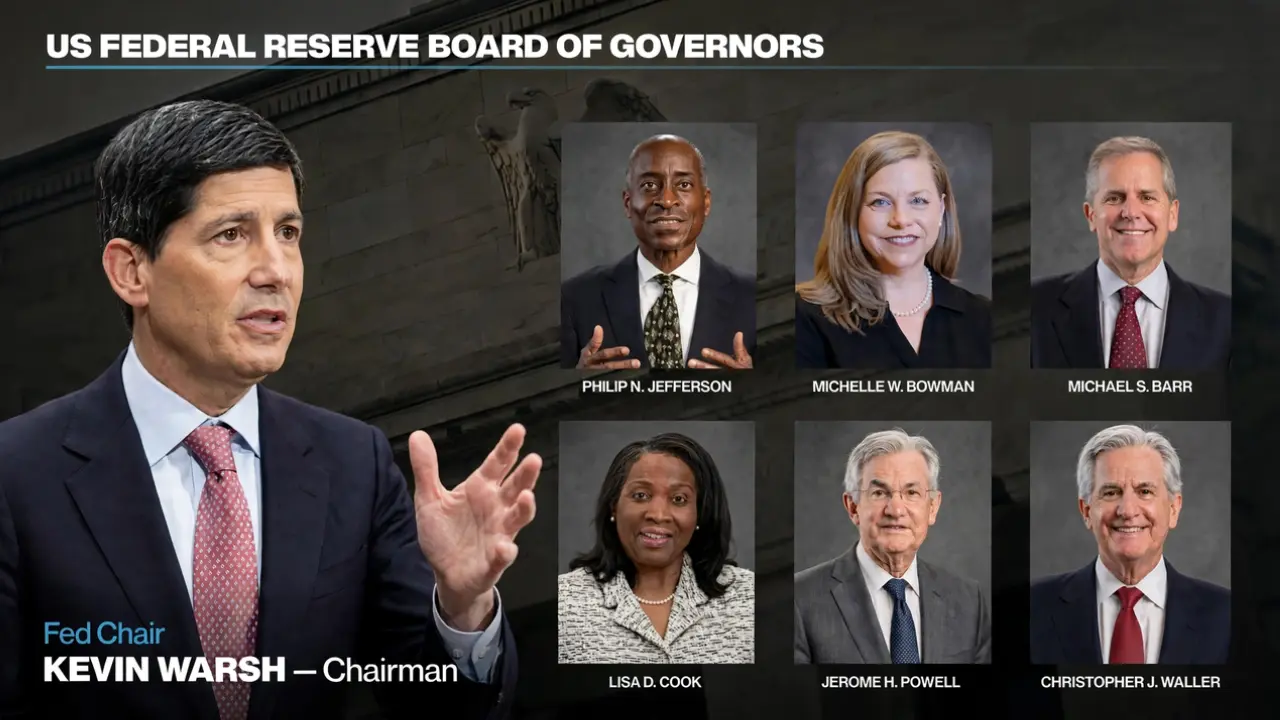
This guide reflects the Federal Reserve Board of Governors as confirmed as of late May 2026. The Board is currently at full strength with seven members, led by Chairman Kevin Warsh. The Federal Reserve Board of Governors is the seven-member body that runs the Federal Reserve System and sets the direction of U.S. monetary policy.
Each Federal Reserve Governors is nominated by the President and confirmed by the Senate to a term that can run up to fourteen years, and all seven sit on the Federal Open Market Committee, the group that actually votes on interest rate decisions that ripple through mortgages, savings accounts, and the broader money movement system.
Board of Governors of the Federal Reserve System
Swipe to explore members. Tap a card to view term, appointment & voting status.
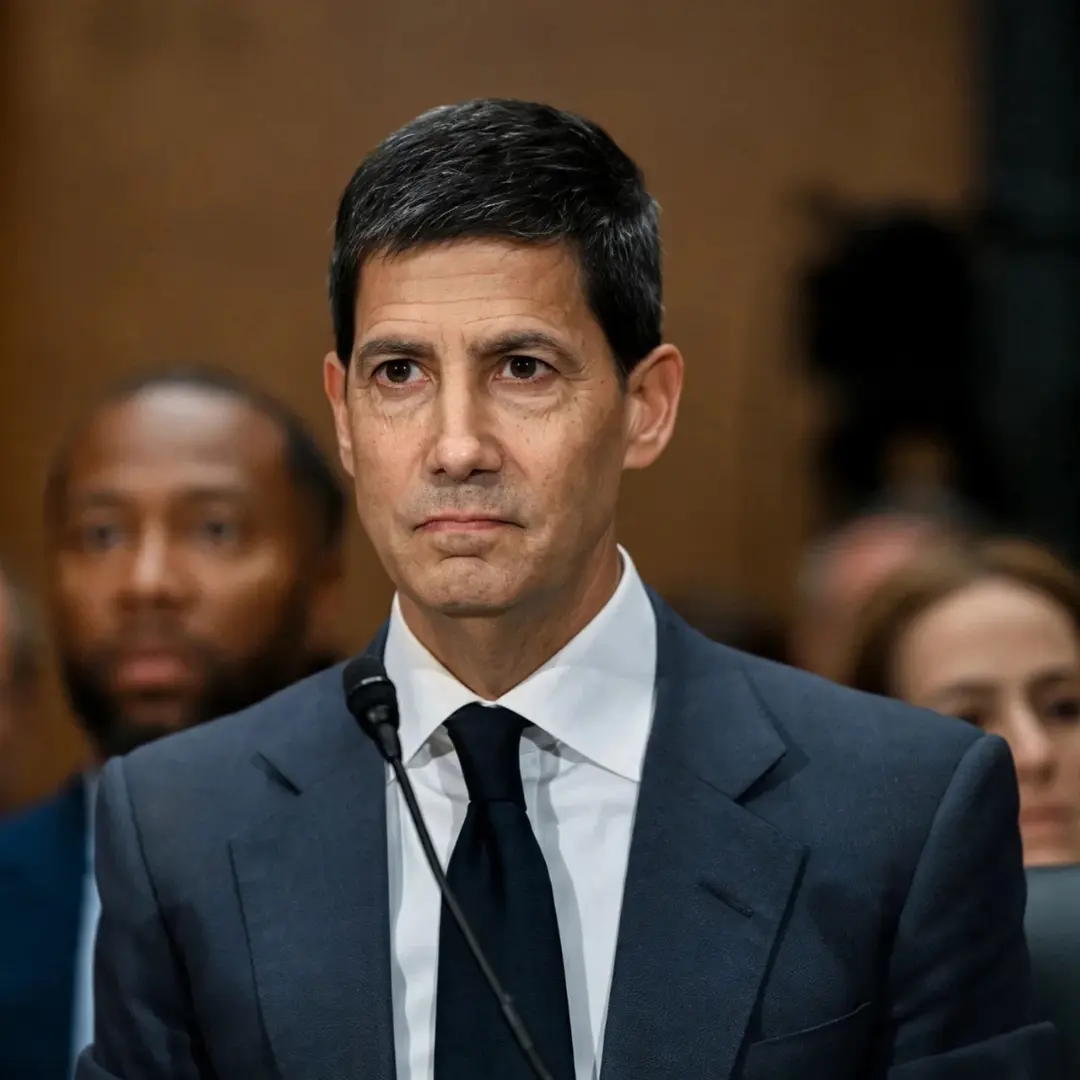
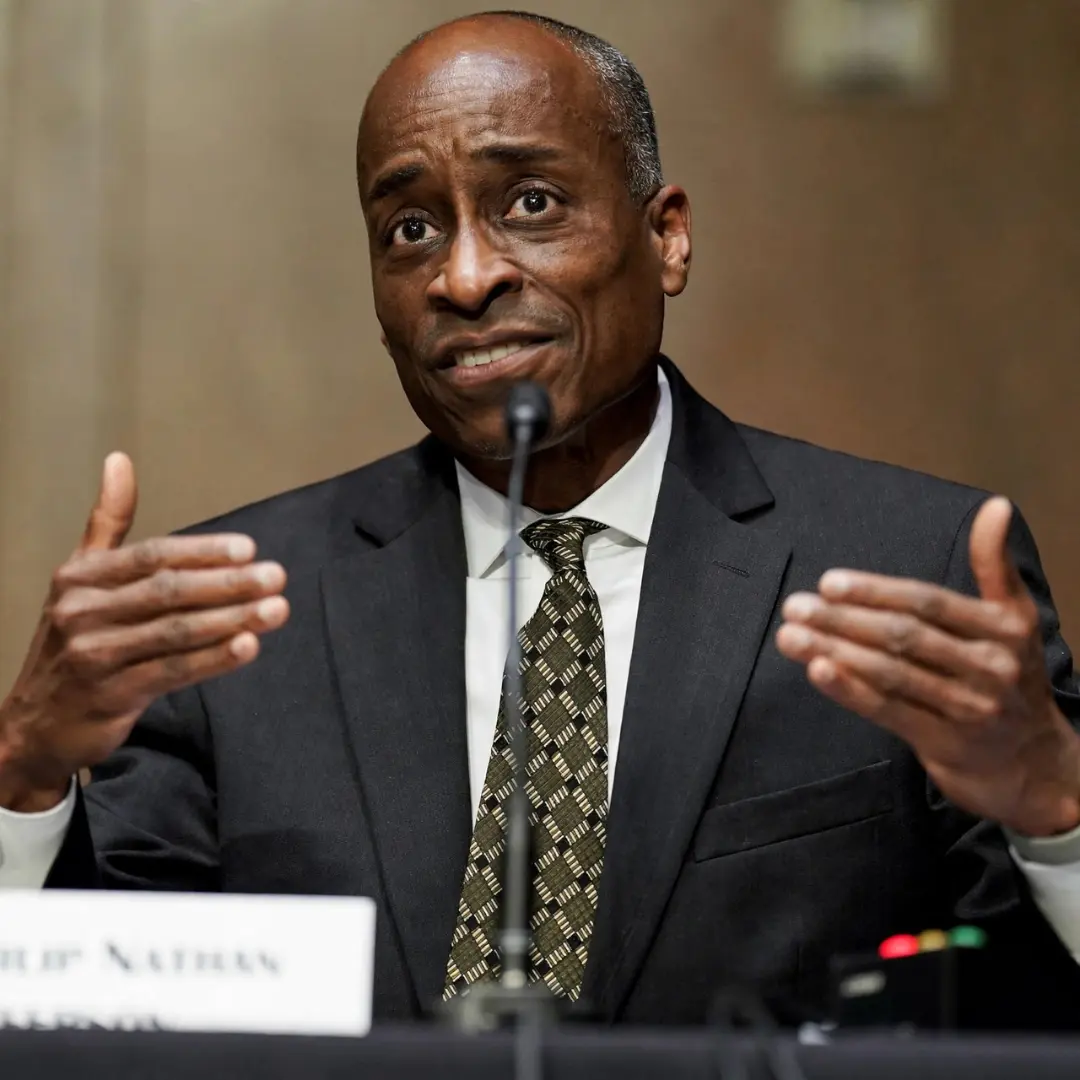

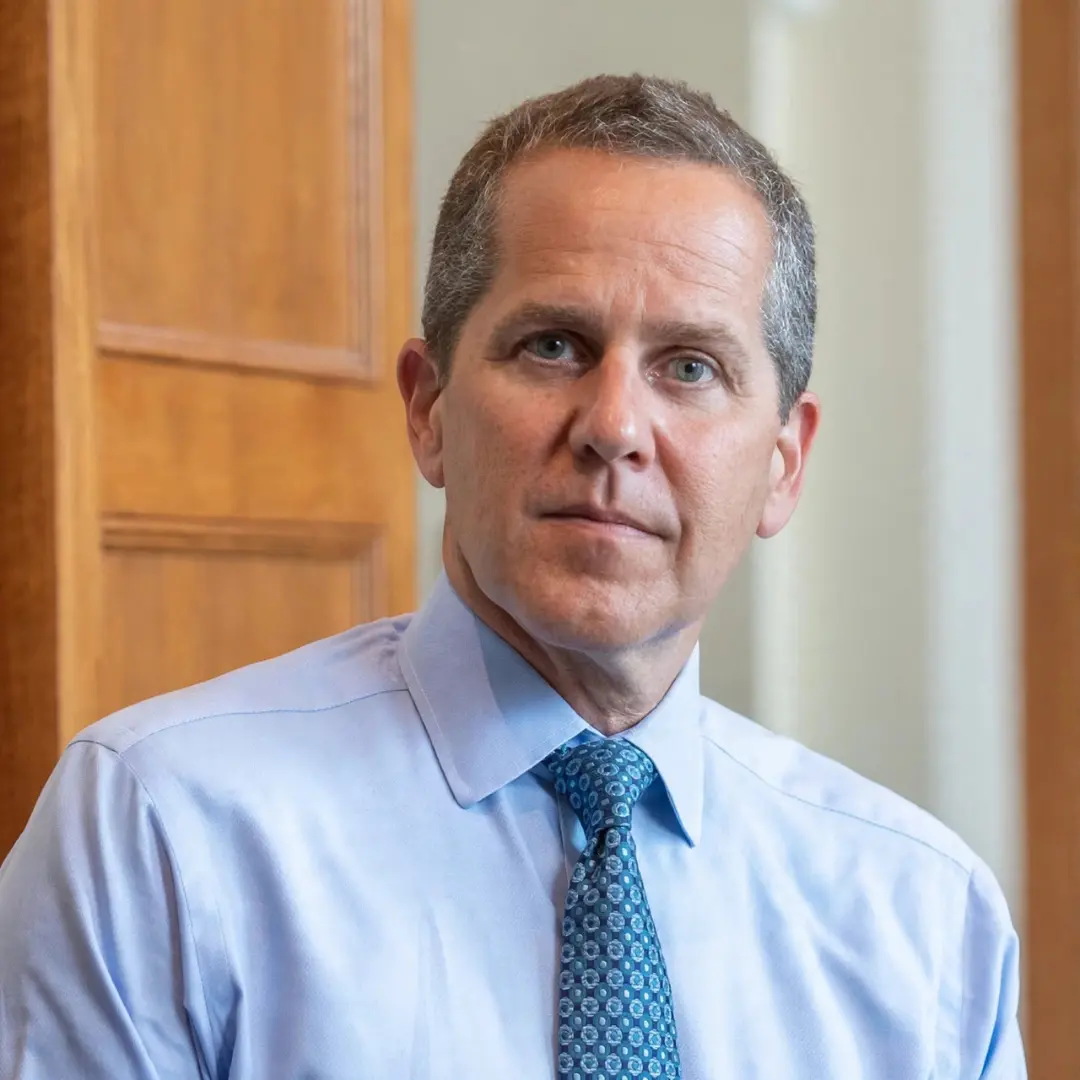
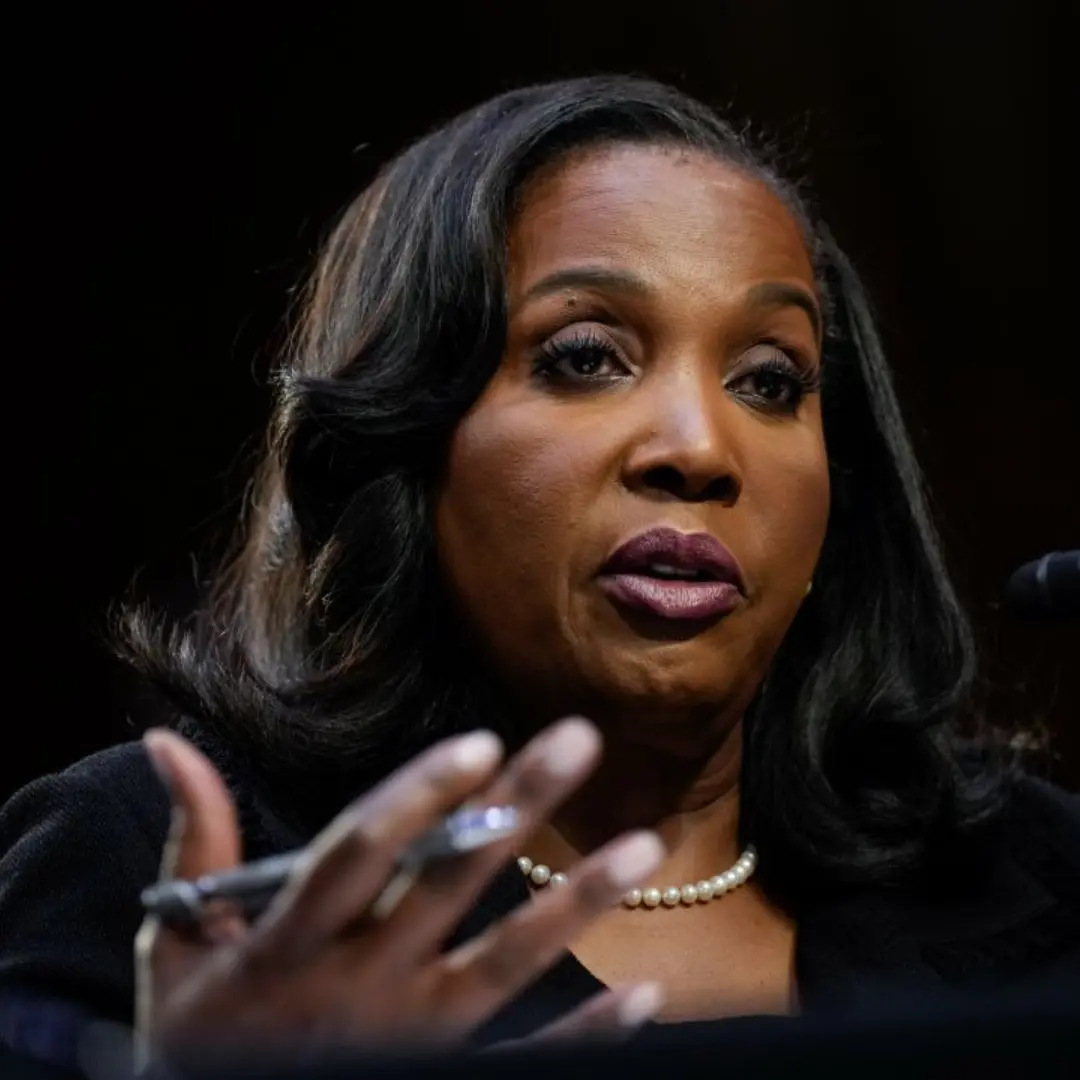
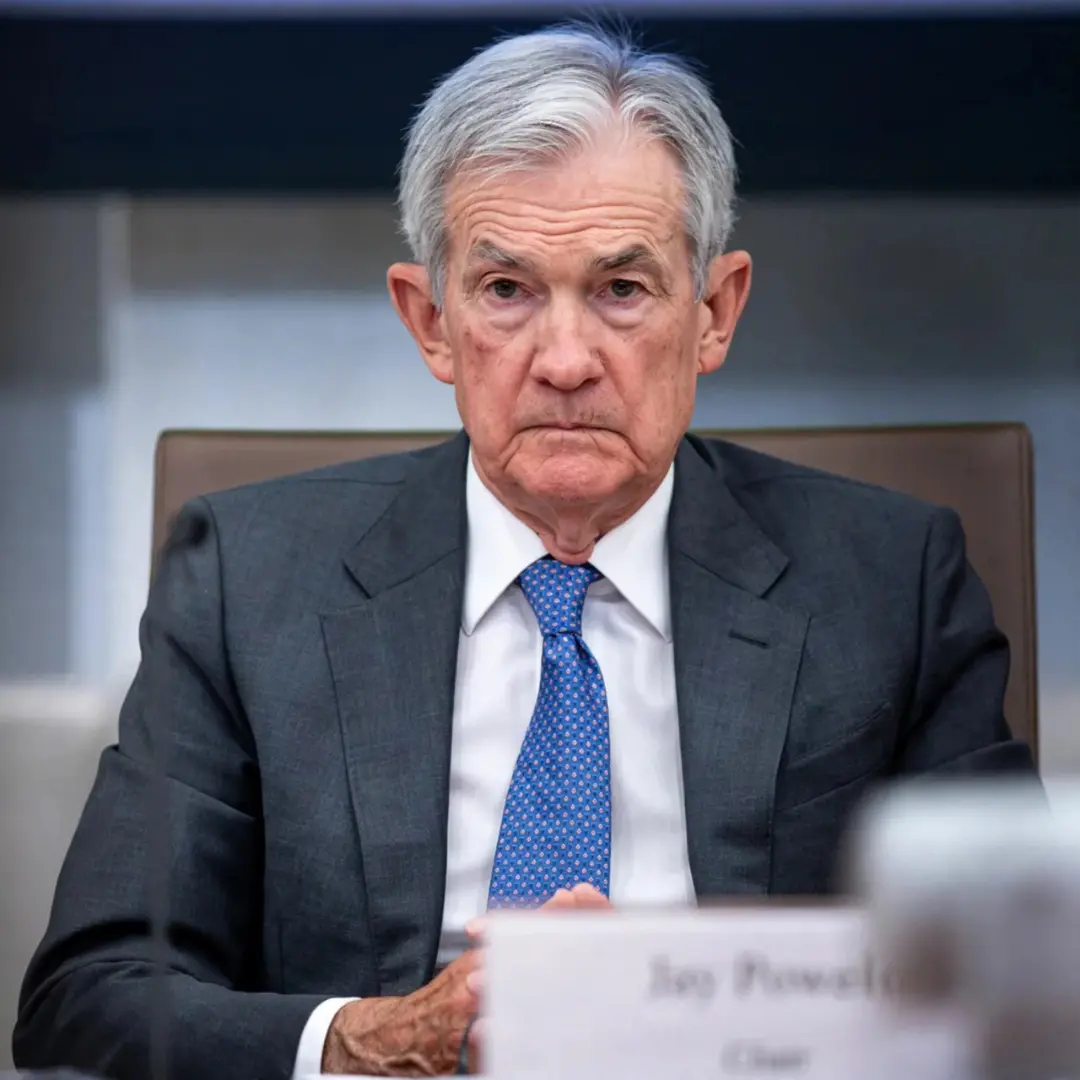

Who currently sits on the Board of Governors
As of late May 2026, the Board of Governors is at its full authorized strength with seven confirmed members. Kevin Warsh serves as chairman after being confirmed by the Senate on May 13, 2026, and sworn into office on May 22, 2026, succeeding Jerome Powell. Before becoming chair, Warsh was confirmed to a new term as a governor on May 12, 2026. He previously served on the Board of Governors from 2006 to 2011.
Philip N. Jefferson continues to serve as vice chair, with his current term in that leadership position running through 2027. Michelle W. Bowman serves as vice chair for supervision after being confirmed to the role in 2025, where she oversees the Federal Reserve’s bank supervision and regulatory policy. Michael S. Barr remains a member of the Board as a governor after previously serving as vice chair for supervision.
The remaining governors are Lisa D. Cook, Jerome H. Powell, and Christopher J. Waller. Although Powell’s term as chair ended when Warsh assumed the position in May 2026, he continues to serve on the Board as a governor because his Senate-confirmed governor term has not expired.
This arrangement, in which a former Federal Reserve chair remains on the Board as a governor after a new chair takes office, is uncommon but has historical precedent. The position of chair is a separate designation from a governor’s underlying Board seat, meaning a governor may continue serving on the Board after leaving the chairmanship as long as the individual’s governor term remains in effect.
What a governor actually does
Each governor holds a full-time, Senate-confirmed position with a wide range of responsibilities beyond simply voting on interest rates. Governors help set the discount rate charged to banks borrowing directly from the Fed, establish reserve requirements, and oversee bank supervision and regulation, working closely with the Vice Chair for Supervision on issues ranging from capital requirements to consumer protection rules.
Governors also represent the Federal Reserve in testimony before Congress, in international discussions with other central banks, and in public communication intended to explain monetary policy decisions to markets and the public.
Unlike the presidents of the twelve regional Federal Reserve Banks, who are selected by their own regional boards of directors rather than the President and Senate, governors are federal government officials in every formal sense: nominated by the President, confirmed by the Senate, and subject to the same conflict-of-interest and ethics rules that apply to other senior federal appointees.
How governors are nominated and confirmed
The nomination process begins with the President selecting a candidate for an open Board seat, typically drawing from economists, former Treasury officials, regional Fed presidents, or academics with monetary policy expertise. The nomination then goes to the Senate Banking Committee, which holds a confirmation hearing before the full Senate votes. A simple majority is required for confirmation.
Full governor terms run fourteen years and are staggered so that one term expires every two years, on January 31 of even-numbered years. This staggering was deliberately designed by Congress to prevent any single President from reshaping the entire Board during one term in office, and to insulate monetary policy from short-term political pressure.
In practice, governors frequently do not serve their full fourteen-year term; many resign before completion to pursue other opportunities, which creates partial-term vacancies that a new nominee then fills for the remainder of that original term before potentially being renominated to a full term of their own.
The chair and vice chair positions are separate four-year designations, distinct from the underlying fourteen-year governor term. A sitting governor can be designated chair or vice chair by the President, subject to Senate confirmation for that specific role, without necessarily starting a new governor term. This is exactly the mechanism that allowed Kevin Warsh to become chair in May 2026 while holding a separate, newly confirmed governor term running through January 2040.
Governors versus regional Reserve Bank presidents
A common point of confusion is the difference between the Board of Governors and the twelve regional Federal Reserve Bank presidents, such as the presidents of the New York, Chicago, or Dallas Fed. Governors are federal officials confirmed by the Senate and based in Washington, D.C., overseeing the Federal Reserve System as a whole.
Regional Reserve Bank presidents are selected by their own bank’s board of directors, subject to approval by the Board of Governors, and are primarily responsible for their specific district’s economic conditions and bank supervision within that region.
Both groups sit on the Federal Open Market Committee, but their voting arrangements differ significantly, which is central to understanding how monetary policy decisions actually get made.
How FOMC voting power works
The Federal Open Market Committee is the body that actually votes on interest rate policy, and it includes all seven Board governors plus five of the twelve regional Reserve Bank presidents.
All seven governors vote at every meeting, giving the Board a built-in majority on the twelve-member committee. Among the regional presidents, the president of the Federal Reserve Bank of New York holds a permanent voting seat, reflecting New York’s role in executing the Fed’s market operations.
The remaining eleven regional presidents rotate through four voting seats on a fixed annual schedule, meaning any individual regional president votes roughly one year out of every three.
This structure means that while regional presidents contribute research, regional economic perspective, and public commentary throughout the year regardless of whether they are voting members, actual policy votes are dominated by the seven Washington-based governors, who vote at every single meeting without rotation.
This is one reason financial markets pay especially close attention to public statements from sitting governors, and particularly from the chair, since their votes are guaranteed at every meeting in a way that most regional presidents’ are not.
Why the chair’s role carries outsized influence
While every governor and every voting regional president has one vote, the chair’s influence extends well beyond a single vote. The chair sets the meeting agenda, leads the post-meeting press conference that markets scrutinize closely, testifies before Congress on behalf of the Federal Reserve System, and generally shapes the framing around which policy options the committee actively debates.
This informal agenda-setting power is a significant part of why a change in chair, such as the transition from Jerome Powell to Kevin Warsh in May 2026, is treated by markets as a meaningfully different signal than a routine governor confirmation, even though both roles carry an identical single vote on the FOMC.
How governors’ decisions reach everyday finances
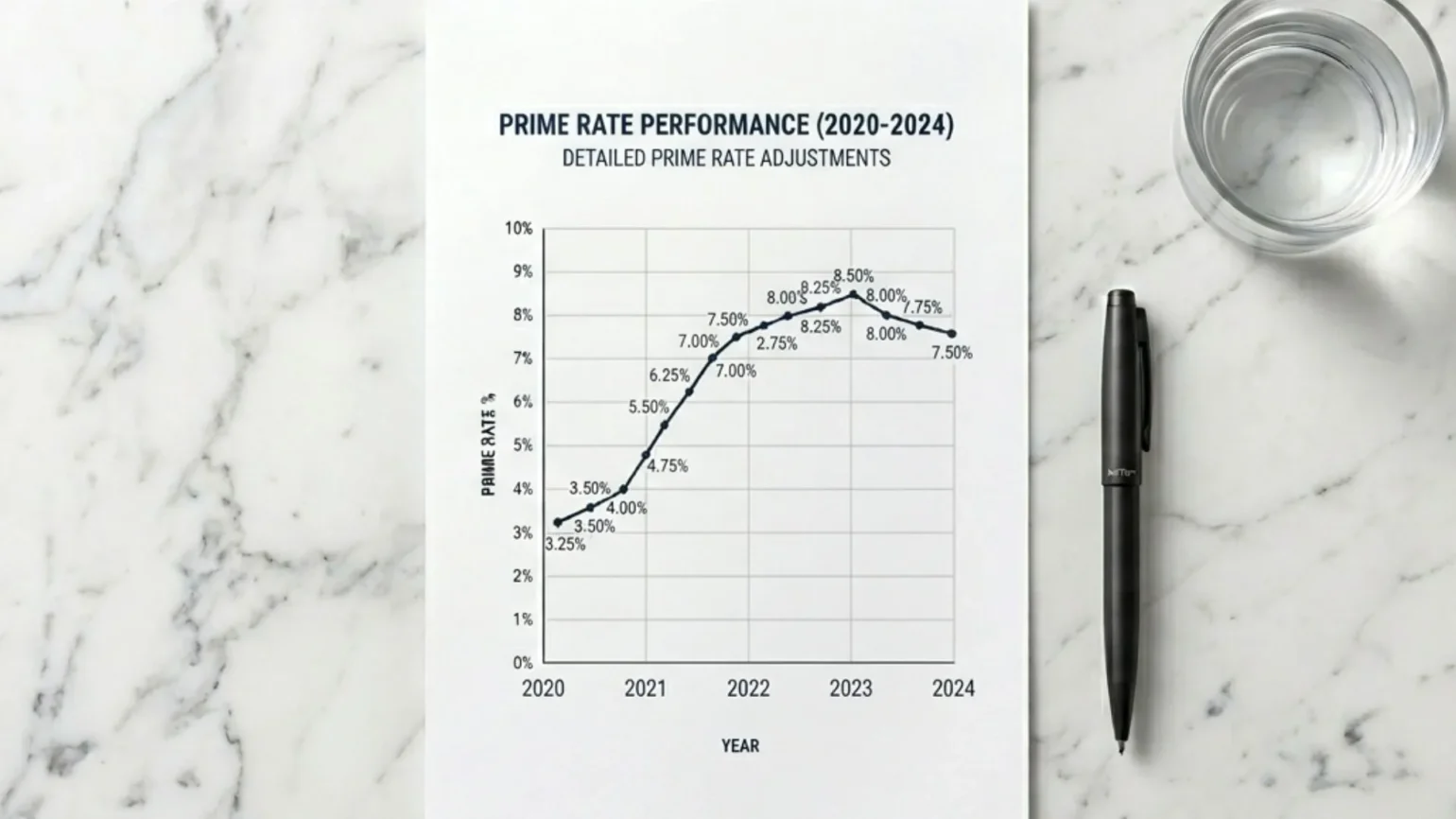
When the FOMC changes the federal funds rate, that decision does not directly set your mortgage rate or savings account yield. It changes the rate banks charge each other for short-term overnight lending, which then flows through to the prime rate that banks use as a benchmark for consumer and business lending.
From there, changes ripple into everything from credit card annual percentage rates to adjustable-rate mortgages to the yields banks offer on savings accounts and certificates of deposit.
This transmission process is not instant. It typically takes weeks for a rate decision to fully show up in consumer products, and the speed varies by product type. Understanding the full mechanics of how the Federal Reserve controls interest rates helps explain why a single FOMC meeting can move markets immediately while your own bank statement may not change for weeks.
The Board’s role beyond interest rates
Governors’ influence extends well past the federal funds rate. The Board oversees the Fed’s balance sheet, including decisions about quantitative easing or quantitative tightening, both of which affect the broader supply of money and credit in the economy independent of the headline interest rate.
The Board also plays a central role in bank supervision, approving or rejecting large bank mergers, setting capital requirements designed to prevent future banking crises, and overseeing consumer protection rules tied to lending practices.
The Vice Chair for Supervision position, currently held by Michelle Bowman, exists specifically because bank regulatory policy has become significant and specialized enough that Congress created a designated leadership role for it within the Board structure, separate from monetary policy responsibilities.
Federal Reserve independence and its limits
The staggered fourteen-year governor terms exist specifically to protect the Federal Reserve’s independence from short-term political pressure, allowing governors to make interest rate decisions based on economic data rather than electoral cycles.
This independence has been a subject of ongoing legal and political debate, including litigation and Supreme Court consideration of the scope of presidential authority over Federal Reserve leadership.
Regardless of how that debate evolves, the current statutory framework requires Senate confirmation for governor appointments and protects governors from removal except for cause, a legal standard that has historically meant more than simple policy disagreement.
What to watch going forward
With the Board currently at full strength, the next scheduled governor term expiration falls on January 31, 2030, when Kevin Warsh’s term as governor (separate from his chair designation, which runs through May 2030) would come up again only if he had been serving a partial term, which he is not, since his current governor term runs through January 2040.
The next natural turnover point to watch is any vacancy created by an early resignation, since historically most Board turnover happens through resignation before natural term expiration rather than through the staggered term calendar itself.
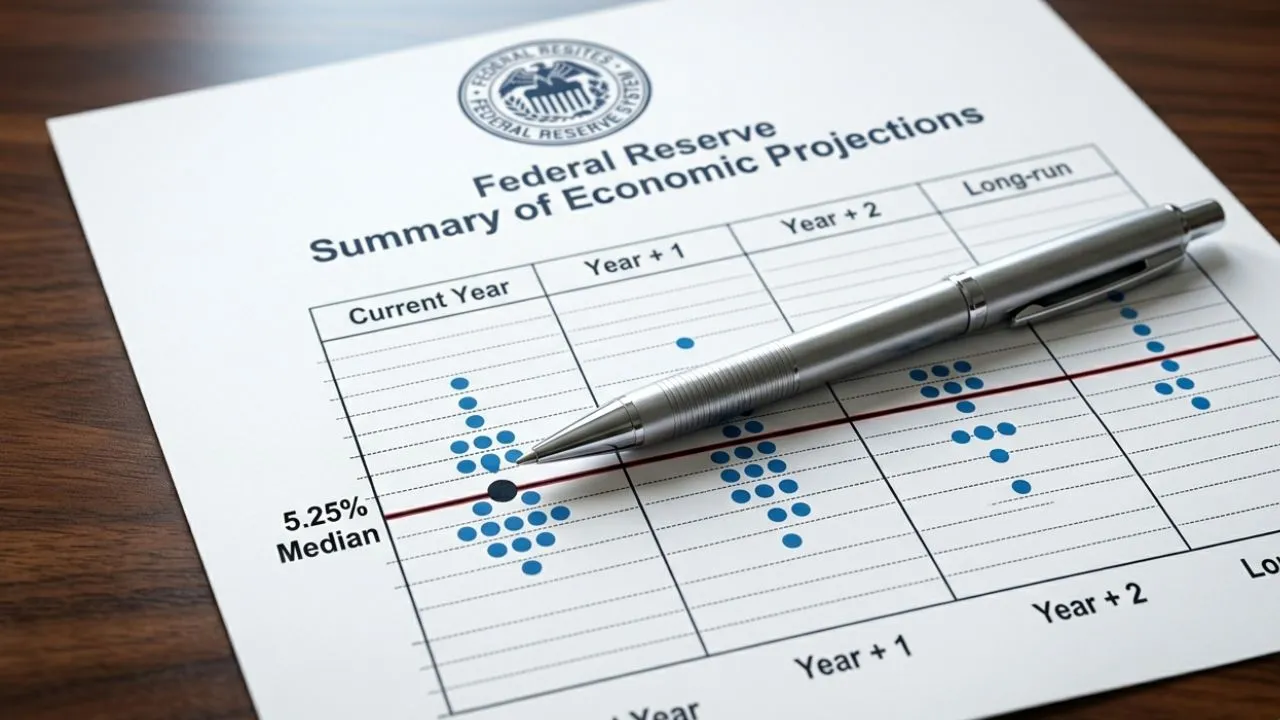
Readers tracking Fed policy should also watch the published FOMC meeting schedule and the quarterly dot plot projections that governors and voting regional presidents submit anonymously, since these projections offer one of the clearest public signals of where individual policymakers expect interest rates to move over the following several years.
How Many Fed Governors?
The Federal Reserve Board of Governors has seven members when all seats are filled. Each governor is nominated by the President of the United States and must be confirmed by the Senate before taking office.
The Board is based in Washington, D.C., and serves as the central governing body of the Federal Reserve System. All seven governors help oversee monetary policy, financial regulation, and the stability of the U.S. banking system.
Do All Governors Vote?
Yes. All seven members of the Board of Governors have permanent voting rights on the Federal Open Market Committee (FOMC), which sets U.S. interest rate policy. Unlike most regional Federal Reserve Bank presidents, governors do not rotate in and out of voting status.
This gives the Board a guaranteed majority on the 12-member FOMC at every policy meeting. Their votes directly influence decisions that affect borrowing costs, inflation, and economic growth.
Can a President Remove a Governor?
A President cannot remove a Federal Reserve governor simply because of a policy disagreement. Under the Federal Reserve Act, governors may be removed only “for cause,” a legal standard that has historically been interpreted as requiring misconduct or another significant reason.
This protection is intended to preserve the Federal Reserve’s independence from short-term political pressure. The exact scope of that protection has occasionally been the subject of legal and constitutional debate.
Fed Chair vs. Governor?
The Federal Reserve chair is one of the seven governors but also holds a separate four-year leadership designation. While the chair has the same single vote on the FOMC as every other governor, the position carries additional responsibilities.
The chair leads FOMC meetings, represents the Federal Reserve before Congress, and explains policy decisions through press conferences and public speeches. As a result, the chair has greater influence over the direction and communication of monetary policy than a regular governor.
How Long Is a Governor’s Term?
A full term for a Federal Reserve governor lasts 14 years, making it one of the longest fixed terms in the federal government. The lengthy, staggered terms are designed to promote continuity and protect monetary policy from political changes.
In practice, however, many governors leave before completing their full term, creating vacancies that are filled by new presidential nominees. Those appointees serve the remainder of the original term unless they are later nominated and confirmed for a new full term.
The bottom line
The Federal Reserve Board of Governors is a seven-member, Senate-confirmed body that sits at the center of U.S. monetary policy, bank supervision, and financial system oversight. With Kevin Warsh now serving as chair alongside Vice Chair Philip Jefferson, Vice Chair for Supervision Michelle Bowman, and Governors Michael Barr, Lisa Cook, Jerome Powell, and Christopher Waller, the Board is currently at full strength.
All seven vote on every interest rate decision, giving governors a guaranteed majority on the twelve-member Federal Open Market Committee, while regional Reserve Bank presidents rotate through the remaining voting seats.
Understanding this structure helps explain why changes in Fed leadership, and the statements individual governors make between meetings, carry outsized weight in how markets and everyday borrowers anticipate future changes in interest rates.
Methodology: Board composition and role descriptions reflect Federal Reserve Board records and Congressional Research Service reporting current as of late May 2026. Governor rosters change periodically through resignation, retirement, and new confirmations, and this article will be reviewed as changes occur.