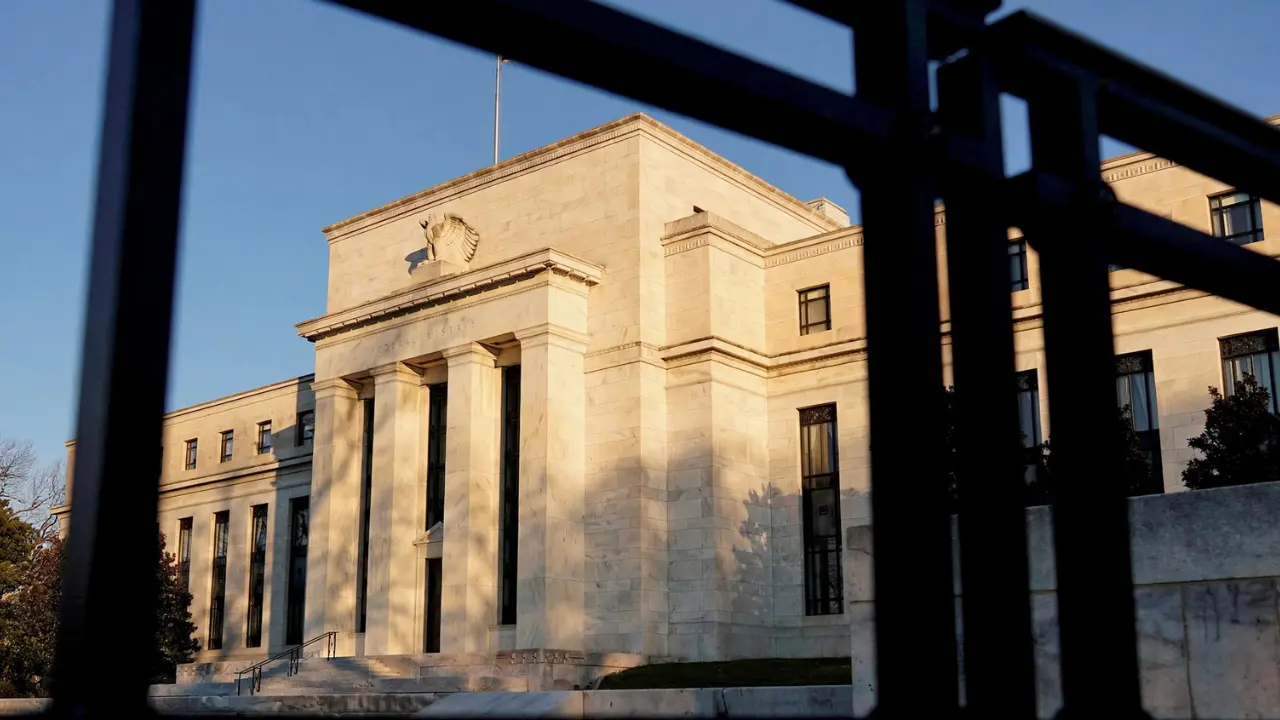
The Fed will release minutes from its July 28–29 meeting on August 19. The record could show how deep the disagreement over interest rates had become but it will not reflect important jobs and inflation data released after the meeting.
Washington – The Federal Reserve is set to release the minutes of its July 28–29 policy meeting at 2 p.m. ET on Wednesday, August 19, giving investors, businesses and households a closer look at a rate debate that became significantly more divided at the Fed’s last meeting. The official Federal Reserve August calendar confirms the release date and time.
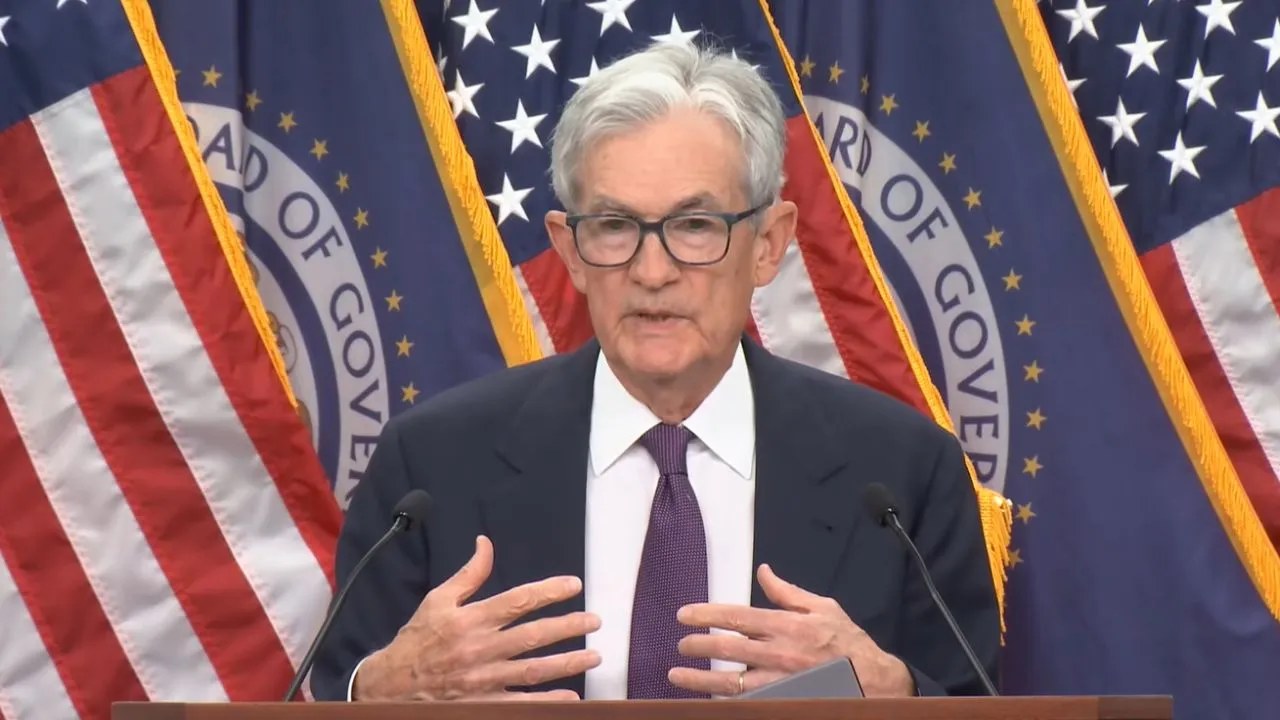
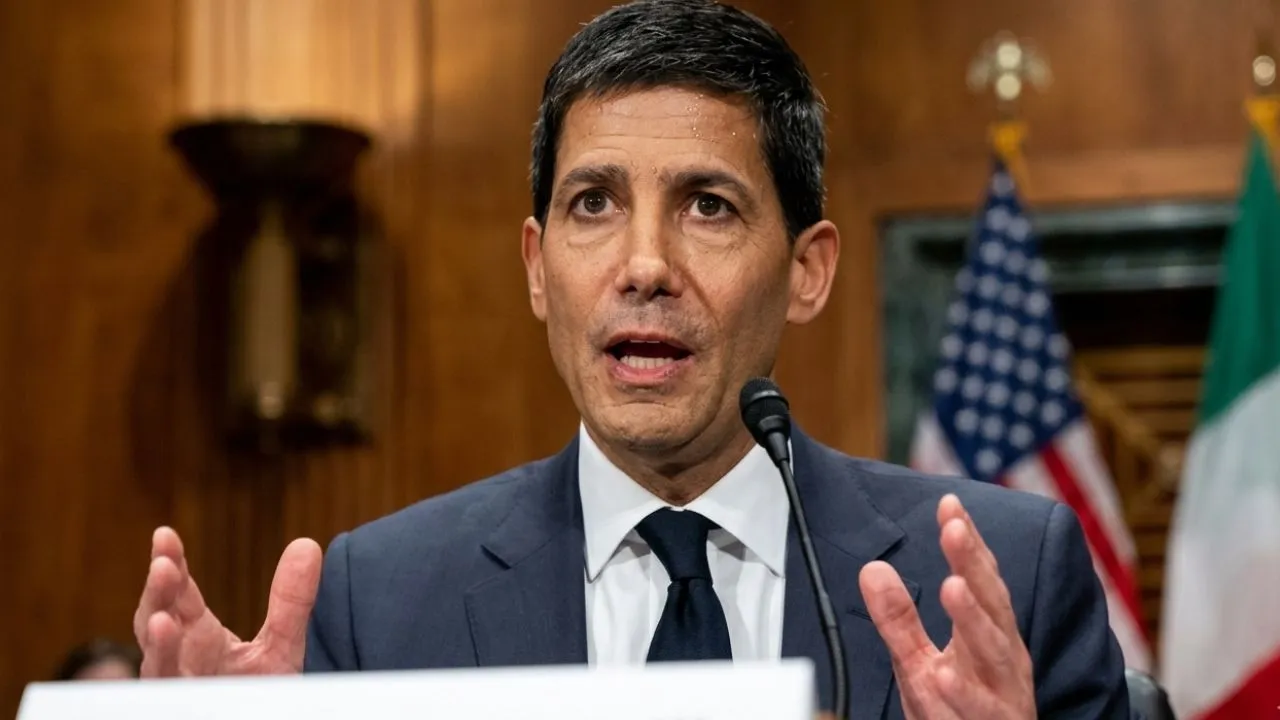
At the July meeting, the Federal Open Market Committee kept its target range for the federal funds rate at 3.5% to 3.75%, but the decision passed by a 9–3 vote. Beth Hammack, Neel Kashkari and Lorie Logan dissented because they preferred to raise the range by a quarter percentage point, according to the Fed’s July 29 FOMC statement.
That vote makes the upcoming minutes more consequential than a routine account of an unchanged rate decision. Just six weeks earlier, the Fed had voted 12–0 to keep rates unchanged. The move from a unanimous June decision to three July dissents means one-quarter of the 12 voting members favored a rate increase in July, an Investozora calculation based on the Fed’s published vote counts.
The minutes may help answer a more important question: Were those three dissenters an isolated group, or did their concerns reflect a broader shift inside the Fed?
Why the July Fed minutes matter
The July policy statement provided the decision and the vote, but not the full discussion that produced them. That distinction matters because the Fed had already been debating sharply different economic paths.
In the minutes of the June 16–17 FOMC meeting, all participants supported holding rates. But a few said there was a case for raising them, while several said they did not view the existing policy stance as restrictive. Officials also considered competing scenarios: inflation could ease enough to justify keeping rates steady or eventually lowering them, or inflation could remain elevated and require tighter policy.
By July, three voting members had crossed from discussing the possibility of a hike to formally voting for one. The August 19 minutes could show whether other participants were moving in the same direction even if they ultimately supported holding rates.
That would provide a clearer picture of the debate heading toward the Fed’s next scheduled meeting on September 15–16. The full 2026 FOMC meeting calendar confirms those dates.
For readers who want the mechanics behind these decisions, Investozora’s guide to how the Federal Reserve controls interest rates explains how changes in the federal funds rate can work through the broader financial system.
Did support for a rate hike extend beyond the three dissenters?
This may be the most important detail in the minutes. A formal FOMC vote tells the public how voting members ultimately decided. Minutes provide a broader record of the discussion among meeting participants, including the arguments officials considered before the vote.
The June minutes showed that a few participants already believed there was a case for higher rates, even though all voting members supported holding the range at 3.5% to 3.75%.
The July minutes could therefore reveal whether concern about inflation had spread more widely by the following meeting. If the discussion shows that only the three dissenters strongly favored tightening, the 9–3 vote may look more concentrated.
If additional participants expressed concern that policy was not restrictive enough, the internal debate could prove broader than the headline vote suggested. Neither outcome would guarantee what the Fed does in September. It would show where officials stood as of July 29. That timing is crucial.
The minutes will not include the latest jobs report
The July meeting ended on July 29. The latest employment report did not arrive until August 7. That means the minutes cannot tell readers how Fed officials reacted to the subsequent weakening in payroll data.
The Bureau of Labor Statistics’ July employment report showed nonfarm payroll employment declined by 23,000 in July, while the unemployment rate was 4.1%. BLS characterized both measures as little changed.
The revisions to earlier months were also significant. May payroll growth was revised from 129,000 to 63,000, while June was revised from 57,000 to 20,000. Together, May and June employment gains were 103,000 lower than previously reported. Investozora examined those changes separately in its report on how the weak jobs data reshaped the Fed’s September rate outlook.
The distinction matters when interpreting Wednesday’s minutes. If the document describes officials as relatively comfortable with labor-market conditions, readers should remember that the discussion occurred before the July jobs report and its revisions became public. The minutes are evidence of what policymakers knew and thought at the July meeting, not a real-time statement of their views on August 19.
Inflation also changed after the Fed meeting
The same timing problem applies to inflation. In its July 29 statement, the Fed said inflation remained elevated relative to its 2% goal and pointed in part to supply shocks, including energy-related price increases. But the July Consumer Price Index was not released until August 12.
The BLS July CPI report showed consumer prices increased 0.1% from June and 3.4% from a year earlier. Prices excluding food and energy increased 0.2% for the month and 2.5% over 12 months. Headline inflation slowed slightly from 3.5% in June, while energy prices were still 14.7% higher than a year earlier.
Investozora’s analysis of the July CPI and core inflation figures looks more closely at how that report changes the information available ahead of the September meeting.
The post-meeting data create a more complicated picture than the July minutes alone can provide. The labor figures were weaker than previously reported, while inflation remained above the Fed’s goal even as some measures cooled.
Those developments could pull the policy debate in different directions. They do not, by themselves, establish whether the Fed will raise, hold or lower rates in September.
What the minutes could reveal about the economy
Beyond the immediate rate debate, the minutes should provide more detail on how policymakers viewed economic growth, hiring, consumer demand and inflation risks at the end of July.
In June, participants generally saw economic activity expanding at a solid pace, but they also described substantial uncertainty. Officials discussed strong investment, resilient consumer spending and the potential economic effects of AI-related capital investment while continuing to see upside risks to inflation.
The July statement again said economic activity was expanding at a solid pace and described productivity growth and capital investment as strong. What the statement did not show was the range of views underneath that assessment.
The minutes could clarify whether officials saw economic strength as durable, whether more participants were becoming concerned about hiring, and how they weighed growth against the risk that inflation could stay elevated.
Those details matter because the Fed’s next decision is not simply a choice between high inflation and weak growth. Policymakers must evaluate how both sides of their mandate are evolving at the same time.
Several major reports still come before the September decision
Even after the August 19 minutes arrive, the evidence available to the Fed will continue to change. The Bureau of Economic Analysis has scheduled the July Personal Income and Outlays report for August 26 at 8:30 a.m. ET. That release will include the next monthly update to the Personal Consumption Expenditures price index.
BLS is also scheduled to publish a preliminary annual benchmark revision to payroll employment on August 28. The agency says the preliminary estimate will not itself revise the official monthly establishment-survey figures, but it will provide additional information about the payroll data.
The August employment report is scheduled for September 4, and the August CPI report is scheduled for September 11. Both arrive before the September 15–16 FOMC meeting.
That sequence is why the August minutes should not be treated as a disguised September rate decision. They can tell readers much more about the starting point of the debate. The later data will help determine whether that starting point still holds.
What borrowers and savers should watch
For households, the practical question is not whether one sentence in the minutes sounds “hawkish” or “dovish.” It is whether the evidence ultimately pushes the Fed toward keeping its policy rate where it is, raising it, or eventually reducing it.
The federal funds rate does not set every consumer interest rate directly, and mortgages, credit cards, auto loans, bank deposits and other financial products do not all move in identical ways. But the direction of monetary policy can influence the broader rate environment.
Investozora explains those connections in its guide to how higher interest rates can affect borrowing costs. For now, the minutes alone do not create a clear financial action for households. Readers should avoid assuming that three July dissenters guarantee a September hike, just as weaker payroll data do not automatically guarantee a rate cut.
The more useful signals will be whether the minutes show broader support for tighter policy, how officials described inflation persistence and labor-market risks, and whether subsequent economic data reinforce or undermine those views.
The bottom line
The August 19 Fed minutes could provide the most detailed look yet at an interest-rate debate that became visibly more divided in July. The shift from a 12–0 hold in June to a 9–3 hold in July, with all three dissenters favoring a quarter-point rate increase, is a meaningful change in the committee’s recorded vote. But it is not a forecast of the September decision.
The minutes will describe the Fed’s thinking before the July jobs report, before the July CPI report and before several additional economic releases scheduled ahead of the September meeting. That makes the document valuable for understanding how the debate was changing not for pretending the next rate move has already been decided.