
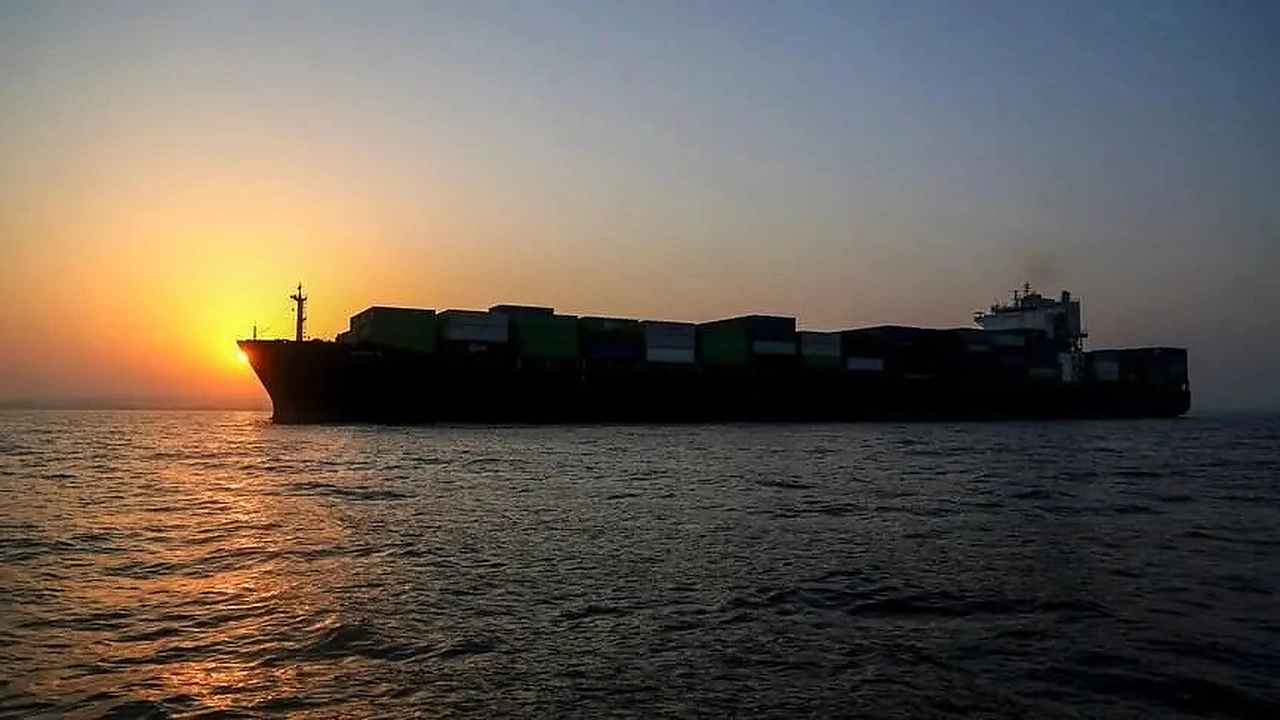
Iran said Sunday that it will not reopen the Strait of Hormuz until Tehran’s conditions are met and commitments it says the United States made are implemented, extending uncertainty around one of the world’s most important oil-export routes.
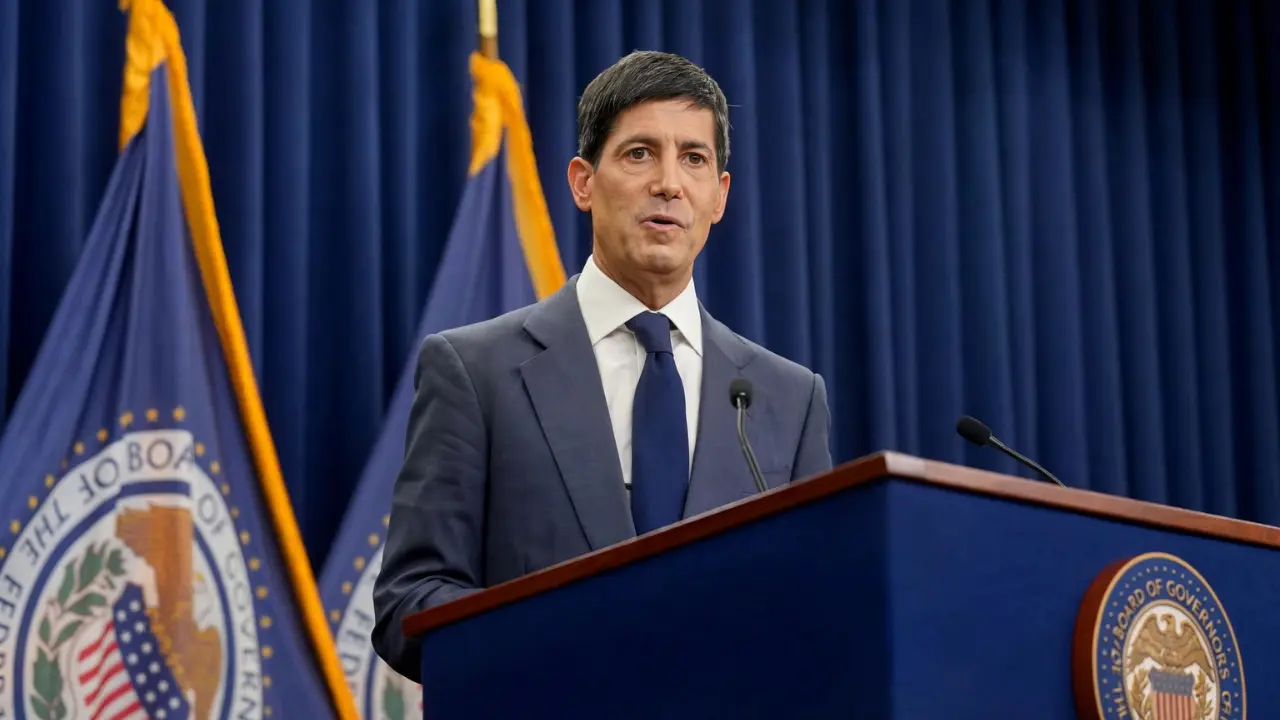
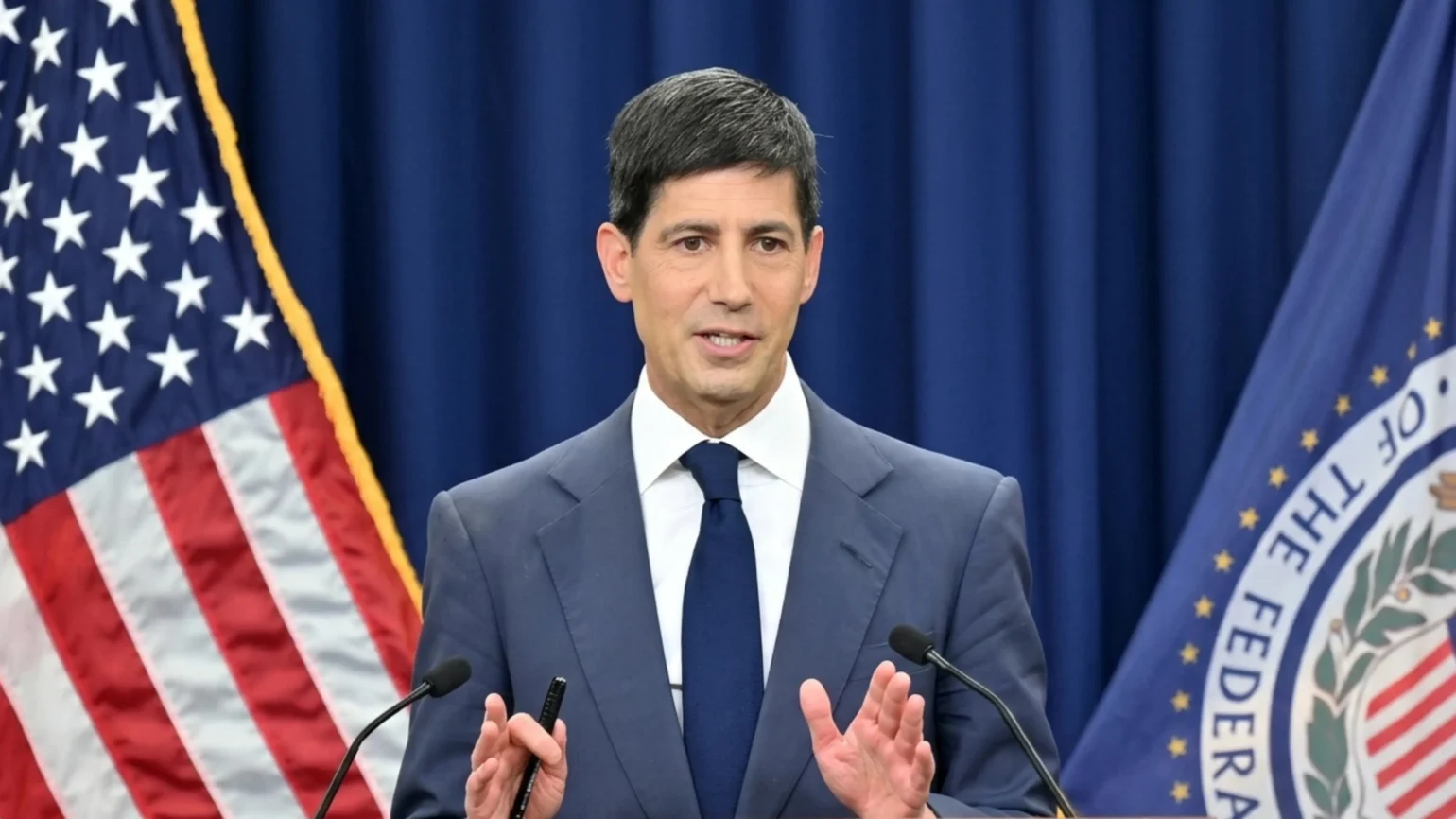
Iranian Parliament Speaker Mohammad Bagher Ghalibaf made the statement during a September 20 parliamentary session. Iran’s semi-official Fars news agency reported the remarks, which were also carried by Reuters. Ghalibaf said Tehran had communicated its conditions through mediators and linked any return to negotiations and reopening of the strait to those demands being satisfied.
The statement does not establish an entirely new Iranian policy. Ghalibaf made similar demands in August and again in early September, including calls for U.S. commitments involving sanctions, military operations and other provisions Tehran says were part of an earlier understanding. Sunday’s remarks matter because they reaffirm that position at a time when shipping through Hormuz remains severely restricted and hopes for a rapid reopening have not produced a breakthrough.
The energy stakes remain unusually high.
The U.S. Energy Information Administration’s August 2026 energy-security analysis estimates that crude oil and petroleum liquids moving through Hormuz averaged 21.6 million barrels per day in the fourth quarter of 2025, before falling to 4.9 million barrels per day in the second quarter of 2026. That is a decline of roughly 77%, based on an Investozora calculation using EIA figures.
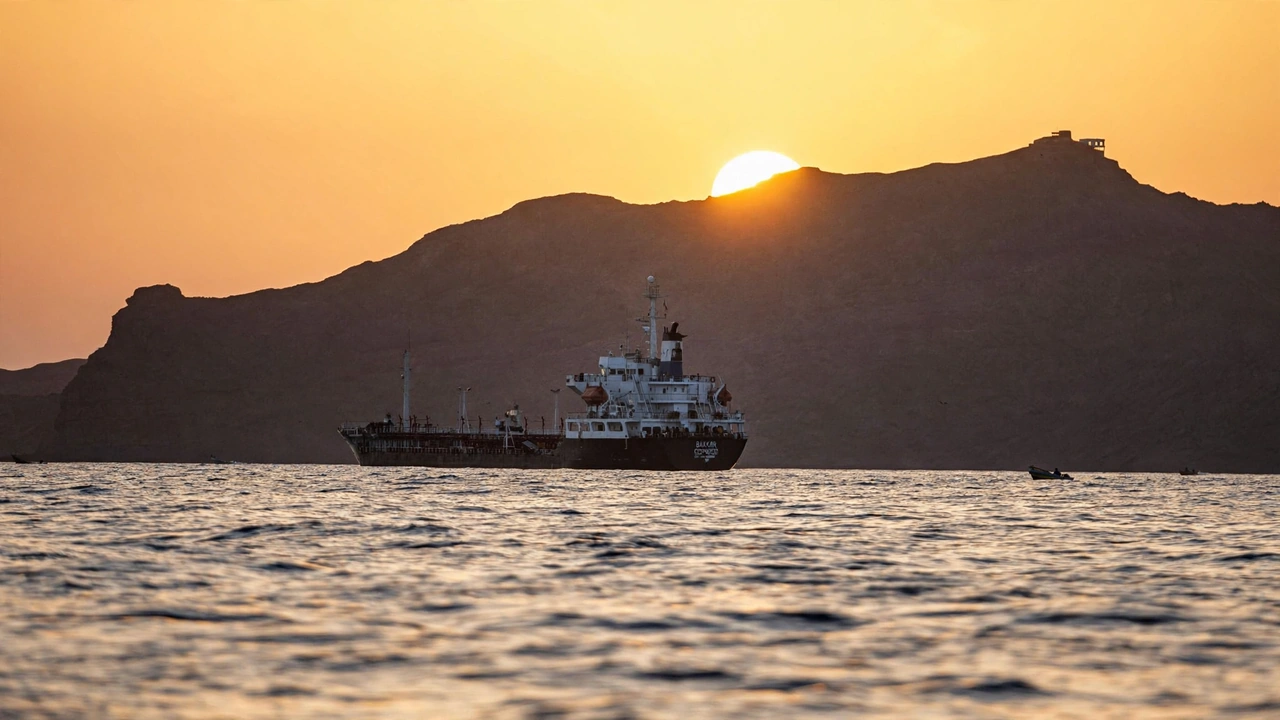
More recent shipping data show traffic remains thin. Preliminary Kpler data reported by Reuters showed only four commodity vessels transiting Hormuz on Thursday, September 17, compared with a 10-day average of 16 vessels. Some ships may also operate without normal tracking signals, so vessel-count data cannot capture every movement through the waterway.
Oil markets are already carrying a large geopolitical premium. Brent crude settled Friday at $104.87 a barrel, while U.S. West Texas Intermediate closed at $100.30, according to Reuters. Those were the latest completed benchmark settlements before Sunday’s Iranian statement.
The continued Hormuz restrictions are only one part of the current supply problem. Attacks on Saudi energy infrastructure have disrupted alternative export routes, while refiners and traders have increasingly relied on ship-to-ship transfers and other workarounds. Investozora previously reported that some physical crude cargoes traded above $130 a barrel as Saudi supply disruptions deepened.
The pressure also matters for U.S. energy security. Investozora’s latest analysis found that the Strategic Petroleum Reserve had fallen to 285.36 million barrels in early September, its lowest weekly level since November 1982.
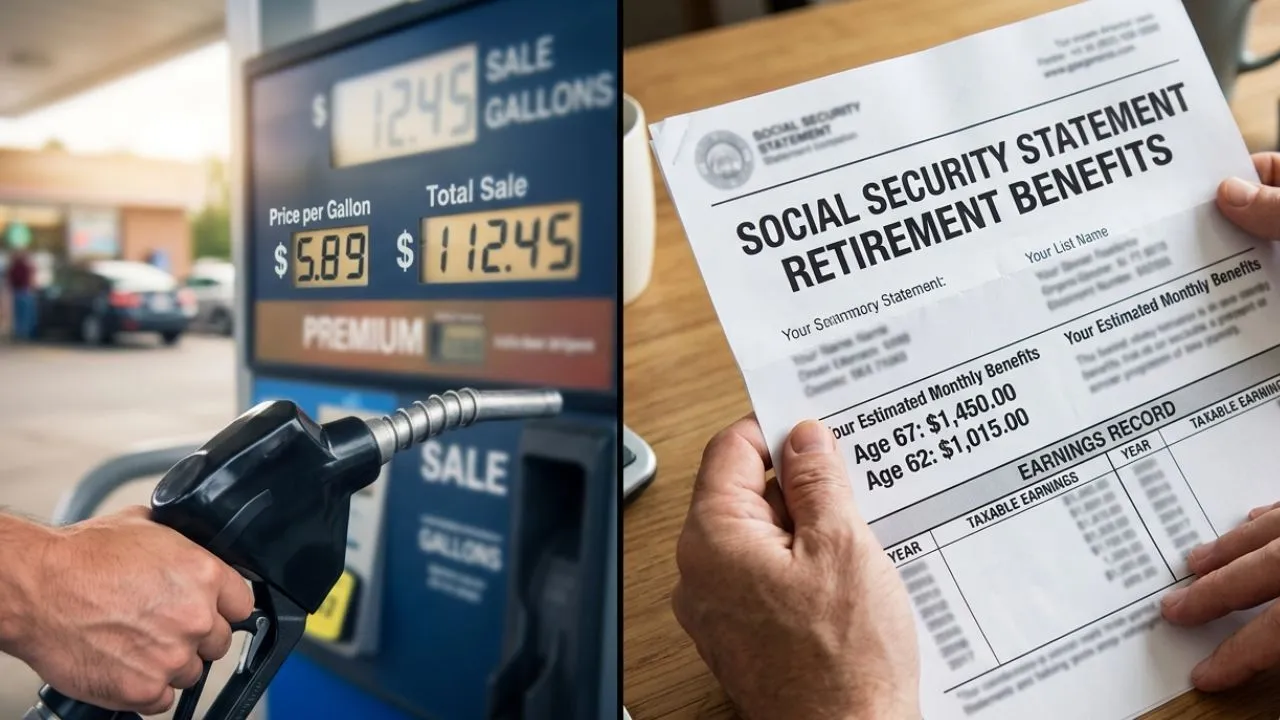
For U.S. households, a prolonged disruption can feed into gasoline, diesel, freight and broader inflation. Investozora’s earlier Hormuz inflation and gasoline analysis explains how an extended closure can move from energy markets into consumer prices and Federal Reserve policy.
What remains unresolved is whether Washington and Tehran can agree on conditions that actually permit materially greater commercial traffic through the strait. Reuters reported Sunday that U.S.-Iran tensions remained elevated even as President Donald Trump signaled openness to talks around the United Nations General Assembly. Iran, meanwhile, continues to tie reopening Hormuz to its interpretation of previous U.S. commitments.
Until there is a verified diplomatic agreement or a sustained increase in vessel traffic, the Strait of Hormuz remains a major unresolved risk for global energy supplies.