
U.S. consumer sentiment fell sharply in early September as households grew more worried about their finances, business conditions and inflation, adding another sign of pressure on consumers just days before the Federal Reserve’s next interest-rate decision.
The University of Michigan’s preliminary September Surveys of Consumers results showed its Index of Consumer Sentiment falling to 47.8 from 51.7 in August. That was a 3.9-point drop, or 7.5%, and marked the second straight monthly decline.
The reading was also 13.2% below September 2025 and 16% below February, before the start of the Iran conflict, according to the university. The deterioration was concentrated heavily in consumers’ expectations about what comes next. The survey showed:
- Consumer sentiment: 47.8, down from 51.7 in August
- Current economic conditions: 50.9, down from 51.9
- Consumer expectations: 45.8, down from 51.5
- One-year inflation expectations: 4.6%, up from 4.0%
- Long-run inflation expectations: 3.4%, up from 3.3%
The expectations index fell 11.1% in a single month, compared with a much smaller 1.9% decline in consumers’ assessment of current economic conditions. That gap suggests the largest change in September was not simply how households viewed the economy today, but how they viewed the months ahead.
University of Michigan Surveys of Consumers Director Joanne Hsu said expectations for personal finances and business conditions fell sharply as higher fuel prices and trade tensions increased concerns about future pressure on household budgets.
The survey found declines in sentiment among both Democrats and Republicans, while sentiment among independents changed little from August. The inflation figures may be the more important part of the report for the economic outlook.
One-year inflation expectations rose by 0.6 percentage point in September, from 4.0% to 4.6%. That was the highest reading since June and well above the 3.4% recorded in February.
Long-run inflation expectations also moved higher, reaching 3.4% after holding at 3.3% for three consecutive months. The university said the latest reading remained above the 2.8% to 3.2% range seen during 2024.
The survey does not measure actual inflation. It measures what consumers expect prices to do. But the rise came on the same day that new government data showed Americans had already faced faster price increases in August.
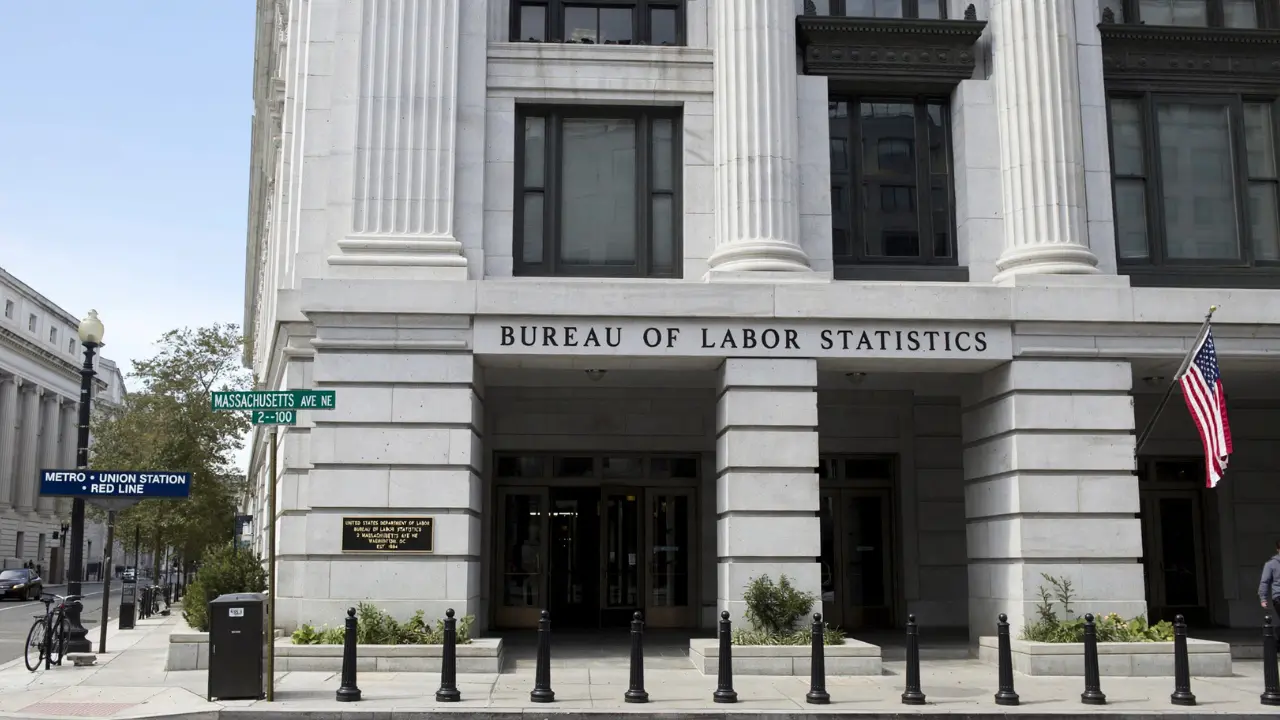
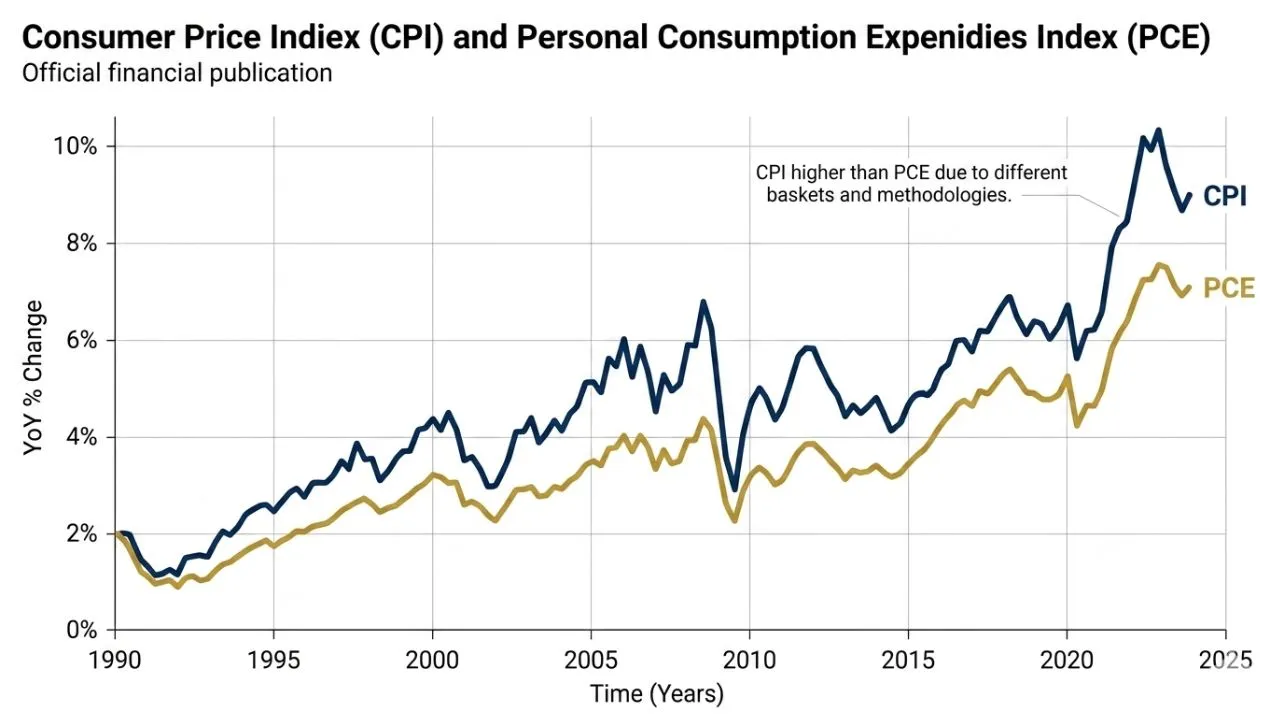
The Bureau of Labor Statistics’ August Consumer Price Index report showed consumer prices rising 0.4% during the month, up from a 0.1% increase in July. Prices were 3.4% higher than a year earlier. Core prices, which exclude food and energy, rose 0.3% during August and 2.4% over the previous 12 months.
Gasoline was a major part of the monthly increase. The BLS said gasoline prices rose 3.9% in August and accounted for more than one-third of the increase in the overall CPI. The broader energy index rose 2.1% during the month.
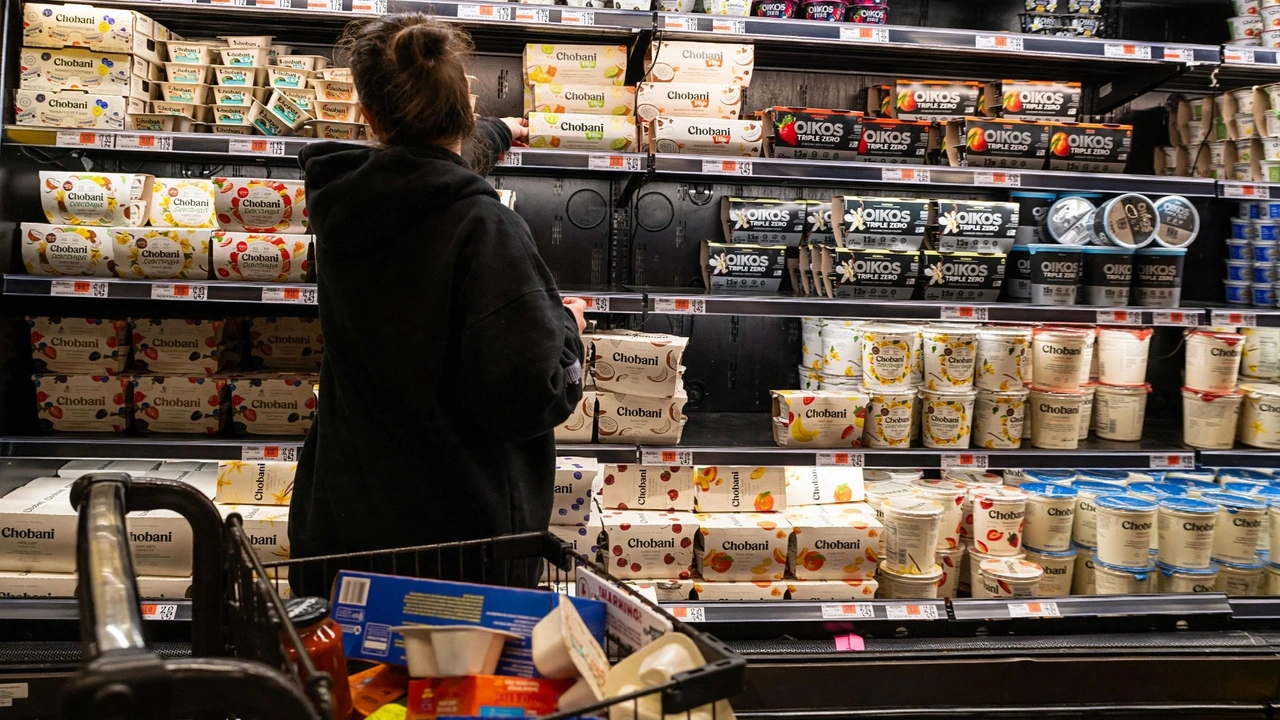
That provides an important connection between the two Sept. 11 releases. Consumers were not simply reporting abstract fears about inflation while measured price pressure was easing. Gasoline prices had moved higher in the latest CPI data at the same time households were reporting greater concern about the cost pressures ahead.
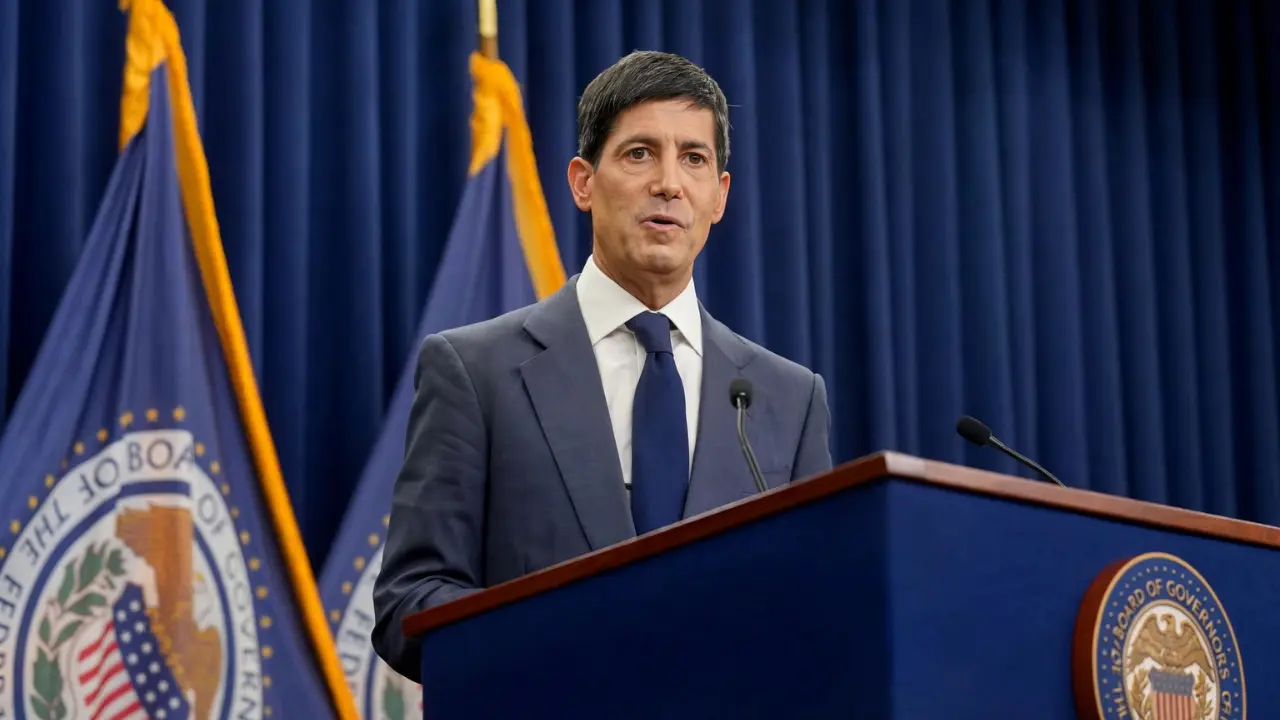
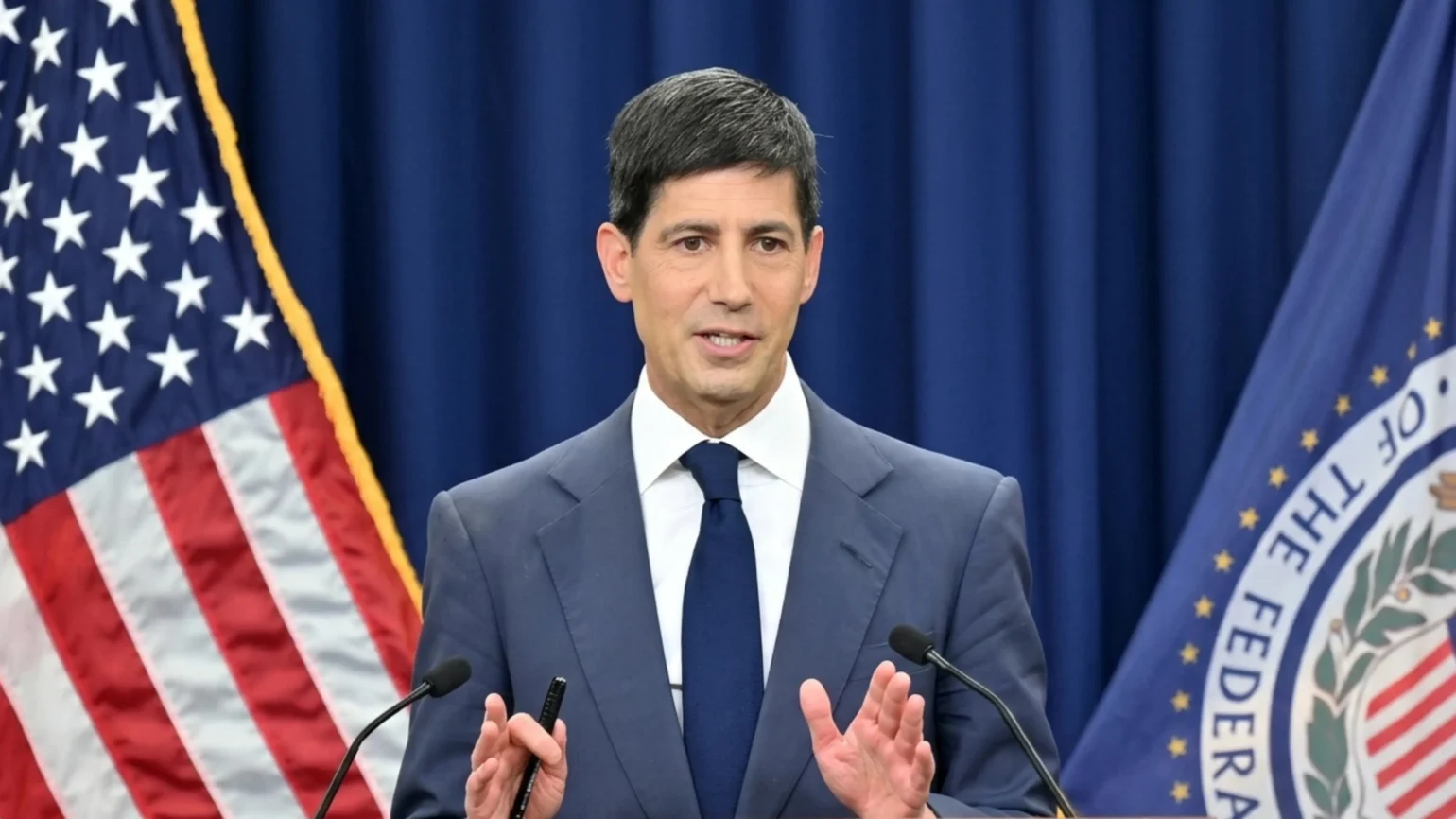
Investozora has separately examined how the latest inflation data has complicated Kevin Warsh’s September Fed decision. The Michigan survey adds a different piece of evidence: how households themselves are reacting to the price environment.
The Federal Reserve does not set interest rates based on consumer sentiment alone, and the Michigan survey does not determine what policymakers will do.
But inflation expectations matter because the Fed watches whether expectations remain anchored over time. If households and businesses begin to expect persistently higher inflation, those expectations can influence wage demands, pricing decisions and spending behavior.
The timing makes the new survey especially relevant. The Federal Reserve’s official 2026 meeting calendar shows that the Federal Open Market Committee will meet Sept. 15–16, with a policy decision and press conference scheduled for Sept. 16.
At its July meeting, the Fed kept the federal funds target range unchanged at 3.50% to 3.75%, although three policymakers preferred a quarter-point increase. The official July meeting minutes show that Beth Hammack, Neel Kashkari and Lorie Logan dissented in favor of raising rates by 25 basis points.
The September sentiment report does not establish that the Fed will raise rates. It does, however, give policymakers another current indication that consumers remain uneasy about inflation even as they become more pessimistic about their own financial outlook.
For households, there is no immediate action or government payment change tied to the sentiment index. The survey is an economic indicator, not a change in interest rates, benefits, taxes or consumer prices.
Its importance is in what it says about economic behavior. Consumers who feel less secure about their finances may become more cautious about major purchases and discretionary spending. At the same time, elevated inflation expectations show that many households remain concerned that prices will continue rising. The September number is also preliminary.
The University of Michigan is scheduled to publish its final September consumer sentiment reading on Friday, Sept. 25 at 10 a.m. ET. That release could revise the 47.8 sentiment reading and the inflation-expectation figures as additional survey responses are included.
The next major test will therefore come in two stages: first from the Federal Reserve’s Sept. 16 policy decision, and then from the final Michigan survey later in the month.
For now, the new data show a difficult combination. Consumers are feeling worse about the economy and their future finances while, at the same time, expecting faster inflation over the coming year.