
U.S. workers received higher hourly pay in August, but consumer prices rose even faster, causing inflation-adjusted hourly earnings to fall for the month.
Real average hourly earnings for employees on private nonfarm payrolls decreased 0.1% from July to August on a seasonally adjusted basis, according to the Bureau of Labor Statistics’ August real earnings report released September 11.
The decline happened even though average hourly earnings increased 0.3%. Consumer prices rose 0.4% during the same month, which was enough to erase that nominal wage gain after inflation.
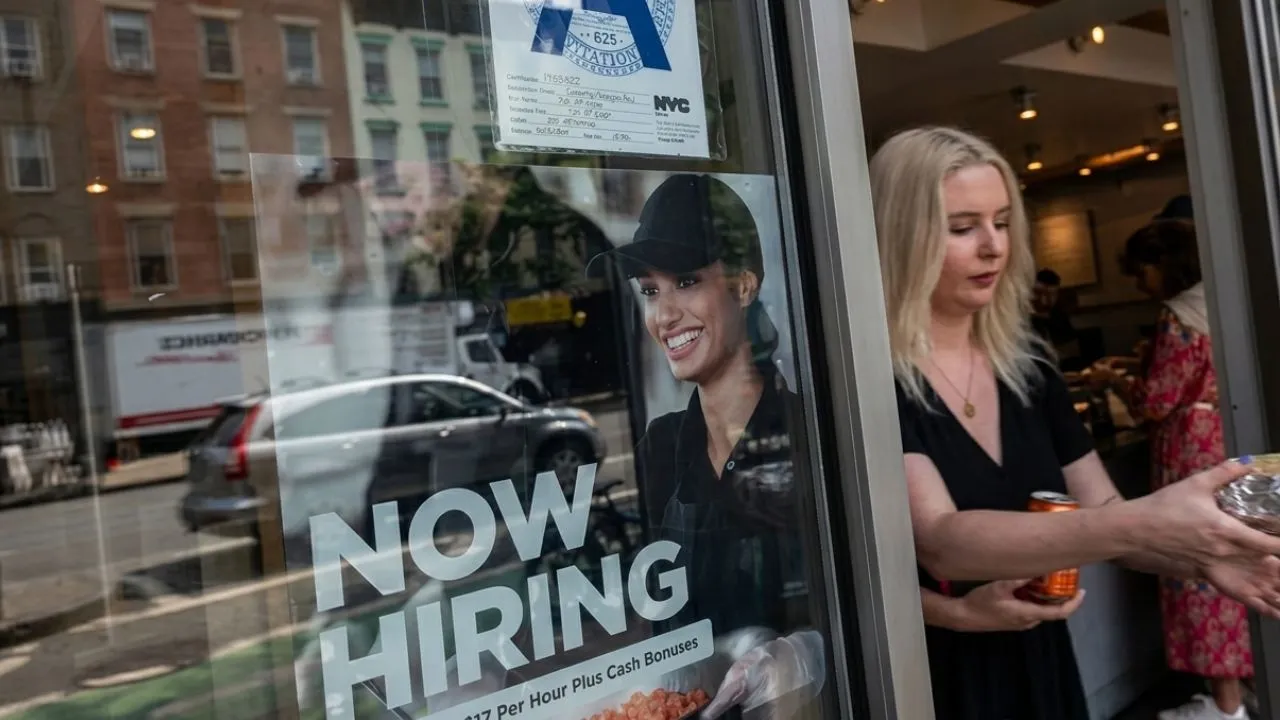
The result provides a different view of the August economy than the jobs report alone. Employers added 162,000 jobs during the month and average hourly pay reached $37.75, but the purchasing power of an average hour of work still moved slightly backward.
Over the year, the picture weakened further. Real average hourly earnings were 0.3% lower in August than one year earlier. That does not mean every worker’s paycheck fell. The measure covers average private-sector earnings adjusted for the Consumer Price Index and can differ significantly from what any individual household experiences.
There is also an important counterpoint: workers put in more hours. The average workweek increased from 34.3 hours in July to 34.4 hours in August. Because people worked longer on average, real average weekly earnings actually increased 0.2% during the month even though real hourly earnings fell.
That distinction is important for understanding what changed. BLS reported the following August figures:
- Nominal average hourly earnings rose 0.3% to $37.75.
- CPI-U increased 0.4% during the month.
- Real average hourly earnings fell 0.1%, from $11.31 to $11.30 in constant 1982–1984 dollars.
- The average workweek increased 0.3% to 34.4 hours.
- Real average weekly earnings increased 0.2%, from $388.03 to $388.65.
- Real hourly earnings were down 0.3% from August 2025, while real weekly earnings were up 0.3%.
Those figures come directly from BLS Table A-1 for August real earnings.
The combination shows why saying simply that “wages fell” would be misleading. Workers were earning more dollars per hour and more dollars per week. What fell was the purchasing power of an average hour once consumer-price increases were taken into account.
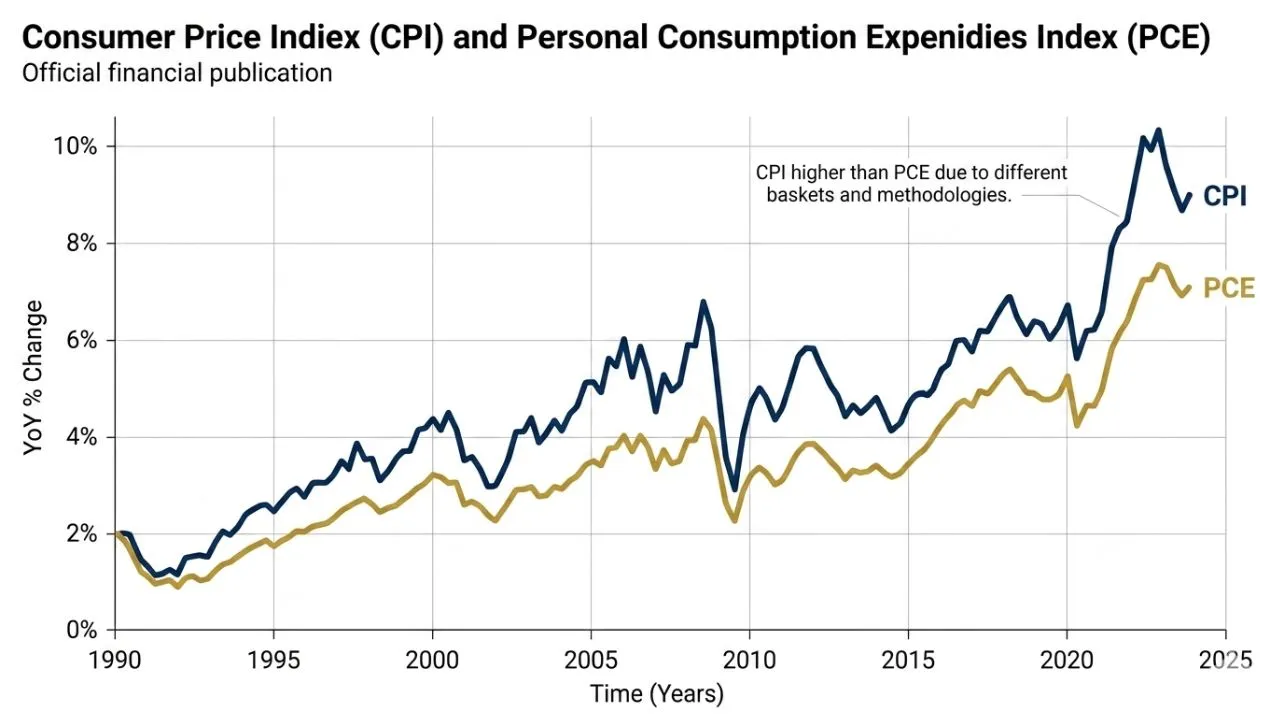
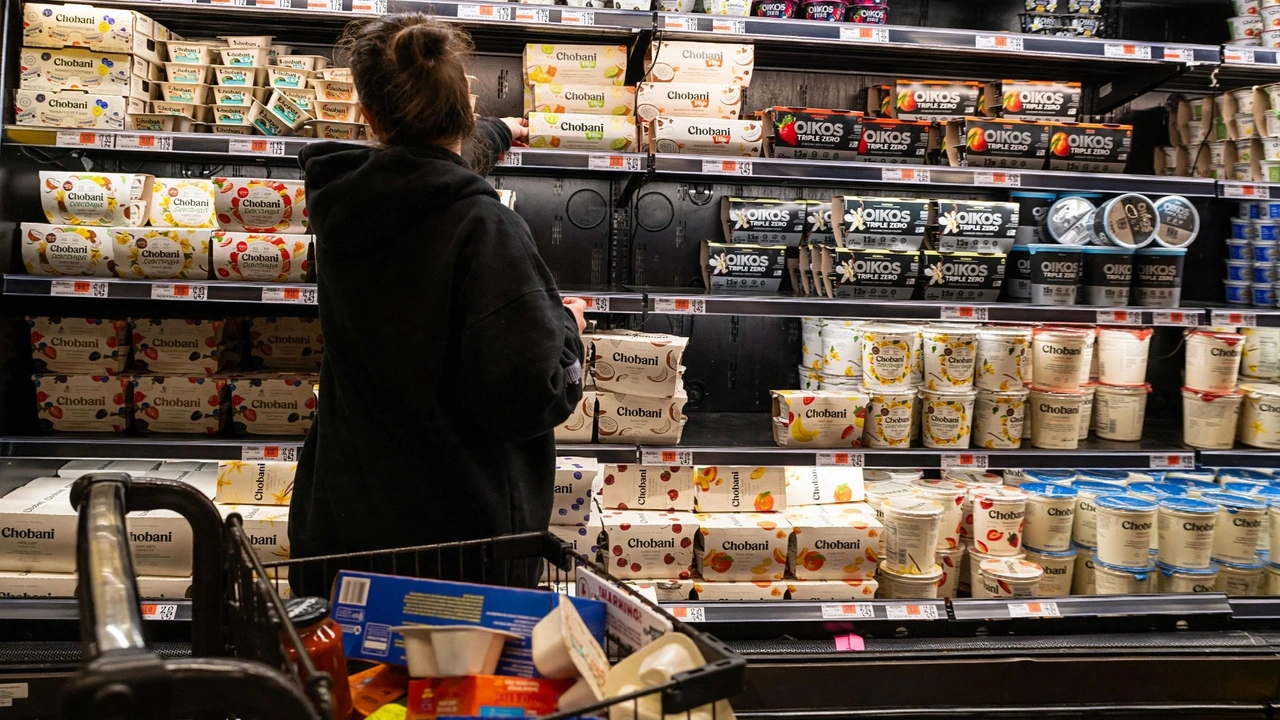
August inflation explains the shift. The official August Consumer Price Index report showed overall consumer prices increasing 0.4% after rising only 0.1% in July. Prices were 3.4% higher than a year earlier.
Gasoline was a major contributor. Its index increased 3.9% during August and accounted for more than one-third of the monthly increase in the overall CPI. Core CPI, which removes food and energy, rose 0.3% during the month and 2.4% over the year.
That represents a sharp change from the conditions Investozora reported in July, when gasoline prices were falling during the month and helping restrain headline inflation. Readers can compare the shift with Investozora’s July inflation breakdown showing falling gasoline prices and 3.4% annual CPI.
August therefore did not bring a higher 12-month headline inflation rate, it remained 3.4%, but it did bring a much faster monthly increase in prices. That monthly acceleration was enough to outpace the 0.3% increase in hourly pay.
There is also evidence that workers have lost considerable purchasing-power momentum over the past year. BLS Table A-1 shows real average hourly earnings were rising 1.1% year over year in August 2025. By August 2026, they were falling 0.3%.
That is a 1.4-percentage-point deterioration in year-over-year real hourly earnings growth, according to an Investozora calculation using the two BLS figures.
The change does not mean purchasing power dropped 1.4% over that period. It means the annual growth rate moved from positive 1.1% to negative 0.3%, a swing of 1.4 percentage points.
The squeeze also appears among production and nonsupervisory workers, a group covering many nonmanagerial private-sector employees.
BLS reported that their real average hourly earnings fell 0.1% from July to August. Nominal hourly earnings rose 0.3%, but CPI-W, the inflation measure BLS uses for this group, increased 0.5%.
Their real weekly earnings declined 0.1% during August because their average workweek did not increase. Compared with August 2025, however, their real hourly earnings were down 0.1% while real weekly earnings were still up 0.1%.
The figures show that hours worked can temporarily separate hourly purchasing power from weekly purchasing power. An employee can lose purchasing power per hour but still bring home more inflation-adjusted weekly earnings if enough additional hours are worked.
That matters for households because longer hours are not the same thing as stronger pay. The latest numbers also arrive immediately before a major Federal Reserve decision.
The Federal Open Market Committee is scheduled to meet September 15–16, with its policy statement due at 2 p.m. Eastern on September 16, according to the Federal Reserve’s official FOMC calendar.
The real-earnings report does not determine what the Fed will do. It does, however, add another piece to the economic picture policymakers are considering: inflation accelerated during August, nominal wages continued rising, employment increased, and inflation-adjusted hourly pay declined.
Investozora’s recent analysis of the inflation pressures facing the Fed ahead of its September meeting examines that monetary-policy question separately.
For workers, there is no specific financial action required because of one monthly real-earnings report. It is an economy-wide average, not a measure of an individual worker’s personal purchasing power.
Households experience inflation differently depending on what they buy, while wage changes vary widely by occupation, industry and employer. Someone whose pay increased faster than their own living costs may still be gaining purchasing power even while the national average falls.
The August report instead provides a broader warning about the direction of wages and prices: a nominal raise does not automatically translate into greater purchasing power when prices are rising faster.
The next major test will arrive October 14 at 8:30 a.m. Eastern, when BLS is scheduled to publish September CPI and real earnings data. That report will show whether August’s decline in real hourly pay was temporary or whether inflation continues to outrun hourly wage growth.