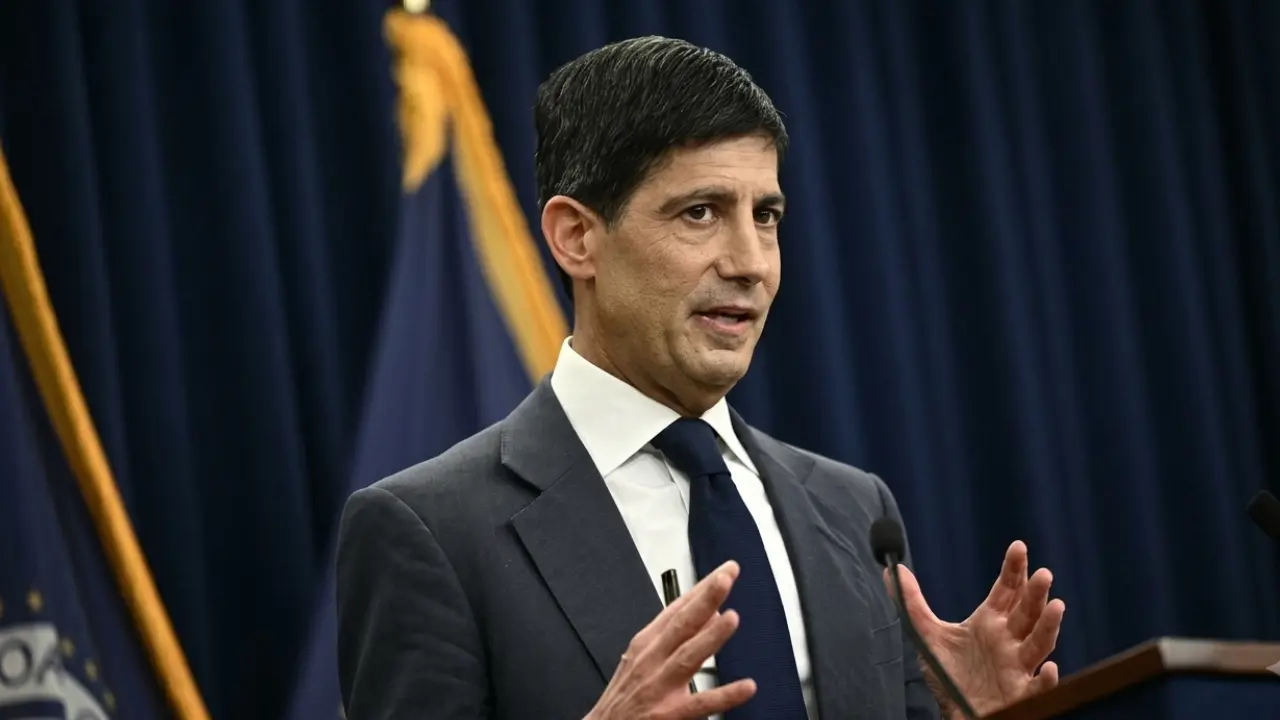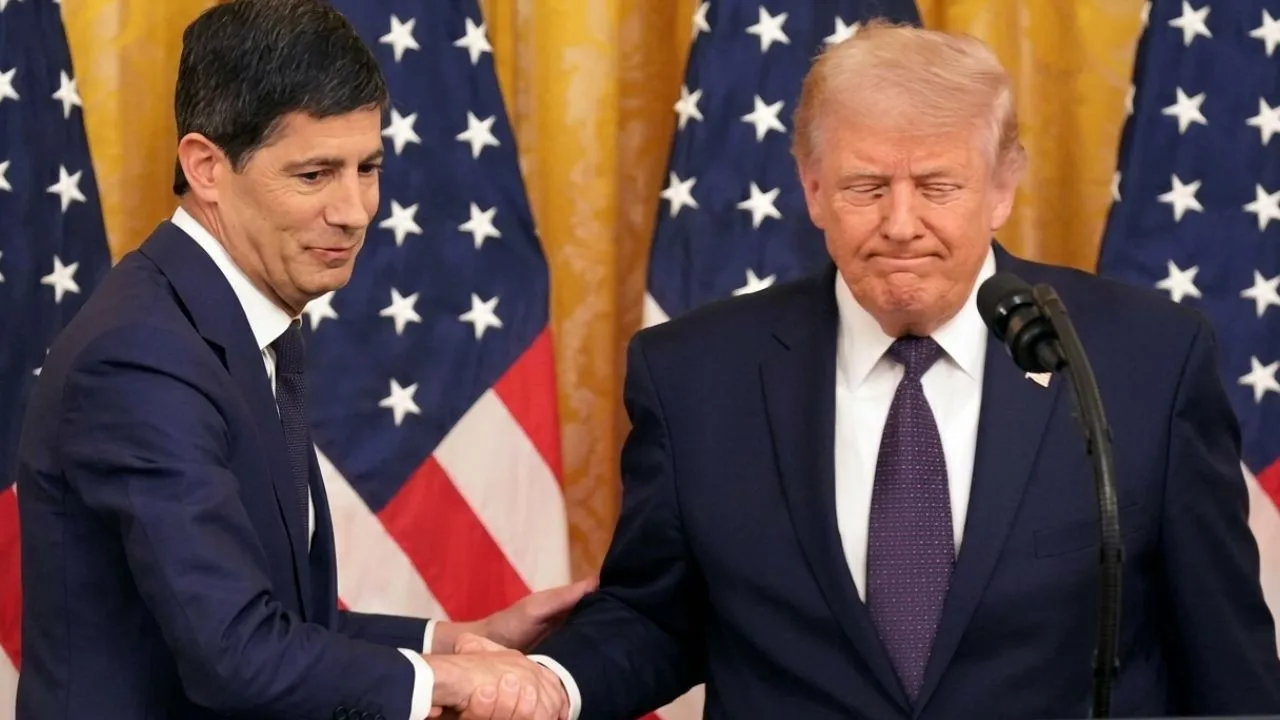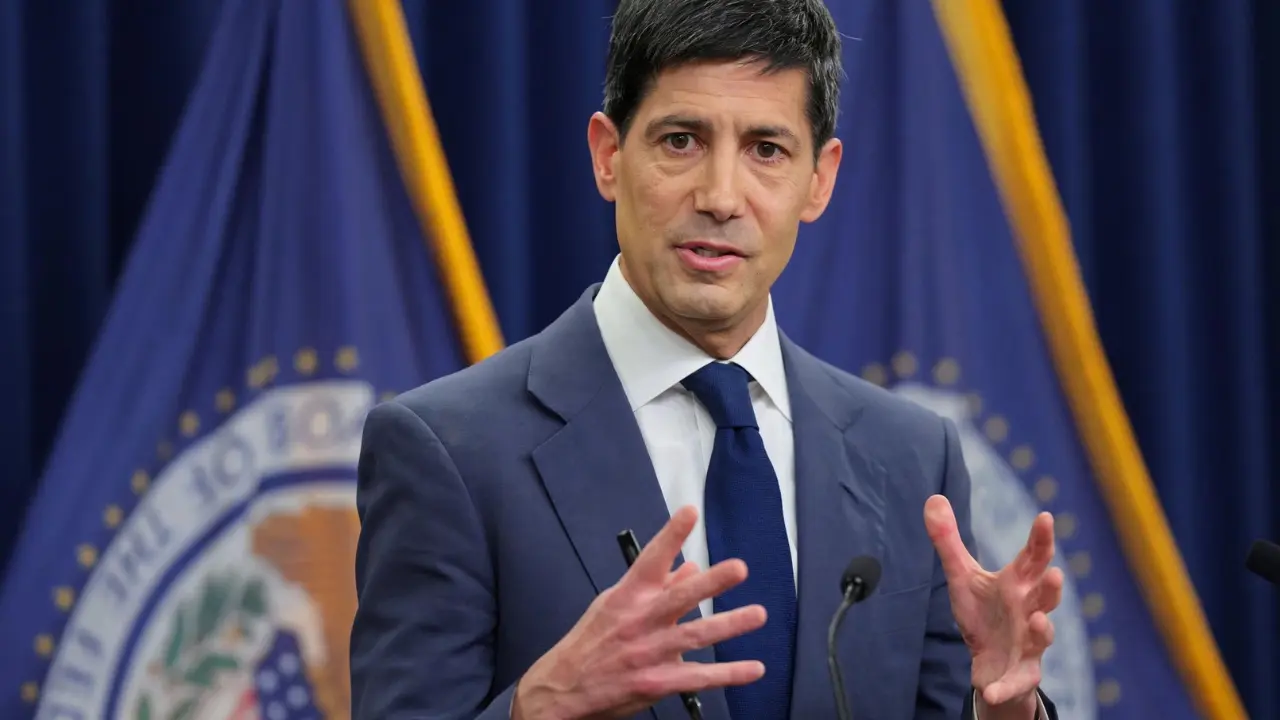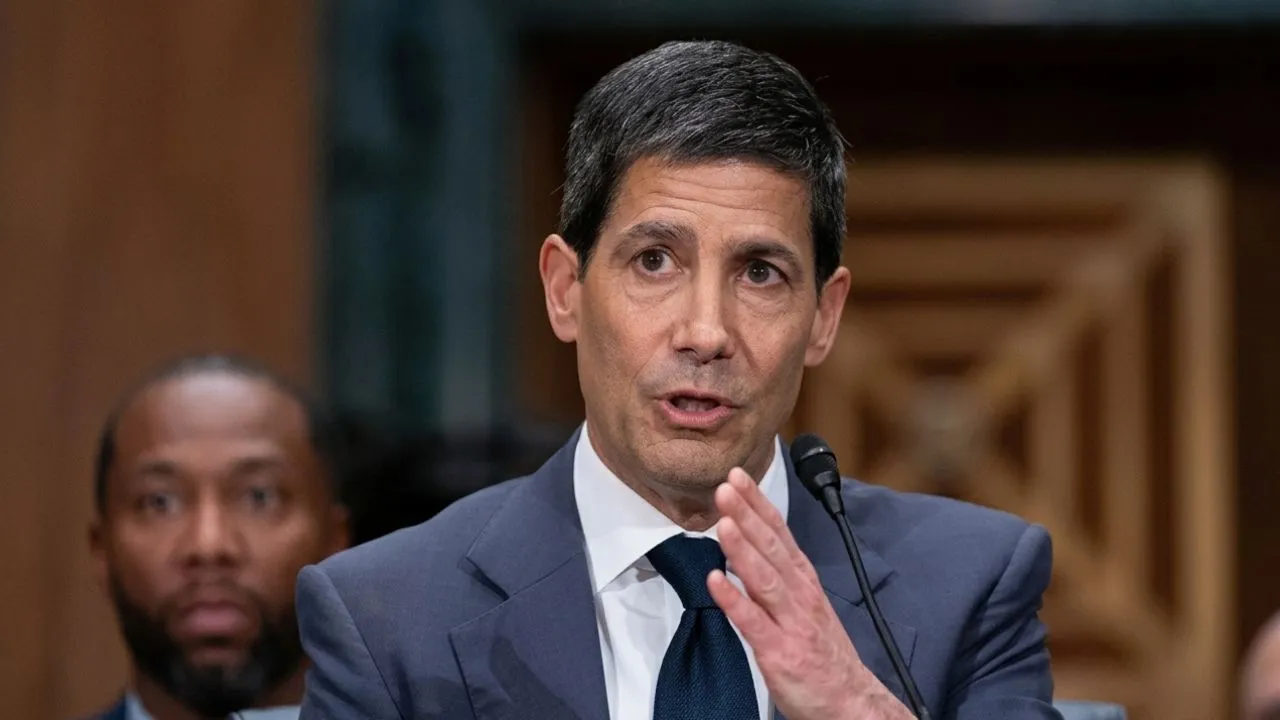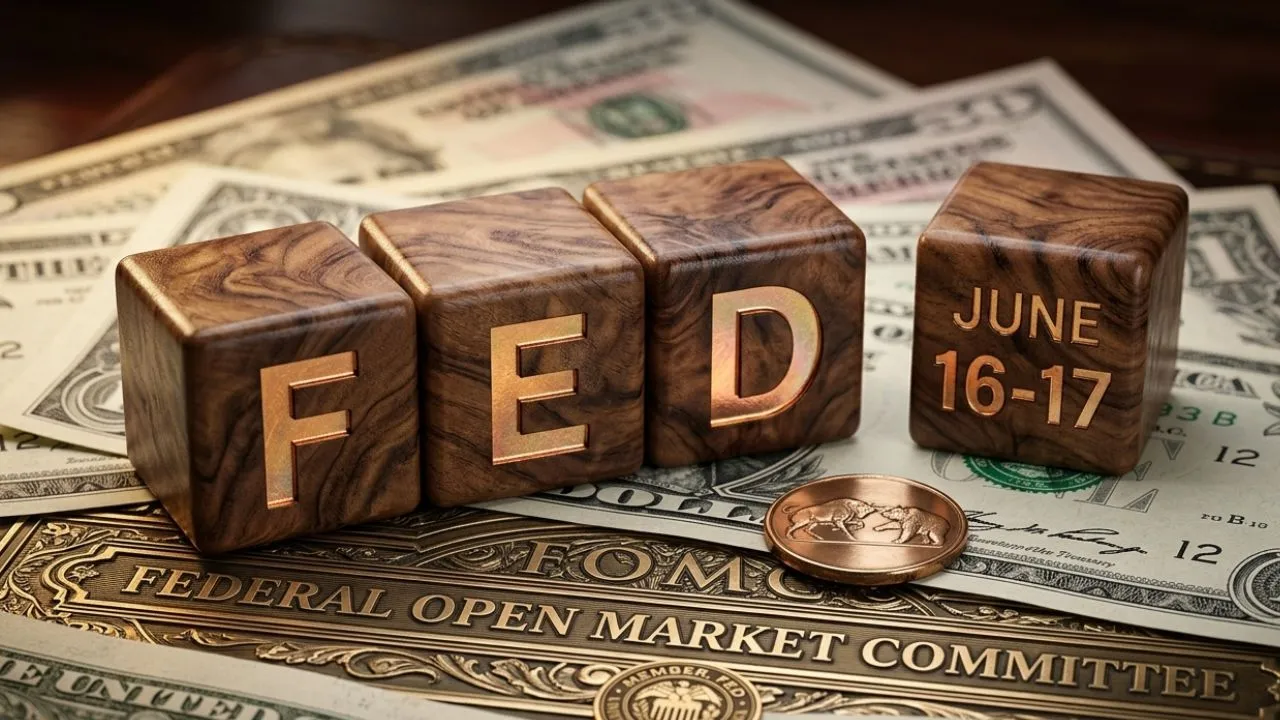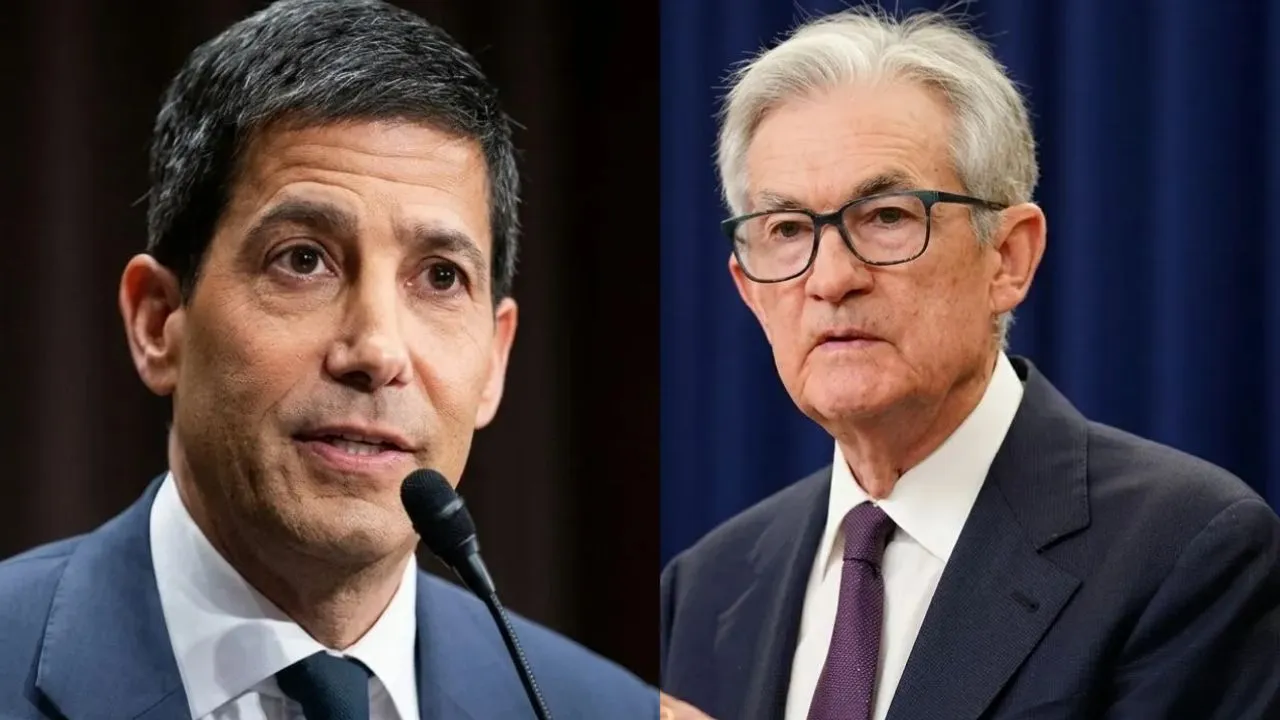

At the June 17, 2026 FOMC meeting, Federal Reserve Chair Kevin Warsh held the federal funds rate at 3.50 to 3.75 percent, the fourth consecutive meeting at which rates were held, per the official Federal Reserve statement at federalreserve.gov.
Kevin Warsh has now chaired his first full dot-plot Federal Open Market Committee meeting, the Fed has held rates steady for the fourth consecutive time, and every American carrying a balance on a credit card is living with the direct financial consequence of that decision.
The average credit card annual percentage rate in the United States stood at 20.7 percent entering this week, a level that is arithmetically connected to the federal funds rate in a relationship that lenders do not explain clearly and most cardholders have never had described to them.
The link is the prime rate. Every major credit card in the United States prices its variable APR as prime rate plus a margin that is fixed at the time the card is issued. The prime rate is set by commercial banks and moves in lockstep with the federal funds rate, sitting at precisely 3.50 percentage points above the lower bound of the Fed’s target.
When the Fed held at 3.50 to 3.75 percent at the fomc meeting schedule 2026 decision, the prime rate remained at 6.50 to 6.75 percent. Add the typical cardholder margin of 13 to 15 percentage points and you arrive at the 20 to 22 percent APR that is now standard across the consumer credit card market.
This is not a coincidental alignment. It is the Federal Reserve’s mechanism for transmitting monetary policy into household behavior. When the Fed raises rates to fight inflation, credit card rates rise in parallel, making it more expensive to carry a balance and theoretically encouraging households to spend less and pay down debt.
The prime rate federal reserve explained policy math works in aggregate, across 180 million cardholders simultaneously, even when any individual household’s behavior does not change.
What a Warsh Hold Actually Means
The June hold is not a neutral act. It is an active decision to maintain the current restrictive stance, and Warsh has signaled through both his public statements and the dot-plot projections released at the June meeting that he views persistent services inflation as incompatible with rate cuts in the near term.
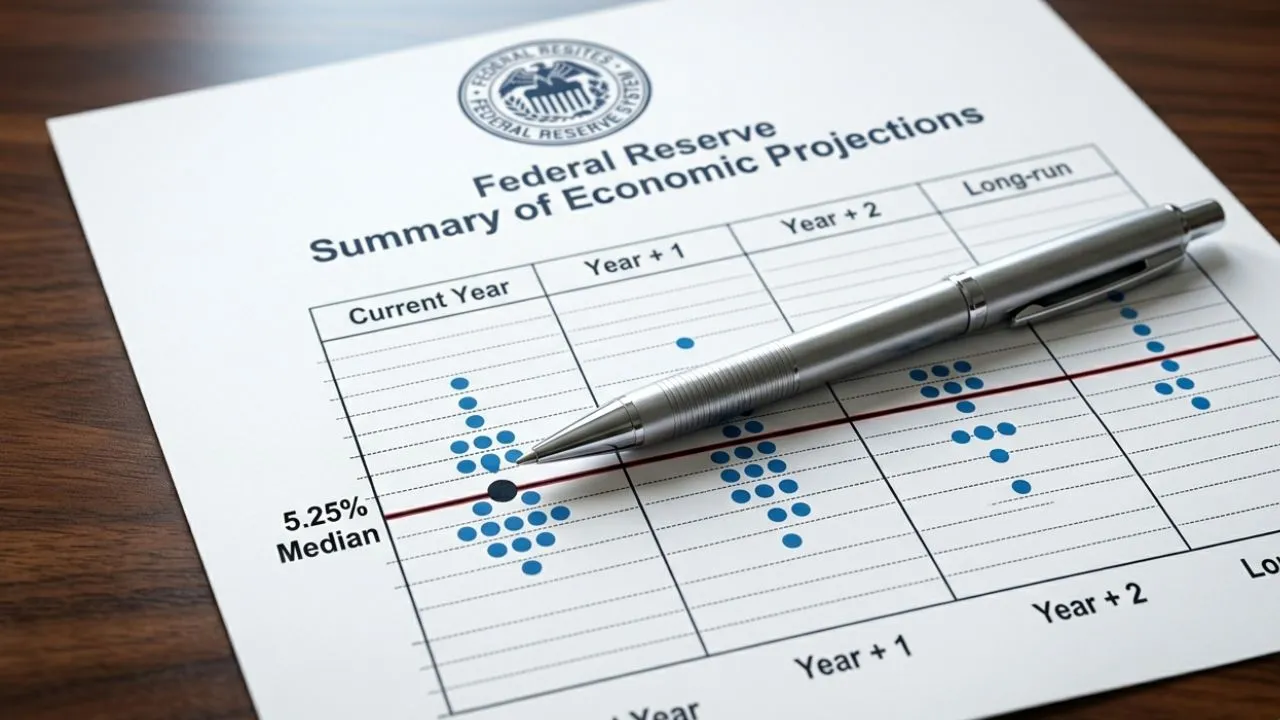
The FOMC’s median projection now places the next potential move as a quarter-point rate hike by yearend 2026, with a meaningful cluster of committee members projecting rates unchanged or higher through the first quarter of 2027.
For cardholders, the practical translation is that the 20.7 percent average APR is not a temporary condition. It is the policy-intended baseline for the foreseeable future, and any household carrying a revolving balance at that rate is paying an annualized cost on their debt that equals approximately one month’s take-home pay for every five thousand dollars they owe.
That arithmetic does not require a financial background to evaluate. It requires a calculator and the cardholder agreement sitting in a drawer. Warsh’s approach to warsh fed policy interest rates differs from his predecessor in one consequential dimension for consumers.
Powell telegraphed decisions extensively through public speeches and Fed communication channels, giving markets and households several weeks of advance notice before each rate move.
Warsh has indicated a preference for tighter pre-decision communication, which means the surprise probability for any individual FOMC meeting is higher under his chairmanship. A cardholder managing their balance around an anticipated rate cut timeline faces greater uncertainty about when that relief will arrive.
For the complete mechanics behind a hold decision like this one, including the committee vote, dissent count, and Chair Warsh’s public remarks, our Fed rate decision explainer offers the fuller institutional picture behind the APR outcome described here.
The Balance Transfer Calculation
The gap between 20.7 percent and zero is not bridged by waiting for the Fed to move. It is bridged by understanding the balance transfer market, which is currently competitive precisely because issuers are competing for high-balance customers at an elevated rate environment.
Balance transfer offers at zero percent for 12 to 21 months are functioning as a temporary consumer relief valve that operates independently of the federal funds rate. The prime rate mechanics do not govern promotional rates, which are issuer-funded marketing instruments.
The transfer fee, typically 3 to 5 percent of the transferred balance, is the cost of accessing the promotional rate. On a five-thousand-dollar balance at 20.7 percent, the interest cost over twelve months is approximately one thousand and thirty-five dollars. A 3 percent transfer fee on the same balance is one hundred and fifty dollars.
The differential is eight hundred and eighty-five dollars in the first year alone, with zero rate movement from the Fed required. That is the calculation that the fed rate hike credit card apr impact analysis rarely surfaces clearly.
The Fed’s hold is a headline. The credit card market’s response to the hold is the story that affects household finances this week. Understanding how the june 16 fomc meeting warsh first rate decision connects to the consumer wallet transforms a macro-monetary policy story into a personal financial plan.
Those two categories are connected by the same how the federal reserve controls interest rates mechanism, and knowing that mechanism is what separates a reader who watches the news from one who acts on it. The FOMC 2026 schedule carries two more potential decision dates before the end of the year, and each one is a moment where the credit card rate environment can shift.