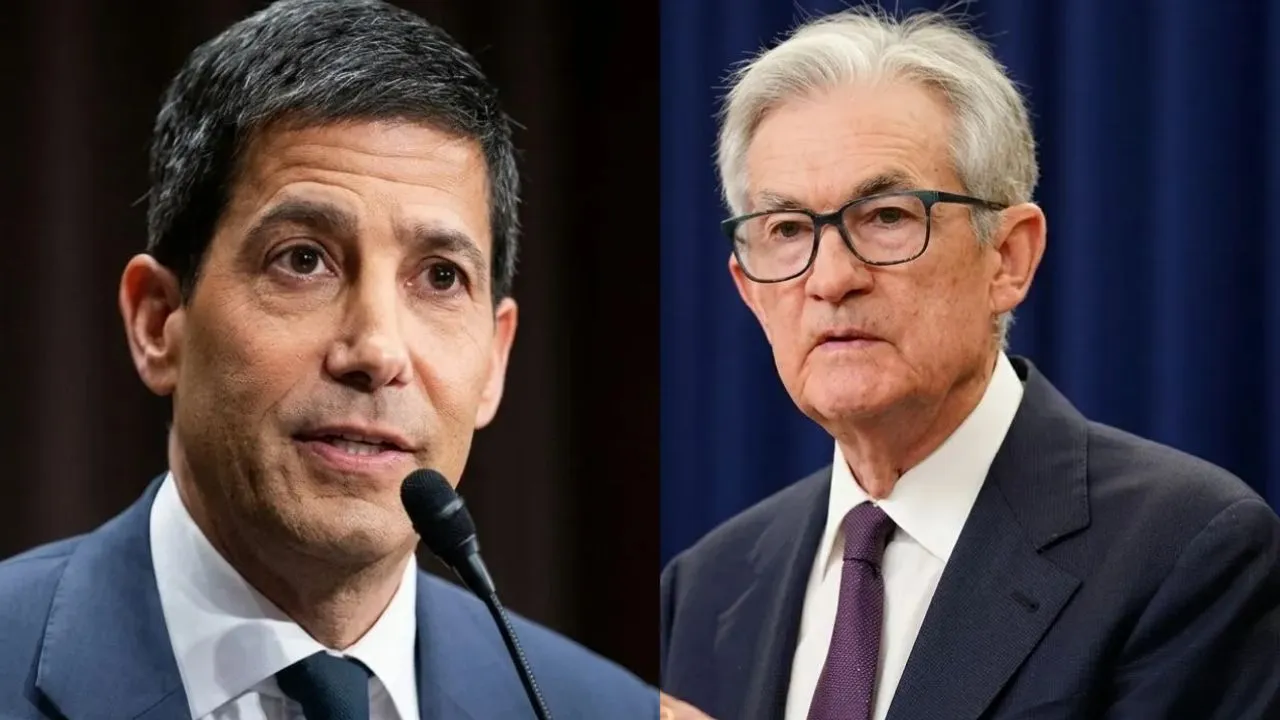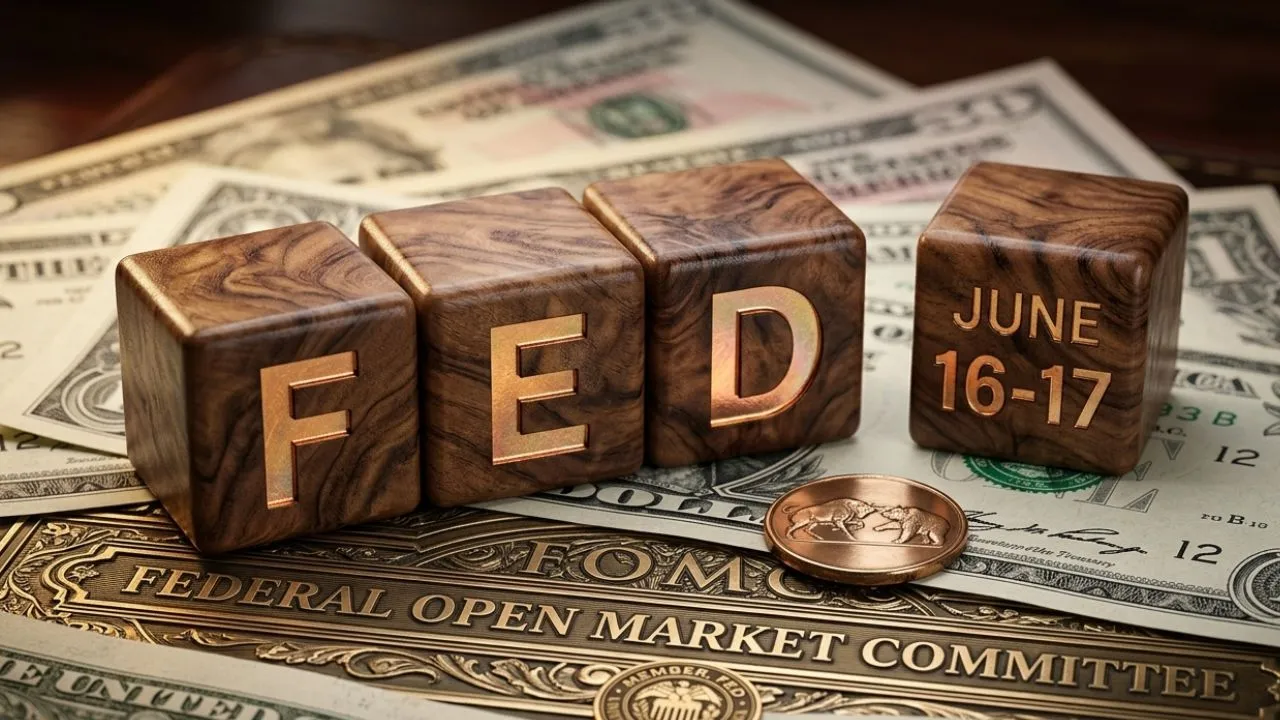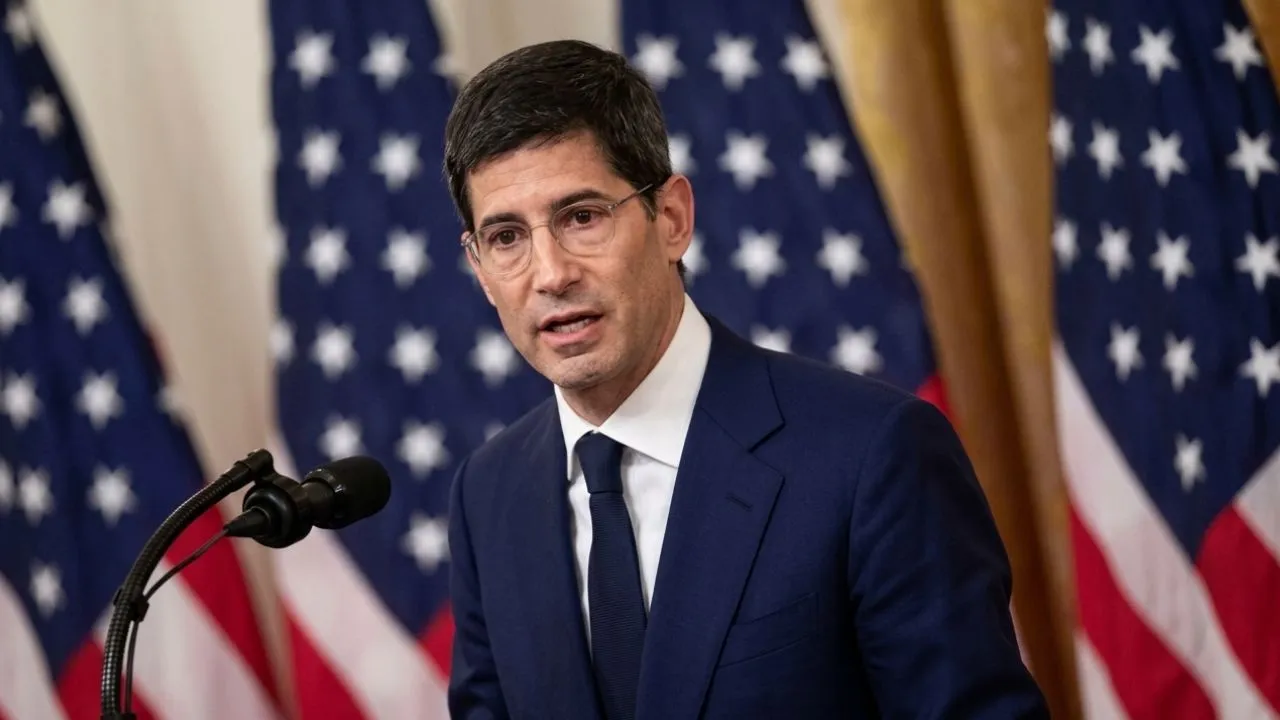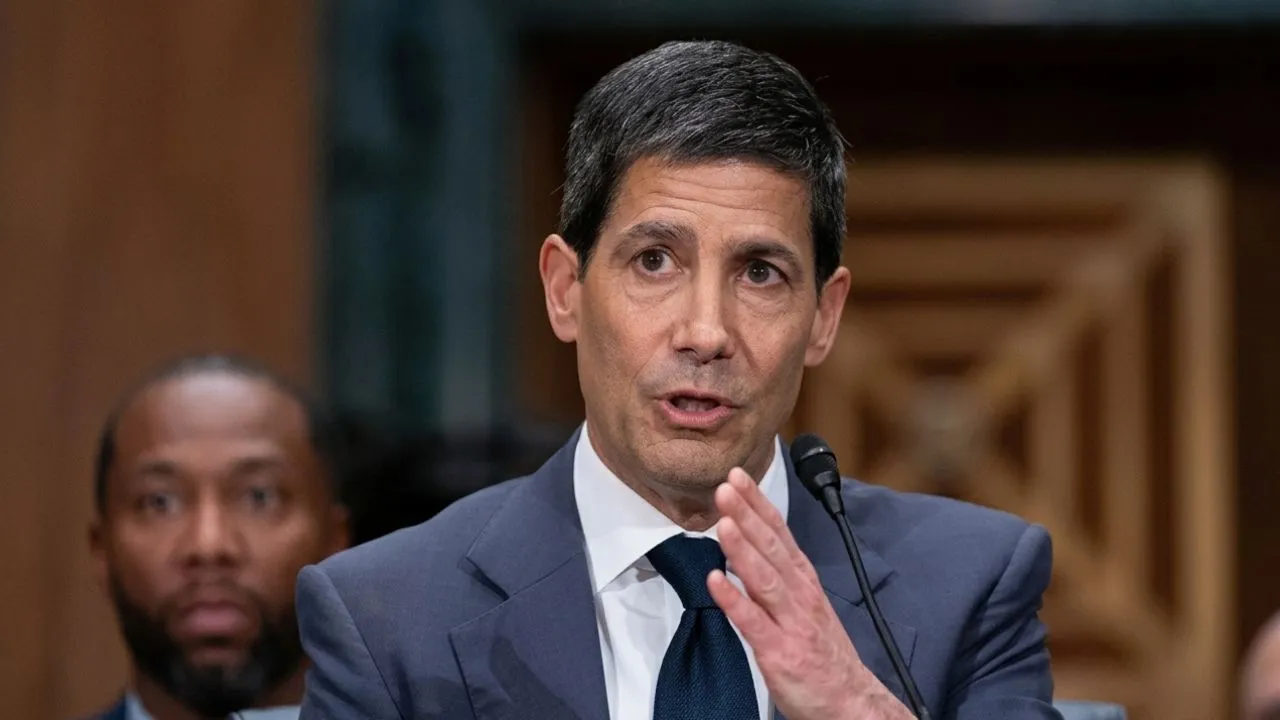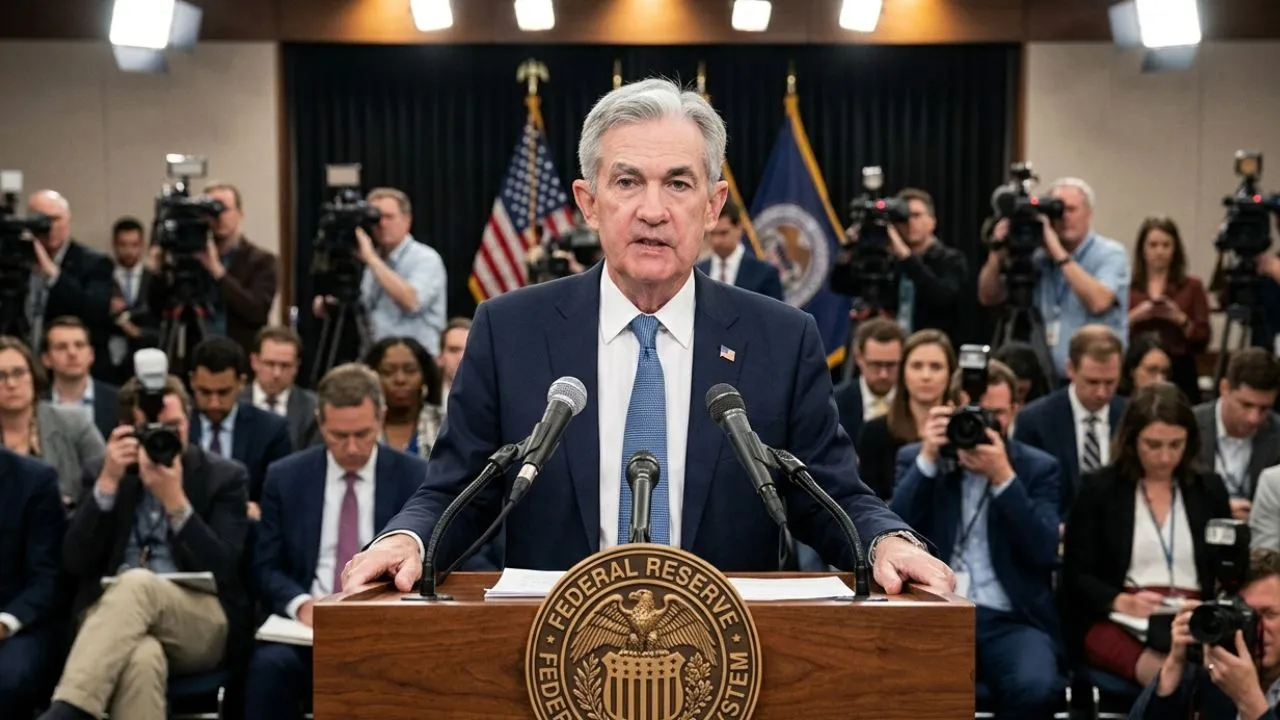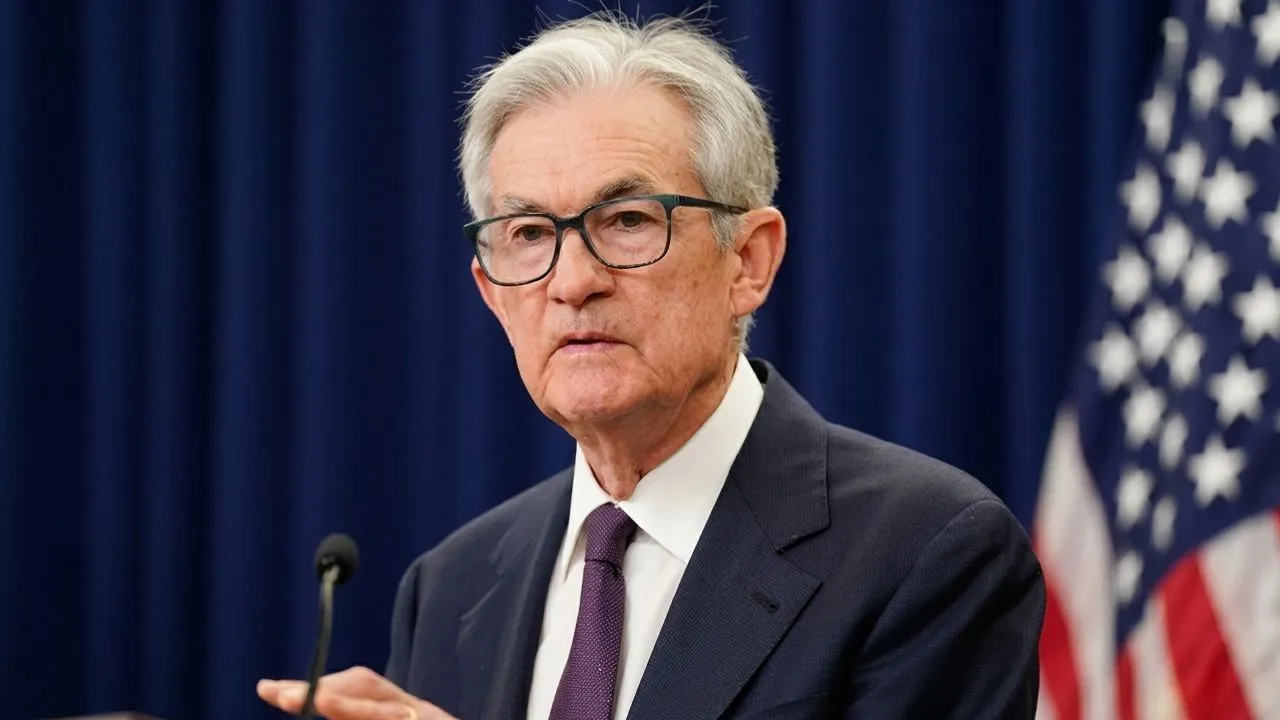

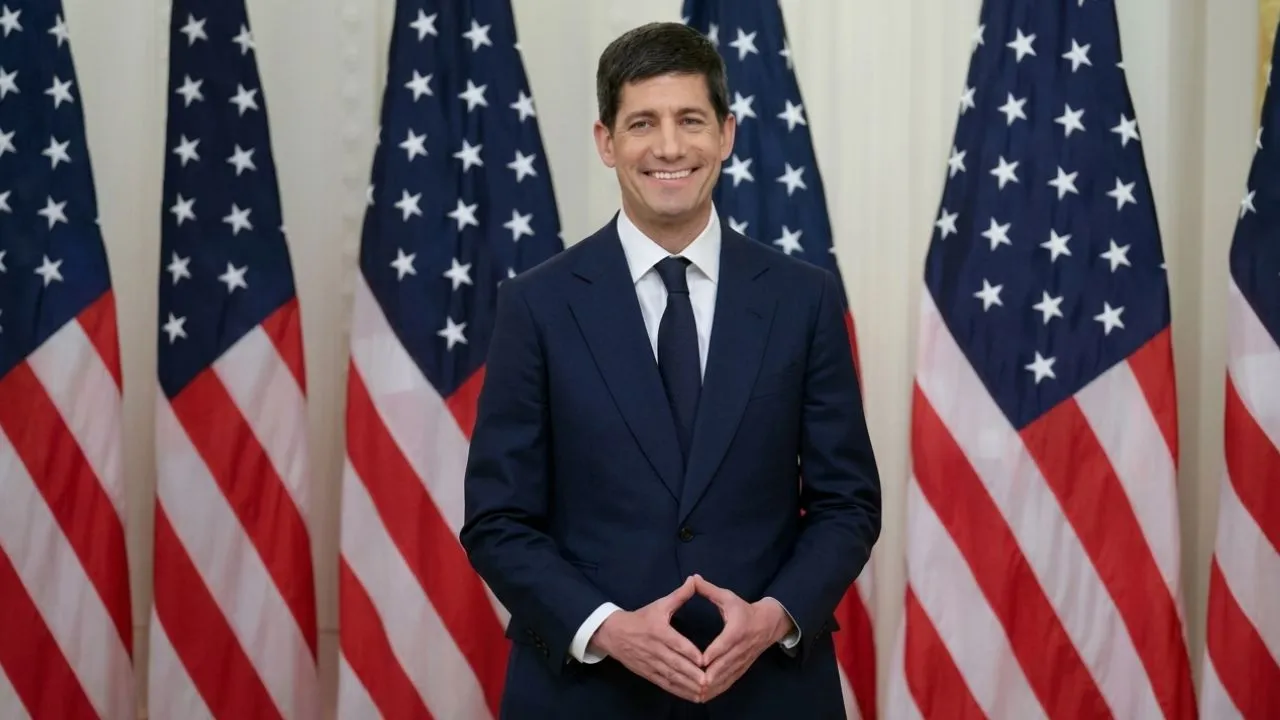
WASHINGTON – The Federal Open Market Committee officially convened its two-day policy session at 10:00 a.m. EDT on June 16, 2026, marking the inaugural meeting chaired by Kevin Warsh following his May 22 swearing-in ceremony.
The Federal Open Market Committee commenced its highly anticipated monetary policy meeting on June 16, 2026, where central bankers are widely expected to maintain the benchmark federal funds rate at its current restrictive target range of 3.50% to 3.75%.
This critical policy session represents the official debut of Kevin Warsh, who assumed leadership of the central bank after a tight Senate confirmation vote. While macroeconomic indicators and futures markets point toward a near-certain rate hold on June 17, the true narrative gripping Wall Street is the deep philosophical division fracturing the committee.
Investors searching for clarity on the question, “Did the Fed Raise Interest Rates Today?” must look past the headline number and focus on the unprecedented institutional struggle underway inside the Eccles Building during this historic June FOMC session.
The Real-Time Decision Matrix
Wall Street consensus indicates that the central bank will defer any immediate policy adjustments as the committee assesses a highly volatile economic landscape. High global energy prices, driven by recent geopolitical blockages in maritime trade routes, have kept core consumer price index metrics elevated.
However, a preliminary diplomatic breakthrough between the United States and Iran has begun driving retail gasoline prices lower, providing the committee temporary breathing room to leave the target range unchanged. The baseline expectation of a rate hold masks a profound regime shift in how monetary policy is formulated and communicated to the public following the arrival of the newly confirmed Fed chair.
This administrative realignment directly dictates the future path of consumer borrowing costs and household wealth accumulation. To understand how the transition from the previous administration to the current leadership alters personal finance parameters, consumers must track upcoming fed policy changes closely.
While a temporary hold keeps yields steady for the moment, the underlying mechanisms governing corporate liquidity and overnight banking reserves are actively shifting toward a stricter structural framework.
The June 16, 2026 Federal Reserve Policy & Transmission Matrix
| Metric / Parameter | Current Level / Market Data | Policy Context & Household Impact |
|---|---|---|
| Federal Funds Target Range | 3.50% – 3.75% | Baseline expectation: A 100% lock for a rate hold at this meeting. Yields on high-yield savings accounts and short-term CDs will remain elevated at current plateaus for the immediate future. |
| CME FedWatch Market Pricing | 97.4% Chance of Hold | Futures markets overwhelmingly price in a pause. However, Wall Street has priced a roughly 40% chance of a quarter-point hike by December 2026 due to sticky structural inflation. |
| Inflation Headwinds (CPI / PCE) | Core PCE at 3.3% | Inflation remains stubbornly above the Fed’s 2% target. Geopolitical maritime pressures have pushed headline numbers up, though the pending U.S.-Iran accord is easing immediate retail energy pressures. |
| Labor Market Status | 4.3% Unemployment (May) | Robust payroll additions in May demonstrate a resilient labor market. This economic strength gives Chair Warsh the flexibility to maintain a tighter structural framework without triggering immediate economic panic. |
| Leadership Regime Shift | Chair Kevin Warsh | Markets are closely watching the June 17 press conference for a transition to a more hawkish, communication-strict regime. Former Chair Powell remains a voting member, a unique “dual-shadow” dynamic. |
| Consumer Credit Transmission | Stricter Corporate Liquidity | While the benchmark rate is unchanged, credit conditions are actively tightening. Expect banks to demand higher credit scores and stricter debt-to-income ratios for mortgages, auto loans, and variable credit lines. |
The Internal Split: Powell Stays on the Board
The defining characteristic of this policy cycle is an unprecedented institutional friction that legacy media outlets have largely overlooked. Although Jerome Powell was replaced as Chairman, he did not exit the central bank entirely.
Powell continues to serve as an active member of the Federal Reserve Board of Governors, retaining a full, unexpired voting seat on the FOMC through 2028. This dynamic creates an immediate structural conflict within the committee’s voting ranks, testing the unified front typically presented to global markets.
Chairman Warsh has long maintained a critical view of modern central banking conventions, explicitly targeting the heavy use of forward guidance and public economic forecasts. Warsh favors a return to classical, rule-based monetarism, arguing that constant public forecasting distorts asset pricing and binds the committee to predictable paths.
Conversely, Governor Powell’s entire institutional legacy is anchored to public transparency, setting up a direct philosophical collision over the future of the traditional dot plot framework.
The Shift in the 2026 Rate Cut Timeline
For millions of American households trying to determine, “Did the Fed Raise Interest Rates Today,” the broader concern centers on when borrowing costs will finally decline. The internal divisions under the new leadership suggest that the prospect of any immediate interest rate relief this year is effectively shifting.
Major institutional research desks have fundamentally revised their macroeconomic forecasts, pushing their projections for the next rate reduction entirely out of the 2026 calendar year and deep into 2027.
The revised consensus maps out a prolonged trajectory of baseline stability where the immediate policy window sets a flat baseline anchor. Following this decision, projections for the remaining months of 2026 indicate a sequence of strict, flat pauses where the central bank holds policy steady to let restrictive conditions settle.
Relief is not anticipated until mid-2027, where early forecasts map out a projected 25-basis-point reduction to begin easing the monetary framework, directly delaying the anticipated savings rate impact that depositors have been awaiting.
What Happens Next
As the Federal Reserve completes its policy deliberations over the next 24 hours, market participants must prepare for immediate operational changes in commercial banking behavior.
High-yield savings accounts and certificates of deposit will maintain their current payout structures through the summer, giving savers an incentive to lock in long-term yields now before the new administration alters the communication framework. Meanwhile, variable-rate credit cards and home equity lines of credit will see no immediate relief, as annual percentage rates remain tied to the elevated prime rate.
Wall Street will parse every syllable of the post-meeting press conference to evaluate the evolving institutional landscape. If the central bank limits its forward-looking statements or hints at a permanent reduction in public forecasting, bond market volatility will adjust as traders adapt to a less predictable central bank environment.
For ordinary consumers, navigating this transition requires a sharp focus on personal debt reduction and the optimization of fixed-income banking yields to protect household purchasing power.
What This Means
To protect your personal finances during this period of institutional transition, secure current multi-year certificate of deposit rates while the federal funds target remains held at its current peak. It is equally important to prioritize the liquidation of variable-rate consumer obligations, as the terminal rate is projected to remain elevated well into next year.
Finally, keep a close eye on commercial bank deposit rates, as changes in the central bank’s balance sheet management will alter institutional liquidity and loan pricing over the long term.