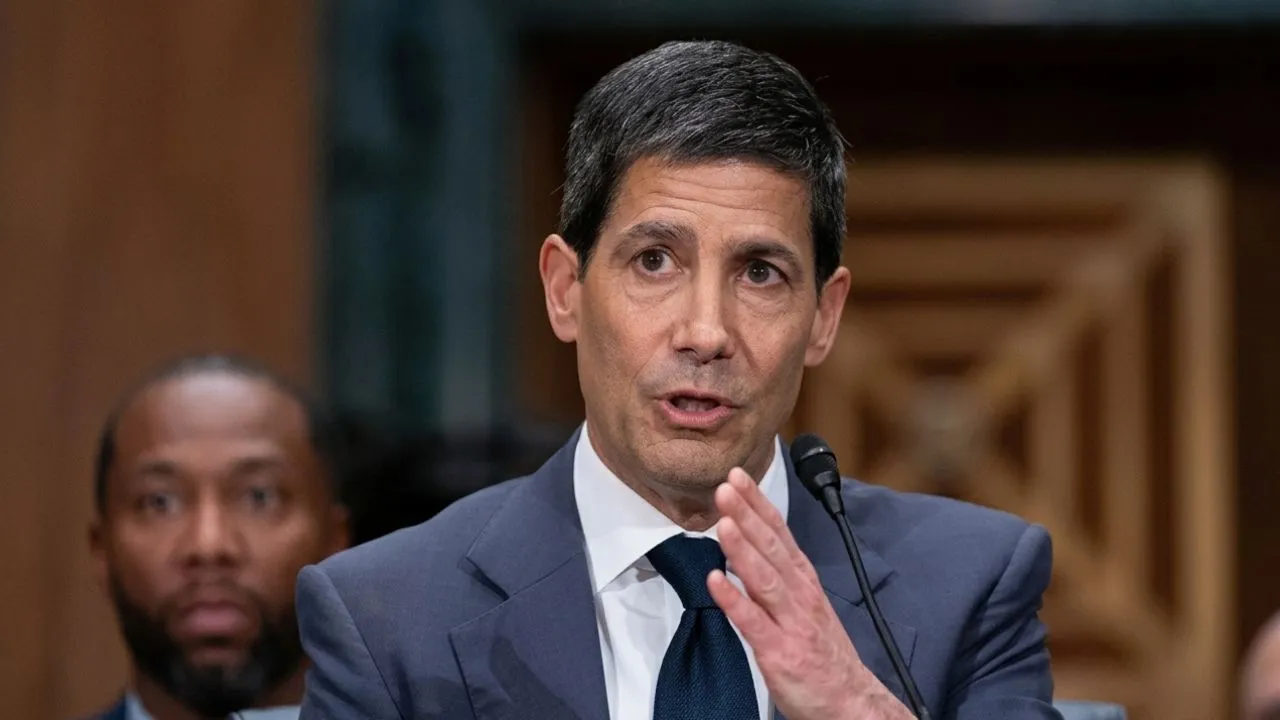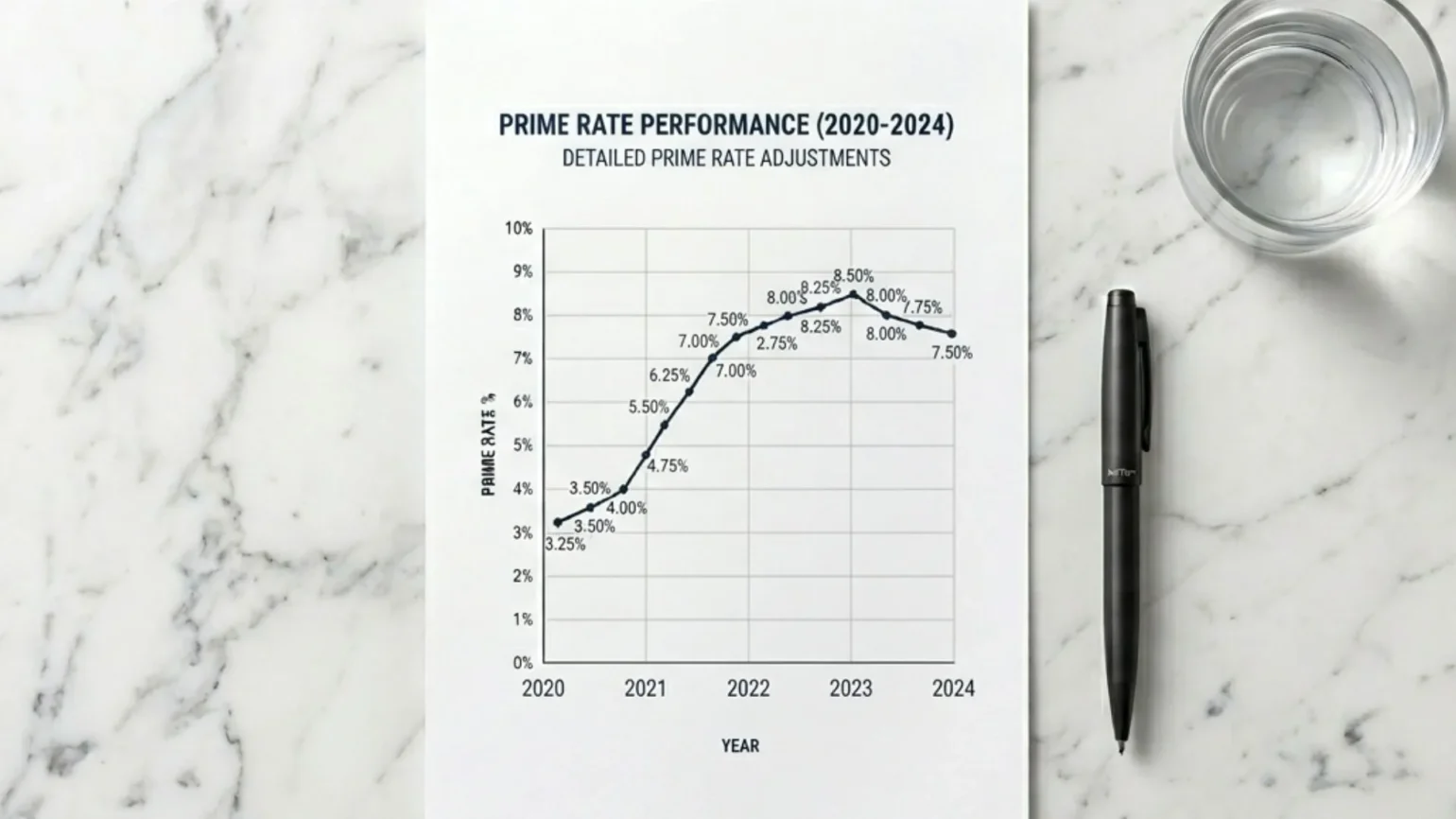
The Federal Reserve just decided to leave interest rates unchanged, holding the benchmark federal funds rate at 3.50% to 3.75% at the conclusion of its June 16–17 FOMC meeting.
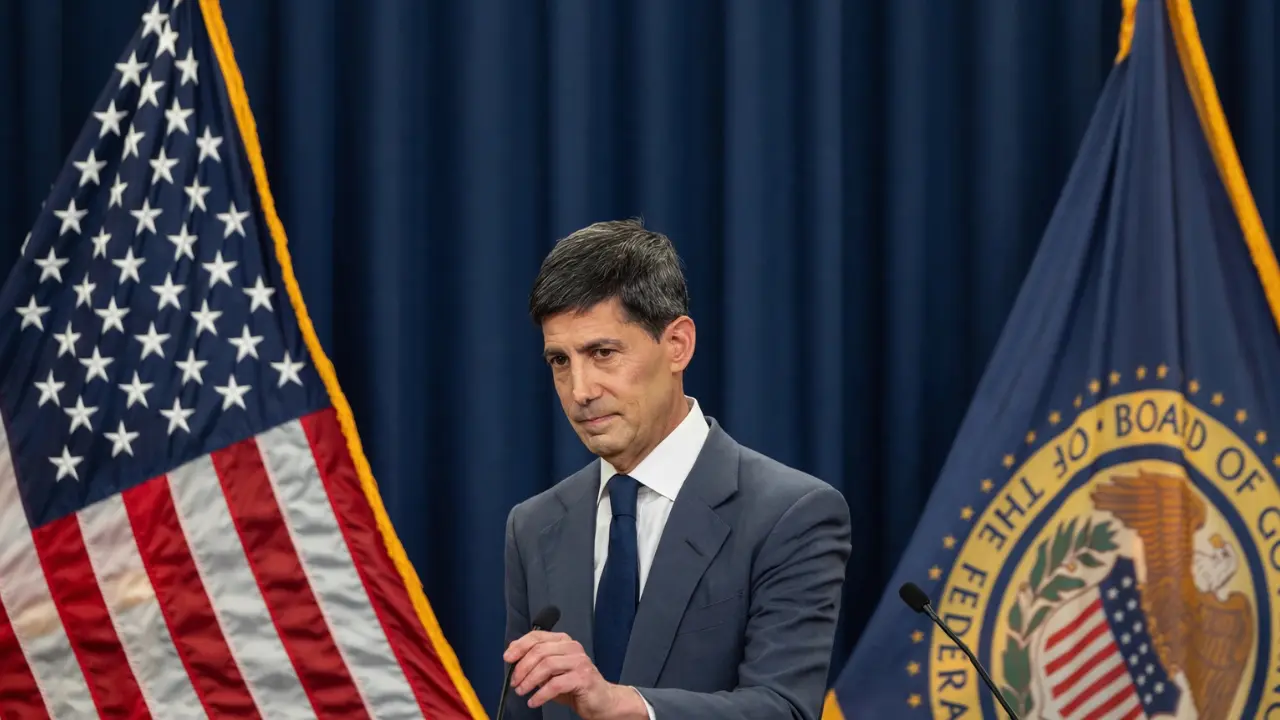
The central bank’s highly anticipated Summary of Economic Projections and updated dot plot are now available via the official portal at FOMC calendar. All eyes now shift to macro policy implementation and forward guidance as Fed Chair Kevin Warsh prepares to hold his first live press conference at 2:30 PM ET.
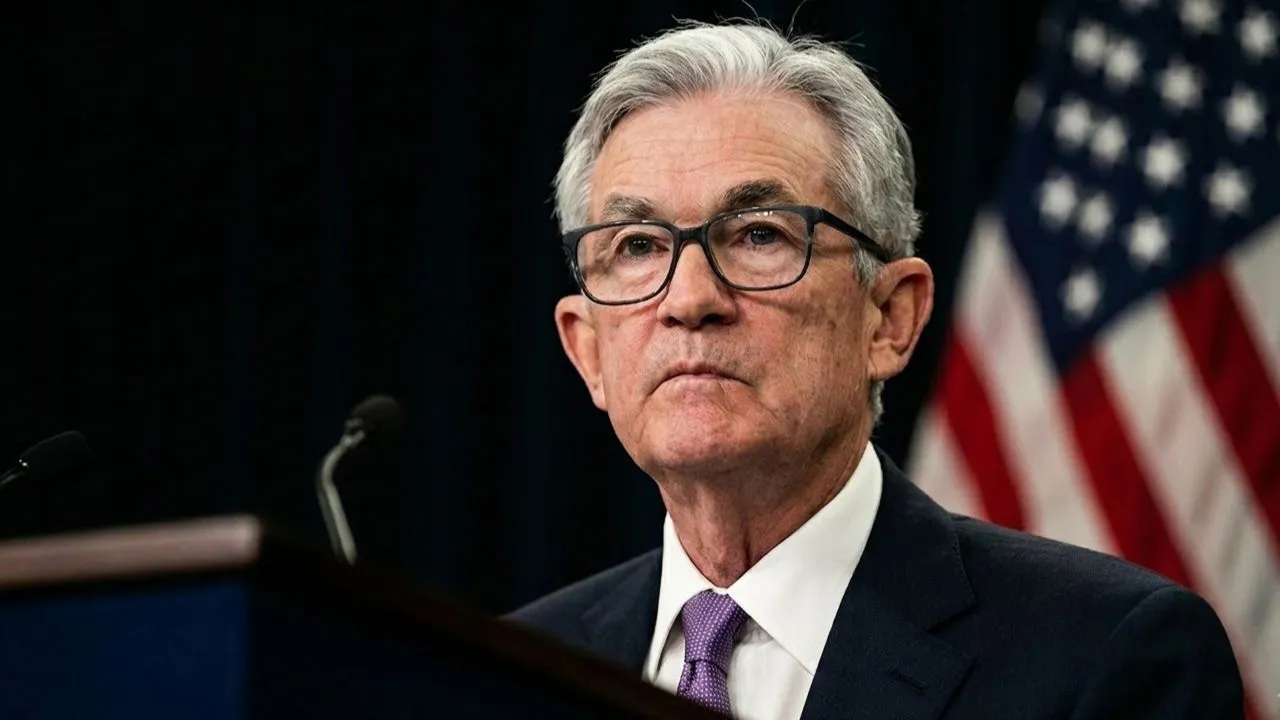
This historic unanimous vote marks a decisive regime shift, following the May rate hold that served as Jerome Powell’s final decision as chair. This first official policy action under Chair Warsh sets a flat interest rate trajectory for every American household through the end of 2026, anchoring borrowing costs at a multi-year plateau.
| Policy Variable | Powell Era Baseline (May 2026) | New Warsh Era Directives (June 17) |
|---|---|---|
| Federal Funds Rate | 3.50% – 3.75% | Unchanged (3.50% – 3.75%) |
| Committee Vote | Fractured 8–4 Split | 12–0 Unanimous Rate Hold |
| 2026 Easing Bias | Maintained / Indicated | Officially Scrubbed from Text |
| Median 2026 Cuts | 1 Projected Cut | 0 Projected Cuts (Flat Path) |
This is not a Wall Street event. It is arithmetic that reaches your bank balance within 72 hours of the 2:00 PM ET announcement.
What the FOMC Decided and Why This Meeting Changes Everything
Today’s meeting is one of only four annual FOMC sessions that releases the Summary of Economic Projections alongside the rate decision. The dot plot, the grid of individual policymaker rate forecasts, publishes at exactly 2:00 PM ET at federalreserve.gov alongside the official policy statement.
The dot plot matters more than the rate decision itself today. Even if Warsh holds the federal funds rate unchanged at 3.50 to 3.75 percent, a dot plot showing fewer projected cuts in 2026 and 2027 will move savings rates, mortgage pricing, and Treasury yields within hours. The dot plot projections function as the committee’s forward map and under Warsh, that map is being redrawn for the first time.
Three factors make this meeting structurally different from every prior 2026 session.
First, Warsh has publicly stated a preference for reducing the Fed’s forward guidance, the practice of pre-signaling future rate moves that markets have priced off since 2012. If today’s statement removes or weakens the easing bias language retained through Powell’s tenure, markets will price out any 2026 rate cut probability within the same trading session.
Second, the April 29 FOMC meeting produced an 8-to-4 vote, the most divided committee since October 1992. Four officials dissented in opposite directions. Warsh now chairs that fractured room for the first time.
The dissent count in today’s statement tells you whether he has begun building consensus or whether the division deepened. The full committee division analysis maps each bloc and what their positions mean for the rate path.
Third, inflation has not cooperated with a cut narrative. The Producer Price Index rose 6.0 percent annually through April 2026, confirmed by the Bureau of Labor Statistics. CPI held at 3.8 percent. These are the hardest inflation numbers Warsh inherits, and they constrain his options at the table regardless of his preferred policy posture.
The Fed’s official monetary policy framework requires the committee to evaluate price stability and maximum employment simultaneously before each vote. Both mandates are under pressure today. That dual tension is what makes the 2:30 PM ET press conference, Warsh’s first, as consequential as the statement itself.
What This Decision Does to Your Savings Account, CD, and Mortgage Within 72 Hours
The Federal Reserve does not change your savings account rate. Your bank does. But your bank acts within hours of a Fed signal, and the savings repricing sequence runs on a four-step institutional clock that begins the moment the 2:00 PM ET statement drops.
Step one occurs within hours. Primary dealers, the 24 institutions authorized to trade directly with the Federal Reserve, listed at federalreserve.gov, reprice their Treasury bids immediately based on the new rate signal. The 2-year Treasury yield moves within minutes of publication.
Step two occurs within 24 to 72 hours. Online banks and high-yield savings platforms reprice their consumer APYs based on the 2-year yield movement. If today’s dot plot signals a rate hold through year-end with no projected cuts, savings APYs at competitive institutions hold near current levels. If the dot plot signals cuts in the back half of 2026, APYs begin compressing before the actual cut arrives.
Step three occurs within 3 to 7 business days. CD rates at competitive institutions follow the forward rate curve. A saver with a CD maturing this week faces a direct reinvestment decision that today’s dot plot resolves.
Step four occurs within 2 to 4 weeks. Traditional brick-and-mortar banks reprice at roughly 40 to 60 percent of any rate move over a longer lag. If your savings are at a large traditional institution, the repricing from today’s signal will not appear in your account until early July.
For mortgage holders, the 30-year fixed rate does not wait for today’s vote. It prices off the 10-year Treasury yield, which responds to FOMC language within minutes of publication.
A hawkish Warsh statement, removing the easing bias, showing no projected 2026 cuts in the dot plot, pushes the 10-year yield higher within the first 30 minutes of the press conference. On a new $400,000 mortgage, a 20-basis-point yield increase adds approximately $53 per month and over $19,000 across the loan’s life.
The Warsh treasury yield environment that began shifting in May is now receiving its first official confirmation or recalibration. The 30-year Treasury yield above 5.15 percent has already repriced mortgage markets. Today either validates or interrupts that trajectory.
For Social Security recipients, the June 17 decision feeds directly into the 2027 COLA calculation. The COLA formula uses CPI-W data from August, September, and October 2026.
Whether Warsh holds or cuts today affects the inflation environment across those three months and therefore the dollar amount of every 2027 benefit check. Current projections sit between 3.5 and 4.2 percent depending on the rate path that today confirms.
The Warsh Communication Shift and What It Means After 2:30 PM ET
Jerome Powell built the Federal Reserve’s recent communication architecture on transparency. He signaled future moves in advance, maintained consistent narrative language across statements, and used press conferences to anchor market expectations. That architecture ends today.
Warsh described excessive forward guidance at his Senate Banking Committee confirmation hearing as a practice that “mortgages the committee’s future flexibility.” His preference is for the Fed to communicate what it observes and what it decides, not what it intends to do at future meetings.
The practical consequence for anyone with a rate-sensitive financial product is wider spreads and more volatility between FOMC meetings. Without advance signals, banks must price savings APYs, CD yields, and mortgage rates based on current data rather than Fed promises. This creates a less predictable rate environment than the Powell era produced, but one that responds faster to incoming economic data.
Watch the 2:30 PM ET press conference for three specific signals. First: whether Warsh uses the phrase “data dependent” without specifying which data, this is the reduced forward guidance posture in real time.
Second: how he characterizes current inflation, “elevated” versus “persistent” versus “moderating” carries direct policy implication. Third: whether he addresses the Fed’s $18.7 billion annual operating loss from the balance sheet position inherited from the pandemic-era bond purchase program, which constrains his rate options in ways the headline rate number does not show.
The full Warsh policy framework and what it changes across communication, balance sheet management, and committee consensus-building is the permanent institutional context behind every signal he sends today.
What Happens Next
The sequence after 2:00 PM ET is mechanically predictable regardless of the specific outcome.
By close of business today, major online banks will have internally queued savings rate adjustments for deployment within 24 to 72 hours. By June 20, most HYSA rate changes will be live in consumer accounts. By June 24, CD rates at competitive institutions will reflect the new rate path signal from today’s dot plot.
The next FOMC meeting is July 29 to 30, 2026. Under Warsh’s stated preference for fewer meetings, he has signaled potential reduction from eight to four annual sessions, the July meeting may carry expanded significance as a potential restructuring point. The FOMC meeting schedule shows the full 2026 calendar and the data windows between each decision.
Between today and July 29, three data releases will shape whether Warsh moves or holds again: the June jobs report, the June CPI, and the June PPI. All three publish before the July meeting. The direction of those readings either validates today’s decision or complicates it.
For IRS refund recipients and Social Security beneficiaries, the Bureau of the Fiscal Service at the U.S. Treasury disburses all federal payments through the FedACH network on a schedule completely independent of today’s Fed decision. The federal payment system operates on its own institutional clock. What changes is the interest rate environment in which those deposited funds sit.
The fed rate decision announced today is a permanent inflection point. Whether Warsh holds, cuts, or raises, the institutional consequence of his first press conference at 2:30 PM ET will define market expectations for the next 8 to 12 weeks.
What This Means
The fed rate decision at 2:00 PM ET today is not an abstract policy event. It is a direct mechanical input into what 150 million Americans earn on savings, pay on mortgages, and lock in on CD renewals. The dot plot publishing simultaneously tells you whether current yields are a ceiling or a temporary plateau.
What You Should Do Right Now
- Review the newly released Summary of Economic Projections on the official FOMC calendar portal rather than relying solely on media summaries, as the redrawn policymaker grid has shifted the 2026 interest rate map.
- Log into your high-yield savings account today and document your current APY. Compare it again by June 20; any movement reflects the market’s rapid interpretation of today’s policy signal.
- Note the critical structural shift confirmed during Chair Warsh’s debut press conference; the official removal of the traditional easing-bias language directly signals that 2026 rate cuts are no longer expected.
- If you hold a CD maturing before the July 29 session, move forward with your reinvestment choices now that the post-press-conference rate environment is fully locked in and clear.
- Follow the June 17 savings impact analysis and the federal reserve policy guide for the confirmed outcome and its full consumer implications as additional details become available.