


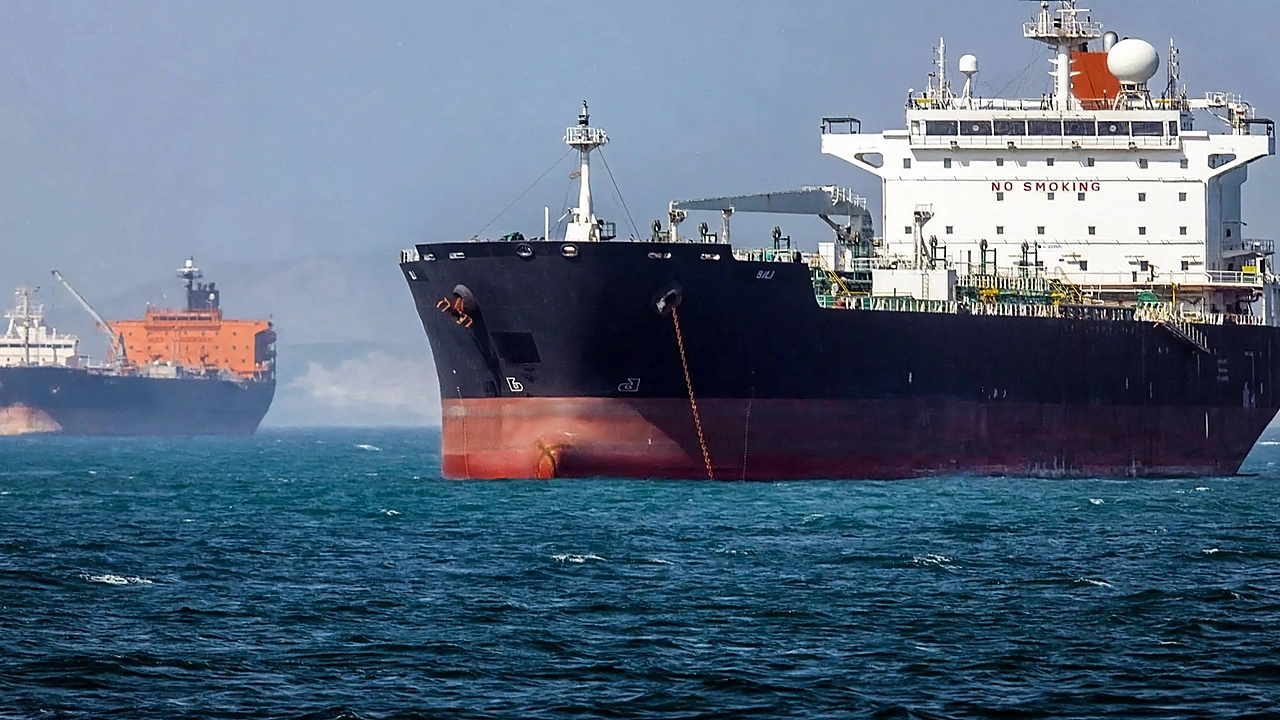
Oil prices fell below $100 a barrel Tuesday after a senior Iranian official told Reuters that Tehran could reopen the Strait of Hormuz within seven days if the United States eases military pressure and lifts its blockade on Iranian ports, adding a concrete timeline to diplomatic signals that had already begun pulling down crude prices.
The statement, reported by Reuters on September 22, said Washington would first need to formally signal that it wanted a diplomatic resolution. The official said Iran had sent its proposal to the United States through mediators on September 16 and that Tehran’s delegation at the United Nations General Assembly had authority to pursue diplomacy.
The report marked a significant change from the position publicly emphasized only two days earlier. Investozora reported Sunday that Iran had linked any reopening of Hormuz to U.S. commitments being met, without providing a near-term reopening timetable.
But the latest account is disputed. Iran’s semi-official Fars News Agency later cited Iranian sources saying reports that Tehran had offered to reopen Hormuz within seven days were inaccurate. That leaves the proposed timeline unconfirmed as official Iranian policy, even though Reuters separately reported the statement directly from a senior Iranian official.
Oil markets reacted sharply to the prospect of more Gulf supply. November Brent crude fell as low as roughly $98 a barrel during Tuesday trading, reaching a two-week low, after settling at $100.34 on Monday. Reuters later reported Brent at $99.92 while U.S. crude traded at $95.33. The move extended the decline documented in Investozora’s September 21 report on recovering Saudi exports and Iran diplomacy.
The Iranian report was not the only source of downward pressure on crude. Reuters said Saudi Arabia had restarted operations on its East-West Pipeline and could resume exports from the Red Sea port of Yanbu, providing another route for Saudi crude that does not depend on Hormuz.
The Strait remains central to the oil market because normal flows through it are enormous. The U.S. Energy Information Administration’s latest chokepoint data show that oil flows through Hormuz averaged 21.6 million barrels per day in the fourth quarter of 2025 before falling to 4.9 million barrels per day in the second quarter of 2026 as the regional conflict disrupted shipping.
That means even a partial normalization could materially change the amount of Middle Eastern oil reaching global markets. It could also reduce some of the energy-price pressure that has complicated the inflation outlook and monetary policy. Investozora has previously explained how prolonged Hormuz disruptions can move from crude markets into U.S. gasoline prices, inflation and household costs.
For now, however, there is no verified agreement reopening the strait. Reuters reported that the Iranian proposal remains conditional on U.S. actions, while the later Fars denial creates uncertainty over whether the seven-day timetable represents Tehran’s broader negotiating position.
The next test is whether U.S.-Iran contacts at the United Nations produce documented commitments and whether commercial vessel traffic through Hormuz actually begins to recover. Until either happens, Tuesday’s oil decline reflects a market repricing of the possibility of reopening, not confirmation that the disruption has ended.
