

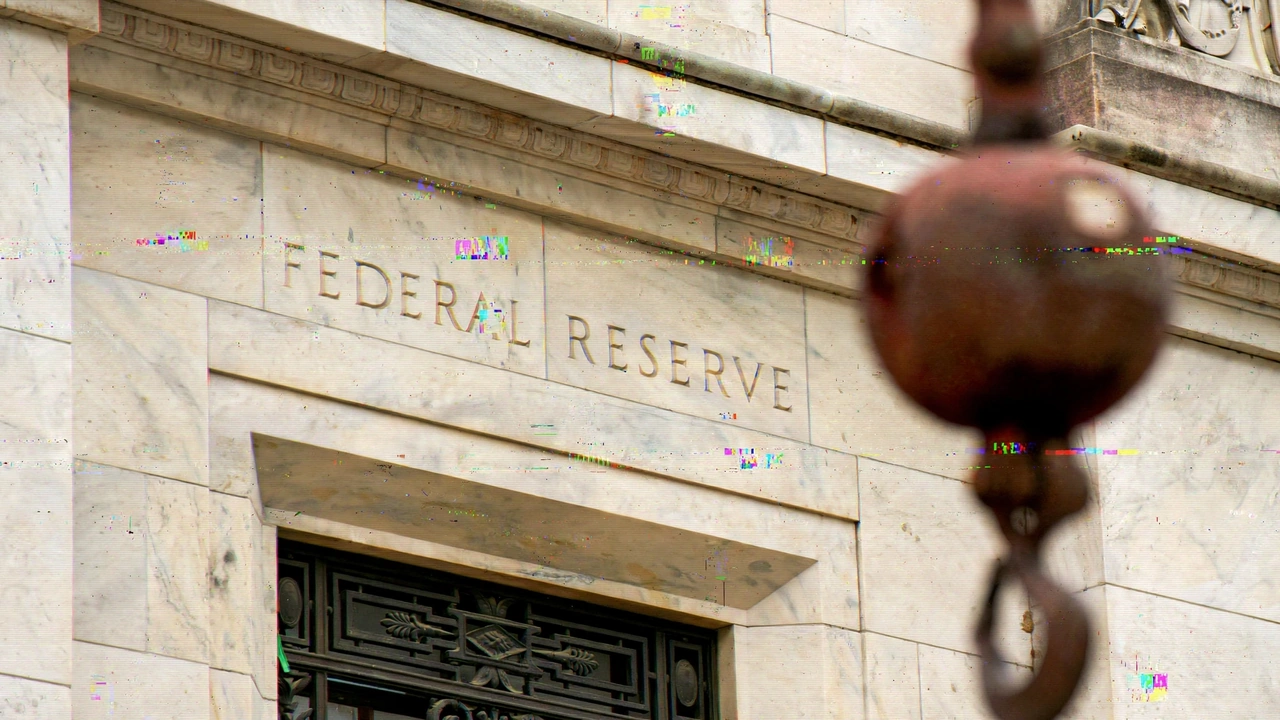
The Federal Reserve proposed a detailed regulatory framework Thursday for payment stablecoin issuers under its supervision, including one-to-one reserve backing, new capital requirements and a two-business-day redemption standard as the central bank moves to implement the GENIUS Act.
The Fed’s September 24 stablecoin proposals are not final rules. The Board is seeking public comment on two rulemakings: one governing stablecoin issuers, reserves, capital, custody and risk management, and another establishing an application process for state member banks seeking approval for subsidiaries to issue payment stablecoins.
The first proposal would require a Board-supervised permitted payment stablecoin issuer to maintain reserve assets with a fair value equal to or greater than the par value of its outstanding stablecoins at all times.
Under the Fed’s detailed GENIUS Act proposal, permissible reserves would include U.S. dollars, Federal Reserve Bank balances, qualifying deposits at insured depository institutions, Treasury securities with remaining maturities of 93 days or less, certain overnight repurchase and reverse-repurchase arrangements, and eligible investment funds holding permitted reserve assets.
That moves the Fed from the statutory framework Congress created in the GENIUS Act toward specific operating requirements for issuers under the Board’s jurisdiction. The proposal would also require issuers to record the fair value of their reserves at least once each calendar day.
If an issuer falls below the one-to-one backing requirement, it would have to notify the Fed and submit a plan to restore compliance. Unless it returned to full backing or the Fed approved a remediation plan, the issuer would ultimately have to liquidate reserves and redeem outstanding stablecoins.
Capital requirements would operate separately from the reserve requirement. The Fed proposes a 2% capital charge on uninsured deposit claims and undercollateralized reverse-repurchase exposures held as reserve assets.
Operational-risk capital would depend partly on the amount of stablecoins outstanding. The proposed charge would equal 2% on the first $20 billion, 1.5% on the next $30 billion and 1% on outstanding stablecoins above $50 billion, with another component tied to revenue from activities outside reserve assets.
The framework therefore distinguishes between assets backing the stablecoin and capital available to absorb losses arising from the issuer’s operations or particular reserve exposures.
The Fed would also require issuers to publish redemption policies and generally complete redemptions within two business days, although the proposal provides limited exceptions and would allow the Board to extend that period under specified circumstances.
For banks, the package creates another important path into the stablecoin market. An insured state member bank seeking to issue payment stablecoins through a subsidiary would first need Fed approval. Under the proposed application procedures, applicants would provide a business plan, financial information, policies and procedures, proposed capital structure and other supporting documents.
The rules would also clarify which digital-asset activities are permissible for Fed-supervised banking organizations and establish standards for institutions that safeguard stablecoin reserves and related assets.
The proposal could have implications beyond issuers themselves. Because short-term Treasury securities are among the permissible reserve assets, growth in regulated stablecoin issuance could create another source of demand in that part of the Treasury market. The Fed’s own rulemaking says stablecoin issuers could interact with primary dealers and other Treasury-market participants as they acquire reserve assets.
That connection is particularly relevant as the Fed continues managing the banking system under an ample-reserves framework. Investozora’s guide to the Federal Reserve’s balance sheet explains how reserve balances and Treasury securities fit into the central bank’s broader financial architecture.
Fed Governor Michael Barr supported moving the proposal forward but identified issues that remain unsettled. In his September 24 statement, Barr said public feedback would be important on whether the framework adequately handles interest-rate and foreign-currency risks and said clear redemption rights would be important for confidence in stablecoins.
The proposals were approved unanimously by the Federal Reserve Board. The comment periods will run for 60 days after publication in the Federal Register, after which the Board can revise the proposals before issuing final rules.
The timing of the final regulations matters. Under the GENIUS Act, the law becomes effective on the earlier of January 18, 2027, or 120 days after the primary federal payment stablecoin regulators issue final implementing regulations. Until the Fed completes that process, Thursday’s reserve, capital and application requirements remain proposed rather than binding.