
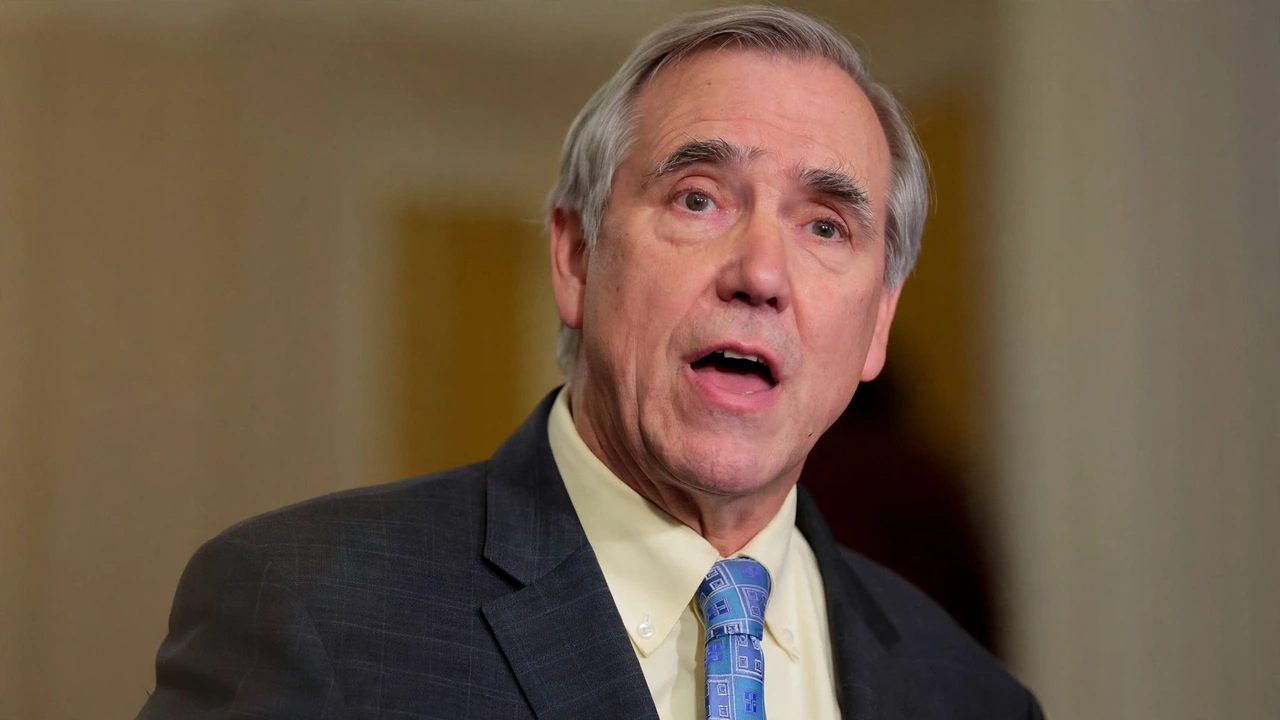
Federal Reserve Governor Michael Barr said a U.S. homeownership affordability index fell to 68 in July 2026, its lowest level in 21 years, as high home prices and mortgage rates continue to squeeze prospective buyers.
Barr cited the reading Wednesday, Sept. 23, during a housing affordability summit hosted by the Federal Reserve Bank of Chicago. In his complete prepared remarks, Barr said the combination of elevated prices and borrowing costs has put homeownership beyond the reach of many families.
The figure comes from the Federal Reserve Bank of Atlanta’s Home Ownership Affordability Monitor, which measures whether a median-income household can afford the estimated costs of owning a median-priced home. An index reading of 100 or higher represents affordability under the monitor’s methodology, while a reading below 100 means the median-income household would not qualify under its assumptions.
Affordability Falls Further
Barr said the index remained broadly above the affordability threshold following the 2006 housing-price crash until the COVID-19 pandemic, after which it moved persistently below 100. It reached 68 in July.
The Atlanta Fed measure incorporates mortgage principal and interest, property taxes, property insurance and private mortgage insurance and uses a 30% share of household income as its affordability threshold.
Barr pointed to both prices and borrowing costs. Real, constant-quality home prices are at record highs in many parts of the country, he said, while mortgage rates remain high compared with their pre-pandemic levels.
That pressure is visible in current borrowing costs. Investozora’s latest mortgage-rate report found the average 30-year rate remained above 7% this week. Recent housing data have also shown an uneven supply response, with August housing starts falling overall even as single-family construction increased.
Supply Remains Short
Barr argued that borrowing costs are only part of the affordability problem. He cited estimates placing the U.S. housing shortage at roughly 2 million to 5.5 million units, depending on methodology and regional differences. He identified land-use and permitting restrictions, weak construction-productivity growth, lasting damage to the homebuilding industry from the Great Recession, and higher post-pandemic building costs as major constraints on supply.
Housing turnover is also being limited by the mortgage-rate “lock-in” effect. Barr said about half of outstanding mortgages still carry rates of 4% or less and nearly 80% have rates below 6%, giving many existing homeowners a financial reason not to sell and replace those loans at current rates. The latest weakness in affordability also comes as new-home sales face pressure from high mortgage rates.
Fed Role Is Limited
Barr drew a distinction between Federal Reserve monetary policy and the broader structural causes of expensive housing. The Fed’s short-term policy rate influences longer-term borrowing costs, including mortgages, but Barr said other forces also determine mortgage rates. The FOMC raised its federal-funds target range by a quarter percentage point to 3.75%–4% on Sept. 16, a decision Barr said he supported.
Barr also said further policy adjustments are likely to be needed in his base case because inflation remains above the Fed’s 2% objective. Those comments represented Barr’s own views, not a new FOMC decision; his prepared remarks explicitly state that his views are not necessarily those of his colleagues on the Federal Reserve Board or FOMC.
That is a change from his March position on the direction of policy. In March 24 remarks, Barr said rates might need to remain steady for some time. By Sept. 23, after supporting the September increase, he said further adjustments were likely in his base case.
For housing, however, his broader message was that monetary policy alone cannot resolve the affordability problem. Lower inflation can support lower mortgage rates over time, while expanding housing supply requires action beyond the Federal Reserve.