

Medicare’s annual out-of-pocket prescription drug limit will increase to $2,400 in 2027, up from $2,100 in 2026, meaning some beneficiaries with expensive medications could face another $300 in qualifying annual drug costs before reaching catastrophic coverage.
The higher threshold does not remove Medicare’s protection against unlimited cost sharing for covered Part D prescriptions. But it comes alongside another change: the maximum standard drug deductible will increase by $85, from $615 to $700.
The changes are established in the Centers for Medicare & Medicaid Services’ 2027 rate announcement, published April 6, 2026, rather than a newly issued November decision. They take effect January 1, 2027, and apply to Medicare Part D prescription coverage, including standalone drug plans and Medicare Advantage plans offering Part D coverage.
The distinction matters because the $2,400 limit is not a ceiling on all Medicare expenses, and many beneficiaries will pay substantially less depending on their medications, coverage and financial assistance.
What Changes From 2026 to 2027?
CMS’s final 2027 benefit parameters establish two important increases in the standard Part D benefit. The annual out-of-pocket threshold rises by approximately 14.3%, while the maximum standard deductible increases by about 13.8%. Both calculations compare the published 2027 amounts with the applicable 2026 figures, rather than predicting how much any particular enrollee will spend.
| Medicare Part D measure | 2026 | 2027 |
|---|---|---|
| Annual out-of-pocket threshold | $2,100 | $2,400 |
| Maximum standard deductible | $615 | $700 |
| Cost sharing after reaching threshold | $0 | $0 |
| Initial coverage standard coinsurance | 25% | 25% |
The amounts appear in Attachment V, Tables V-2 and V-6, of the final CMS benefit parameters. The deductible and coinsurance figures describe the defined standard benefit, while actual plans may structure their benefits differently within Medicare requirements.
The catastrophic phase continues to protect beneficiaries from additional cost sharing for covered Part D drugs after they meet the applicable annual threshold. The higher out-of-pocket threshold is particularly relevant to beneficiaries who regularly require expensive covered prescriptions.
Someone who would otherwise accumulate enough qualifying costs to reach both years’ limits could incur up to $300 more in 2027, assuming other factors remain unchanged. That is an illustrative comparison, not an estimate of the additional costs every beneficiary will experience.
Why the Cap Is Rising
The increase reflects a statutory annual adjustment tied to changes in average expenditures for covered Medicare Part D drugs, rather than the elimination of the program’s out-of-pocket protection. In its official calculation, CMS established a 13.65% annual percentage increase for updating the 2027 benefit parameters, including corrections to earlier estimates. The agency applies prescribed rounding rules to calculate the final dollar thresholds.
For the out-of-pocket limit, multiplying the 2026 threshold of $2,100 by 1.1365 produces $2,386.65, which rounds to $2,400 under the required nearest-$50 rule. For the deductible, applying the same factor to $615 produces approximately $698.95, rounded to $700 under the nearest-$5 rule.
These calculations reproduce the published figures using CMS’s stated adjustment and rounding methodology. This explains why the new threshold increases even though the Inflation Reduction Act established protections against very high Part D out-of-pocket expenses.
Medicare originally implemented a $2,000 annual threshold in 2025, increased it to $2,100 in 2026 and will apply the $2,400 threshold in 2027. The law provides for annual adjustments rather than permanently fixing the limit at its original dollar amount.
The $2,400 Limit Does Not Cover Everything
The most important distinction for beneficiaries is what counts toward the Part D out-of-pocket threshold. Medicare counts eligible expenses for covered Part D prescription drugs, including qualifying amounts paid by certain assistance programs on a beneficiary’s behalf.
Once the annual threshold is met, the beneficiary enters catastrophic coverage and pays no additional cost sharing for covered Part D drugs for the remainder of that calendar year. Monthly Part D premiums are separate from this threshold, meaning someone who reaches the $2,400 limit may still have to pay premiums to maintain coverage.
Expenses for medications that are not covered by the beneficiary’s Part D plan generally do not count toward the limit, subject to applicable coverage and appeal rules. The limit also does not cap Medicare Part B premiums, hospital expenses, physician services or other medical costs outside the Part D prescription benefit.
Medicare’s official drug-cost guide makes clear that total expenses depend on the selected plan. A plan with a lower deductible, different covered medications or different cost-sharing arrangements may produce a different annual outcome for the same individual. Consequently, the higher federal threshold does not establish that every beneficiary’s actual drug spending will rise by 14.3%.
For retirees receiving Social Security, Part D costs also should not be confused with Medicare Part B premium deductions from retirement benefits. The interaction between Medicare premiums and Social Security payments is a separate financial issue. An increase in the Part D drug threshold does not automatically reduce a beneficiary’s monthly Social Security deposit by $300.
Who Could Pay More and Who May Not?
Beneficiaries with substantial spending on covered brand-name or specialty medications are among those most likely to encounter the higher out-of-pocket threshold. The amount they actually pay depends on their plans, drug prices, formulary coverage, accumulated qualifying costs and any assistance received. A person with modest annual prescription expenses may never reach either year’s threshold and could see little or no direct effect from the higher limit.
People qualifying for Medicare’s Extra Help program face a different cost structure. According to the official assistance guidance, eligible beneficiaries in 2027 generally receive a $0 plan premium and deductible under the program’s rules, with maximum copayments of $5.80 for generic drugs and $14.40 for brand-name drugs at participating pharmacies.
Some beneficiaries receiving additional public assistance qualify for still lower copayments or no cost sharing. The distinction is especially important because qualifying payments made on someone’s behalf can contribute toward reaching the Part D out-of-pocket threshold.
The general $2,400 ceiling therefore should not be interpreted as the amount a low-income beneficiary must personally spend before additional assistance becomes available. Eligibility for Extra Help depends on program requirements, and beneficiaries whose financial circumstances change may apply or reapply.
Another Drug Pricing Change Starts in 2027
The higher out-of-pocket threshold arrives alongside a separate Medicare drug-pricing development that could help offset costs for some beneficiaries. CMS negotiated prices for 15 additional prescription drugs scheduled to take effect January 1, 2027, under the federal drug negotiation program. The drugs were selected through a different statutory process from the annual Part D threshold adjustment.
The negotiated prices can affect the cost of selected medications and spending by Medicare and its beneficiaries. However, the consequences for any individual depend on whether they use a selected drug, their plan’s coverage terms and applicable cost-sharing rules. The existence of lower negotiated prices does not establish that every beneficiary’s total prescription spending will decrease in 2027.
CMS’s broader 2027 projections also indicate that national average premiums and individual plan prices should not be treated as identical. The agency projected relatively stable average standalone Part D premiums while expecting changes across particular plans and coverage arrangements. A beneficiary choosing a plan should therefore consider the combination of premiums, deductibles, covered drugs and pharmacy access instead of relying on the out-of-pocket cap alone.
Can Beneficiaries Spread Drug Costs Across the Year?
Medicare beneficiaries will continue to have access to the Medicare Prescription Payment Plan, which allows participating enrollees to spread qualifying out-of-pocket prescription expenses across monthly payments instead of paying all qualifying costs immediately at the pharmacy. Every Medicare prescription drug plan is required to offer the option, according to CMS payment guidance. The arrangement may help people facing large prescription expenses early in the year manage their cash flow.
However, the payment option does not reduce the total amount a beneficiary owes for covered prescription drugs. It changes when qualifying out-of-pocket expenses are paid, not the underlying costs or the annual Part D threshold. People considering enrollment should review the program’s billing and payment requirements alongside their expected prescription expenses.
For retirees planning their 2027 household budgets, prescription costs may be one consideration alongside the confirmed Social Security increase for the coming year. But Social Security’s cost-of-living adjustment, Medicare Part B premiums and Part D drug spending operate under different rules. A higher annual drug threshold does not mean every beneficiary loses an equivalent amount of their benefit increase.
What to Check Before December 7
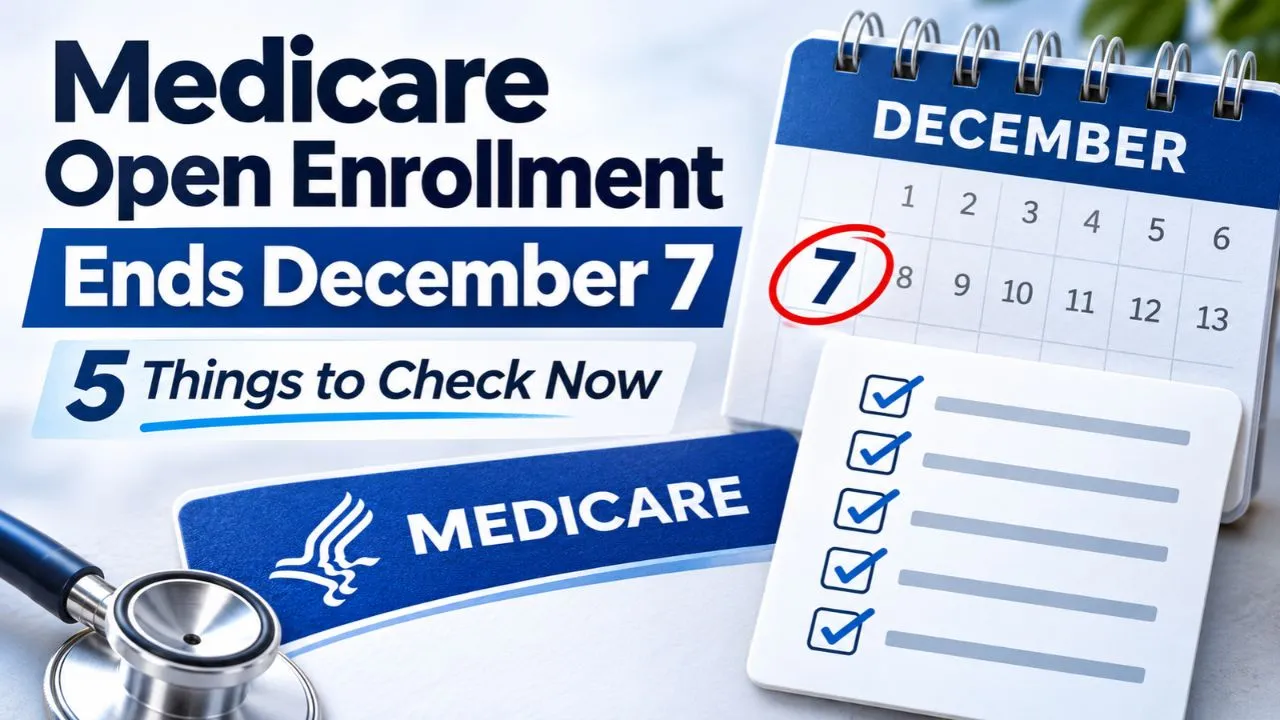
Medicare’s annual Open Enrollment Period runs from October 15 through December 7, 2026, for coverage changes taking effect January 1, 2027. During this period, eligible beneficiaries can review and change their Part D or Medicare Advantage coverage under the applicable enrollment rules. The official Medicare enrollment guidance explains the available choices and deadlines.
The most useful comparison is not simply which plan advertises the lowest premium. Beneficiaries should examine whether their current medications remain covered, which pharmacies are in network, their expected cost-sharing amounts, the deductible and whether financial assistance could reduce expenses. Medicare’s Plan Compare tool can help evaluate these factors using each person’s medication list and preferred pharmacies.
People who are satisfied with their existing plans may not need to switch, but reviewing the Annual Notice of Change is still worthwhile because plan benefits and costs can change from year to year. Beneficiaries concerned about related Medicare eligibility issues should distinguish coverage qualifications from the separate Part D cost changes.
Changes in drug-cost parameters do not by themselves alter Social Security retirement eligibility or establish a new universal loss of Medicare coverage. The central takeaway is that Medicare’s protection against unlimited covered Part D prescription cost sharing remains in place, but its annual threshold will be $300 higher in 2027.
Some beneficiaries with expensive medications may pay more before reaching catastrophic coverage, while others may benefit from lower drug prices, financial assistance or more favorable plan terms. The actual result depends on individual coverage, qualifying drug expenses and the plan selected for 2027.