March 25, 2026 • 10:05 AM ET
IRS interest rates for Q1 2026 remain fixed at 7% for individual overpayments. Taxpayers hitting the 45-day processing delay today are now eligible for daily compounded interest additions to their base refund amount.
Most people think of the IRS as a place where money goes out, not where it grows. However, if the government takes too long to process your 2022 or 2025 return, they owe you more than just your refund. This hidden financial boost is governed by the interest rule of the internal revenue code.
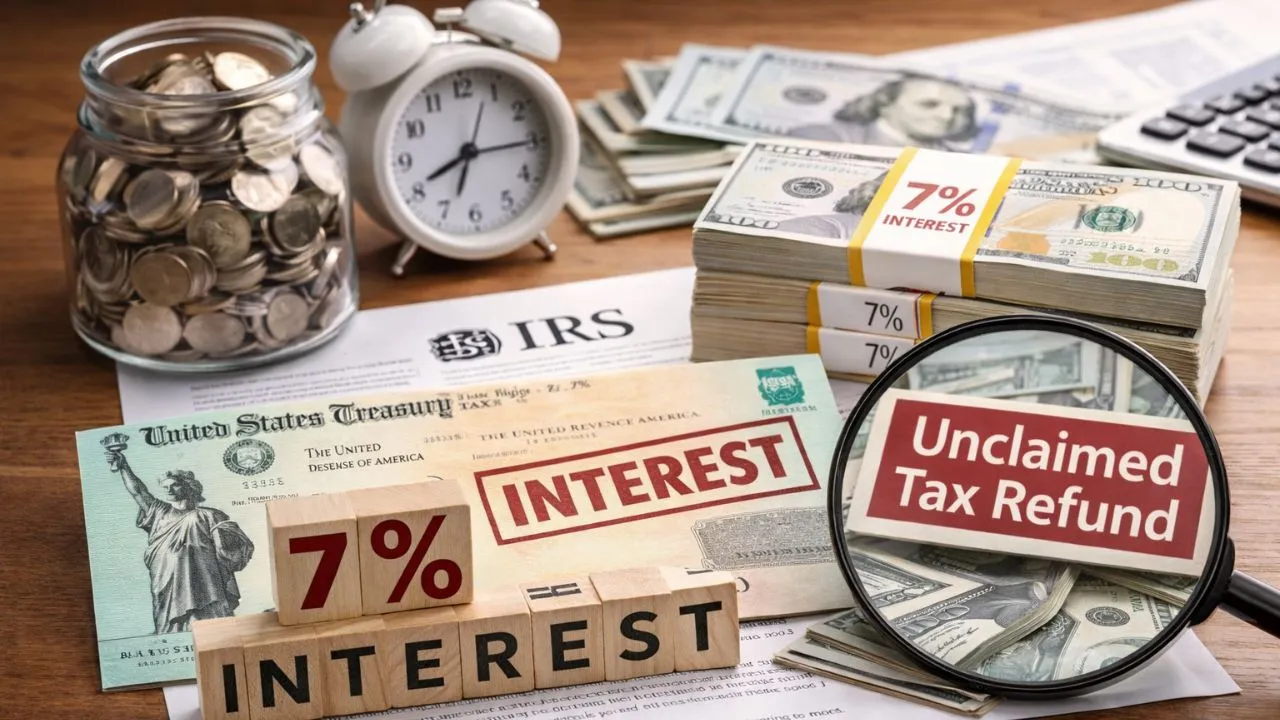
The interest rule states that if the IRS does not issue your refund within 45 days of filing, they must pay you interest. For the first quarter of 2026, that rate is a staggering 7% per year, compounded daily. This means your unclaimed 2022 refund could be significantly larger than you expected.
The 45-Day Countdown
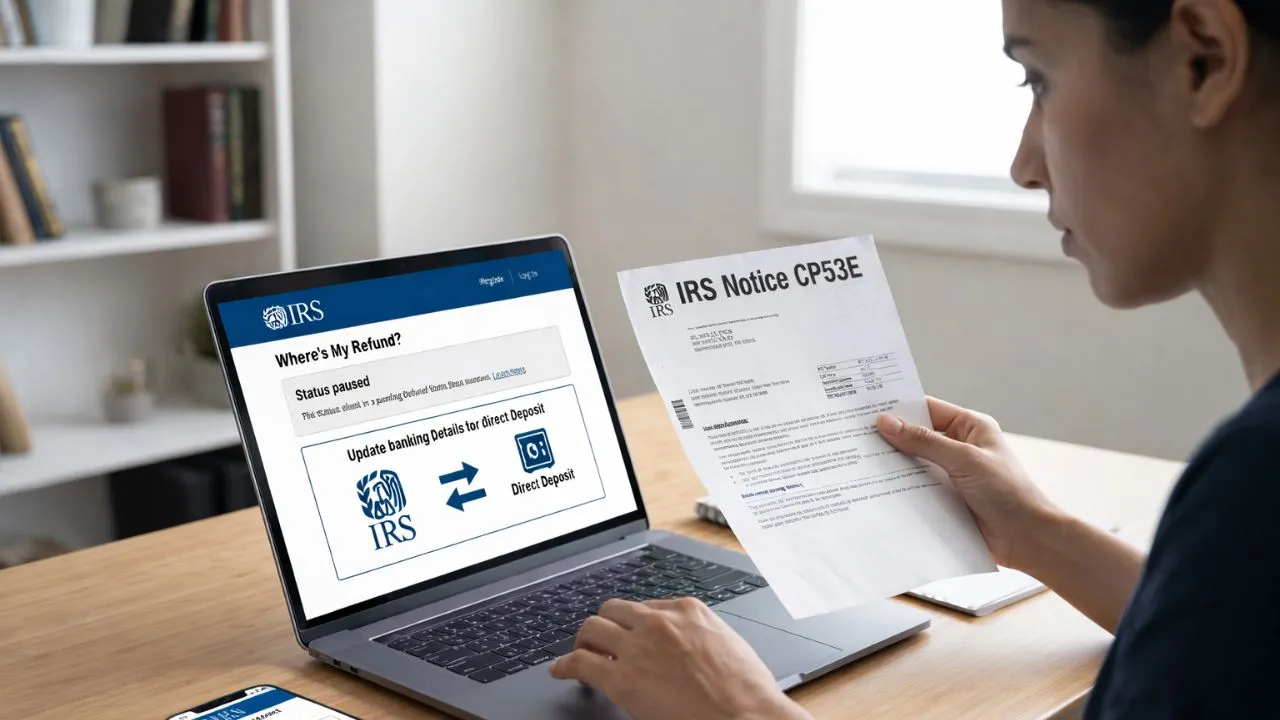
The clock for this 45-day window usually starts on the tax deadline or the day you filed, whichever is later. Because many people are currently facing a digital phase delay due to new security rules, more taxpayers are hitting this window than ever before. This is not a penalty for you; it is a cost for the government.
The federal money movement system is currently slow due to high volumes and staffing shifts. If your return is stuck in a manual verification hold, you are likely accruing interest every single day. You do not need to apply for this extra money; the national system adds it automatically.
How to Spot Your Interest
To see if the interest rule has been applied to your account, you must check your official tax transcript. Look specifically for IRS Code 776. This code represents the “Interest Credited to Your Account.” If you see this code alongside your Code 846 refund date, you have successfully gained the 7% boost.

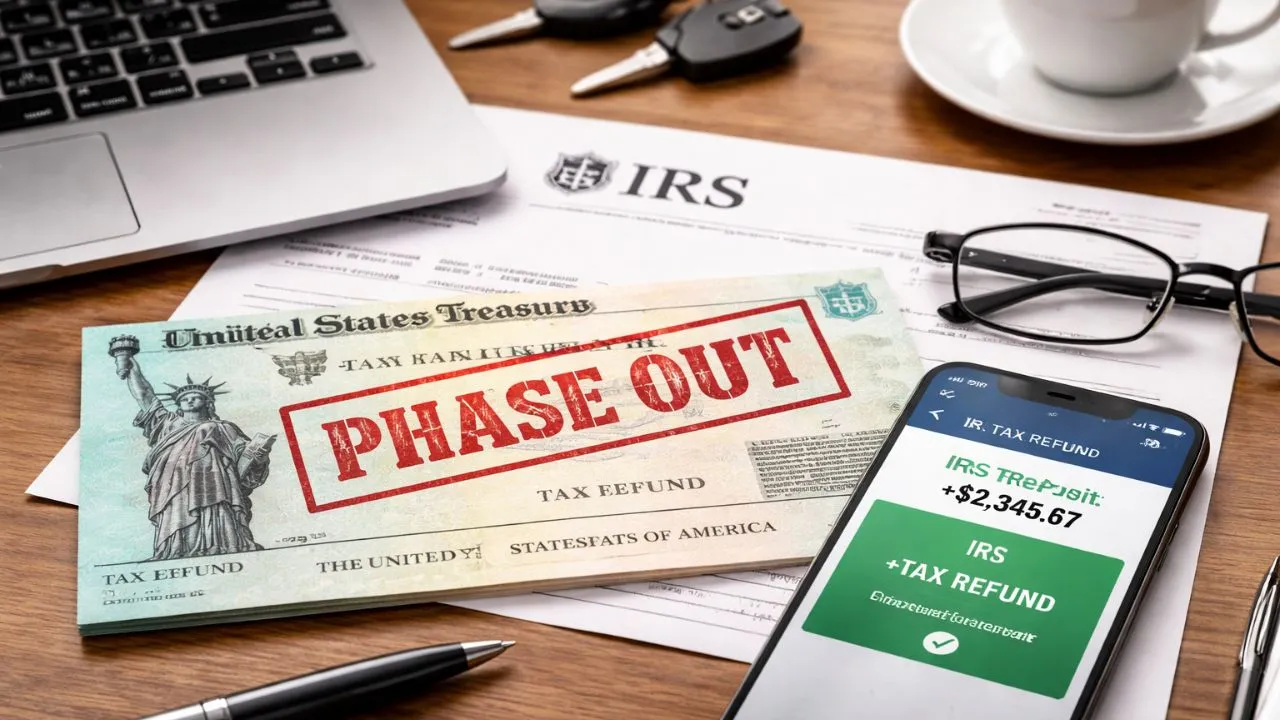
If your IRS status bar has disappeared, it might actually be good news for your wallet. A missing bar often means a technician is manually adjusting your total to include the interest. This extra cash is taxable, so the IRS will send you a Form 1099-INT next year to report the earnings.
Maximizing Your Payout
The best way to ensure you get every penny is to verify your identity quickly. If the IRS sends you a notice, responding within 24 hours keeps the interest clock running while you clear the hurdle. Using a bank that understands overnight clearing cycles ensures that once the interest is added, the full settlement window is as short as possible.
The interest rule is one of the few times the tax code works in your favor. While a delay is frustrating, a 7% guaranteed return is higher than most savings accounts offer today. Monitoring the interest rule updates is the smartest way to turn a long wait into a financial win.
Editorial Note: Investozora is an independent news publication. This content is for informational purposes only. For specific guidance, please visit IRS.gov.