March 26, 2026 • 1:10 AM ET
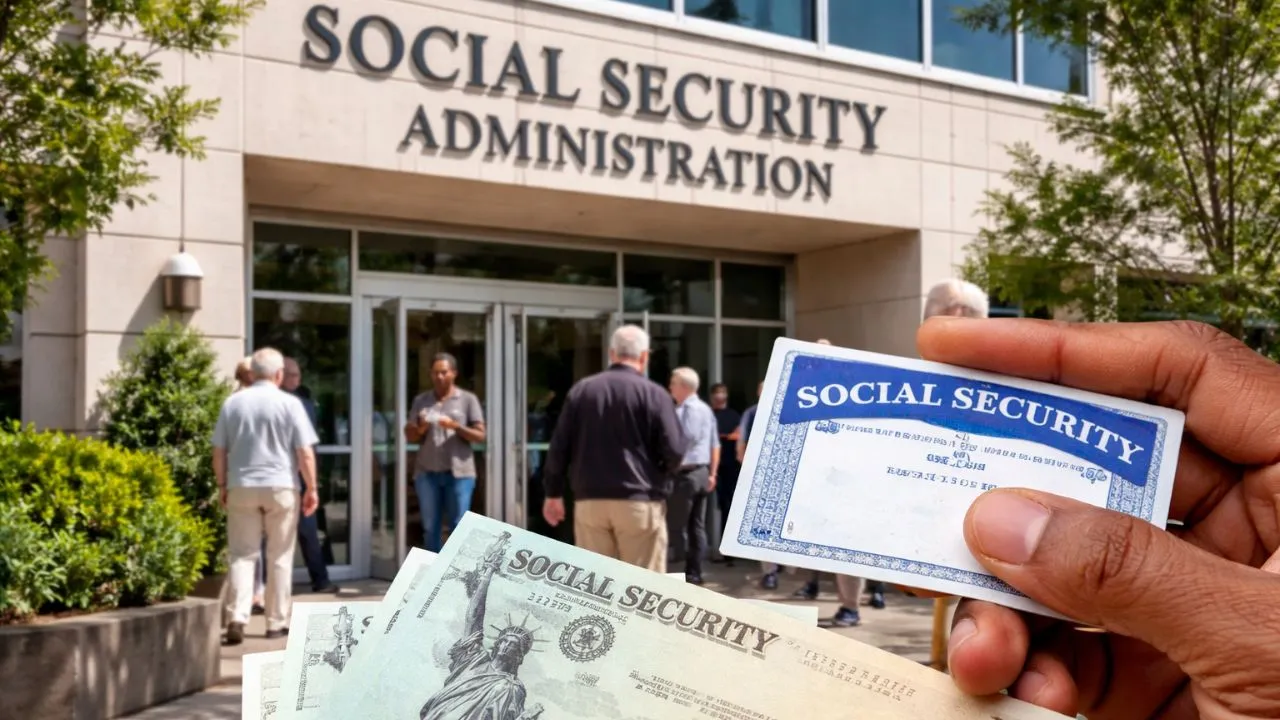
The SSA is now enforcing new identity verification rules for direct deposit changes. Starting April 14, 2026, recipients who cannot use the online my Social Security portal must verify their identity in person at a local SSA field office. Source: SSA.gov official press release.
The Social Security Administration is making its biggest operational changes in decades. If you receive benefits or plan to apply soon, here is exactly what changed, why it happened, and what you need to do before April 14.
The Largest Staff Reduction in SSA History
The Social Security Administration confirmed in a February 28, 2026 press release that it is cutting its workforce from approximately 57,000 employees to 50,000, a reduction of roughly 7,000 positions. This is the largest staffing cut in SSA history.
As part of this restructuring, the agency is closing two internal units: the Office of Civil Rights and Equal Opportunity and the Office of Transformation. The SSA is also reducing its 10 regional offices down to four. The agency stated the goal is to focus remaining staff on “mission-critical” roles in field offices, teleservice centers, and payment processing centers.
You can read the full official announcement at SSA newsroom.
What Fewer Staff Means for You
More than 68 million Americans receive Social Security benefits. With a smaller workforce handling the same volume of claims, wait times are getting longer across the board.
According to SSA performance data, the average wait time to speak to a representative on the SSA 800 number was already 30 minutes in January 2026. The average disability application took eight months to process, double the four-month average from January 2020.
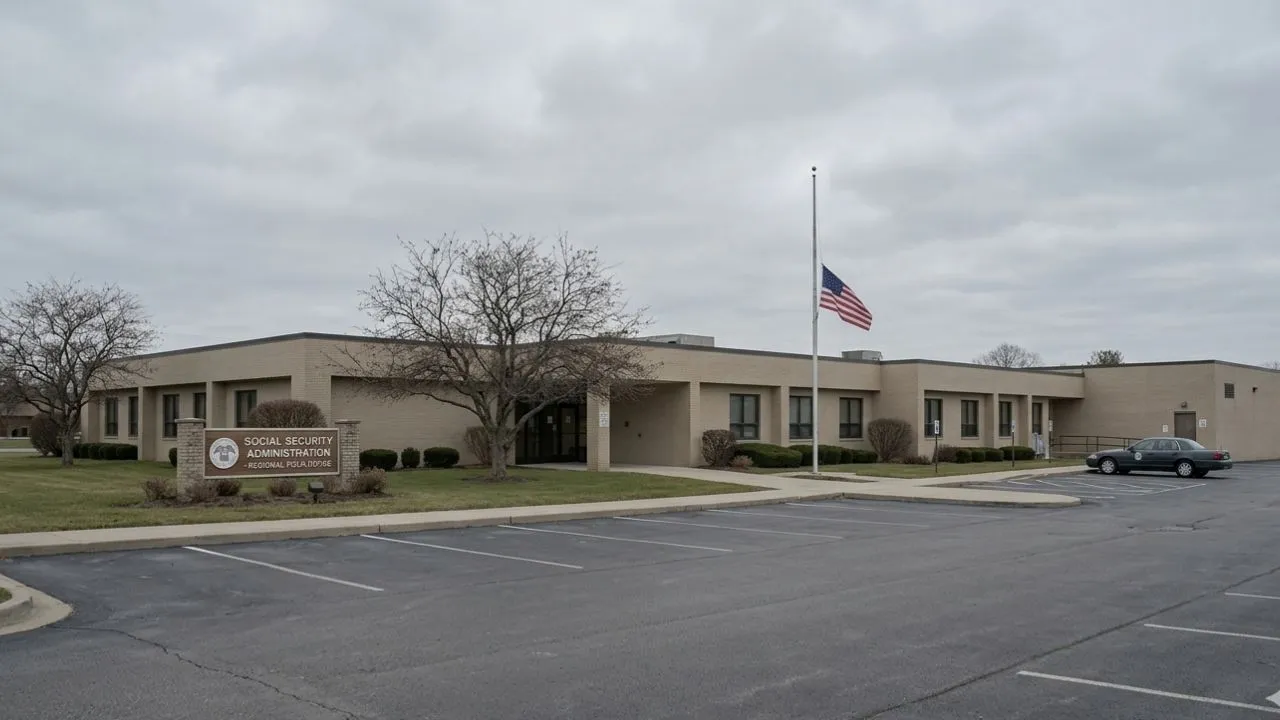
If you have a pending disability claim, an appeal, or a question about your benefits, expect longer response times than in previous years. The SSA office locator can help you find your nearest field office if you need to visit in person.
The April 14 Phone Verification Change: This Affects Everyone
This is the most urgent change for current recipients.
Starting April 14, 2026, the SSA will no longer accept direct deposit changes through its 1-800 toll-free number. If you need to change your bank account or routing number, you must either use the my Social Security online portal at ssa.gov/myaccount or visit a local SSA field office in person.
This policy applies to all benefit types, retirement, survivors, and spousal benefits. There is one exception: applicants for SSDI, Medicare, and SSI who cannot use online services can still complete their application and verify identity over the phone.
The reason for this change is fraud prevention. The SSA reports that phone-based direct deposit fraud has increased significantly. Requiring in-person or online verification adds a layer of security to protect your payments.
Your Payment Schedule Is Not Changing
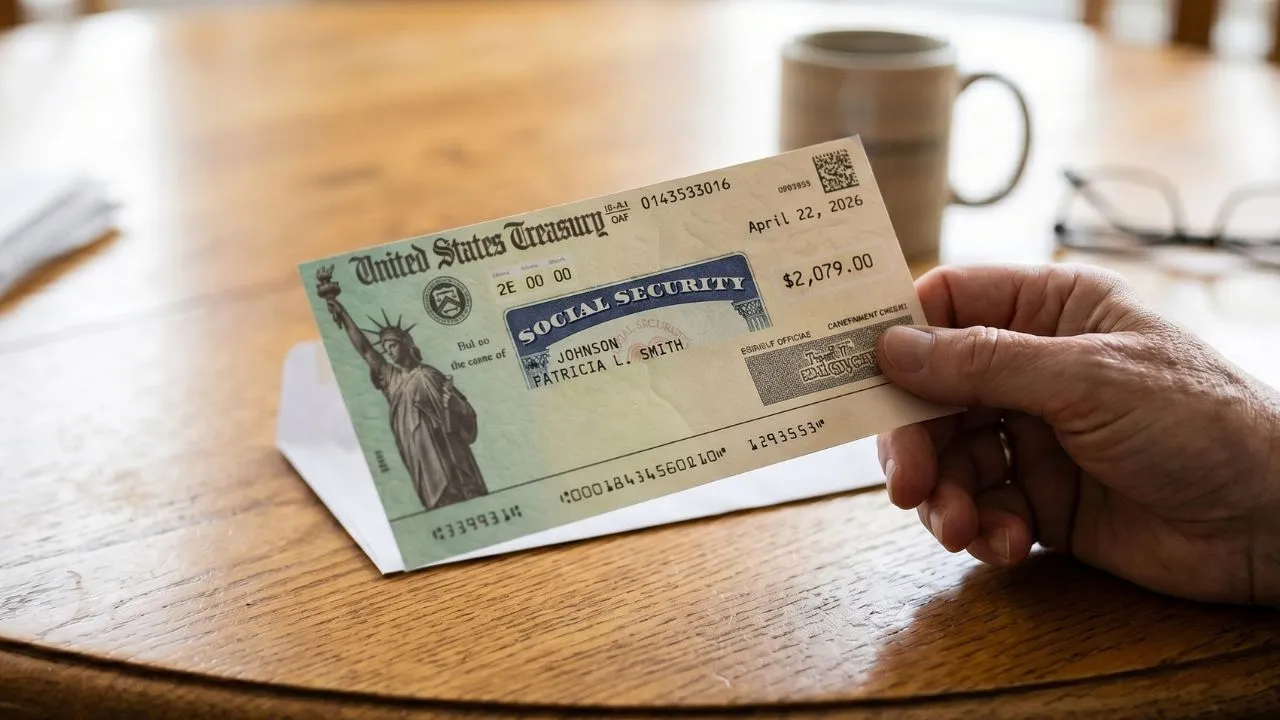
Important clarification for current recipients: if you are already receiving benefits and do not need to change your bank information, you do not need to take any action. Your payments will continue arriving on the Social Security payment schedule on the same dates as always.
The April 14 change only affects people who need to update their direct deposit details or make a new benefit claim.
What You Must Do Before April 14
Follow these three steps now, before the deadline.
Step one: Log in to your my Social Security account at ssa.gov/myaccount. Confirm your direct deposit information is correct and up to date. If you have an older username and password account, you will need to upgrade it to use Login.gov or ID.me.
Step two: If you cannot use the online portal and need to change your bank details, call 1-800-772-1213 now to schedule an in-person appointment. Do not wait, SSA appointment availability is limited and wait times are long.
Step three: Read the full April 14 policy details on the SSA identity verification page so you understand exactly which actions require in-person verification and which can still be done by phone.
Where to Get Official Help
All information in this article comes directly from official SSA.gov press releases and agency announcements. For the most accurate and current guidance, use these official resources:
- My Social Security portal: ssa.gov/myaccount
- Official SSA press releases: ssa.gov/news/press
- SSA field office locator: ssa.gov/locator
- SSA helpline: 1-800-772-1213 (Monday–Friday, 8 AM–7 PM local time)
For a full breakdown of how the Social Security Fairness Act affects retroactive payments this year, read our related coverage: Fairness Act payments explained.
Editorial Note: Investozora is an independent news publication. This content is for informational purposes only. For official guidance on your Social Security benefits, please visit SSA.gov.