
The Social Security Administration has officially confirmed the full May 2026 payment schedule. Payments are issued on May 1, May 13, May 20, and May 27 based on benefit type and birth date grouping, with no weekend or federal holiday adjustments affecting this month’s cycle. Source: SSA 2026 payment schedule (PDF).
More than 70 million Americans receive a Social Security payment each month, and for most of them, the Social Security payment dates for May 2026 determine when rent gets paid, when prescriptions get filled, and when the month’s financial plan actually works.
The SSA has confirmed all four May payment dates. No payment in May falls on a weekend or federal holiday, which means no dates have shifted. Every group receives their payment on schedule.
This article explains who gets paid on which date, what the current average benefit amounts are, and exactly what to do if your payment does not arrive when expected.
The Complete May 2026 Payment Schedule by Group
The SSA staggers payments across the month to manage volume for more than 70 million beneficiaries. Your payment date depends on your benefit type and, for most recipients, your birth date.
May 1: SSI Recipients and Pre-1997 Enrollees
Supplemental Security Income payments arrive on the first of each month. Recipients who receive both SSI and Social Security retirement benefits receive their Social Security payment on May 1 as well.
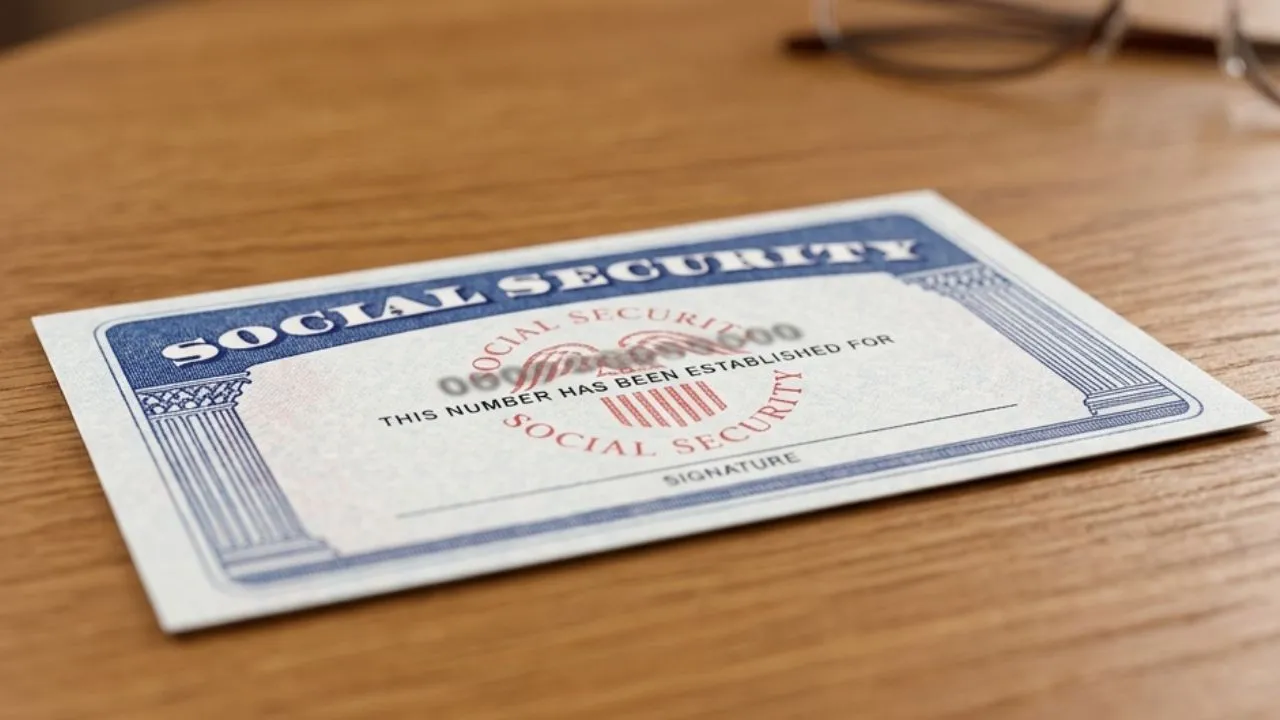
This group also includes beneficiaries who first enrolled in Social Security before May 1997 and those whose Medicare premiums are paid by their state government. May 1 falls on a Friday in 2026, and no federal holiday affects this date. Confirmed at ssa.gov/pubs/calendar.htm.
May 13: Birthdays on the 1st Through the 10th
If your birth date falls between the 1st and the 10th of your birth month, your May payment arrives on May 13, the second Wednesday of the month. This applies to retirement, SSDI, and survivor benefits for this birth date group. Readers tracking the May 13 Social Security payment window should also review emerging SSA payment error reports and updated inflation linked policy signals affecting benefit timing and adjustments.
May 20: Birthdays on the 11th Through the 20th
If your birth date falls between the 11th and the 20th of your birth month, your May payment arrives on May 20, the third Wednesday of the month.
May 27: Birthdays on the 21st Through the 31st
If your birth date falls between the 21st and the 31st of your birth month, your May payment arrives on May 27, the fourth Wednesday of the month.
The SSA determines your eligibility and benefit amount. The actual disbursement moves through a separate institutional pipeline: the SSA transmits payment files to the Bureau of the Fiscal Service at the U.S. Department of the Treasury, which then routes each payment through the Federal Reserve’s FedACH network to your bank.
The SSA controls when your payment is authorized. Treasury and FedACH control when the money moves. For a detailed breakdown of how this federal payment pipeline works from authorization to deposit, see the money movement guide.
How Much to Expect in May 2026
The 2026 Cost-of-Living Adjustment increased all Social Security benefits by 2.8% beginning January 2026. For the average retired worker, this translated to approximately $56 more per month. According to SSA data, the average monthly retirement benefit in March 2026 was $2,079.49.
SSDI recipients receive amounts calculated on their individual work history, not the retirement formula. Amounts vary by earnings record.
The maximum Social Security retirement benefit for someone who delays claiming until age 70 is $5,181 per month as of 2026, according to the SSA. For someone claiming at full retirement age in 2026, the maximum is approximately $4,152 per month.
Claiming at 62 reduces that figure to approximately $2,969 per month. Your actual benefit depends entirely on your lifetime earnings record. For a full breakdown of how the 2026 COLA is affecting different groups, see the Social Security changes guide and the 2027 COLA projection.
What Happens Next: The May–June Transition and the Longer Outlook
The gap between some April and May Social Security payments confuses recipients every year. Because payments are tied to specific Wednesdays rather than fixed calendar dates, the interval between one month’s last payment and the next month’s first Wednesday payment can stretch beyond 30 days.
This is not a delay. It is not a processing error. It is the natural result of how the SSA’s Wednesday-based schedule interacts with the calendar. For the full explanation, see the 35-day gap guide.
The June 2026 Social Security payment dates follow the same structure: June 1 for SSI and pre-1997 recipients, followed by the second, third, and fourth Wednesdays for birth date groups. No federal holidays in June will shift these dates.
Looking further ahead, the Congressional Budget Office has projected that the combined Social Security trust funds could face significant funding pressure by 2032 if Congress does not act.
That projection concerns future benefit levels not the May 2026 Social Security payment dates, which are fully funded and confirmed. For context on what the 2032 projection actually means for current and near-future beneficiaries, see the Social Security 2032 analysis.
What You Should Do Now
- Confirm your payment group using the SSA’s official 2026 payment calendar at ssa.gov/pubs/calendar.htm . Locate your birth date range and identify whether your May payment arrives on May 13, May 20, or May 27.
- Allow three additional business days before contacting the SSA if your payment has not arrived on its scheduled date. Bank processing times and mail delivery can account for up to three additional days, per SSA guidance.
- Contact your bank first if your direct deposit is late. Banks occasionally experience posting delays with ACH government payments. Confirm the payment has not arrived in pending status before assuming an SSA problem. See the payment pending guide for what pending status actually means.
- Call SSA at 1-800-772-1213 if your bank shows no incoming deposit and three business days have passed after your scheduled payment date. TTY users call 1-800-325-0778. Full contact information at ssa.gov/agency/contact .
- Verify your direct deposit information through your my Social Security account . Outdated routing numbers are the most common reason payments fail to arrive on schedule.
The Social Security payment dates for May 2026 are confirmed and on schedule. Knowing your group, your expected date, and what to do if something goes wrong is the difference between a stressful week and a straightforward one.