
The IRS refund timeline is the most searched personal finance question during tax season and the one where a wrong answer costs real Americans real money. Millions of households count on their refund for rent, car repairs, medical bills, and debt payoff. Waiting 21 days is manageable.
Waiting 90 days without knowing why is not. This guide covers the complete IRS refund timeline for 2026, from the moment you submit your return to the moment money appears in your bank account, using only verified information from IRS.gov.
The IRS refund timeline for most electronically filed returns with direct deposit is 21 days or fewer. That is the official standard the IRS publishes for straightforward returns processed without interruption. But a significant portion of filers wait longer and the reasons are specific, documented, and completely understandable once you know what to look for.
Stage 1: From Filing to Acceptance — The First 48 Hours
When you submit a federal tax return electronically, the IRS runs it through an automated initial check within 24 to 48 hours. This check confirms your Social Security number, matches your name against Social Security Administration records, verifies your filing status, and confirms the return doesn’t contain obvious mathematical errors. If the return clears, you receive confirmation that your return has been accepted.


Accepted does not mean approved. It means the IRS has your return and the basic data checks passed. Processing the actual evaluation of your income, credits, withholding, and refund amount — begins after acceptance and is where the IRS refund timeline truly starts.
Paper returns follow a longer path. They must be physically opened, sorted, and manually entered into the IRS processing system. As of 2026, the IRS strongly recommends electronic filing through IRS Free File or a tax software provider.
Paper returns extend the refund timeline by weeks, sometimes months during peak periods. If you filed on paper, the timeline below applies only after your return enters the IRS digital system which typically takes four to six weeks from mailing.
After acceptance, the IRS begins comparing your income information to W-2s and 1099s filed by your employer and other payers. It calculates your credits, confirms your withholding amount, and determines your final refund. This processing stage is where most delays begin.
Returns with certain credits, income discrepancies, or automated review flags enter longer processing queues. Understanding why requires understanding the IRS’s internal transaction code system, which you can see directly through your tax transcript.
Stage 2: IRS Transcript Codes — What TC 570, TC 971, and TC 846 Actually Mean
Your IRS account transcript is the most accurate real-time record of what is happening with your return. It is not the same as the Where’s My Refund tool, which updates once every 24 hours and provides only three basic status categories. Your transcript updates continuously and shows the full transaction history of your return in detailed code form.
You can access your transcript for free through your IRS online account at irs.gov/account. Once inside, select Get Transcript and choose Account Transcript for the current tax year. You will need to verify your identity using ID.me on the first access.
TC 150 confirms the IRS has received and posted your return. TC 806 shows your total withholding credit the taxes your employer sent to the IRS throughout the year on your behalf. TC 768 shows the Earned Income Tax Credit if claimed. These are routine processing codes that appear on most transcripts and indicate normal progress.
TC 570 — Additional Account Action Pending
TC 570 is the code that causes the most anxiety among waiting filers. It appears when the IRS has placed a hold on your return pending additional review. The hold does not automatically indicate an audit. It means the IRS’s automated systems flagged something requiring review before a refund can release.
Common triggers include income discrepancies between your reported figures and what employers submitted, identity verification requirements, unresolved prior-year balances, and cases where the IRS is waiting for information to reconcile. Per the IRS refund information page, review associated with a TC 570 hold can take 45 to 180 days depending on complexity.
TC 570 is almost always followed by TC 971, which indicates a notice has been generated and is being mailed to you. If you receive that notice, respond promptly and completely. Unresponded IRS notices are the single most common cause of extended refund delays beyond the standard window.
TC 846 — Refund Issued
TC 846 is the code you are waiting for. It is labeled “Refund Issued” in IRS documentation and means the IRS has completed processing your return, approved your refund amount, and sent the payment file to the Bureau of the Fiscal Service for disbursement. TC 846 is more reliable than the Where’s My Refund tool for understanding exactly when your money is coming.
The date beside TC 846 on your transcript is the date the IRS sent your funds for delivery. For direct deposit, most filers receive funds within one to three business days of that date. For a complete explanation of what this code means for your specific deposit, see the IRS Code 846 guide.
Stage 3: The Institutional Path From IRS Approval to Your Bank
Understanding the full IRS refund timeline requires knowing that two separate federal agencies handle two separate parts of the process. The IRS determines what refund you are owed and approves the payment. The IRS does not send that money directly to your bank.
After IRS approval and the appearance of TC 846, the refund file transfers to the Bureau of the Fiscal Service at the U.S. Department of the Treasury. The Bureau of the Fiscal Service then submits the payment to the Federal Reserve’s FedACH network for settlement and delivery to your financial institution.
This institutional handoff from IRS to Treasury to FedACH to your bank, is what explains the gap that often exists between TC 846 appearing on your transcript and money appearing in your account. For a complete breakdown of how this pipeline works, see the money movement guide.
The Bureau of the Fiscal Service is also the agency that administers the Treasury Offset Program, which can intercept your refund before it reaches your bank to apply it toward eligible debts.
If you owe back taxes, past-due child support, defaulted federal student loans, or certain other government debts, an offset can reduce or eliminate your refund without changing the TC 846 amount shown on your transcript. To check whether an offset applies to your refund, call the Bureau of the Fiscal Service offset line at 1-800-304-3107 before your expected deposit date. For more on how offsets work, see the Treasury offset guide.
This separation of functions is also important when reading news about IRS staffing, budget cuts, or administrative changes. IRS staffing affects return processing speed, how quickly your return moves through the queue toward TC 846.
Treasury staffing and FedACH operations affect disbursement speed how quickly your approved refund reaches your bank after TC 846. These are separate bottlenecks, and delays can occur at either stage independently.
Stage 4: Direct Deposit Timing — Why Your Bank Matters
Once the Bureau of the Fiscal Service sends your refund through the FedACH network, the money enters your bank’s internal ACH processing queue. This is where the IRS refund timeline intersects with your specific bank’s policies and where confusion is most common.
Different banks post ACH credits at different times. Some post at midnight when the ACH batch settles. Others post at 9 AM in a morning processing cycle. Neobanks like Chime and Varo have built part of their value proposition around posting eligible government deposits up to two days before the official settlement date, using internal credit advances.
Traditional banks Chase, Bank of America, Wells Fargo generally post deposits on the TC 846 date or the following business day. Credit unions often post overnight with funds available by early morning. For a detailed breakdown of how these posting times differ by institution type, see the direct deposit processing guide.
The key distinction is between the date the IRS sent your refund and the date your bank makes the funds available. These two dates can differ by one to three business days under normal processing. If your TC 846 date falls on a weekend, most traditional banks post the deposit the following Monday. Neobanks may post Friday or Saturday depending on their internal policies.
If the date next to your TC 846 has passed and no deposit has arrived, the IRS recommends allowing five full business days before concluding there is a problem. After five business days with no deposit, contact your bank first to confirm no incoming deposit is showing in pending status. If your bank has no record of an incoming ACH payment, initiate a refund trace through the IRS refunds page.
Stage 5: Why Refunds Take Longer — The Specific Delay Categories
The IRS documents specific situations that push refunds beyond the standard 21-day window. Every delayed refund fits into one of these categories. Knowing which one applies to your return tells you whether you need to take action or simply wait.
PATH Act Holds for EITC and ACTC Filers
If you claimed the Earned Income Tax Credit or the Additional Child Tax Credit, federal law requires the IRS to hold your refund until mid-February regardless of when you filed.
This is the PATH Act mandate, applied automatically to every return claiming these credits. For 2026, PATH Act holds lifted in mid-February. If you filed in January with these credits, this hold has already passed. For a complete explanation of why this hold exists, see the PATH Act freeze guide.
Identity Verification Requirements
The IRS flags returns showing patterns associated with identity theft or fraudulent filing. If your return is flagged, you receive a letter, typically a 5071C or 5747C asking you to verify your identity online, by phone, or in person at an IRS Taxpayer Assistance Center.
Until identity is verified, the IRS does not process or pay the refund. This process adds weeks to the timeline in most cases. Details are at irs.gov/identity-theft-central.
W-2 Income Discrepancies
If the income you reported does not match what your employer filed on your W-2, the IRS automated system flags the discrepancy for review. This is increasingly common when W-2 Box 1 taxable wages differ from gross pay because of pre-tax deductions like 401(k) contributions or health insurance premiums.
The IRS does not automatically reject these returns, it slows them for review. For a detailed explanation of why this happens and how to respond, see the W-2 Box 1 guide.
Returns Filed After an Extension
If you filed a valid extension using Form 4868 by April 15, 2026, you have until October 15, 2026 to file your completed return. Extension filers receive refunds within 21 days of filing their actual return, following the same timeline as standard filers.
The extension itself does not delay the refund. What delays it is filing near the October deadline, when IRS processing queues also contain millions of other extended returns. Filing your completed return as soon as your documents are ready reduces wait time significantly. For full details, see the refund after extension guide.
Paper Returns
Paper returns take significantly longer. As of 2026, the IRS is actively phasing out paper checks as a disbursement method and recommends electronic filing with direct deposit at every stage.
For paper returns, allow a minimum of six weeks before the return appears in the processing system, with additional time after that for disbursement. The Where’s My Refund tool will not show paper return information until the return has been manually entered into the IRS system.
What’s Different in 2026: Key Changes to the IRS Refund Process
The average federal tax refund in 2026 has run approximately 22% higher than recent prior-year averages, with the IRS reporting an average refund near $3,571 in the weeks surrounding the April 15 deadline. For a complete breakdown of what is driving this increase, see the average refund 2026 analysis.
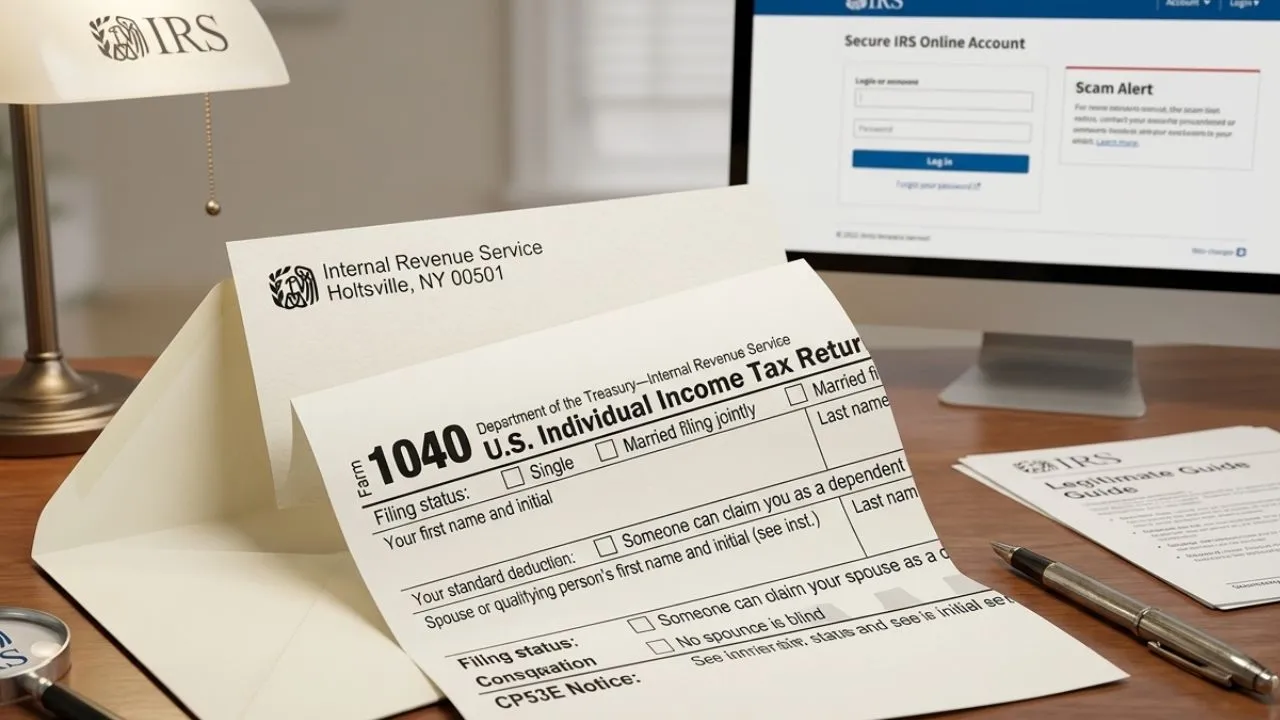
The IRS has continued its transition away from paper refund checks in 2026. Filers without valid bank account information on file may receive a CP53E notice requesting updated direct deposit details through their IRS online account.
This notice requires a response within 30 days to avoid a hold. It is part of the IRS’s long-term modernization effort to eliminate paper check fraud and reduce processing costs. For instructions on responding to this notice, see the IRS tax refund guide.
The IRS also processed a record volume of returns in the weeks surrounding the April 15 deadline, with $241 billion in refunds already issued during the 2026 filing season as of mid-April according to IRS data. Late-season filers those who submitted in March or April, should expect the full 21-day window and potentially additional time if any review flags trigger.
What You Should Do Now
- File electronically with direct deposit. If you have not yet filed or are filing after an extension, electronic filing with direct deposit is the single most effective way to minimize IRS refund timeline delays. This is confirmed by IRS guidance at irs.gov/filing .
- Access your IRS account transcript at irs.gov/account and look for TC 846. If you see it, your refund is in the disbursement pipeline. Note the date and allow three to five business days.
- Look for TC 570 entries. If TC 570 appears with no TC 846, your return is in review. Monitor your mail for a TC 971 notice and respond immediately when it arrives. Unanswered notices are the leading cause of extended IRS refund timeline delays.
- Check the Treasury Offset Program line at 1-800-304-3107 if you have any outstanding government debt. An offset will reduce your deposit without changing your TC 846 amount.
- Allow five full business days after your TC 846 date before concluding your deposit is missing. Contact your bank first, then initiate a refund trace through irs.gov/refunds if no record of an incoming deposit exists.
The IRS refund timeline is predictable once you understand what each stage means and which tools to use. Most filers receive their money within 21 days. The filers who wait longer almost always have a specific, resolvable reason and knowing which stage your return is in gives you the information to act on it.
Editorial Note: Investozora is an independent news publication. This content is for informational purposes only. For official guidance, please visit irs.gov.