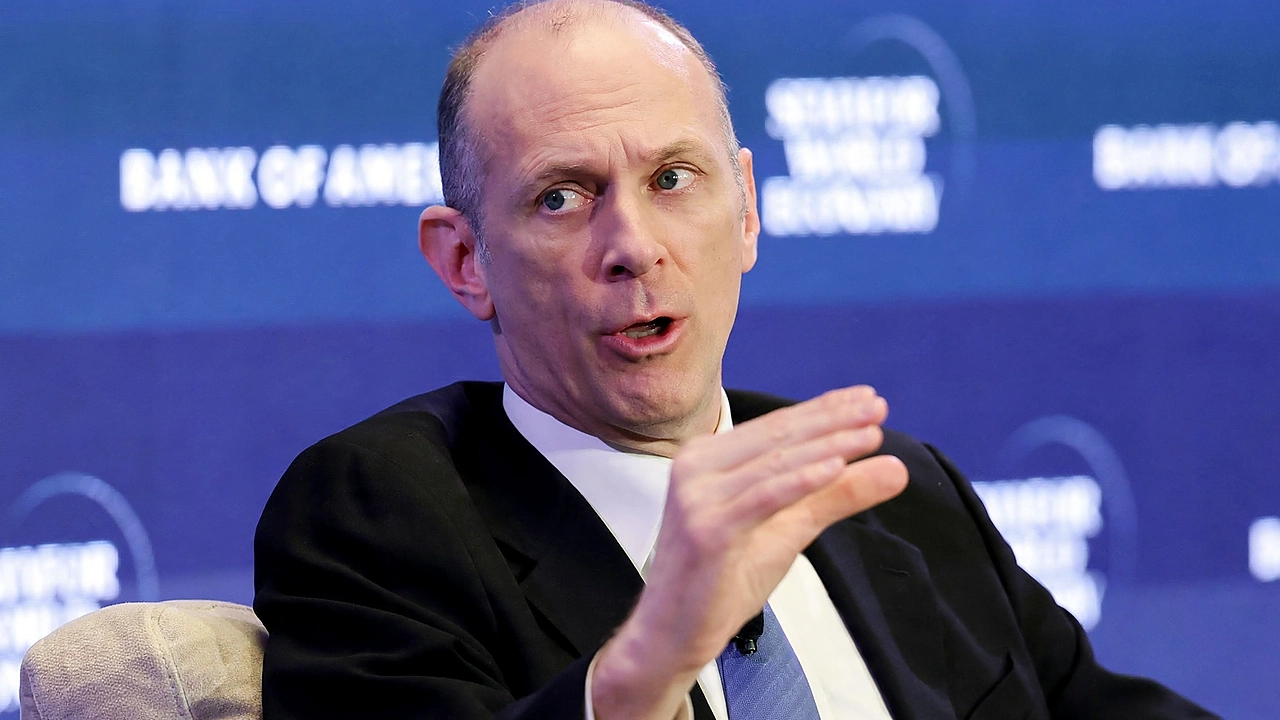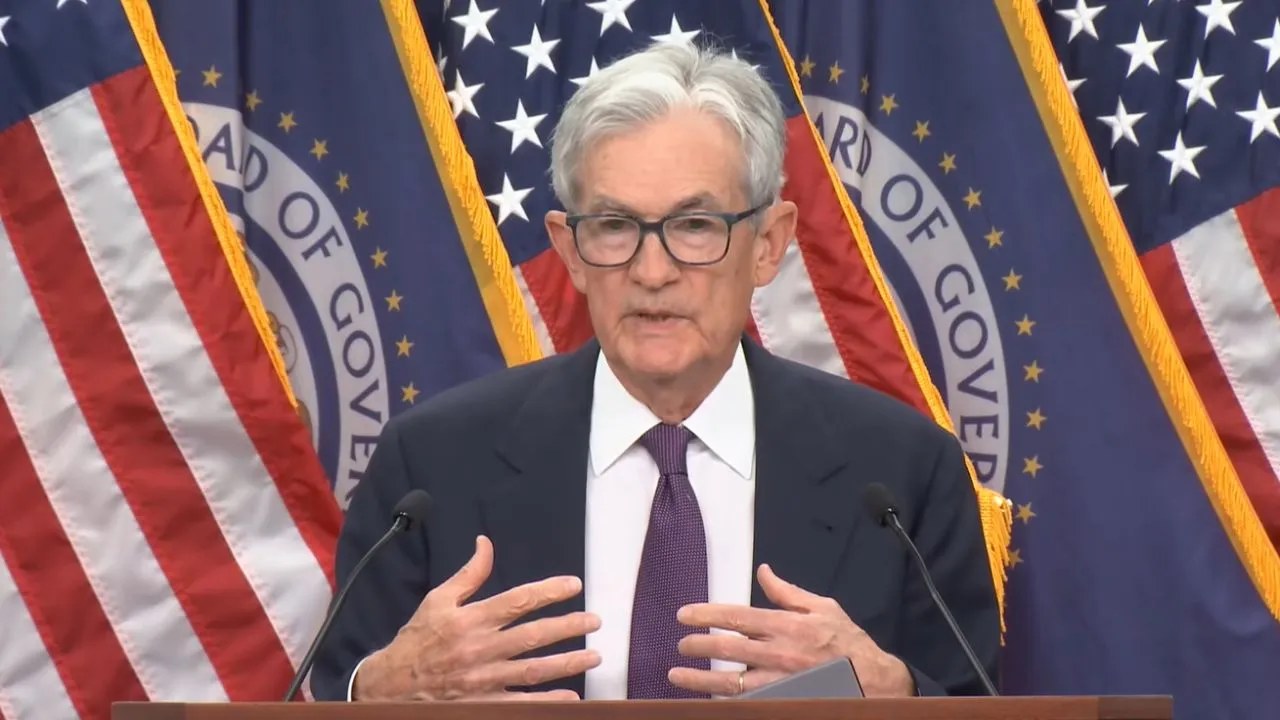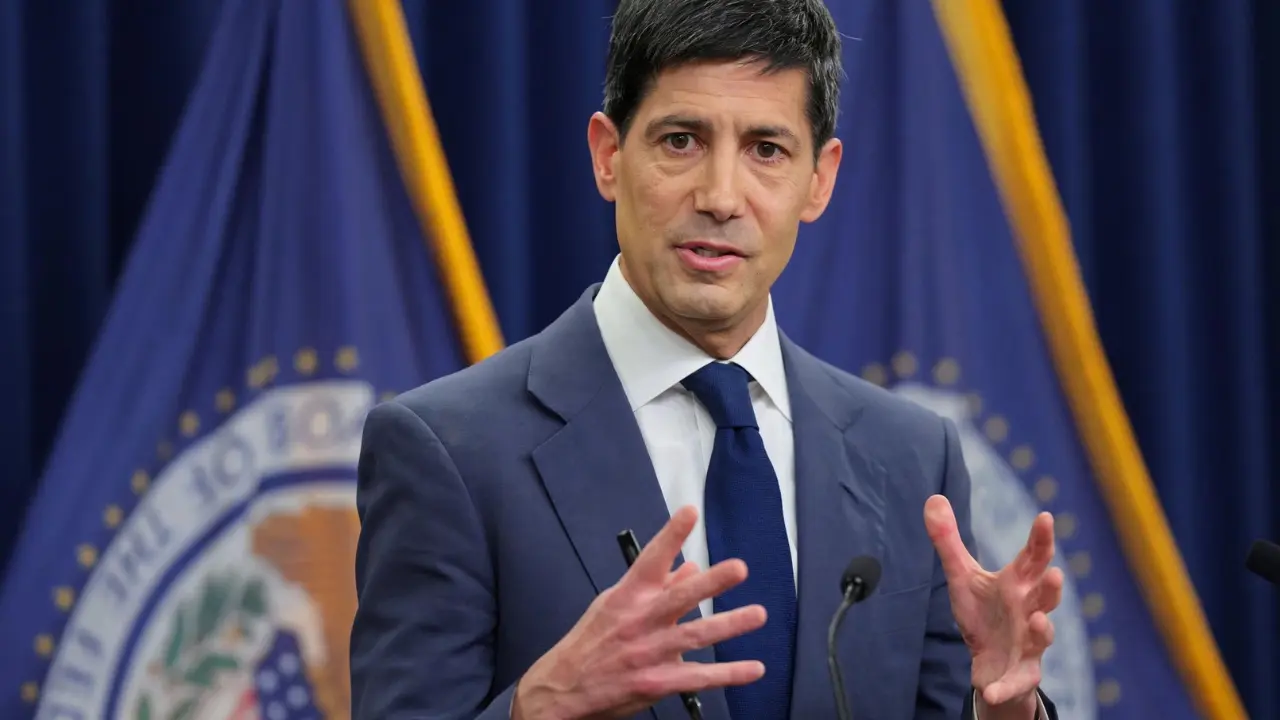


Federal Reserve Vice Chair Philip Jefferson said policymakers may need more time before determining whether another adjustment to interest rates is appropriate, emphasizing the need to evaluate incoming data and the economic outlook after the central bank raised rates in September.
Speaking Thursday at the University of Virginia’s Darden School of Business in Charlottesville, Jefferson said in his prepared remarks on the U.S. economy and monetary policy that future policy changes should depend on “trends in the data, the evolving outlook, and the balance of risks.” He added that Fed officials would need to reach their own judgment on the outlook, a process that “may take more time.”
The remarks were Jefferson’s own views, not a new decision or guidance formally adopted by the Federal Open Market Committee. His speech explicitly stated that his views were not necessarily those of his colleagues on the Federal Reserve Board or the FOMC.
Jefferson backs September hike but emphasizes patience ahead
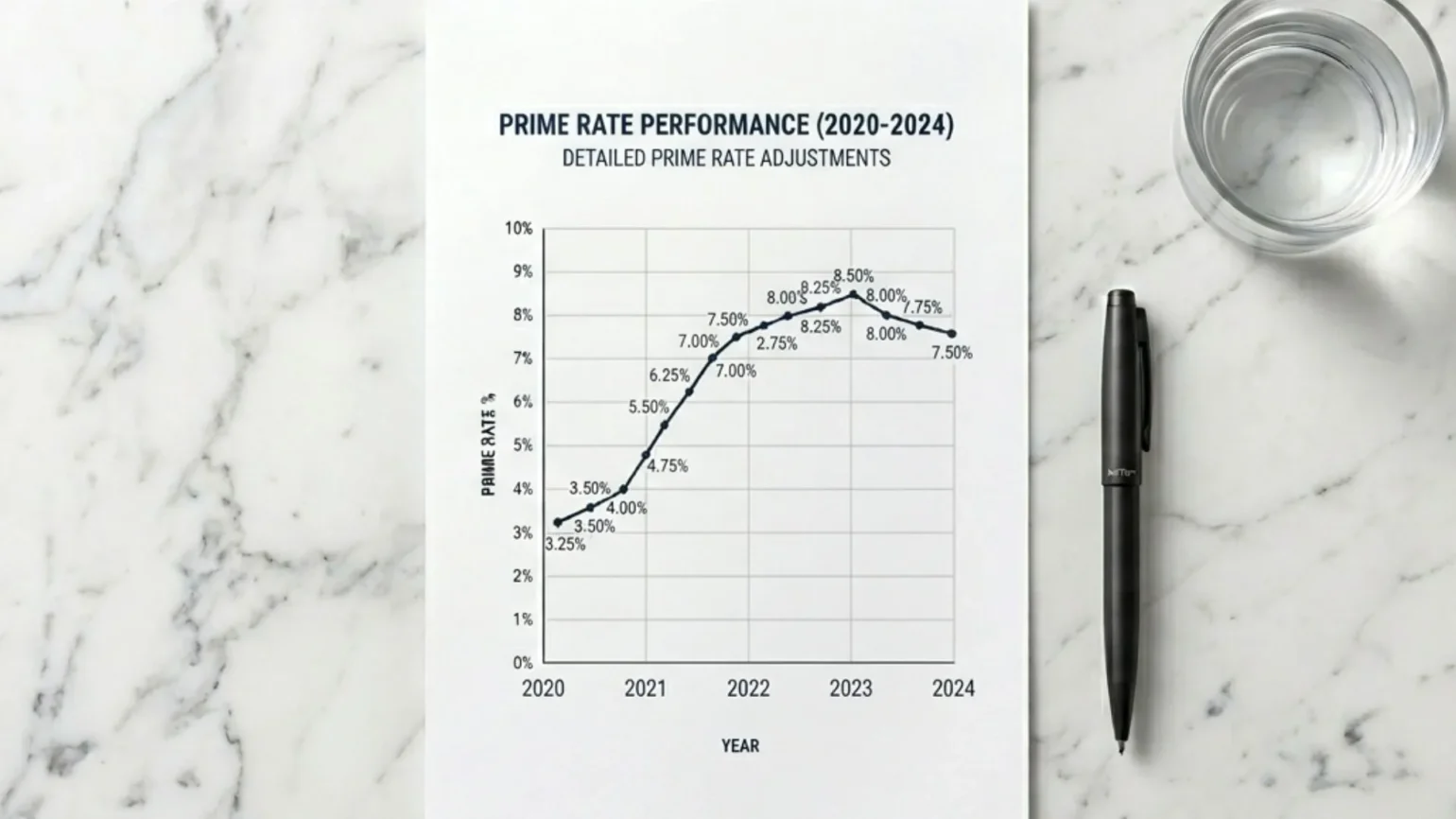
Jefferson said he supported the FOMC’s Sept. 16 decision to raise the federal funds target range by a quarter percentage point to 3.75%–4%, calling the move an important step toward keeping longer-term inflation expectations anchored.
That increase was an institutional decision: the September FOMC statement shows the Committee approved the quarter-point increase by a 12–0 vote. Investozora previously covered the decision when the Fed raised rates to 3.75%–4%. Jefferson’s latest remarks do not reverse his support for tighter policy. Instead, they add a clearer emphasis on waiting for evidence before deciding what comes next.
In his July speech on economic shocks and monetary policy, Jefferson had said that if inflation failed to cool, it could become appropriate to reconsider the policy stance. He also emphasized then that decisions would depend on incoming data, the evolving outlook and the balance of risks.
Thursday’s remarks retain that data-dependent framework but, following the September increase, explicitly introduce the possibility that reaching a judgment on another adjustment could require more time.
Inflation remains Jefferson’s central concern
Jefferson said economic activity and the labor market remain broadly solid, while inflation is still above the Fed’s objective. He cited 12-month PCE inflation of 3.4% in August and said he sees upside risks to his inflation outlook from geopolitical developments and stronger-than-expected aggregate demand.
That backdrop helps explain why his remarks are not a declaration that tightening is finished. Jefferson said he would continue evaluating whether underlying inflation trends indicate that price growth is returning toward 2% with sufficient speed.
The latest comments also come as Treasury yields have risen. Jefferson specifically noted that yields across the maturity spectrum had increased further since the September meeting, which he described as evidence that investors were reassessing the macroeconomic landscape. Investozora has separately examined how Treasury yields are interacting with Fed policy signals.
Investozora analysis: Jefferson’s language narrows what can reasonably be inferred about the immediate policy path. He continues to regard inflation as too high and supported September’s rate increase, but he is not pre-committing to another move. His emphasis on additional time and more data means the next decision remains conditional rather than predetermined.
The FOMC’s next scheduled policy meeting is Oct. 27–28, according to the Federal Reserve’s October calendar.