

President Donald Trump signed an executive order on June 3, 2026 immediately transferring approximately 8,000 career federal positions into the Schedule Policy/Career classification, following an OPM final rule published in February 2026. Source: whitehouse.gov.
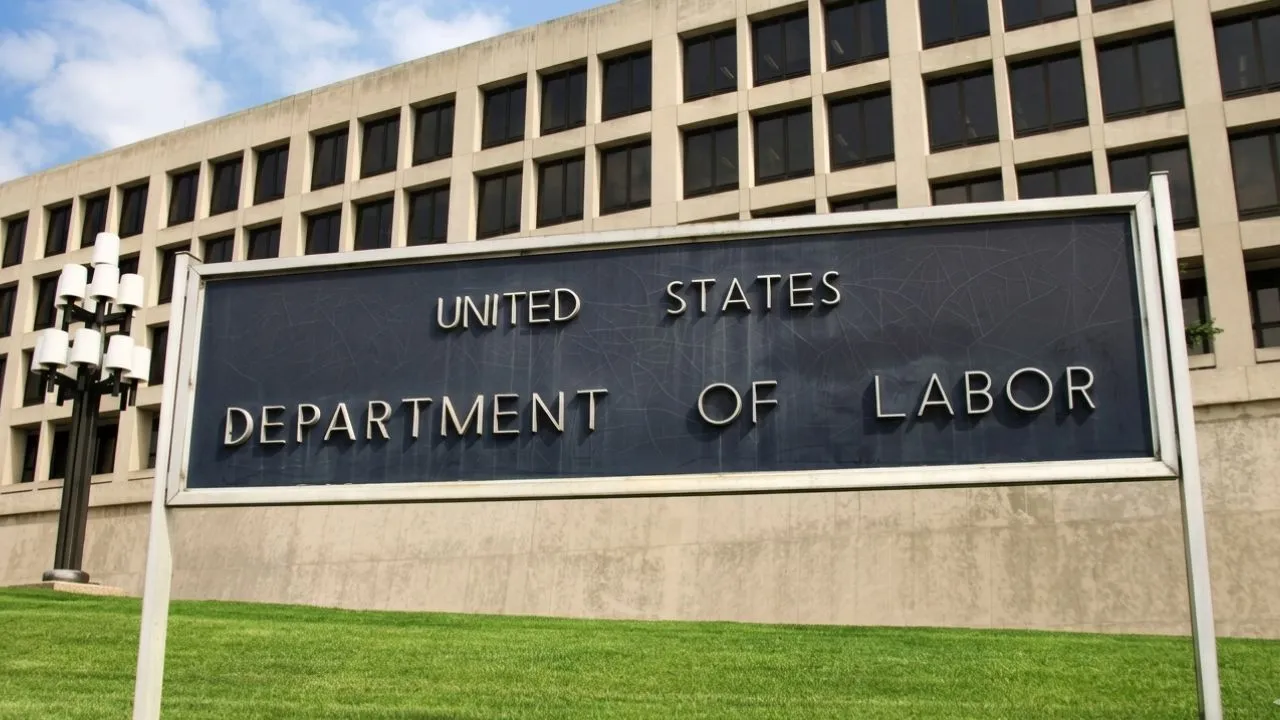
On the morning of June 3, 2026, roughly 8,000 federal employees who arrived at work as career civil servants left the building as at-will employees. President Trump signed an executive order executing the immediate transfer of those senior policy positions into Schedule Policy/Career, a new classification that removes the standard civil service due process protections those workers have operated under for years.
The order follows a regulatory final rule that the Office of Personnel Management published in February 2026. That rule formally created the Schedule Policy/Career framework in the excepted service, building the legal architecture that the June 3 executive order now activates at scale.
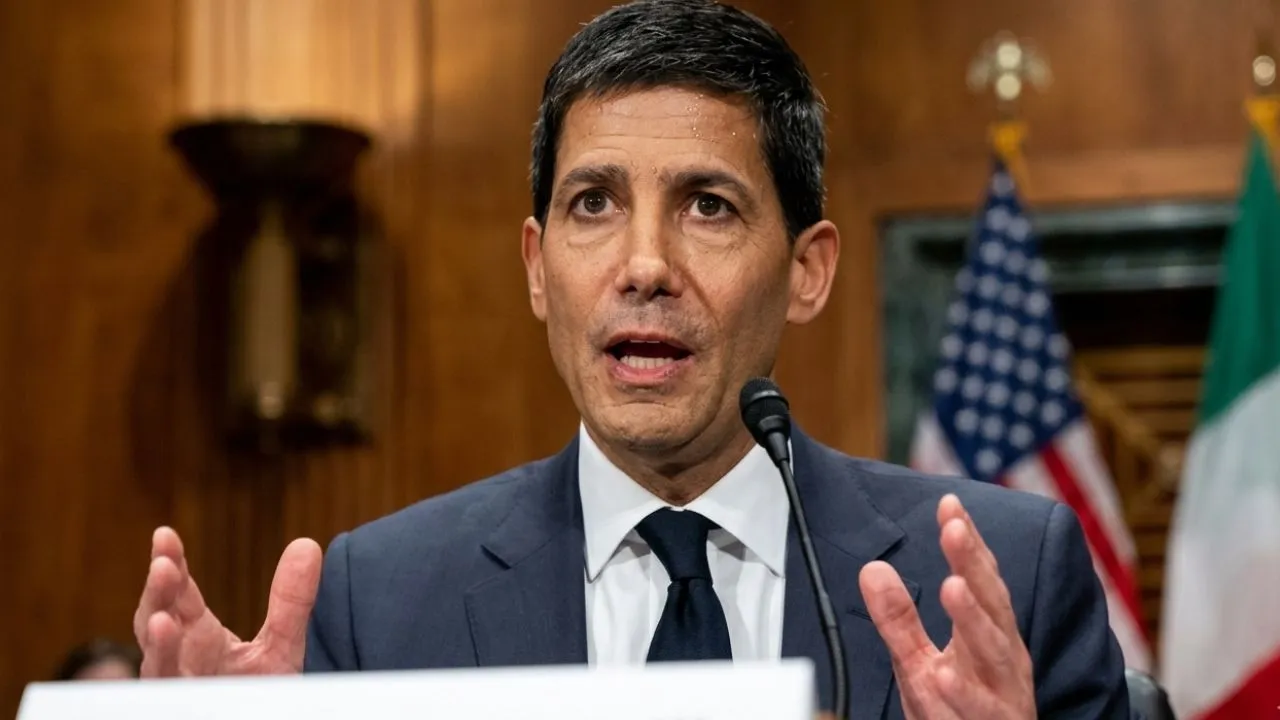
OPM Director Scott Kupor told reporters during a press briefing that the purpose is accountability, specifically that federal employees in senior policy-making roles need to be capable of carrying out lawful directives from the administration. If their personal views interfere with executing those directives, the mechanism now exists to remove them immediately.
The 8,000 positions affected in this first wave are concentrated at the GS-15 and senior-level tier, covering career professionals involved in regulatory drafting, policy guidance creation, and program oversight.
These are not political appointees. They are career employees who previously held removal protections requiring agencies to demonstrate cause and provide due process before any termination. Under Schedule Policy/Career, those protections no longer apply to this category of work.
The federal payment pipeline that channels federal salaries, benefits, and program disbursements across every federal agency operates through the same workforce now undergoing this structural shift. Large scale personnel turnover in senior regulatory roles creates processing and operational continuity questions that downstream payment systems must absorb.
This initial 8,000 position transfer is described by OPM’s structural guidance as the opening phase. The administration has identified approximately 50,000 federal career roles involving regulatory drafting, guidance production, or policy advocacy as candidates for permanent reclassification.
That projection represents roughly 2.3 percent of the entire federal civilian workforce, concentrated entirely in the tier where institutional knowledge, regulatory muscle memory, and cross-agency coordination are most operationally dense.
The constitutional and legal challenges are already forming. Civil service advocacy organizations and federal employee unions are preparing litigation on the grounds that reclassifying career positions retroactively violates the procedural rights established under the Civil Service Reform Act of 1978. The FedSupport Schedule Policy/Career resource center is tracking active legal challenges in real time as this first wave of transfers processes.
The timing connects directly to the broader federal budget battle. As Congress is simultaneously locked in a standoff over the $70 billion Senate reconciliation package and the $1.8 billion anti-weaponization fund dispute, the workforce reclassification order adds a second major institutional disruption to a federal system already operating under fiscal and political stress.
The Social Security Administration, which administers benefits to over 70 million Americans and is currently managing trust fund projections showing depletion by 2033, is among the agencies whose senior policy workforce now operates under fundamentally different employment conditions.
The IRS, currently processing its June refund cycle, is also within the scope of agencies affected by this reclassification framework. The question that affects every federal program beneficiary is whether the institutional expertise required to run complex payment systems, regulatory frameworks, and public benefit programs survives rapid large-scale personnel turnover in the roles that hold those systems together.