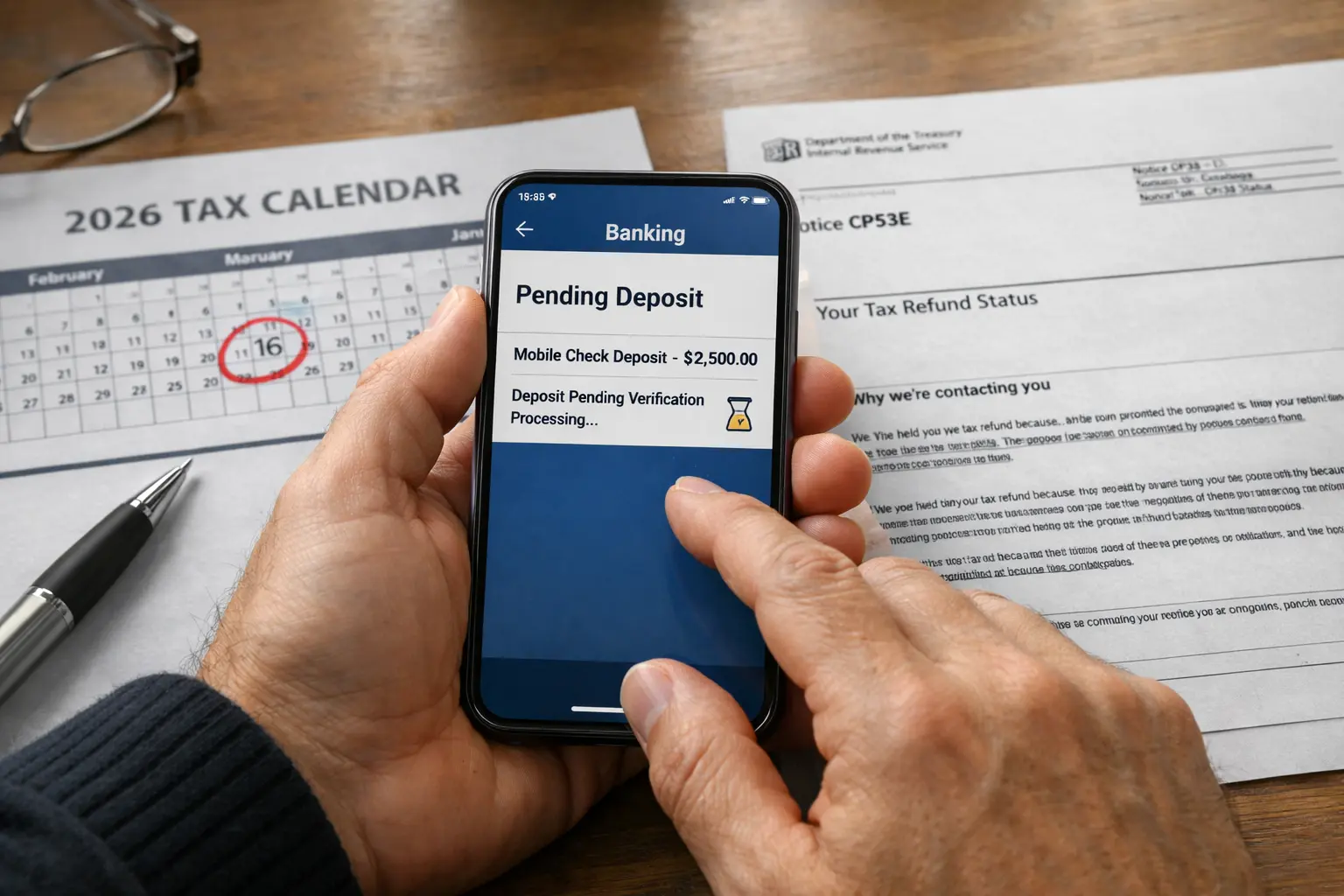
Something is moving. Not everywhere. Not all at once. But enough to trigger refreshes across the country. Social Security payments are updating for some accounts right now and that uneven visibility is creating a wave of confusion.
If you’ve opened your banking app more than once today, wondering why someone else says their deposit landed while yours hasn’t, you are not alone. Here’s what’s actually happening behind the scenes.
Why Some Social Security Accounts Are Updating and Others Aren’t
When Social Security payments are issued, they do not appear simultaneously across every bank. The federal payment process begins long before you see anything in your balance, following the U.S. money movement system infrastructure. Once the Social Security Administration transmits payment files to Treasury, those funds enter the settlement pipeline.
From there, distribution flows through structured banking channels, including ACH coordination and internal bank posting windows. We explained how Treasury initiates this release phase in our article on the Treasury payment system. But release does not mean visibility. That gap is what people are feeling right now.
The ‘Wave Effect’ You’re Seeing
When payments enter the Automated Clearing House network, they are processed in coordinated batches. Banks receive those incoming files at different times. Then they apply internal review steps before balances update. This creates what looks like a ‘wave.’
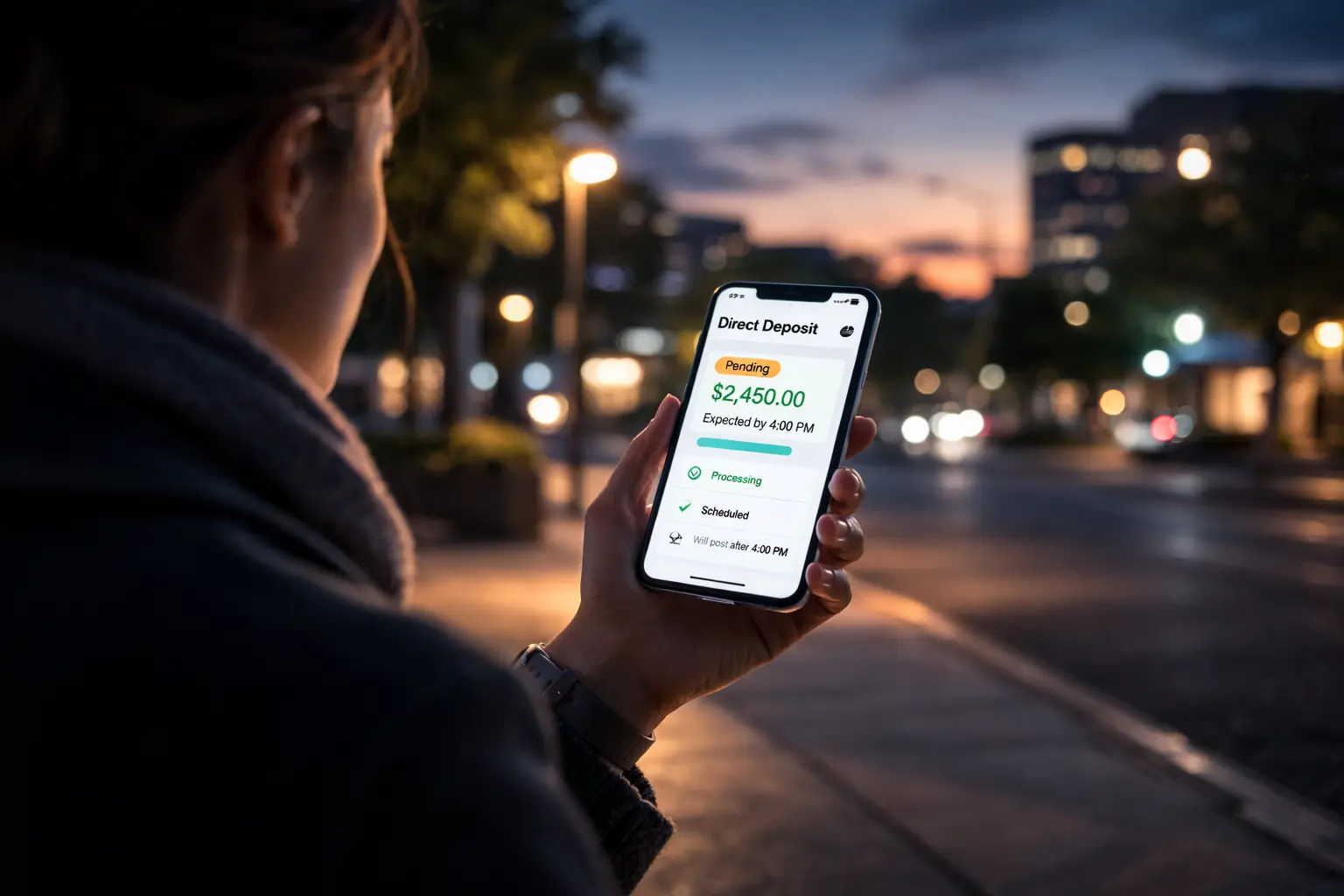
Some accounts reflect the deposit early, some show pending indicators, and others show nothing until final posting. That staggered update process is connected to what we’ve detailed in our analysis of Fedwire and ACH liquidity timing. If your account hasn’t updated yet, it may not be a problem. It may simply be your institution’s posting window.
Why Timing Feels More Intense Today
The emotional tension doesn’t come from the payment itself. It comes from comparison. A friend texts you: ‘Mine just hit.’ A family member posts a screenshot. A coworker says they see pending funds.
And your balance remains unchanged. This psychological gap is amplified by real-time visibility inside modern banking apps. We explored how internal posting windows differ between institutions in banks control payment posting windows.
Some banks post between midnight and 6 AM, others finalize between 6 AM and 9 AM, and some wait for reserve reconciliation. That’s why two people with the same payment date can see very different timing.
What Actually Happens Between ‘Issued’ and ‘Available’
Once Social Security payments are authorized, they move through structured settlement stages. The sequence typically includes federal authorization, Treasury disbursement, ACH coordination, bank intake, internal reconciliation, and ledger update.
We’ve outlined this flow in detail within the federal payment timeline explained. The most misunderstood stage is the final one: bank ledger update. That is the moment your available balance changes. Until then, even if funds are in the system, they may not appear in your spendable balance.
Why Some Accounts Show Pending and Others Show Nothing
Different banks handle early visibility differently. Some display pending credits before full settlement, while others hide incoming deposits until confirmation completes.
This is related to the internal mechanics we described in deposits pending final posting window. Early visibility does not always mean early access, and lack of visibility does not mean denial. It means processing.
When Should You Actually Worry?
Most staggered updates resolve within standard banking windows. However, you should investigate if a full business day passes with no update, your banking information changed recently, or you received an official notice.
For official payment schedules, refer directly to the Social Security Administration and for federal payment processing guidance, see the U.S. Treasury’s payment systems page. Those are the authoritative sources.
Why Social Security Payments Never Land All at Once
Even when millions of beneficiaries share the same payment date, distribution is staggered. Settlement is structured, bank risk controls matter, and liquidity management matters. We explored how liquidity timing affects household stability in liquidity timing household stability.
The system prioritizes reconciliation and fraud prevention before speed. That’s why visible updates spread in waves instead of appearing instantly nationwide.
The Role of Overnight and Morning Posting Windows
Many beneficiaries expect deposits to appear exactly at midnight. But that assumption is often incorrect. Banks finalize updates inside defined overnight and early morning windows. We detailed this in overnight bank clearing cycles. If your balance hasn’t updated yet, it may still fall within your institution’s scheduled posting range. That difference explains why some see changes immediately, while others wait hours.
The Ending Line
If Social Security payments are updating for some accounts right now but yours hasn’t changed, you are likely watching staggered settlement timing, not exclusion. Federal payments move in structured waves. Your bank controls the final posting moment. Refreshing your app won’t accelerate the system, but understanding it reduces the pressure.
Author