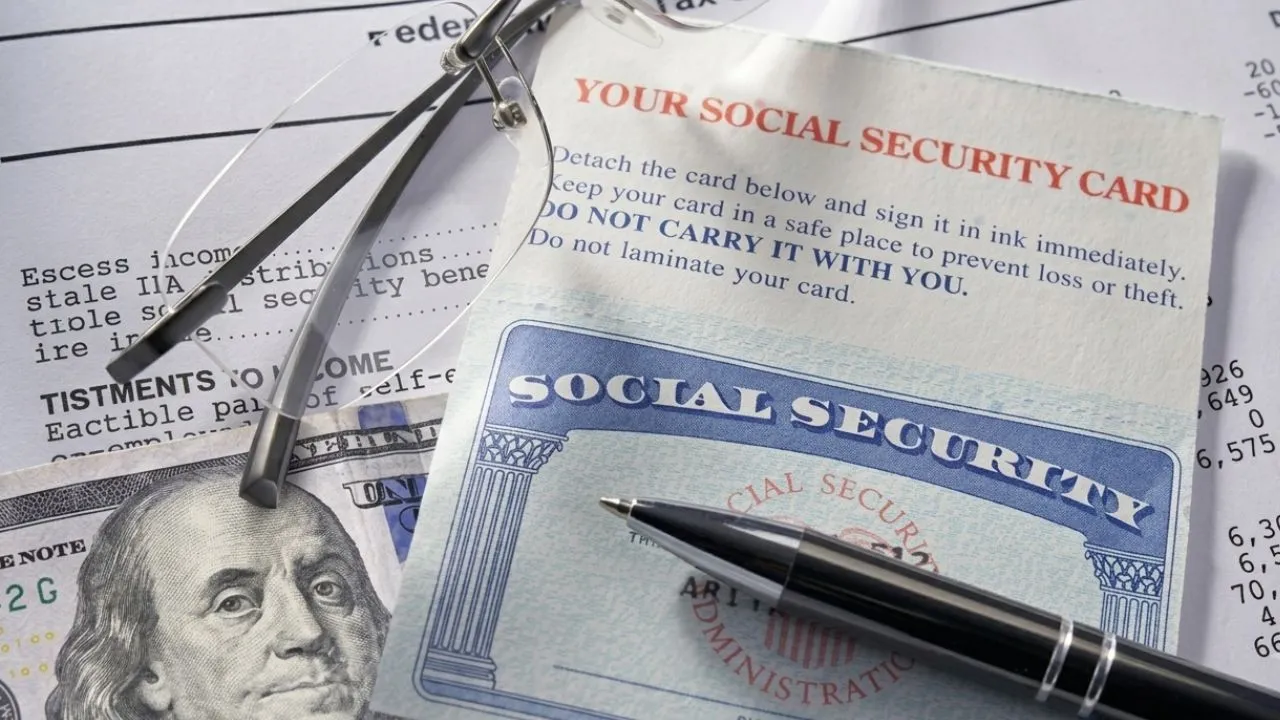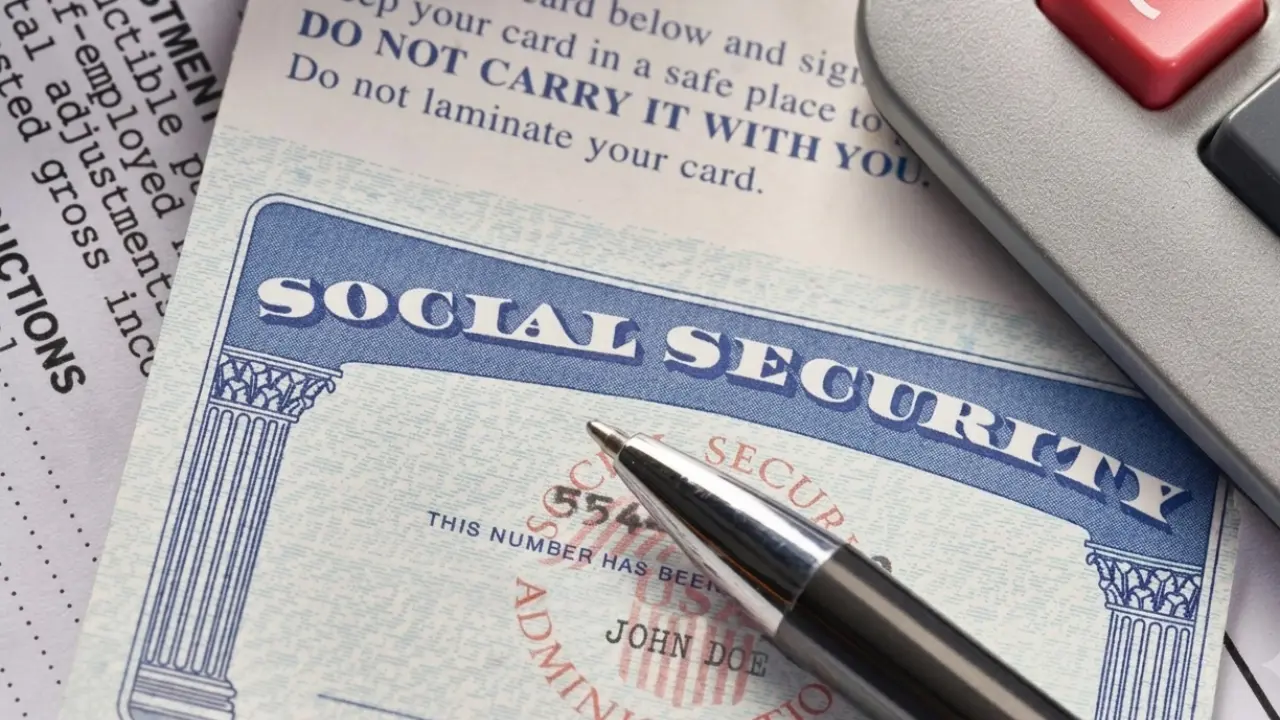
The federal combined income thresholds that determine whether Social Security benefits are taxed remain unchanged for 2026 at $25,000 and $34,000 for single filers, and $32,000 and $44,000 for married couples filing jointly. These figures are set by statute and are not adjusted for inflation.
There is no social security tax age that automatically exempts your benefits from federal income tax. This is one of the most persistent myths in retirement planning, and the Social Security Administration’s own guidance makes clear that eligibility for tax-free benefits depends on your income, not your birthday. Whether you’re 62 or 92, the same combined income formula applies to everyone who receives retirement, disability, or survivor benefits.
The real rule is income, not age
According to the Social Security Administration, you must pay federal tax on up to 85 percent of your benefits if you file as an individual and your combined income exceeds $25,000, or if you file jointly with a spouse and your combined income exceeds $32,000.
Combined income is calculated as your adjusted gross income, plus any tax-exempt interest you earned, plus half of your annual Social Security benefits. The SSA estimates that about 40 percent of all beneficiaries end up owing some federal tax on their benefits under this formula.
Crucially, this calculation runs identically whether you are 65, 75, or 85. There is no point on the age scale where the rule stops applying or the thresholds change. A 90-year-old with substantial pension and investment income can owe tax on 85 percent of their benefits just as easily as a 63-year-old in the same financial position.
Where 65 actually matters
Age 65 does matter for retirement taxes, just not in the way most people assume. It is not the age when Social Security becomes tax-free. It is the age at which you become eligible for a separate, temporary benefit created by the one big beautiful bill act, or OBBBA, signed into law on July 4, 2025.
Under this provision, taxpayers who turn 65 by December 31 of the relevant tax year can claim an additional $6,000 deduction, or $12,000 for a married couple where both spouses qualify, on top of the standard deduction and the pre-existing extra deduction seniors already received.
This new deduction does not change the $25,000 and $32,000 combined income thresholds that determine whether your Social Security benefits are taxable in the first place. What it does is reduce your overall taxable income after that calculation is made, which in practice pushes many retirees below the level where they owe anything at all.
The irs 7 percent interest rule and other OBBBA provisions phase out for higher earners, and this deduction is no exception. It begins phasing down once modified adjusted gross income passes $75,000 for single filers or $150,000 for joint filers, and disappears entirely at $175,000 and $250,000 respectively.
What the deduction means in practice
The White House Council of Economic Advisors has estimated that, combined with existing deductions, this provision results in no federal tax on Social Security benefits for roughly 88 percent, or about 51.4 million, of all seniors currently receiving benefits. Independent analysts have offered more cautious estimates.
The Tax Policy Center has noted that fewer than half of older adults benefit meaningfully from the new deduction once its phase-outs and interaction with existing deductions are accounted for, since many lower-income seniors were already paying little or no federal tax before it existed.
It is also worth being precise about what this deduction is not. It is not a Social Security-specific tax break, and you do not need to receive Social Security benefits to claim it.
It is an age-based deduction available to any qualifying taxpayer 65 or older, regardless of income source, and it must be actively claimed using Schedule 1-A on your federal return. Tax software that asks for your date of birth generally applies it automatically, but a paper filer who skips this step will not receive it.
Common filing mistakes to avoid
Married couples who file separately lose access to this deduction entirely, and separate filing also triggers a stricter version of the underlying combined income test, one that generally results in up to 85 percent of benefits becoming taxable regardless of how low that couple’s actual income is.
Retirees converting a traditional IRA to a Roth account should also be aware that the conversion itself counts as income in the year it happens, which can temporarily push combined income above the threshold and make more of that year’s Social Security benefits taxable, even if the retiree’s income is otherwise modest.
Roth IRA withdrawals themselves, by contrast, do not count toward combined income at all, which is one reason financial planners often recommend using Roth accounts strategically in retirement to manage which years benefits get taxed.
Qualified charitable distributions, available to those 70 and a half or older, work similarly by letting a retiree direct IRA funds to charity without the withdrawal ever counting as taxable income.
What this means for you
If you are approaching 65, the practical question is not what age Social Security stops being taxed, since that age does not exist, but whether your total combined income keeps you under $25,000 as an individual or $32,000 as a couple, and whether the new $6,000 or $12,000 senior deduction is enough to offset the tax on whatever portion of your benefits does end up counted.
Readers whose income sits near these thresholds may benefit from spreading out large withdrawals or capital gains across multiple tax years rather than realizing them all at once.
For a broader look at how COLA increases and Treasury yield trends factor into these calculations, see Investozora’s coverage of the social security cola projection for 2027, and how shifts tied to the warsh rate decision can influence the inflation data behind it.
The mechanics of how your benefit payment actually reaches your bank account each month are explained further in Investozora’s us money movement system hub.
Does Social Security stop being taxed once I retire completely?
No. Retiring does not exempt your benefits from the combined income test. A retiree living on pension income, IRA withdrawals, and Social Security can still cross the $25,000 or $32,000 threshold and owe tax on part of their benefits, regardless of whether they still work.
What you should do now
Calculate your own combined income using the Social Security Administration’s formula before assuming your benefits are automatically tax-free at any particular age. If you are 65 or older, confirm your tax software or preparer is applying the new senior deduction correctly on Schedule 1-A, since it is not automatic on paper returns.
If your income sits close to either threshold, consider speaking with a tax professional about timing IRA withdrawals or Roth conversions to manage which years your benefits are taxed.